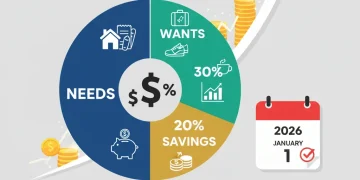
Master Your Finances: Create Your 2026 Financial Calendar
Are you ready to take control of your financial future? As we approach 2026, now is the perfect time to strategize and implement a robust financial plan. One of the most effective tools for achieving financial stability and growth is a well-structured financial calendar 2026. This isn’t just about marking tax deadlines; it’s about creating a comprehensive roadmap that encompasses all aspects of your financial life, from budgeting and savings to investments and debt management. By proactively planning your financial year, you can avoid last-minute stress, capitalize on opportunities, and steadily move towards your long-term financial goals.
In this in-depth guide, we will walk you through the process of building your personalized financial calendar 2026. We’ll cover everything from identifying key financial dates and understanding their significance to integrating your personal financial goals and leveraging digital tools for maximum efficiency. Whether you’re a seasoned investor or just starting your financial journey, a meticulously crafted financial calendar can be the cornerstone of your success. Let’s dive in and transform your financial outlook for 2026!
Why a Financial Calendar 2026 is Indispensable
Many people view financial planning as a daunting task, often relegated to a once-a-year scramble during tax season. However, effective financial management is an ongoing process that benefits immensely from regular attention and a clear schedule. A dedicated financial calendar 2026 offers numerous advantages:
- Proactive Planning: Instead of reacting to financial events, you anticipate them. This allows you to prepare for large expenses, tax payments, or investment opportunities well in advance.
- Reduced Stress: Knowing what’s coming and having a plan in place significantly reduces financial anxiety. No more panic about forgotten bill due dates or missed investment windows.
- Improved Budgeting: By mapping out income and expenses throughout the year, you gain a clearer picture of your cash flow, making budgeting more accurate and sustainable.
- Goal Achievement: A financial calendar helps you break down large financial goals (e.g., saving for a down payment, retirement, a vacation) into manageable monthly or quarterly tasks.
- Better Investment Decisions: Regular check-ins on your investment portfolio, scheduled in your calendar, ensure you stay informed and make timely adjustments.
- Optimized Tax Strategy: Understanding tax deadlines and planning for them throughout the year can lead to more effective tax planning and potentially reduce your tax burden.
- Debt Management: Scheduling debt review and payment dates helps you stay on track with repayment plans and identify opportunities to accelerate debt reduction.
In essence, a financial calendar 2026 transforms abstract financial goals into concrete, actionable steps, spread out over the year in a manageable fashion. It’s your personal financial GPS, guiding you through the year’s monetary landscape.
Key Components of Your 2026 Financial Calendar
Building an effective financial calendar 2026 requires identifying and scheduling various types of financial activities. Here’s a breakdown of the essential elements you should include:
1. Income & Expense Tracking
The foundation of any sound financial plan is understanding your cash flow. Schedule regular times, ideally weekly or bi-weekly, to review your income and expenses. This helps you identify spending patterns, stick to your budget, and make necessary adjustments. Consider these points:
- Payday Reminders: Mark all your expected paydays to anticipate incoming funds.
- Bill Due Dates: List all recurring bills (rent/mortgage, utilities, subscriptions, loan payments, credit card payments) with their due dates. Set reminders a few days before to ensure timely payments and avoid late fees.
- Variable Expense Reviews: Allocate time monthly to review variable expenses like groceries, entertainment, and dining out. Compare actual spending against your budget.
- Annual/Semi-Annual Payments: Don’t forget less frequent but often significant expenses like insurance premiums, property taxes, or professional memberships.
2. Savings & Investment Milestones
Your financial calendar 2026 should be a powerful tool for achieving your savings and investment goals. Schedule regular contributions and review periods:
- Automatic Transfers: If you have automatic transfers set up for savings or investments, mark these dates to track their progress.
- Savings Goal Check-ins: Monthly or quarterly, review your progress towards specific savings goals (e.g., emergency fund, down payment, vacation). Adjust contributions if necessary.
- Investment Portfolio Reviews: Schedule quarterly or semi-annual reviews of your investment portfolio. Assess performance, rebalance if needed, and consider new investment opportunities or adjustments based on market conditions and your risk tolerance.
- Retirement Account Contributions: Plan your contributions to 401(k)s, IRAs, and other retirement vehicles. Maxing out these contributions early in the year can be beneficial.
- Brokerage Account Funding: If you invest in a taxable brokerage account, schedule regular contributions or plan for lump-sum investments.
3. Tax-Related Dates and Deadlines
Tax obligations are a critical part of financial planning. Missing deadlines can lead to penalties and unnecessary stress. Your financial calendar 2026 must prominently feature these dates:
- Estimated Tax Payments: If you’re self-employed or have other income not subject to withholding, mark the quarterly estimated tax deadlines (e.g., April 15, June 15, September 15, January 15 of the following year).
- Tax Document Gathering: Early in the year (January-February), schedule time to gather all necessary tax documents (W-2s, 1099s, investment statements, charitable contribution receipts).
- Tax Filing Deadline: The most important date for most individuals is the annual tax filing deadline (typically April 15). Mark it clearly and aim to file well in advance.
- Extension Deadlines: If you anticipate needing an extension, mark the extension filing deadline as well.
- Tax Planning Review: Mid-year (July-August) is an excellent time to conduct a preliminary tax review. Check your withholding, assess potential deductions, and make adjustments to avoid surprises.
4. Debt Management & Review
Effectively managing debt is crucial for financial health. Integrate debt-related activities into your financial calendar 2026:
- Debt Payment Due Dates: As with bills, list all debt payments (student loans, car loans, personal loans, credit cards) with their due dates.
- Debt Review Sessions: Quarterly, review your overall debt situation. Are you making progress? Can you refinance any loans for a better interest rate? Are there opportunities to pay down high-interest debt faster?
- Credit Report Check: Schedule an annual review of your credit report from all three major bureaus (Experian, Equifax, TransUnion). This helps you identify errors and monitor for identity theft. You’re entitled to a free report from each bureau annually via AnnualCreditReport.com.

Building Your Financial Calendar 2026: Step-by-Step
Now that you know what to include, let’s outline the practical steps to create your personalized financial calendar 2026:
Step 1: Choose Your Calendar Tool
The first decision is how you’ll manage your calendar. Options include:
- Digital Calendars: Google Calendar, Outlook Calendar, Apple Calendar are excellent for setting recurring events, reminders, and accessing your calendar from multiple devices.
- Spreadsheets: A dedicated Excel or Google Sheets document can be highly customizable for detailed tracking.
- Financial Apps: Many budgeting and financial planning apps (e.g., Mint, YNAB, Personal Capital) offer calendar-like features and reminders.
- Physical Planner/Wall Calendar: For those who prefer a tangible approach, a physical planner can be very effective, especially when combined with digital reminders.
Choose the tool that best suits your habits and preferences. The most important thing is consistency in using it.
Step 2: Gather All Financial Information
Before you start populating your financial calendar 2026, collect all relevant documents and information:
- Bank statements (checking, savings)
- Credit card statements
- Loan statements (mortgage, auto, student, personal)
- Investment statements (brokerage, retirement accounts)
- Insurance policies (health, auto, home, life)
- Pay stubs or income statements
- Previous year’s tax returns
- Any annual bills or subscriptions
This comprehensive overview will ensure you don’t miss any critical dates or obligations.
Step 3: Map Out Fixed Income and Expenses
Start with the predictable elements. Go through your gathered documents and list all fixed income sources and recurring fixed expenses. For each item, note the amount, the due date, and the frequency (weekly, bi-weekly, monthly, quarterly, annually).
Step 4: Incorporate Variable Expenses and Budget Reviews
While variable expenses aren’t fixed, the act of reviewing them should be. Schedule weekly or bi-weekly budget check-ins to track your spending against your allocated amounts. Monthly, dedicate time for a more comprehensive budget review to assess overall performance and make adjustments for the coming month.
Step 5: Add Key Financial Deadlines (Taxes, Investments, Debt)
Refer to the ‘Key Components’ section above and meticulously add all relevant tax deadlines, investment review dates, and debt management check-ins to your financial calendar 2026. Don’t just add the final deadline; consider adding earlier reminders for preparation (e.g., ‘Start gathering tax documents’ in January, ‘Review investment portfolio’ at the start of each quarter).
Step 6: Integrate Personal Financial Goals
Your financial calendar isn’t just about obligations; it’s about aspirations. Break down your larger financial goals into smaller, actionable steps and schedule them. For example:
- Saving for a Down Payment: Schedule monthly contributions and quarterly progress reviews.
- Paying Off Debt: Mark dates for extra payments or quarterly check-ins on your debt reduction strategy.
- Education Planning: Schedule reviews of 529 plans or other education savings vehicles.
- Major Purchases: If you’re planning a new car or home renovation, schedule savings milestones.
Step 7: Schedule Regular Financial Review Sessions
Beyond individual tasks, it’s vital to have dedicated times for holistic financial reviews. Suggestion:
- Monthly Check-in (1-2 hours): Review budget, track progress on savings/debt, pay bills, update net worth.
- Quarterly Review (2-3 hours): Deeper dive into investments, credit report check (if applicable), tax planning adjustments, goal re-evaluation.
- Annual Review (3-4 hours): Comprehensive review of the entire financial picture, including insurance policies, estate planning, retirement projections, and setting new goals for the upcoming year. This is also a good time to start preparing your next financial calendar 2026 for the following year.
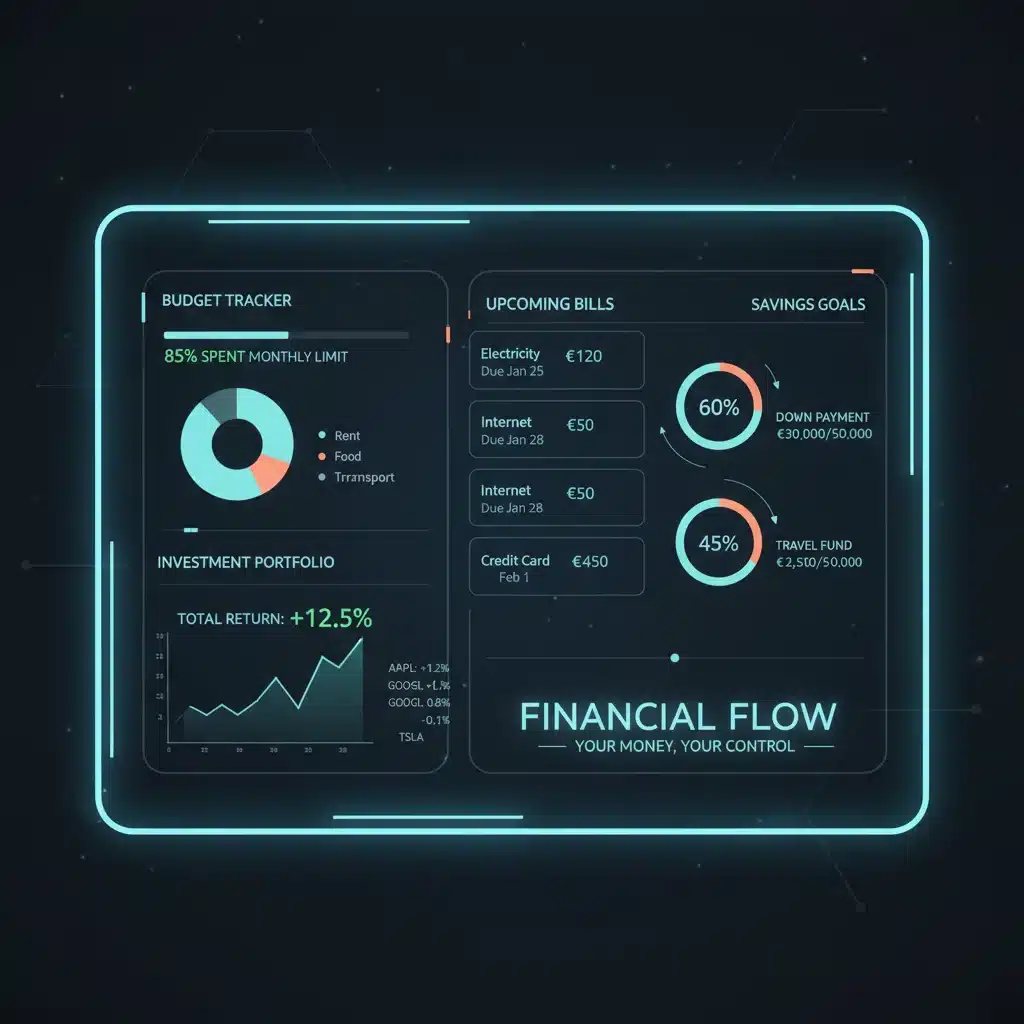
Advanced Tips for Maximizing Your Financial Calendar 2026
Once you have the basics down, consider these advanced strategies to make your financial calendar 2026 even more powerful:
Automate Where Possible
Automate bill payments, savings transfers, and investment contributions. This ensures consistency and reduces the chance of missed payments. Your calendar then becomes a tool for verifying these automated processes rather than manually initiating them.
Build in Buffer Time
Don’t schedule tasks for the absolute last minute. Give yourself a buffer of a few days for bill payments and even weeks for major tasks like tax preparation. Life happens, and a buffer prevents stress when unexpected events occur.
Color-Code Your Calendar
If using a digital calendar, use different colors for different types of financial tasks (e.g., green for income, red for bills, blue for investments, yellow for savings goals). This provides a quick visual overview of your financial year.
Link Documents and Notes
In digital calendars, you can often attach notes or links to relevant documents (e.g., a link to your bank’s bill pay page, a spreadsheet of your investment portfolio, or a PDF of an insurance policy). This keeps all necessary information at your fingertips.
Review and Adjust Regularly
Your financial situation isn’t static. Life changes, income fluctuates, and goals evolve. Your financial calendar 2026 should be a living document. Schedule quarterly reviews to assess its effectiveness and make adjustments as needed. Don’t be afraid to modify due dates or add new tasks.
Consider Professional Advice
For complex financial situations, such as estate planning, significant investments, or business finances, schedule consultations with financial advisors, tax professionals, or estate attorneys. Mark these appointments in your calendar and prepare questions in advance.
Plan for Unexpected Expenses
While you can’t predict every emergency, you can plan for the possibility. Ensure your emergency fund check-ins are prominent in your financial calendar 2026. This preparation provides a financial safety net when unforeseen costs arise.
Track Net Worth Annually
A comprehensive annual review should include calculating your net worth. This provides a snapshot of your financial health and helps you visualize your progress over time. Schedule this for early in the year, after all year-end statements have arrived, or during your annual financial review.
Common Pitfalls to Avoid When Creating Your Financial Calendar 2026
While a financial calendar 2026 is a powerful tool, some common mistakes can hinder its effectiveness. Be mindful of these:
- Over-scheduling: Don’t try to cram too many tasks into one day or week. Spread them out to avoid burnout and ensure you have enough time for each.
- Ignoring Personal Habits: If you’re not a morning person, don’t schedule your detailed financial review for 6 AM. Tailor your calendar to your natural rhythms.
- Lack of Flexibility: Life is unpredictable. Your calendar should be a guide, not a rigid prison. Allow for flexibility and be prepared to adjust when necessary.
- Forgetting Reminders: Simply writing down a date isn’t enough for many. Set up digital reminders that pop up a few days before a deadline.
- Not Reviewing Progress: A calendar is only useful if you use it to track and assess your progress. Regularly check in to see if you’re meeting your goals.
- Neglecting Long-Term Goals: It’s easy to get caught up in monthly bills, but ensure your calendar also reflects your long-term aspirations like retirement or a child’s education.
- Procrastination: The biggest enemy of any plan. Start building your financial calendar 2026 now, and commit to following it.
Conclusion: Empower Your Financial Future with a 2026 Financial Calendar
Creating and diligently following a financial calendar 2026 is one of the most impactful steps you can take to achieve financial mastery. It transforms abstract financial goals into a concrete, manageable plan, reducing stress and fostering a sense of control over your money. By systematically scheduling income, expenses, savings, investments, and tax obligations, you build a robust framework for financial success.
Remember, your calendar is a dynamic tool. It should evolve with your life and financial circumstances. Start by populating it with the essential dates and then progressively add more detail and personal goals. Leverage digital tools for reminders and automation, and commit to regular review sessions. With a well-executed financial calendar 2026, you’re not just tracking dates; you’re actively shaping a more secure, prosperous, and financially confident future for yourself and your loved ones. Begin today, and make 2026 your most financially organized year yet!