Needs vs. Wants: Mastering Financial Decisions for 2026

Needs vs. Wants: Mastering Financial Decisions for 2026
In an increasingly complex and often unpredictable economic landscape, the ability to discern between what we truly need and what we merely want has never been more critical. As we navigate towards 2026, understanding this fundamental distinction isn’t just about saving a few dollars; it’s about building a resilient financial future, making informed choices, and achieving genuine financial freedom. This comprehensive guide will delve deep into the concept of needs wants finance, providing you with the tools and insights to master your financial decisions and thrive in the years to come.
The global economy is perpetually shifting, influenced by technological advancements, geopolitical events, and evolving consumer behaviors. What was considered a luxury a decade ago might now be a near-necessity, and vice versa. This fluidity makes the classic definition of needs and wants more challenging to apply, yet more vital to understand. By the end of this article, you will have a clear framework to categorize your expenditures, optimize your budget, and align your spending with your long-term financial aspirations.
The Foundational Difference: Needs vs. Wants
Let’s start with the basics. What exactly constitutes a ‘need’ versus a ‘want’ in the context of personal finance? While the lines can sometimes blur, a clear understanding is the bedrock of sound financial planning. This distinction is paramount for anyone looking to improve their needs wants finance management.
Defining Needs: The Essentials for Survival and Basic Functioning
A need is something that is absolutely essential for your survival, safety, and basic well-being. Without fulfilling these, your health, ability to work, or overall quality of life would be significantly impaired or impossible. Think of Maslow’s Hierarchy of Needs – these are the foundational layers. Common examples include:
- Shelter: A safe and habitable place to live (rent, mortgage payments).
- Food: Nutritious sustenance to maintain health.
- Water: Clean drinking water.
- Clothing: Appropriate attire for protection and societal norms.
- Healthcare: Access to medical services for health maintenance and emergencies.
- Transportation (Basic): The ability to get to work or essential appointments (e.g., public transport, a reliable, affordable car if necessary for work).
- Basic Utilities: Electricity, heating, and water services for your home.
It’s crucial to note that ‘basic’ is the operative word here. While a roof over your head is a need, a sprawling luxury mansion is a want. While food is a need, gourmet dining every night is a want. This nuance is where many individuals struggle, conflating upgraded versions of needs with the needs themselves.
Defining Wants: The Desires That Enhance Life
A want, on the other hand, is something you desire to have, but it is not essential for your basic survival or well-being. Wants often improve your quality of life, provide enjoyment, or offer convenience, but their absence would not put your fundamental existence at risk. They are the ‘nice-to-haves.’ Examples include:
- Entertainment: Streaming services, concert tickets, dining out at fancy restaurants.
- Luxury Goods: Designer clothing, high-end electronics beyond basic functionality, expensive jewelry.
- Vacations: Travel for leisure.
- Hobbies: Expensive equipment or classes for recreational activities.
- Upgraded Housing/Vehicles: A larger house than necessary, a brand-new luxury car when a reliable used one would suffice.
- Convenience Services: Daily coffee shop runs, frequent takeout meals instead of home-cooked.
Wants are not inherently bad. In fact, they contribute to our happiness and well-being. The problem arises when wants are prioritized over needs, or when excessive spending on wants jeopardizes financial stability. Effective needs wants finance management is about balancing these two categories wisely.

Why Differentiating Needs and Wants is Crucial for 2026
The ability to distinguish between needs and wants is not just an academic exercise; it’s a vital skill for navigating the financial realities of 2026. Here’s why it’s more important than ever:
1. Inflationary Pressures and Cost of Living
Global inflation has been a significant concern in recent years, impacting the cost of everything from groceries to housing. As we move into 2026, these pressures may continue to affect purchasing power. By focusing on needs first, you ensure that your essential expenses are covered, even if prices rise. Prioritizing wants during inflationary periods can quickly lead to financial strain and debt.
2. Economic Uncertainty and Job Security
The future economic landscape, while showing signs of recovery in some areas, remains uncertain in others. Job markets can be volatile, and unexpected layoffs or reductions in income are always a possibility. A strong grasp of your needs wants finance allows you to build an emergency fund by cutting down on wants, providing a crucial safety net during tough times.
3. Achieving Long-Term Financial Goals
Whether your goal is to buy a house, save for retirement, fund your children’s education, or start a business, these aspirations require significant capital. Every dollar spent on a want is a dollar not saved or invested towards these goals. By consciously choosing to defer gratification and limit wants, you accelerate your progress towards financial milestones.
4. Reducing Debt and Building Wealth
Consumer debt, especially high-interest credit card debt, can be a major impediment to financial health. Often, this debt is accumulated by funding wants rather than needs. By reining in discretionary spending, you can allocate more funds to debt repayment, freeing up cash flow and allowing you to start building actual wealth through savings and investments.
5. Enhancing Financial Peace of Mind
There’s a significant psychological benefit to knowing your essential needs are met and that you have a cushion for emergencies. Reducing the stress associated with money, improving your needs wants finance management, and having a clear financial plan contributes immensely to overall well-being and peace of mind.
Practical Strategies for Differentiating and Prioritizing
Now that we understand the ‘why,’ let’s explore the ‘how.’ Here are practical strategies to help you effectively differentiate and prioritize your needs and wants in 2026:
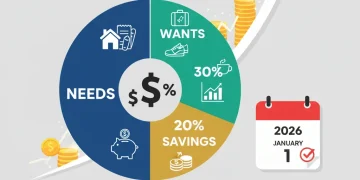
1. The 50/30/20 Budget Rule
This popular budgeting method, often attributed to Senator Elizabeth Warren, is an excellent framework for managing your needs wants finance:
- 50% for Needs: Allocate no more than 50% of your after-tax income to essential expenses like housing, utilities, groceries, basic transportation, and minimum loan payments.
- 30% for Wants: Dedicate up to 30% of your after-tax income to discretionary spending – anything that isn’t absolutely essential. This includes dining out, entertainment, hobbies, vacations, and shopping for non-essentials.
- 20% for Savings & Debt Repayment: Commit at least 20% of your after-tax income to financial goals such as building an emergency fund, retirement savings, investing, or paying down high-interest debt beyond the minimum payments.
This rule provides a clear guideline, helping you visualize where your money should ideally be going. If you find your ‘needs’ portion exceeding 50%, it’s a strong signal that you need to re-evaluate your essential expenses, perhaps by seeking more affordable housing or reducing your grocery bill through meal planning.
2. The ‘Would I Die Without It?’ Test
This is a blunt but effective mental exercise. When considering a purchase, ask yourself: ‘Would my life, health, or ability to function fundamentally be compromised if I didn’t have this?’ If the answer is no, it’s likely a want. While extreme, this test helps cut through emotional justifications and focuses on true necessity, especially useful for managing your needs wants finance effectively.
3. Track Your Spending Meticulously
You can’t manage what you don’t measure. For at least a month, meticulously track every single dollar you spend. Use a budgeting app, a spreadsheet, or even a simple notebook. Categorize each expense as a ‘need’ or a ‘want.’ This exercise often reveals surprising insights into where your money is actually going and highlights areas where wants might be masquerading as needs.
4. Create a Zero-Based Budget
A zero-based budget ensures that every dollar of your income is assigned a job – either to a need, a want, or savings/debt repayment. This approach leaves no money unaccounted for, forcing you to consciously decide where your money goes. It can be more time-consuming initially but provides unparalleled control over your finances and helps reinforce the needs wants finance distinction.
5. Delay Gratification with a ‘Waiting Period’
For any significant ‘want’ purchase, implement a waiting period (e.g., 24 hours, a week, or even a month). Often, the initial urge to buy passes, and you realize you don’t genuinely need or even want the item as much as you thought. This strategy combats impulsive spending and allows for more rational decision-making.
6. Understand ‘Lifestyle Creep’
As your income increases, there’s a natural tendency for your expenses to rise proportionally – this is known as lifestyle creep. What started as a want might slowly become perceived as a need. Be vigilant against this. When you get a raise, instead of immediately upgrading your lifestyle, consider allocating a larger portion to savings, investments, or debt reduction, maintaining a healthy balance in your needs wants finance.
7. Automate Your Savings
Make saving for your needs and future goals a priority by automating it. Set up automatic transfers from your checking account to your savings or investment accounts immediately after payday. This ensures you pay yourself first, before you have a chance to spend that money on wants.
8. Review and Adjust Regularly
Your financial situation is not static. Life changes, incomes fluctuate, and goals evolve. Make it a habit to review your budget and financial priorities at least quarterly. Are your needs still the same? Have new wants emerged that you can realistically accommodate? Regular adjustments ensure your financial plan remains relevant and effective for your needs wants finance management.

The Gray Areas: When Wants Become Needs (or Vice Versa)
The distinction between needs and wants isn’t always black and white. Context matters. What might be a want for one person could genuinely be a need for another, especially in the context of 2026’s evolving society.
Technology and Connectivity
A high-speed internet connection, once a luxury, is now arguably a need for many. Remote work, online education, telehealth, and even accessing essential government services often rely on reliable internet access. Similarly, a smartphone, while having many ‘want’ features, is often essential for communication, navigation, and accessing banking services.
The Key: Focus on the basic functionality required. A basic internet plan is a need; the fastest, most expensive fiber optic plan might be a want. A functional smartphone is a need; the latest flagship model with all the bells and whistles is likely a want.
Work-Related Expenses
Professional clothing, tools for your trade, or specific software might seem like wants but are essential for you to earn an income. In these cases, they transition into needs because they directly facilitate your ability to meet other fundamental needs like food and shelter.
The Key: Evaluate if the expense directly and significantly contributes to your ability to generate income. If so, it leans towards a need. However, upgrading these items unnecessarily often falls back into the ‘want’ category.
Health and Wellness
While basic healthcare is a need, certain wellness activities like gym memberships or specialized diets might initially seem like wants. However, if these are prescribed by a doctor or are demonstrably crucial for managing a chronic condition, they can become needs. Similarly, mental health support, once stigmatized, is increasingly recognized as an essential need.
The Key: Consult with professionals and assess the direct impact on your physical and mental health. Prioritize preventative health, which can save significant costs in the long run.
Education and Skill Development
In a rapidly changing job market, continuous learning and skill development are often necessary to remain competitive and employable. While a master’s degree might be a want for some, a certification course directly relevant to maintaining your current employment or securing a better job could be considered a need.
The Key: Distinguish between education for personal enrichment (want) and education for career advancement/necessity (need). This is a critical component of forward-thinking needs wants finance.
Overcoming Psychological Barriers to Differentiating
Understanding the theory is one thing; consistently applying it is another. Several psychological factors can make it challenging to differentiate between needs and wants:
1. Social Comparison and Keeping Up with the Joneses
Humans are social creatures, and there’s a strong tendency to compare ourselves to others. Seeing friends or colleagues with new cars, exotic vacations, or the latest gadgets can create a powerful urge to acquire similar items, leading us to perceive wants as needs to maintain social standing. This is a common pitfall in effective needs wants finance management.
Solution: Practice gratitude for what you have. Unfollow social media accounts that trigger comparison. Remind yourself of your own financial goals and priorities, which may differ significantly from others.
2. Instant Gratification
We live in an age of instant gratification. Online shopping, fast delivery, and easy credit make it simple to satisfy desires immediately. This short-circuits the rational decision-making process and often leads to impulse purchases of wants.
Solution: Implement the ‘waiting period’ strategy. Create friction in your spending habits (e.g., delete saved credit card info, unsubscribe from promotional emails). Focus on the long-term rewards of delayed gratification.
3. Emotional Spending
Many people turn to shopping or spending on wants as a coping mechanism for stress, boredom, sadness, or even happiness. This emotional spending bypasses logical assessment of needs versus wants.
Solution: Identify your emotional triggers. Find healthier coping mechanisms (exercise, meditation, talking to a friend). Before making a purchase, ask yourself why you’re really buying it.
4. Marketing and Advertising
Marketers are masters at making wants appear like needs. They tap into our desires for status, comfort, and happiness, often linking their products to these fundamental human aspirations. This constant bombardment can distort our perception of what is truly essential.
Solution: Be a critical consumer. Recognize marketing tactics. Research products thoroughly and distinguish between genuine utility and perceived value created by advertising. This vigilance is key to sound needs wants finance decisions.
The Future of Needs and Wants in 2026 and Beyond
As technology continues to advance and societal norms evolve, the very definition of needs and wants will likely continue to shift. Here are some considerations for 2026 and beyond:
Sustainability and Ethical Consumption
There’s a growing awareness of environmental and social impact. For some, buying ethically sourced, sustainable products might become a ‘need’ aligned with their values, even if it comes at a higher price. Conversely, fast fashion or products with high carbon footprints might be increasingly viewed as undesirable wants.
Digital Literacy and Cybersecurity
Basic digital literacy and cybersecurity measures (like antivirus software or VPNs) might become non-negotiable needs as more of our lives move online. Protecting personal data and identity will be paramount.
Personalized Wellness and Biohacking
Advanced health trackers, personalized nutrition plans, and even genetic testing might transition from niche wants to more mainstream needs for those seeking optimal health and longevity.
Experiences Over Possessions
There’s a cultural shift towards valuing experiences over material possessions. While travel and concerts are typically wants, the desire for unique, memorable experiences might become a more significant part of people’s ‘want’ budget, potentially even impacting their ‘needs’ if they downsize to save for these experiences.
The core principle of needs wants finance – conscious decision-making about resource allocation – will remain timeless, regardless of these evolving categories.
Conclusion: Your Path to Financial Empowerment in 2026
Mastering the difference between needs and wants is not about deprivation; it’s about empowerment. It’s about taking control of your money, rather than letting your money control you. By consistently applying the strategies outlined in this guide, you can:
- Build a solid financial foundation: Ensure your essential needs are always met.
- Accelerate your savings: Reach your financial goals faster.
- Reduce stress and anxiety: Gain peace of mind about your financial situation.
- Live intentionally: Align your spending with your values and priorities.
- Adapt to economic changes: Be prepared for whatever 2026 and beyond may bring.
Start today. Take an honest look at your spending habits. Categorize your expenses. Make conscious choices. The journey to financial mastery, grounded in a clear understanding of needs wants finance, begins with a single step, and that step is distinguishing between what you truly need and what you merely want. Your future self will thank you for it.
Author