
Understanding Basic Insurance: Essential Coverage for 2026 and Beyond
In an increasingly unpredictable world, the concept of financial security has never been more vital. As we look towards 2026 and beyond, understanding basic insurance coverage becomes not just a recommendation, but a fundamental necessity for individuals and families alike. Insurance acts as a crucial safety net, protecting us from the financial fallout of unforeseen events, from health crises to property damage, and even loss of life. Without adequate coverage, a single unfortunate incident can lead to devastating financial hardship, eroding years of savings and jeopardizing future stability.
The landscape of insurance is constantly evolving, with new policies, regulations, and technological advancements shaping the way we approach risk management. Staying informed about the essential types of insurance and how they function is paramount to making wise decisions that safeguard your assets and your loved ones. This comprehensive guide will delve into the core aspects of basic insurance coverage, exploring the different categories, their importance, and key considerations for 2026 and the years to follow. Our goal is to demystify insurance, empowering you to build a robust financial protection plan that stands the test of time.
Whether you’re a young professional just starting your financial journey, a growing family planning for the future, or an individual nearing retirement, the principles of basic insurance coverage apply universally. We’ll break down complex terms, highlight critical benefits, and offer practical advice to help you navigate the often-overwhelming world of insurance. Prepare to gain a clearer understanding of how to secure your financial future through smart insurance choices.
The Foundation of Financial Security: What is Basic Insurance Coverage?
At its core, basic insurance coverage is a contract between an individual (or entity) and an insurance company. In exchange for regular payments, known as premiums, the insurer promises to compensate the insured for specific losses or damages outlined in the policy. This transfer of risk from the individual to the insurance company is the fundamental principle behind insurance. It prevents a single catastrophic event from completely derailing one’s financial well-being. Think of it as a protective shield that absorbs the impact of unexpected shocks.
Understanding what constitutes basic insurance coverage involves recognizing the primary types of policies that most individuals and families will need at various stages of their lives. These typically include health insurance, auto insurance, home or renters insurance, and life insurance. While there are many specialized forms of insurance, these four pillars form the bedrock of a sound financial protection strategy. Each addresses a distinct set of risks and provides unique benefits, working together to create a comprehensive safety net.
The importance of this foundational coverage cannot be overstated. Without it, individuals are left vulnerable to significant financial burdens. For instance, an unexpected illness or accident could result in exorbitant medical bills, while a car accident could lead to costly repairs and liability claims. A house fire or theft could destroy valuable assets, and the premature death of a primary income earner could leave a family in dire straits. Basic insurance coverage mitigates these risks, offering peace of mind and financial stability.
As we move into 2026, the economic climate, technological advancements, and evolving societal needs continue to influence the insurance industry. Policies are becoming more customizable, and digital platforms are making it easier to compare and purchase coverage. However, the core purpose of basic insurance coverage remains unchanged: to protect against the financial consequences of life’s uncertainties. It’s about being prepared, not just for the expected, but for the unexpected too.
Health Insurance: Your Shield Against Medical Costs in 2026
Perhaps one of the most critical components of basic insurance coverage is health insurance. In an era of rising medical costs, having adequate health coverage is non-negotiable. Health insurance helps cover the expenses associated with medical care, including doctor visits, hospital stays, prescription drugs, emergency services, and preventive care. Without it, even a minor illness or injury can lead to substantial debt, while a major medical event could be financially ruinous.
For 2026, understanding the different types of health insurance plans is crucial. Common types include:
- HMOs (Health Maintenance Organizations): These plans typically require you to choose a primary care provider (PCP) within their network who then refers you to specialists. They often have lower premiums and out-of-pocket costs.
- PPOs (Preferred Provider Organizations): PPOs offer more flexibility, allowing you to see any doctor or specialist without a referral, both in and out of network, though out-of-network care usually costs more.
- EPOs (Exclusive Provider Organizations): Similar to PPOs, but generally do not cover out-of-network care except in emergencies.
- POS (Point of Service) Plans: A hybrid of HMO and PPO, allowing you to choose between an HMO-like structure with a PCP or PPO-like flexibility for out-of-network care.
- High-Deductible Health Plans (HDHPs) with HSAs (Health Savings Accounts): These plans feature higher deductibles but lower monthly premiums. They can be paired with an HSA, a tax-advantaged savings account used for medical expenses.
When evaluating health insurance options, key terms to understand include:
- Premium: The amount you pay monthly for your insurance coverage.
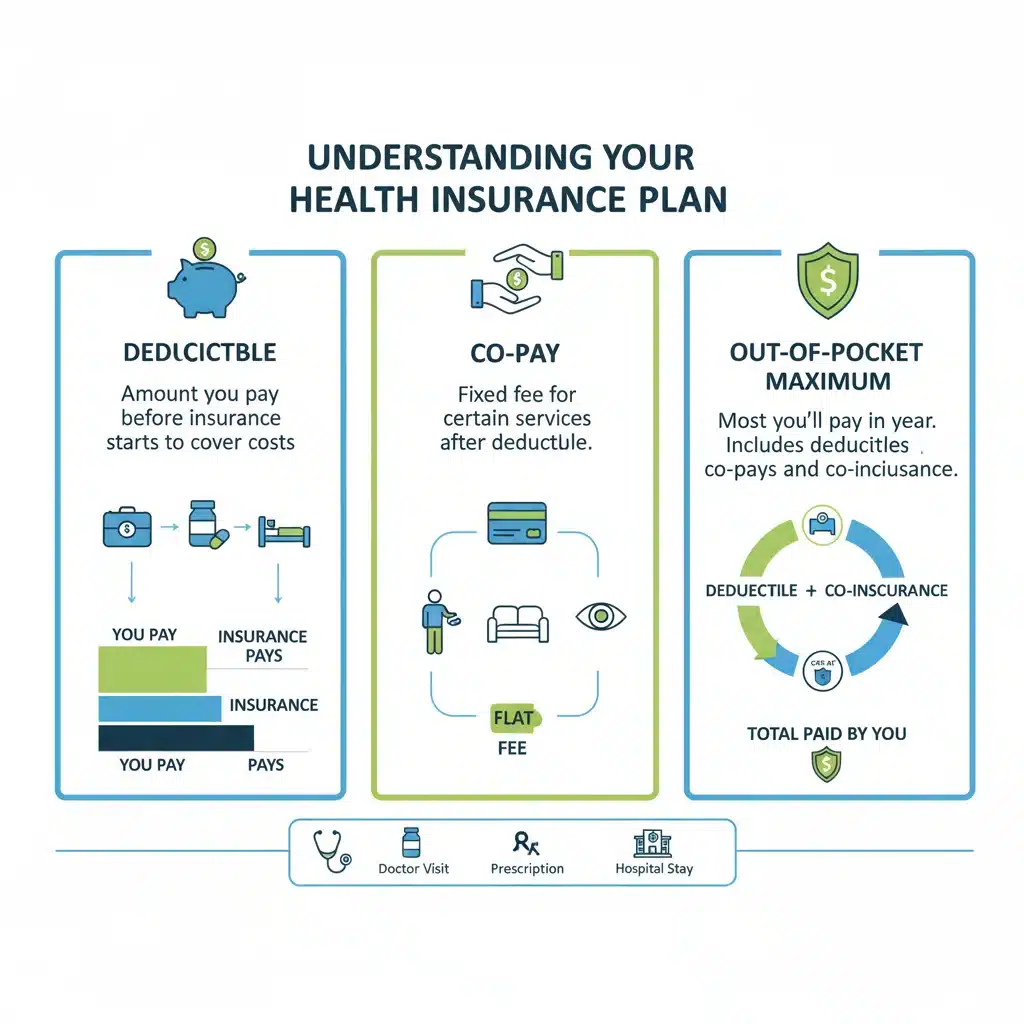
- Deductible: The amount you must pay out of pocket for medical services before your insurance begins to pay.
- Copayment (Copay): A fixed amount you pay for a covered health service after you’ve paid your deductible.
- Coinsurance: Your share of the cost of a covered health service, calculated as a percentage (e.g., 20%) after you’ve met your deductible.
- Out-of-Pocket Maximum: The most you have to pay for covered services in a plan year. After you reach this amount, your health plan pays 100% of the costs.
Choosing the right health insurance plan for 2026 involves assessing your health needs, financial situation, and risk tolerance. Consider factors such as your current health status, anticipated medical expenses, and the network of doctors and hospitals you prefer. Many employers offer health insurance as part of their benefits package, but individuals can also purchase plans through government marketplaces (like Healthcare.gov in the U.S.) or directly from insurance providers.
Auto Insurance: Protecting Your Ride and Your Liabilities
For anyone who drives, auto insurance is an indispensable part of basic insurance coverage. In most places, it’s also legally required. Auto insurance protects you financially in the event of a car accident, theft, or other damages to your vehicle. More importantly, it provides liability coverage, which protects you if you’re at fault for an accident that causes injury or damage to others.
Key components of a standard auto insurance policy include:
- Liability Coverage: This is often the most crucial part. It pays for damages and injuries you cause to other people and their property in an accident where you are at fault. It typically has two parts: bodily injury liability (for medical expenses, lost wages, and pain and suffering of others) and property damage liability (for damage to other vehicles or property).
- Collision Coverage: This pays for damage to your own vehicle resulting from a collision with another car or object, regardless of who is at fault.
- Comprehensive Coverage: This covers damage to your car from non-collision incidents, such as theft, vandalism, fire, natural disasters, or hitting an animal.
- Uninsured/Underinsured Motorist Coverage (UM/UIM): This protects you if you’re involved in an accident with a driver who doesn’t have insurance or doesn’t have enough insurance to cover your damages.
- Personal Injury Protection (PIP) or Medical Payments (MedPay): These cover medical expenses for you and your passengers, regardless of who is at fault for the accident. PIP may also cover lost wages and other related expenses.
When selecting auto insurance for 2026, consider factors such as your vehicle’s value, your driving habits, and your budget. Higher deductibles can lower your premiums, but mean you’ll pay more out-of-pocket after an accident. Discounts are often available for safe drivers, good students, bundling policies (e.g., auto and home insurance), and vehicles with safety features. It’s wise to compare quotes from multiple insurers to find the best balance of coverage and cost.
Beyond legal requirements, adequate auto insurance provides vital financial protection. A serious accident can lead to astronomical medical bills, extensive vehicle repairs, and potential lawsuits. Having robust basic insurance coverage for your vehicle ensures that you are prepared for these eventualities, minimizing financial stress during a difficult time.
Homeowner’s or Renter’s Insurance: Safeguarding Your Dwelling and Possessions
Whether you own your home or rent, protecting your living space and personal belongings is another cornerstone of basic insurance coverage. Homeowner’s insurance is essential for property owners, while renter’s insurance is crucial for those who lease their homes.
Homeowner’s Insurance
Homeowner’s insurance protects your home and its contents against damage from perils like fire, theft, vandalism, and natural disasters (excluding floods and earthquakes, which usually require separate policies). It also provides liability coverage in case someone is injured on your property.
Key coverages typically include:
- Dwelling Coverage: Protects the structure of your home (walls, roof, foundation).
- Other Structures Coverage: Covers detached structures on your property, like garages or sheds.
- Personal Property Coverage: Protects your belongings, such as furniture, electronics, and clothing, even if they’re stolen away from home.
- Loss of Use Coverage: Pays for additional living expenses (like hotel stays and meals) if your home becomes uninhabitable due to a covered loss.
- Liability Coverage: Protects you if someone is injured on your property and you’re found legally responsible, or if you accidentally cause damage to someone else’s property.
When choosing homeowner’s insurance for 2026, consider the replacement cost of your home and belongings, not just their market value. Ensure your policy covers potential risks specific to your area, such as hurricanes or wildfires. An umbrella policy can provide additional liability coverage beyond the limits of your homeowner’s policy.
Renter’s Insurance
Many renters mistakenly believe their landlord’s insurance covers their personal belongings. This is incorrect. A landlord’s policy covers the building structure, but not the tenant’s possessions. Renter’s insurance fills this gap, providing essential basic insurance coverage for renters.
Renter’s insurance typically includes:
- Personal Property Coverage: Protects your belongings from perils like fire, theft, and vandalism, whether they’re in your apartment or elsewhere.
- Liability Coverage: Protects you if someone is injured in your rented space and you are found responsible, or if you accidentally damage the landlord’s property.
- Additional Living Expenses: Covers costs if you need to temporarily relocate because your rented unit becomes uninhabitable due to a covered event.
Renter’s insurance is generally very affordable and offers significant peace of mind for a small monthly premium. It’s a vital part of basic insurance coverage for anyone not owning their residence.

Life Insurance: Securing Your Loved Ones’ Future
While health, auto, and home insurance protect your present assets and well-being, life insurance provides crucial financial protection for your loved ones in the future. It’s a vital component of basic insurance coverage, especially for those with dependents or significant financial obligations.
Life insurance pays a death benefit to your chosen beneficiaries upon your passing. This money can be used to cover funeral expenses, replace lost income, pay off debts (like mortgages or student loans), fund education, or provide a financial cushion for your family’s long-term needs. It ensures that your loved ones are not left in financial distress during an already difficult time.
There are two primary types of life insurance:
- Term Life Insurance: This type provides coverage for a specific period (e.g., 10, 20, or 30 years). It’s generally more affordable than permanent life insurance and is ideal for covering financial obligations that will eventually end, such as a mortgage or childcare expenses. If you die within the term, your beneficiaries receive the death benefit. If you outlive the term, the policy expires, and there’s no payout.
- Permanent Life Insurance: This type provides coverage for your entire life, as long as premiums are paid. It also includes a cash value component that grows over time on a tax-deferred basis, which you can borrow against or withdraw from. Common types include Whole Life and Universal Life insurance. While more expensive, permanent life insurance offers lifelong coverage and potential for cash value accumulation.
When deciding on life insurance for 2026, consider how much coverage you need. A common guideline is to aim for 5-10 times your annual income, but a more detailed assessment should include an analysis of your debts, future expenses (like college tuition), and your family’s ongoing living costs. The younger and healthier you are, the more affordable life insurance tends to be, making it a wise investment to consider early in life.
Life insurance is not just for income earners; stay-at-home parents also provide invaluable services whose loss would incur significant financial costs (e.g., childcare, housekeeping). Therefore, their contributions should also be considered when planning for basic insurance coverage.
Navigating the Insurance Market in 2026: Key Considerations
As we advance towards 2026, the insurance market continues to evolve, presenting both opportunities and challenges. Here are some key considerations to keep in mind when reviewing or purchasing your basic insurance coverage:
- Review Your Policies Annually: Life circumstances change rapidly. A new job, marriage, birth of a child, purchase of a home, or even a significant pay raise can all impact your insurance needs. Reviewing your policies annually ensures your coverage remains adequate and aligned with your current situation. Don’t wait until a major life event; make it a habit.
- Understand Policy Details: Don’t just focus on the premium. Read the fine print, understand your deductibles, coverage limits, exclusions, and claims process. Knowing these details upfront can prevent unpleasant surprises later. If something is unclear, ask your agent or insurer for clarification.
- Shop Around and Compare: Insurance premiums and coverage options can vary significantly between providers. Utilize online comparison tools, consult with independent insurance agents, and get multiple quotes for the same level of coverage. This can lead to substantial savings without compromising on protection.
- Consider Bundling: Many insurance companies offer discounts if you purchase multiple policies (e.g., auto and home insurance) from them. Bundling can simplify your insurance management and often result in lower overall premiums.
- Leverage Technology: The insurance industry is increasingly digital. Many insurers offer user-friendly apps and online portals for managing policies, making payments, and filing claims. Telematics (for auto insurance) and smart home devices (for home insurance) can also offer discounts based on your behavior and security measures.
- Assess Your Risk Tolerance: Your personal risk tolerance plays a role in how much coverage you need and what deductibles you’re comfortable with. If you have a robust emergency fund, you might opt for higher deductibles to lower premiums. If you prefer maximum peace of mind, you might choose lower deductibles and more comprehensive coverage.
- Stay Informed on Regulatory Changes: Insurance regulations can change, impacting coverage requirements, consumer protections, and even premium structures. Staying informed about these changes, especially for health insurance marketplaces, can help you make timely adjustments to your policies.
- Consult with a Financial Advisor: For complex financial situations or if you’re unsure about the right level of basic insurance coverage, consulting with a qualified financial advisor can be invaluable. They can help you integrate your insurance strategy with your broader financial plan.
Beyond the Basics: Other Important Insurance Types
While health, auto, home/renter’s, and life insurance form the core of basic insurance coverage, several other types of insurance might be crucial depending on your specific needs and circumstances. These include:
- Disability Insurance: This replaces a portion of your income if you become unable to work due to illness or injury. Both short-term and long-term disability policies are available and are especially important if you rely heavily on your income to support yourself and your family.
- Long-Term Care Insurance: Covers the costs of long-term care services, such as nursing home care, assisted living, or in-home care, which are typically not covered by standard health insurance or Medicare. This is a critical consideration for retirement planning.
- Umbrella Insurance: Provides additional liability coverage beyond the limits of your homeowner’s and auto insurance policies. It kicks in when the liability limits of your primary policies are exhausted, offering an extra layer of protection against significant lawsuits.
- Travel Insurance: Protects against financial losses and health emergencies that can occur while traveling, including trip cancellations, medical emergencies abroad, and lost luggage.
- Pet Insurance: Helps cover veterinary expenses for your pets, including accidents, illnesses, and routine care.
Assessing whether these additional policies are necessary involves evaluating your personal risks, assets, and financial goals. While they might not be considered part of universal basic insurance coverage, they can play a significant role in a comprehensive risk management strategy for many individuals.
The Future of Basic Insurance Coverage: Trends for 2026 and Beyond
The insurance industry is not static; it’s constantly adapting to new technologies, societal changes, and emerging risks. Looking towards 2026 and beyond, several trends are likely to shape the future of basic insurance coverage:
- Personalization and Customization: Expect more tailored insurance products driven by data analytics and AI. Policies will become increasingly customized to individual behaviors, lifestyles, and specific risk profiles, moving away from one-size-fits-all solutions.
- Rise of Insurtech: Technology-driven insurance companies (Insurtechs) will continue to disrupt the market, offering streamlined digital experiences, innovative products, and more competitive pricing through efficient operations.
- Increased Focus on Preventive Measures: Insurers are likely to incentivize preventive behaviors more actively. For example, health insurers might offer rewards for healthy lifestyles, and auto insurers might use telematics to encourage safer driving, potentially leading to lower premiums.
- Climate Change Impact: As climate-related disasters become more frequent and severe, the cost and availability of property insurance (especially for homes in high-risk areas) will be significantly impacted. Expect changes in coverage options and pricing to reflect these evolving environmental risks.
- Cybersecurity Insurance: While not traditionally part of basic coverage for individuals, personal cybersecurity insurance might become more common. With the increasing threat of identity theft and cyberattacks, policies protecting against digital risks could become a standard offering.
- Embedded Insurance: This trend involves integrating insurance directly into the purchase of a product or service (e.g., buying flight insurance when booking a ticket, or appliance insurance at the point of sale). This makes obtaining coverage more seamless and convenient.
These trends highlight a future where insurance is more integrated into our daily lives, more responsive to individual needs, and more proactive in mitigating risks. Staying abreast of these developments will be key to ensuring your basic insurance coverage remains relevant and effective.
Conclusion: Building Your Resilient Financial Future with Basic Insurance Coverage
In conclusion, understanding and securing adequate basic insurance coverage is an indispensable element of responsible financial planning for 2026 and the foreseeable future. It’s not merely a cost but an investment in your peace of mind and the financial stability of your loved ones. By proactively addressing potential risks through health, auto, home/renter’s, and life insurance, you create a robust protective layer against life’s inevitable uncertainties.
The journey to comprehensive coverage begins with education and diligent research. Take the time to assess your individual needs, compare policy options from various providers, and understand the intricate details of each plan. Don’t hesitate to seek professional advice from insurance agents or financial advisors who can guide you through the complexities and help you tailor a plan that aligns with your unique circumstances and financial goals. Remember to review your policies regularly to ensure they evolve with your changing life stages and needs.
As the world continues to change, so too will the insurance landscape. Embracing new technologies and staying informed about industry trends will empower you to make intelligent choices that secure your assets, safeguard your health, and protect your family’s future. Investing in the right basic insurance coverage today is the smartest way to build a resilient financial foundation for tomorrow.