Education Funding 2026: Navigating Legislative Changes and Future Impact

Understanding the intricate web of education funding is crucial for educators, policymakers, parents, and community members alike. As we approach 2026, significant legislative changes are on the horizon, promising to reshape how schools are funded, resources are allocated, and educational outcomes are achieved. These shifts in education funding 2026 are not merely budgetary adjustments; they represent a potential paradigm shift in national and state educational priorities, demanding careful attention and proactive preparation.
The landscape of educational finance is perpetually dynamic, influenced by economic conditions, political agendas, and societal demands. Every few years, legislative bodies at both federal and state levels review, revise, and introduce new policies that directly impact the financial health and operational capabilities of educational institutions. The upcoming changes for 2026 are particularly noteworthy, with discussions revolving around equity, innovation, teacher compensation, and support for vulnerable student populations. Staying informed about these developments is not just a matter of compliance; it’s about ensuring the continued vitality and effectiveness of our education system.
This comprehensive guide will delve into the anticipated legislative changes affecting education funding 2026, exploring their potential implications, and offering insights into how stakeholders can navigate this evolving environment. We will examine the driving forces behind these changes, dissect the specifics of proposed legislation, and discuss strategies for adaptation and advocacy. Our goal is to provide a clear, actionable understanding of what to expect and how to prepare for the future of education finance.
The Legislative Impetus Behind Education Funding 2026 Changes
Before we dissect the specifics, it’s essential to understand the philosophical and practical underpinnings of the legislative changes impacting education funding 2026. Several key factors are driving these reforms:
Addressing Educational Equity Gaps
One of the most persistent challenges in education has been the disparity in resources and outcomes among different student groups and geographic regions. Many of the proposed legislative changes aim to address these long-standing equity gaps. This often involves re-evaluating funding formulas to direct more resources towards districts serving high-need students, such as those from low-income families, students with disabilities, or English language learners. The goal is to ensure that every student, regardless of their background or location, has access to a high-quality education.
Responding to Post-Pandemic Educational Needs
The COVID-19 pandemic exposed and exacerbated numerous vulnerabilities within the education system. Learning loss, mental health challenges, and the digital divide became more pronounced. As a result, a significant portion of the legislative efforts for education funding 2026 is focused on recovery and resilience. This includes funding for academic interventions, mental health support services, technology infrastructure upgrades, and professional development for educators to adapt to new teaching modalities.
Teacher Recruitment and Retention Crisis
The nation faces a growing crisis in teacher recruitment and retention. Legislative changes are increasingly recognizing the critical role of highly qualified educators and are proposing measures to enhance teacher salaries, provide incentives for entering and staying in the profession, and support ongoing professional development. Adequate funding is paramount to attracting and retaining the best talent in our classrooms.
Focus on Innovation and Future-Ready Skills
The demands of the 21st-century economy require students to possess a different set of skills than previous generations. Legislators are keen to support educational innovation, including funding for STEM programs, vocational training, digital literacy initiatives, and personalized learning approaches. The aim is to equip students with the skills necessary to thrive in a rapidly evolving global landscape. These investments are integral to the future of education funding 2026.
Key Federal and State Level Shifts in Education Funding 2026
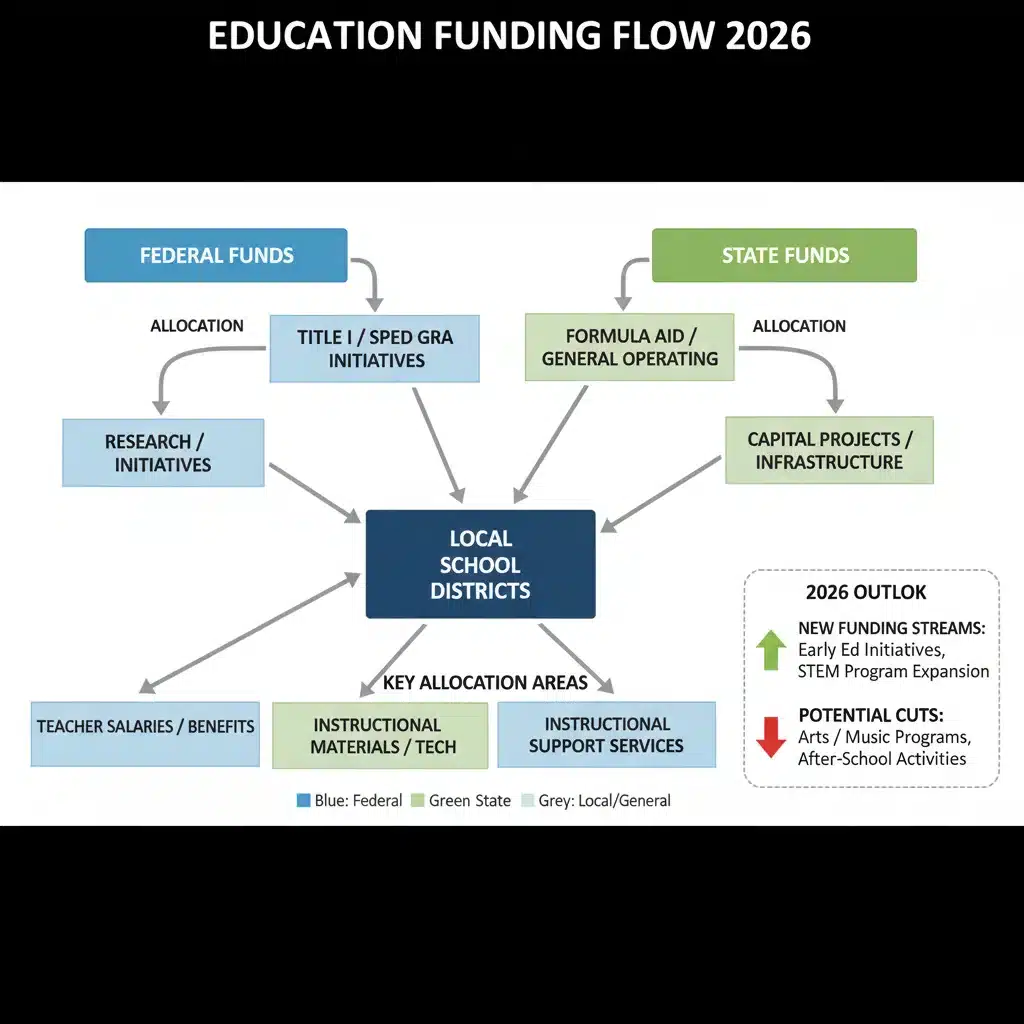
While the specifics of legislation can vary widely, several overarching themes and proposed changes are emerging at both federal and state levels. It’s crucial for stakeholders to monitor both spheres, as they often interact and influence each other.
Federal Initiatives and Their Impact
At the federal level, discussions often center around reauthorizations of major education acts, changes to Title programs (such as Title I for disadvantaged students), and adjustments to special education funding (IDEA). For education funding 2026, we might see:
- Increased Investment in High-Poverty Schools: A continued or enhanced focus on Title I funding, potentially with revised allocation formulas to better target resources to the most impoverished districts.
- Special Education Funding Reform: Debates around increasing the federal share of special education costs, which has historically fallen short of the promised 40% under IDEA.
- Early Childhood Education Expansion: Potential new or expanded federal grants to support universal pre-kindergarten programs or enhance the quality of existing early learning initiatives.
- Workforce Development and Career Technical Education (CTE): Renewed emphasis and funding for programs that bridge the gap between education and employment, preparing students for in-demand careers.
State-Level Funding Formula Revisions
States are the primary funders of K-12 education, and many are actively reviewing and revising their school funding formulas. These formulas dictate how state aid is distributed to local school districts and are often complex, considering factors like student enrollment, poverty rates, special education needs, and local tax capacity. For education funding 2026, common state-level changes include:
- Weighted Student Funding: Many states are moving towards or refining weighted student funding models, where additional funds are allocated for students with specific needs (e.g., low-income, English learners, students with disabilities).
- Property Tax Reform: Efforts to reduce reliance on local property taxes for school funding, aiming to mitigate inequities between property-rich and property-poor districts. This could involve increased state equalization aid.
- Performance-Based Funding: Some states are exploring linking a portion of funding to specific educational outcomes or performance metrics, though this approach remains controversial.
- Infrastructure and Technology Grants: Dedicated state funds for modernizing school facilities, improving digital infrastructure, and providing devices for students.

Potential Impact of New Education Funding 2026 Policies
The legislative changes, once enacted, will have far-reaching consequences across the educational ecosystem. Understanding these potential impacts is crucial for effective planning and adaptation.
Impact on School Districts and Local Budgets
For school districts, changes in education funding 2026 can mean significant shifts in their overall budgets. Districts that stand to gain from new equity-focused formulas may see an influx of resources, allowing them to expand programs, hire more staff, or invest in new technologies. Conversely, districts that lose out under revised formulas might face difficult decisions regarding program cuts, staff reductions, or increased local tax levies.
District leaders will need to meticulously analyze the new funding streams, understand reporting requirements, and strategically allocate resources to maximize the benefit for their students. This often involves a delicate balancing act between immediate needs and long-term strategic goals.
Impact on Teachers and Staff
As mentioned, teacher compensation and professional development are key areas of focus. Increased funding could lead to higher salaries, improved benefits, and more opportunities for ongoing training. This, in turn, could boost morale, reduce turnover, and attract more talented individuals to the teaching profession. However, if funding is tied to specific performance metrics, it could also introduce new pressures and accountability measures for educators.
Impact on Students and Educational Programs
Ultimately, the goal of education funding 2026 changes is to improve student outcomes. Increased resources could translate into smaller class sizes, more individualized support, expanded extracurricular activities, enhanced mental health services, and access to advanced curricula. Students in historically underserved communities could see the most significant positive changes, leading to a more equitable educational experience. Conversely, funding cuts could lead to reduced services, fewer program options, and larger class sizes, potentially widening achievement gaps.
Impact on Community and Parental Involvement
Changes in education funding can also influence community and parental engagement. When schools receive more resources, they often have the capacity to offer more community programs, family engagement initiatives, and partnerships. Conversely, budgetary constraints can limit these outreach efforts. Informed parents and community members can play a vital role in advocating for adequate funding and holding elected officials accountable for their decisions regarding education funding 2026.
Navigating the New Landscape: Strategies for Stakeholders
Given the anticipated shifts in education funding 2026, proactive engagement and strategic planning are essential for all stakeholders.
For School Leaders and Administrators:
- Stay Informed and Analyze: Continuously monitor legislative developments at both federal and state levels. Understand the nuances of new funding formulas and eligibility criteria. Engage with state education departments and professional organizations to get the latest information.
- Strategic Budgeting and Resource Allocation: Develop flexible budget models that can adapt to changing funding streams. Prioritize spending based on student needs and educational goals, aligning resource allocation with the new legislative mandates.
- Advocacy and Collaboration: Build strong relationships with local, state, and federal policymakers. Advocate for policies that benefit your students and community. Collaborate with other districts to amplify your voice and share best practices.
- Professional Development Investment: If new funding allows, invest in targeted professional development for teachers and staff to address areas of need identified by the new legislation (e.g., social-emotional learning, digital instruction).
- Data-Driven Decision Making: Utilize data to demonstrate the impact of current programs and justify funding requests. Strong data can be a powerful tool in advocating for increased or sustained resources.
For Teachers and Educators:
- Understand the ‘Why’: Familiarize yourself with the legislative intent behind the funding changes. Understanding the goals can help you better align your teaching practices and classroom needs with available resources.
- Identify Professional Growth Opportunities: Look for professional development opportunities that are funded or supported by new legislative initiatives. This could enhance your skills and career trajectory.
- Advocate for Your Students: Share success stories and challenges with school leaders and policymakers. Your direct experience in the classroom provides invaluable insights into the real-world impact of funding decisions.
- Collaborate and Share: Work with colleagues to share resources, strategies, and insights on how to best utilize new funding or adapt to changes.
For Parents and Community Members:
- Get Informed: Attend school board meetings, read local news, and follow reputable education news sources to understand how education funding 2026 changes will affect your local schools.
- Engage with School Leadership: Communicate with school principals and district administrators to understand their priorities and challenges under the new funding environment.
- Become an Advocate: Contact your elected officials at all levels of government. Share your perspectives on the importance of adequate and equitable education funding. Join parent-teacher organizations (PTOs/PTAs) or local education advocacy groups.
- Support Local Initiatives: If your district faces funding challenges, consider supporting local referendums, bond measures, or fundraising efforts that aim to supplement state and federal funding.
Anticipating Challenges and Opportunities in Education Funding 2026
While the legislative changes aim to improve education, they are not without potential challenges. Districts may struggle with complex new reporting requirements, the volatility of funding streams tied to economic performance, or the difficult task of reallocating resources from established programs to new priorities. Additionally, political shifts could always alter or reverse previously enacted policies, creating uncertainty.
However, these changes also present significant opportunities. Increased funding for equity initiatives could genuinely transform outcomes for marginalized students. Investments in technology and innovative teaching methods could prepare all students for a future that demands adaptability and critical thinking. Enhanced support for teachers could revitalize the profession and ensure a high-quality workforce for generations to come. The emphasis on early childhood education could lay a stronger foundation for lifelong learning.
Case Studies and Precedents: Learning from Past Funding Reforms
To fully grasp the potential impact of education funding 2026, it’s beneficial to look at historical precedents. Past funding reforms, both successful and challenging, offer valuable lessons. For instance, states that implemented comprehensive weighted student funding models often saw improvements in resource distribution to high-need areas, but also faced implementation hurdles related to data collection and formula adjustments. Federal initiatives like the No Child Left Behind Act, while controversial, significantly influenced accountability and reporting requirements, demonstrating the far-reaching impact of national policy.
Analyzing these historical cases can help stakeholders anticipate potential pitfalls, understand the importance of robust data infrastructure, and recognize the need for ongoing evaluation and adjustment of new policies. The success of any funding reform hinges not just on the legislation itself, but on its effective implementation and the willingness of all parties to adapt and collaborate.
The Role of Data and Accountability in Education Funding 2026
A recurring theme in modern education policy, and particularly in the discussions surrounding education funding 2026, is the emphasis on data-driven decision-making and accountability. Legislators are increasingly demanding evidence that funding is being used effectively and is leading to measurable improvements in student outcomes. This means:
- Enhanced Data Collection: Schools and districts will likely face more rigorous requirements for collecting and reporting data on student demographics, academic performance, program participation, and resource allocation.
- Performance Metrics: Funding may be tied, either directly or indirectly, to specific performance indicators, such as graduation rates, test scores, college enrollment, or career readiness.
- Transparency: There will be a continued push for greater transparency in how education funds are spent, allowing the public to see where resources are going and what impact they are having.
For school leaders, this translates into a need for robust data systems, staff trained in data analysis, and a culture of continuous improvement based on evidence. Demonstrating accountability will be key to securing and sustaining future funding streams.
Conclusion: Preparing for the Future of Education Funding 2026
The legislative changes impacting education funding 2026 represent a critical juncture for the American education system. These reforms have the potential to address long-standing inequities, support educational recovery, empower educators, and prepare students for future success. However, realizing these potentials requires vigilance, adaptability, and collaborative effort from all stakeholders.
By staying informed about federal and state legislative developments, understanding the nuances of new funding formulas, engaging in strategic planning, and advocating for the needs of students and schools, we can collectively navigate this evolving landscape. The future of education funding is not just about budgets; it’s about the future of our children, our communities, and our nation. Let us embrace these changes with foresight and determination, ensuring that every student has the opportunity to thrive in 2026 and beyond.
The journey through the evolving world of education funding 2026 will undoubtedly present its share of complexities, but with informed action and a shared commitment to educational excellence, we can shape a more equitable and effective system for all.
Author