Navigating US Labor Laws 2026: Essential Worker Rights & Employer Compliance

Navigating US Labor Laws 2026: Essential Worker Rights & Employer Compliance
As the calendar pages turn towards January 2026, a significant shift is on the horizon for the American workforce and employer landscape. The United States is poised to implement a series of crucial updates to its labor laws, designed to address evolving economic realities, technological advancements, and societal expectations. For both employees and businesses, understanding these forthcoming changes is not just beneficial, but absolutely essential for ensuring compliance, protecting rights, and fostering a fair and productive work environment. This comprehensive guide delves into the specifics of the latest US labor laws 2026, offering insights into what every worker needs to know and what every employer must prepare for.
The intricate tapestry of labor legislation in the U.S. is constantly being rewoven. From minimum wage adjustments to new protections against discrimination, from expanded family leave policies to updated gig economy regulations, the scope of these changes is broad and impactful. Our aim is to demystify these complex legal frameworks, providing clear, actionable information that empowers you to navigate the new landscape with confidence. Whether you’re an individual seeking to understand your rights, a human resources professional preparing your organization, or a business owner striving for compliance, this article is your definitive resource.
The Evolving Landscape of US Labor Laws: Why 2026 Matters
The year 2026 marks a pivotal moment in the history of American labor. Driven by a combination of federal legislative initiatives, landmark court rulings, and increasing advocacy for worker protections, the upcoming changes reflect a concerted effort to modernize and strengthen the legal framework governing employment. These updates are not isolated incidents but rather part of a broader trend towards greater equity, transparency, and security in the workplace. Ignoring these new regulations could lead to significant legal repercussions for employers and a deprivation of entitled benefits for employees. Therefore, staying ahead of the curve regarding US labor laws 2026 is paramount.
Key Drivers Behind the 2026 Labor Law Changes
- Economic Inequality: Persistent concerns about wage stagnation and the growing gap between executive compensation and average worker pay have fueled calls for stronger minimum wage laws and greater pay transparency.
- Technological Disruption: The rise of the gig economy, remote work, and automation has created new challenges and opportunities, necessitating updated regulations around worker classification, data privacy, and digital surveillance.
- Social Justice Movements: Heightened awareness of systemic discrimination and harassment has led to demands for more robust protections against workplace bias, including expanded definitions of protected classes and enhanced enforcement mechanisms.
- Public Health Crises: Lessons learned from recent global health events have underscored the need for improved paid sick leave policies, workplace safety protocols, and flexible work arrangements.
- Unionization Efforts: A renewed interest in labor organizing and collective bargaining has prompted discussions around strengthening workers’ rights to form unions and engage in protected concerted activities.
Understanding the Core Pillars of New US Labor Laws 2026
While the specifics of each legislative change can be intricate, several overarching themes and critical areas of focus emerge when examining the US labor laws 2026. These pillars represent the foundational shifts that will impact nearly every aspect of employment.
1. Minimum Wage and Overtime Revisions
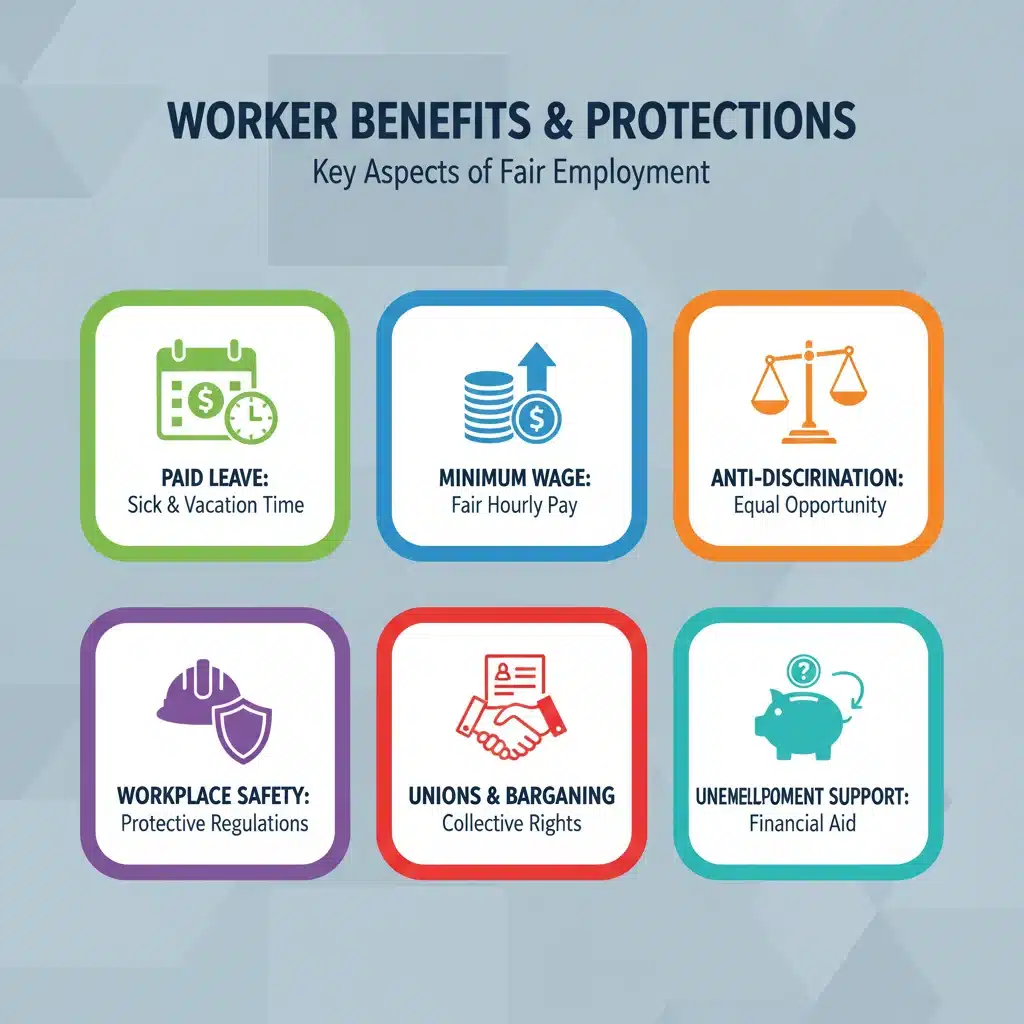
One of the most anticipated changes concerns the federal minimum wage. While states and localities often set their own higher minimums, a federal adjustment could significantly impact workers in areas with lower prevailing wages. Furthermore, updates to overtime regulations, particularly regarding the salary threshold for exemption from overtime pay, are expected. This means more salaried employees might become eligible for overtime, requiring employers to re-evaluate compensation structures and work schedules. The aim is to ensure that full-time workers earn a living wage and are fairly compensated for hours worked beyond the standard workweek. Employers must review their classification of employees (exempt vs. non-exempt) and wage payment practices to ensure full compliance with these updated federal standards and any concurrent state-level adjustments that might arise in response.
2. Enhanced Worker Classification Guidelines
The classification of workers as either employees or independent contractors has been a contentious issue for years, particularly with the proliferation of the gig economy. The new US labor laws 2026 are expected to provide clearer, more stringent guidelines for determining worker status. This is crucial because misclassification can lead to significant penalties for employers, including back wages, unpaid taxes, and violations of various labor protections. For workers, proper classification ensures access to vital benefits like minimum wage, overtime pay, unemployment insurance, and workers’ compensation. Companies heavily reliant on contract workers will need to thoroughly audit their relationships and potentially reclassify some individuals, which could have substantial operational and financial implications.
3. Expanded Paid Leave and Family Support
Building on existing frameworks like the Family and Medical Leave Act (FMLA), the 2026 updates are likely to expand access to paid sick leave, paid family leave, and potentially introduce new forms of paid time off. This reflects a growing recognition of the importance of work-life balance and the need for employees to care for themselves and their families without facing financial hardship. These changes could include broader qualifying reasons for leave, longer leave durations, or more inclusive definitions of family members. Employers will need to update their leave policies, communicate these changes effectively to their workforce, and ensure their payroll and HR systems can accurately track and administer these new leave entitlements. The goal is to support a healthier and more resilient workforce, reducing stress and improving overall productivity.
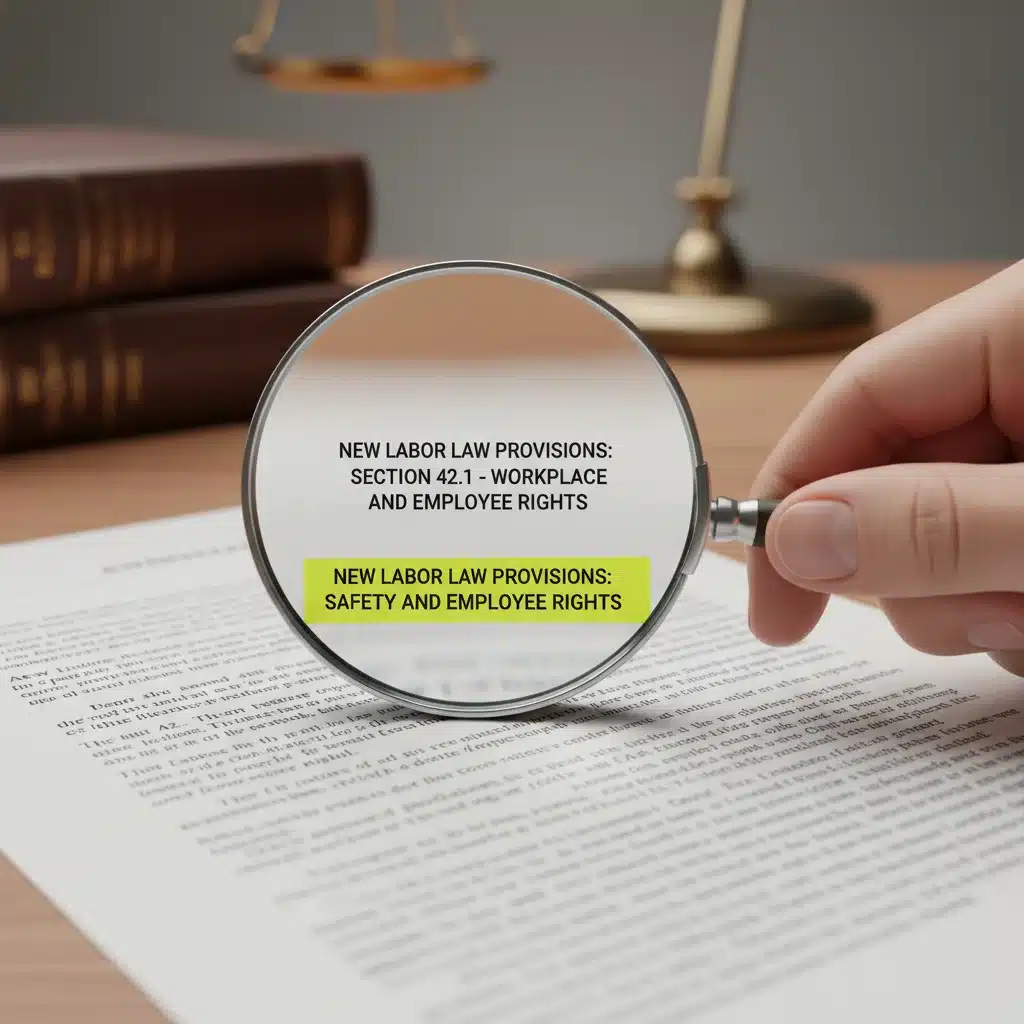
4. Strengthened Anti-Discrimination and Harassment Protections
The fight against discrimination and harassment in the workplace remains a top priority. The US labor laws 2026 are anticipated to introduce stronger protections against various forms of discrimination, including those based on race, gender, religion, sexual orientation, gender identity, disability, and age. This could involve expanding the scope of protected characteristics, enhancing enforcement powers for agencies like the Equal Employment Opportunity Commission (EEOC), and mandating more comprehensive anti-harassment training for all employees and management. Employers will be required to review and update their anti-discrimination policies, investigatory procedures, and training programs to ensure they are robust and effective in creating inclusive and respectful workplaces. Proactive measures to prevent discrimination and harassment will be more critical than ever.
5. Workplace Safety and Health Enhancements
Worker safety continues to be a cornerstone of labor legislation. While the Occupational Safety and Health Act (OSHA) provides a strong foundation, the 2026 updates may introduce new regulations to address emerging workplace hazards, particularly those related to mental health, ergonomics in remote work settings, and infectious disease prevention. This could mean more specific requirements for hazard assessments, personal protective equipment (PPE), and employee training. Employers will need to re-evaluate their safety protocols, conduct updated risk assessments, and invest in necessary equipment and training to comply with these enhanced standards. A focus on holistic employee well-being, encompassing both physical and psychological safety, is expected to be a central theme.
What These Changes Mean for Workers
For the American worker, the updated US labor laws 2026 generally translate to enhanced protections, greater financial security, and improved work-life balance. Understanding these changes is crucial for advocating for your rights and ensuring you receive the benefits you are entitled to.
Key Takeaways for Employees:
- Higher Wages and Fairer Pay: Potential increases in minimum wage and expanded overtime eligibility could boost your take-home pay. Be aware of your classification status (employee vs. contractor) and ensure it’s correct.
- Increased Leave Options: Expect more generous paid sick leave and family leave policies, providing greater flexibility to address personal and family health needs without sacrificing income.
- Stronger Anti-Discrimination Safeguards: You’ll have more robust legal recourse if you experience discrimination or harassment based on a wider range of protected characteristics.
- Safer Work Environments: New regulations may lead to improved workplace safety measures, including those addressing mental health and remote work ergonomics.
- Greater Transparency: You might see more transparency around pay scales and employer policies, empowering you with better information.
It’s important for workers to educate themselves about these new laws, know where to find official resources (such as Department of Labor websites), and understand the process for filing complaints or seeking assistance if their rights are violated. Your employer is legally obligated to inform you of these changes, but proactive self-education is always a powerful tool.
What These Changes Mean for Employers
For employers, the US labor laws 2026 represent a call to action. Proactive compliance is not just about avoiding penalties; it’s about fostering a positive work culture, attracting and retaining talent, and demonstrating corporate responsibility. The cost of non-compliance, both financial and reputational, can be substantial.
Essential Steps for Employer Compliance:
- Audit Wage and Hour Practices: Review current minimum wage adherence, overtime calculations, and employee classification to ensure alignment with new federal and state thresholds.
- Update Employee Handbooks and Policies: Revise all relevant policies, including those for paid leave, anti-discrimination, harassment, and workplace safety, to reflect the 2026 changes.
- Conduct Comprehensive Training: Implement mandatory training for all employees, especially managers and HR personnel, on the updated labor laws, focusing on discrimination, harassment prevention, and proper leave administration.
- Review Worker Classification: Scrutinize all independent contractor relationships using the new guidelines to mitigate misclassification risks.
- Enhance Workplace Safety Protocols: Update safety manuals, conduct new risk assessments, and invest in necessary equipment or training to meet evolving health and safety standards.
- Consult Legal Counsel: Engage with employment law specialists to ensure a thorough understanding of the nuances of the new laws and to develop a robust compliance strategy tailored to your organization.
- Communicate Clearly: Transparently communicate all changes to your workforce, explaining how these updates will impact their employment, rights, and benefits.
Adopting a proactive and strategic approach to these changes will not only safeguard your organization against legal challenges but also enhance your reputation as a fair and ethical employer. It’s an investment in your workforce and your business’s long-term success.
Regional Variations and State-Specific Laws
While this article focuses on federal US labor laws 2026, it is critical to remember that many states and even local municipalities have their own labor laws that often provide greater protections than federal standards. When federal and state laws conflict, the law that offers the greatest protection to the employee typically prevails. Therefore, employers with operations in multiple states must meticulously track and comply with a complex web of regulations. Workers should also be aware that their state or city may offer additional rights and benefits beyond what is mandated federally.
For example, some states may have higher minimum wages, more expansive paid family leave programs, or stricter rules regarding predictive scheduling. It is imperative for both employers and employees to consult their specific state and local labor departments for detailed information pertinent to their geographic location. This layered legal landscape underscores the complexity of labor compliance in the United States and the ongoing need for vigilance and expert advice.
The Role of Technology in Compliance and Enforcement
As US labor laws 2026 become more intricate, technology will play an increasingly vital role in both compliance and enforcement. Employers are leveraging advanced HR information systems (HRIS), payroll software, and time-tracking solutions to automate compliance, reduce errors, and maintain accurate records. These systems can help manage paid leave accruals, track overtime, ensure proper wage payments, and even facilitate mandatory training programs. The right technological infrastructure can be a game-changer in navigating the complexities of new regulations.
Conversely, regulatory bodies are also utilizing technology to identify and investigate potential violations. Data analytics and artificial intelligence can help detect patterns of non-compliance, making it easier for agencies to target enforcement efforts. For workers, digital platforms and apps are emerging as tools to better understand their rights, report violations, and access legal resources. The digital transformation of labor law is a trend that will only accelerate, making technological literacy an increasingly important asset for all stakeholders.
Looking Ahead: Future Trends Beyond 2026
The legislative process is continuous, and the US labor laws 2026 are but one snapshot in the ongoing evolution of employment regulations. Looking beyond 2026, several emerging trends are likely to shape future labor legislation:
- AI and Automation: The impact of artificial intelligence on jobs and the workplace will necessitate new laws regarding algorithmic bias, worker displacement, retraining initiatives, and the ethics of AI in hiring and performance management.
- Data Privacy: As employers collect more data on employees, robust data privacy laws, similar to GDPR in Europe, may become more prevalent in the U.S., granting workers greater control over their personal information.
- Mental Health and Well-being: Expect further legislation focusing on mental health support, stress reduction, and the right to disconnect, recognizing the profound impact of work on psychological well-being.
- Climate Change Impact: Laws related to workplace safety during extreme weather events, green jobs initiatives, and environmental protection in industry may also gain traction.
- Global Supply Chain Responsibility: Increased scrutiny on labor practices within global supply chains could lead to new regulations holding U.S. companies accountable for the working conditions of their international partners.
Staying informed about these potential future developments will be crucial for long-term strategic planning for both businesses and individuals. The dynamic nature of labor law demands continuous learning and adaptation.
Conclusion: Preparing for a New Era of Work
The upcoming changes to US labor laws 2026 are set to usher in a new era for the American workplace. These updates underscore a commitment to fostering fairer, safer, and more equitable employment conditions for all. For workers, these laws represent an expansion of fundamental rights and protections, offering greater security and opportunities for a balanced life. For employers, they present a clear mandate for compliance, demanding a thorough review of existing practices, a commitment to ongoing training, and a proactive approach to fostering a positive and legally sound work environment.
Ignoring these significant legislative shifts is not an option. Both employees and employers must take the necessary steps to understand, adapt, and comply with the new regulations. By doing so, we can collectively contribute to a more just, productive, and sustainable future for the American workforce. The time to prepare is now, ensuring that come January 2026, everyone is ready to navigate the evolving landscape of labor in the United States with confidence and clarity.
Author