Mastering the 50/30/20 Budget: Your 2026 Guide to US Financial Stability
Anúncios
Mastering the 50/30/20 Budget: Your 2026 Guide to US Financial Stability
Are you ready to take control of your finances and build a secure future? In an ever-evolving economic landscape, especially looking ahead to 2026, understanding and implementing a robust budgeting strategy is more crucial than ever. The 50/30/20 budget 2026 rule stands out as a remarkably simple yet incredibly effective framework for managing your money. This guide will walk you through everything you need to know about applying this powerful principle to achieve lasting financial stability in the United States.
Anúncios
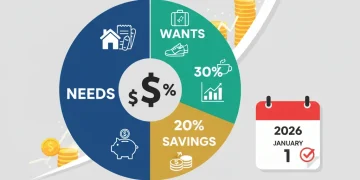
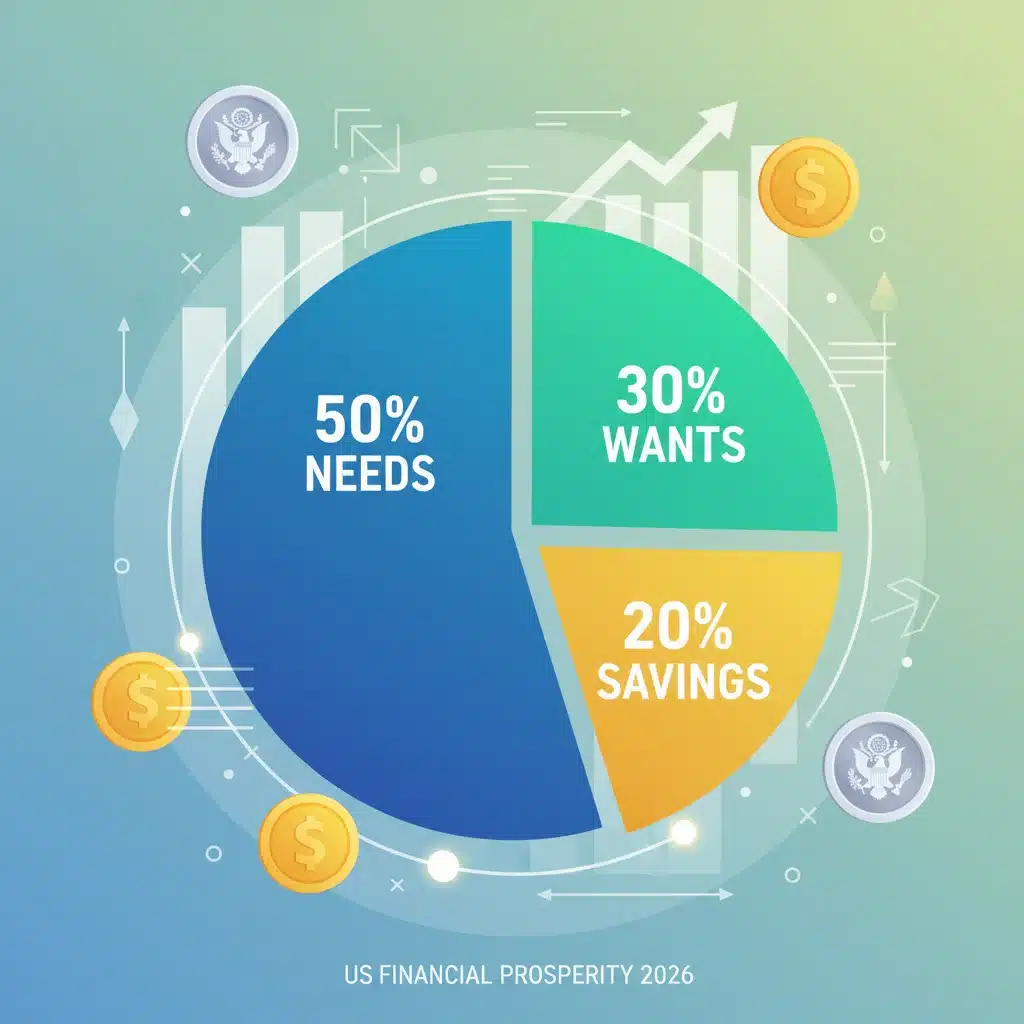
The allure of the 50/30/20 rule lies in its straightforwardness. It’s not about complex spreadsheets or restrictive deprivation; it’s about allocating your after-tax income into three distinct categories: 50% for Needs, 30% for Wants, and 20% for Savings and Debt Repayment. This balanced approach allows you to cover your essential expenses, enjoy life, and still build a strong financial foundation. As we approach 2026, with its unique economic challenges and opportunities, adapting this rule to your personal circumstances will be key to navigating financial success.
Understanding the Core Principles of the 50/30/20 Budget
Before diving into the specifics of implementing the 50/30/20 budget 2026, let’s solidify our understanding of each component. This rule, popularized by Senator Elizabeth Warren in her book ‘All Your Worth: The Ultimate Lifetime Money Plan,’ provides a flexible yet structured approach to personal finance.
Anúncios
50% for Needs: Your Essential Expenses
The largest portion of your income, 50%, should be dedicated to your needs. These are the non-negotiable expenses that are absolutely essential for living and working. Without these, your basic survival and ability to earn an income would be compromised. Identifying your needs accurately is the first critical step in successful budgeting. It’s important to distinguish between what you truly need and what you merely want, as this is where many people stumble.
What Constitutes a Need?
- Housing: Rent or mortgage payments. This is often the biggest expense for most households.
- Utilities: Electricity, gas, water, and essential internet services.
- Groceries: Food for home consumption. Focus on essentials, not gourmet items or frequent takeout.
- Transportation: Car payments, fuel, public transport fares, essential car maintenance. This is what gets you to work and allows you to run necessary errands.
- Healthcare: Insurance premiums, essential medications, and co-pays.
- Minimum Loan Payments: The minimum payments required on student loans, car loans, or credit cards to avoid penalties and maintain good credit.
- Essential Insurance: Health, car, and renters/homeowners insurance.
When calculating your needs, be honest with yourself. Can you reduce any of these expenses? For example, could you find a more affordable housing option, carpool, or cook more meals at home? The goal is to keep this category at or below 50% of your after-tax income. If your needs exceed this percentage, it’s a clear signal that you need to re-evaluate your essential living costs, which might involve making significant lifestyle adjustments or increasing your income.
30% for Wants: Enhancing Your Life
The 30% allocated to wants is where you get to enjoy the fruits of your labor. Wants are discretionary expenses that improve your quality of life but aren’t strictly necessary for survival. This category is crucial for maintaining motivation and preventing budget burnout. Life shouldn’t be all work and no play, and the 50/30/20 budget 2026 acknowledges this balance.
Examples of Wants:
- Dining Out: Restaurants, cafes, and takeout.
- Entertainment: Movies, concerts, streaming subscriptions, video games.
- Hobbies: Sports equipment, craft supplies, classes.
- Travel and Vacations: Leisure trips and getaways.
- Shopping: New clothes, gadgets, home decor (beyond essentials).
- Gym Memberships: While health is a need, a specific gym membership can be a want if there are free or cheaper alternatives.
- Premium Internet/Cable: Upgraded packages beyond basic connectivity.
- Expensive Coffee or Drinks: Daily lattes or alcoholic beverages.
The beauty of the ‘wants’ category is its flexibility. If you find yourself overspending in this area, you can easily cut back without compromising your basic needs. This is your personal spending allowance, and managing it wisely ensures you don’t feel deprived while still making progress towards your financial goals. Remember, the economic climate in 2026 might influence the cost of certain wants, so staying adaptable is key.
20% for Savings & Debt Repayment: Building Your Future
This 20% slice of your income is perhaps the most critical for long-term financial health. It’s dedicated to building your wealth and eliminating debt. This is where your money truly starts working for you, securing your future and providing peace of mind. Prioritizing this category is a hallmark of successful financial planning, especially when aiming for stability in 2026 and beyond.
Where to Allocate Your 20%:
- Emergency Fund: This is paramount. Aim for at least three to six months of living expenses in an easily accessible savings account. This protects you from unexpected job loss, medical emergencies, or other unforeseen financial shocks.
- Retirement Savings: Contributions to a 401(k), IRA, or other retirement accounts. Start early to take advantage of compound interest.
- Debt Repayment (Beyond Minimums): Aggressively paying down high-interest debt like credit card balances or personal loans. This frees up more income in the long run.
- Down Payments: Saving for a down payment on a house, car, or other significant purchase.
- Investment Accounts: Contributions to brokerage accounts for long-term growth.
If you have high-interest debt, consider prioritizing its repayment within this 20%. The interest savings can be substantial and accelerate your path to financial freedom. Once high-interest debt is managed, focus heavily on building your emergency fund and then maximizing retirement contributions. The discipline in this category directly translates to your future financial security.
Implementing the 50/30/20 Budget in 2026: A Step-by-Step Guide
Now that you understand the components, let’s put the 50/30/20 budget 2026 into action. This practical guide will help you tailor the rule to your specific financial situation.
Step 1: Calculate Your After-Tax Income
Your budgeting journey begins with knowing your net income. This is the amount of money you actually receive in your paycheck after all deductions, such as federal and state taxes, Social Security, Medicare, and any pre-tax benefits like health insurance premiums or 401(k) contributions. If your income varies, use an average or err on the side of caution with a slightly lower estimate.
Example: If your gross monthly income is $5,000 and total deductions are $1,000, your after-tax income is $4,000.
Step 2: Categorize Your Expenses
Review your bank statements and credit card bills for the last 1-3 months. List every single expense and assign it to one of the three categories: Needs, Wants, or Savings/Debt Repayment. This can be an eye-opening exercise, revealing where your money truly goes.
For our $4,000 after-tax income example:
- Needs (50%): $2,000
- Wants (30%): $1,200
- Savings & Debt Repayment (20%): $800
Compare your current spending to these target percentages. Don’t be discouraged if they don’t align perfectly at first; the goal is to identify areas for adjustment.

Step 3: Adjust and Optimize
This is where the real work of implementing the 50/30/20 budget 2026 begins. If your current spending doesn’t fit the percentages, you’ll need to make adjustments.
If Needs > 50%:
This is the toughest category to adjust, as it involves essential expenses. Consider:
- Reducing housing costs: Can you find a cheaper apartment, get a roommate, or refinance your mortgage (if rates are favorable in 2026)?
- Cutting transportation costs: Carpooling, public transport, cycling, or selling an expensive car for a more economical one.
- Lowering grocery bills: Meal planning, cooking at home more often, buying generic brands, using coupons, and avoiding food waste.
- Negotiating bills: Call your internet, cable, and insurance providers to see if you can get a better deal.
- Increasing income: A side hustle, asking for a raise, or finding a higher-paying job can alleviate pressure on your needs category.
If Wants > 30%:
This is usually the easiest category to trim. Small cuts can add up quickly.
- Dining out less: Cook more at home, pack lunches.
- Reviewing subscriptions: Cancel unused streaming services, gym memberships you don’t use.
- Limiting impulse purchases: Implement a 24-hour rule before buying non-essential items.
- Finding free or low-cost entertainment: Parks, libraries, free community events.
If Savings & Debt Repayment < 20%:
If you’re not hitting the 20% mark, you’ll need to reallocate funds from your ‘wants’ category first. If that’s not enough, then look to your ‘needs’ for further reductions. Remember, this 20% is crucial for your future.
Step 4: Automate Your Savings
Make saving and debt repayment automatic. Set up automatic transfers from your checking account to your savings, investment, and debt repayment accounts immediately after you get paid. This ensures you pay yourself first and reduces the temptation to spend that money. Automation is a cornerstone of successful financial habits and critical for maintaining the 50/30/20 budget 2026.
Step 5: Monitor and Adjust Regularly
Budgeting isn’t a one-time task; it’s an ongoing process. Review your budget monthly to ensure it’s still working for you. Life changes – income fluctuates, expenses shift, and goals evolve. Be prepared to adjust your allocations as needed. Tools like budgeting apps (Mint, YNAB, Personal Capital) or even a simple spreadsheet can help you track your spending and stay on course.
The 50/30/20 Budget in the US Economic Climate of 2026
As we project into 2026, the US economic landscape will undoubtedly present its own set of challenges and opportunities. Inflation, interest rates, job market shifts, and technological advancements can all impact personal finances. The 50/30/20 budget 2026 framework remains robust because of its adaptability.
Potential 2026 Economic Factors and Your Budget:
- Inflation: If inflation persists, your ‘needs’ category might feel pressure. You may need to be even more diligent about finding cost-effective solutions for groceries, utilities, and transportation.
- Interest Rates: Fluctuating interest rates could impact mortgage payments (if adjustable), credit card interest, and the returns on your savings. This might influence your debt repayment strategies within the 20% category.
- Job Market: A strong job market could lead to higher income, allowing you to comfortably meet your 50/30/20 targets or even increase your savings rate. Conversely, job insecurity might necessitate tighter control over ‘wants’ and a stronger focus on your emergency fund.
- Technological Advances: New technologies can offer both cost savings (e.g., energy-efficient appliances) and new ‘wants’ (e.g., new gadgets, subscription services). Be mindful of how these impact your budget.
The key is to remain flexible and proactive. Regularly assess how external economic factors are influencing your income and expenses, and be ready to tweak your budget accordingly. The 50/30/20 rule provides a clear structure to make these adjustments intelligently.
Advanced Strategies and Common Pitfalls
Once you’ve mastered the basics of the 50/30/20 budget 2026, consider these advanced strategies and be aware of common pitfalls.
Advanced Strategies:
- Increase Your Savings Rate: If you consistently find yourself under budget in your ‘wants’ category, consider reallocating those extra funds to your ‘savings and debt repayment’ category. Aiming for a 25% or even 30% savings rate can dramatically accelerate your financial goals.
- Optimize Your Debt Repayment: Beyond just making minimum payments, actively use strategies like the ‘debt snowball’ or ‘debt avalanche’ method to pay down high-interest debt faster within your 20% allocation.
- Invest Wisely: Educate yourself on investment options beyond basic savings accounts. Consider diversified portfolios, index funds, or consulting a financial advisor to grow your wealth more effectively within your 20% savings.
- Income Augmentation: Look for ways to increase your income. This could be through a side hustle, freelance work, or investing in skills that lead to higher-paying opportunities. More income makes adhering to the 50/30/20 rule much easier.
Common Pitfalls to Avoid:
- Misclassifying Expenses: The most common mistake is labeling a ‘want’ as a ‘need.’ Be brutally honest with yourself. Is that daily gourmet coffee truly a need, or a want?
- Ignoring Small Expenses: The ‘latte factor’ is real. Small, frequent purchases can erode your ‘wants’ budget quickly. Track every dollar, especially when you’re starting out.
- Not Tracking Spending: A budget is useless if you don’t know where your money is going. Use an app, a spreadsheet, or a notebook to regularly track your expenditures.
- Being Too Restrictive: While discipline is important, being overly restrictive can lead to budget burnout. The 30% ‘wants’ category is there for a reason – allow yourself some enjoyment!
- Giving Up After a Slip-Up: Everyone makes budgeting mistakes. Don’t let one overspend derail your entire plan. Acknowledge it, learn from it, and get back on track. Consistency, not perfection, is the goal.
- Not Reviewing Regularly: Your financial situation and goals will change. A budget that worked perfectly six months ago might not be suitable today. Make reviewing your budget a monthly habit.

The Psychological Benefits of the 50/30/20 Budget
Beyond the numerical advantages, implementing the 50/30/20 budget 2026 offers significant psychological benefits that contribute to overall well-being and sustained financial health.
Reduced Financial Stress
One of the most immediate benefits is a reduction in financial stress. When you have a clear plan for your money, the uncertainty and anxiety often associated with personal finance diminish. You know exactly where your money is going and what it’s doing for you, leading to a greater sense of control and peace of mind.
Empowerment and Confidence
Taking an active role in managing your money is incredibly empowering. As you consistently meet your budget goals and see your savings grow or debt shrink, your confidence in your financial abilities will soar. This newfound confidence can spill over into other areas of your life, fostering a more proactive and self-assured mindset.
Clarity and Goal Setting
The 50/30/20 rule brings immense clarity to your financial picture. By categorizing expenses, you gain a deep understanding of your spending habits. This clarity makes it easier to set realistic and achievable financial goals, whether it’s saving for a down payment, retirement, or a dream vacation. Each category directly supports specific goals, making your financial journey more purposeful.
Balanced Lifestyle
Unlike overly restrictive budgets that can lead to deprivation and eventual abandonment, the 50/30/20 rule encourages a balanced approach. The 30% for ‘wants’ ensures you can still enjoy life’s pleasures without guilt, preventing burnout and making the budget sustainable in the long run. This balance is key to maintaining financial discipline over months and years, crucial for achieving long-term stability by 2026 and beyond.
Improved Decision-Making
With a budget in place, financial decisions become easier. Faced with a purchase, you can quickly assess if it falls within your ‘needs’ or ‘wants’ and if you have the allocated funds. This reduces impulsive spending and encourages thoughtful consideration before parting with your money, leading to better overall financial outcomes.
Conclusion: Your Path to Financial Freedom in 2026
The 50/30/20 budget 2026 rule is more than just a budgeting method; it’s a philosophy for financial living. Its simplicity, flexibility, and effectiveness make it an ideal framework for anyone seeking to gain control over their money and build a secure financial future in the United States. By diligently allocating your after-tax income into needs, wants, and savings/debt repayment, you create a clear roadmap to financial stability.
As we navigate the economic landscape of 2026, the principles of the 50/30/20 budget will remain timeless. Start today by calculating your income, categorizing your expenses, and making the necessary adjustments. Automate your savings, track your progress, and be prepared to adapt as life unfolds. With consistent effort and a commitment to this powerful rule, you can transform your financial habits, reduce stress, and confidently achieve your long-term financial goals. Your journey to financial freedom in 2026 starts now.
Author