Federal Work-Study Program 2026: Earning Money While You Learn

Federal Work-Study Program 2026: Earning Money While You Learn, Up to $3,000 Annually
Navigating the costs of higher education can be a daunting challenge for many students and their families. While scholarships and loans play a significant role, the Federal Work-Study Program (FWS) stands out as a unique and invaluable opportunity. For the upcoming 2026 academic year, this program continues its mission to help students earn money to pay for educational expenses while simultaneously gaining practical work experience. This comprehensive guide will delve into everything you need to know about the Federal Work-Study 2026 program, from eligibility requirements to application tips and the immense benefits it offers.
What is the Federal Work-Study Program?
The Federal Work-Study Program is a federally funded financial aid program that allows eligible students to earn money through part-time employment to help pay for their education. Unlike loans, the money earned through FWS does not need to be repaid. It’s a fantastic way to offset college costs, reduce reliance on student loans, and acquire valuable skills that can enhance your resume and future career prospects. The program emphasizes jobs that are relevant to your course of study, community service, or general career exploration, making it more than just a paycheck – it’s an investment in your future.
Administered by colleges and universities, the FWS program is designed to provide flexible work schedules that accommodate a student’s academic commitments. This means you can focus on your studies without the added stress of finding external employment that might not understand the demands of college life. For the Federal Work-Study 2026 cycle, institutions will continue to offer a variety of positions both on and off campus, ensuring a diverse range of experiences for participating students.
Key Benefits of Participating in Federal Work-Study 2026
The advantages of enrolling in the Federal Work-Study Program extend far beyond just financial assistance. Here’s a closer look at why FWS is such a beneficial opportunity:
- Earn Money for Expenses: The primary benefit is, of course, the ability to earn money. Students can use these funds for tuition, fees, books, supplies, housing, transportation, and personal expenses. While the exact amount varies, many students can earn up to $3,000 annually, significantly easing their financial burden.
- Gain Valuable Work Experience: FWS jobs often provide experience directly related to a student’s major or career interests. This hands-on experience is invaluable for building a resume, developing professional skills, and exploring potential career paths.
- Flexible Schedules: Work-study jobs are specifically designed to accommodate a student’s academic schedule. Employers understand that your studies come first, offering flexible hours that won’t interfere with classes or homework.
- Networking Opportunities: Working on campus or with community organizations allows students to connect with faculty, staff, and professionals in their field. These connections can lead to mentorship, internships, and future job opportunities.
- Develop Essential Skills: Beyond specific job tasks, FWS helps students develop soft skills crucial for any career, such as time management, communication, problem-solving, and teamwork.
- Reduced Student Loan Debt: By earning money to cover expenses, students can reduce their reliance on student loans, ultimately leading to less debt after graduation.
- Community Involvement: Many FWS positions involve community service, allowing students to contribute positively to their local community while earning money.
These benefits collectively make the Federal Work-Study 2026 program a holistic approach to student support, addressing both financial needs and professional development.
Eligibility Requirements for Federal Work-Study 2026
To be considered for the Federal Work-Study Program, students must meet several criteria established by the U.S. Department of Education. Understanding these requirements is the first step toward securing your FWS position.
General Eligibility Criteria:
- Financial Need: FWS is a need-based program. Your eligibility is determined by the information you provide on the Free Application for Federal Student Aid (FAFSA). The U.S. Department of Education calculates your Expected Family Contribution (EFC) or Student Aid Index (SAI) for future cycles, and if it indicates financial need, you may qualify.
- Enrollment Status: You must be enrolled at least half-time in an eligible degree or certificate program at a participating institution.
- U.S. Citizen or Eligible Non-Citizen: You must be a U.S. citizen or an eligible non-citizen with a valid Social Security Number.
- Satisfactory Academic Progress (SAP): You must maintain satisfactory academic progress as defined by your college or university. This typically involves maintaining a minimum GPA and completing a certain percentage of attempted credits.
- Not in Default on Federal Student Loans: You cannot be in default on any federal student loans or owe a refund on a federal student grant.
- Selective Service Registration: Males between the ages of 18 and 25 must be registered with the Selective Service System.
It’s crucial to complete your FAFSA as early as possible for the Federal Work-Study 2026 cycle. Funds for FWS are limited, and schools often award them on a first-come, first-served basis. Even if you think you might not qualify, filling out the FAFSA is essential, as it’s the gateway to all federal financial aid, including FWS.
Your school’s financial aid office will ultimately determine your eligibility and the amount of FWS funds you can receive. This amount depends on your financial need, the amount of FWS funding the school has received, and your other aid. It’s important to note that just because you are offered FWS doesn’t mean you have to accept it, nor does it guarantee you a job. It simply means you are eligible to seek out and apply for FWS-eligible positions.
How to Apply for Federal Work-Study 2026
Applying for the Federal Work-Study 2026 program is an integral part of the overall financial aid application process. Here’s a step-by-step guide to ensure you don’t miss out:
Step 1: Complete the FAFSA Early
The Free Application for Federal Student Aid (FAFSA) is the single most important document for determining your eligibility for FWS. The FAFSA for the 2026-2027 academic year typically opens on October 1st of the preceding year (e.g., October 1, 2025, for the 2026-2027 academic year). Submit it as soon as possible after it opens. This is critical because FWS funds are often limited and distributed by institutions on a first-come, first-served basis.

Step 2: Check Your Financial Aid Offer
Once your FAFSA is processed and your school has reviewed it, you will receive a financial aid offer letter. This letter will detail all the federal, state, and institutional aid you are eligible for, including whether you have been offered Federal Work-Study. The offer will typically specify the maximum amount you can earn through the program for the academic year.
Step 3: Accept the Federal Work-Study Offer (If Applicable)
If you are offered FWS, you will usually need to formally accept it through your school’s financial aid portal or by returning a signed document. Make sure to follow your institution’s specific instructions for acceptance. Accepting the offer indicates your interest in participating but does not automatically assign you a job.
Step 4: Search for FWS Jobs
After accepting your FWS offer, the next step is to find an actual job. Most colleges and universities have a dedicated career services or financial aid office that maintains a list of available FWS positions. These positions can be on-campus (e.g., library assistant, lab aide, administrative support) or off-campus (e.g., community service organizations, non-profits). Some schools also use online job boards specifically for FWS positions. Be proactive in your job search!
Step 5: Apply and Interview for Positions
Just like any other job, you’ll need to apply for positions that interest you and for which you are qualified. Prepare a resume and cover letter, and be ready for an interview. This is an excellent opportunity to practice your job search skills, which will benefit you in your future career endeavors.
Step 6: Start Working and Track Your Earnings
Once hired, you’ll begin working and earning money. Your pay will be at least the federal minimum wage, and often higher, depending on the job and your skills. Your school will pay you directly, usually on a bi-weekly or monthly basis. It’s important to remember that you cannot earn more than your total FWS award amount for the academic year. Your employer and the financial aid office will help you monitor your earnings to ensure you stay within your award limit.
Types of Federal Work-Study Jobs
The beauty of the Federal Work-Study 2026 program lies in the diversity of job opportunities it offers. While specific roles vary by institution, they generally fall into a few broad categories:
On-Campus Jobs:
- Library Assistant: Helping with shelving, circulation, and research support.
- Tutoring: Assisting fellow students in subjects where you excel.
- Departmental Assistant: Providing administrative support to academic departments.
- Lab Assistant: Aiding professors with research, setting up experiments, or maintaining lab equipment.
- Student Recreation Center Staff: Working at the gym, pool, or intramural sports facilities.
- Residential Life Assistant: Supporting dorm operations or student activities.
- IT Support: Helping with technical issues or managing computer labs.
Off-Campus Jobs (Community Service):
Many FWS positions are with non-profit organizations or public agencies, providing services that are in the public interest. These roles are particularly rewarding as they allow students to make a tangible difference in their community.
- Mentoring Programs: Working with children or young adults in educational or recreational settings.
- Literacy Programs: Helping individuals improve their reading and writing skills.
- Environmental Projects: Participating in conservation efforts or sustainability initiatives.
- Healthcare Support: Assisting in clinics, hospitals, or public health campaigns.
- Food Banks/Homeless Shelters: Providing support services to vulnerable populations.
The variety ensures that students can often find a position that aligns with their academic pursuits, personal interests, or career goals, making the experience more meaningful and beneficial.
Maximizing Your Federal Work-Study 2026 Experience
Simply getting a Federal Work-Study 2026 job is just the beginning. To truly make the most of this opportunity, consider these tips:
- Seek Relevant Experience: Prioritize jobs that align with your major or career aspirations. This turns your FWS job into a direct stepping stone for your future.
- Communicate with Your Supervisor: Establish clear expectations regarding your schedule, responsibilities, and learning goals. Regular communication can help you balance work and academics.
- Network Effectively: Build relationships with your colleagues, supervisors, and other professionals you encounter. These connections can be invaluable for future internships, job references, and career advice.
- Develop Transferable Skills: Even if a job isn’t directly related to your major, identify and cultivate transferable skills like communication, organization, problem-solving, and teamwork. These are highly valued in any profession.
- Manage Your Time Wisely: FWS jobs offer flexibility, but it’s up to you to manage your time effectively between work, classes, and social life. Create a schedule and stick to it.
- Ask for Feedback: Regularly seek feedback from your supervisor to understand areas for improvement and growth. This shows initiative and a commitment to learning.
- Update Your Resume: As you gain new skills and experiences, update your resume. Quantify your achievements whenever possible (e.g., "Assisted 20+ students weekly with math tutoring").
By taking a proactive approach, your Federal Work-Study experience can become a powerful tool for both financial stability and professional growth.
Common Misconceptions About Federal Work-Study
Despite its widespread availability, several myths surround the Federal Work-Study Program. Let’s debunk some common misconceptions about Federal Work-Study 2026:
- Myth: FWS is a loan.
Fact: FWS earnings are wages for work performed and do not need to be repaid. It is a form of financial aid, but it’s earned, not borrowed. - Myth: FWS jobs are menial or irrelevant.
Fact: While some entry-level tasks might be involved, many FWS positions offer valuable, career-related experience and skill development. Schools actively try to match students with meaningful roles. - Myth: Accepting FWS means I automatically have a job.
Fact: An FWS offer means you are eligible to apply for FWS-funded positions. You still need to actively search, apply, and interview for jobs, just like any other employment opportunity. - Myth: FWS earnings will reduce my financial aid for the next year.
Fact: The money you earn through FWS is generally excluded from your income when calculating your financial need for the following academic year. This means it won’t negatively impact your future financial aid eligibility. - Myth: Only students with extreme financial need qualify.
Fact: While FWS is need-based, many students from various income levels qualify. The FAFSA determines your specific level of need. It’s always worth applying. - Myth: FWS jobs are only on campus.
Fact: Many schools partner with non-profit organizations and public agencies to offer off-campus community service positions, providing diverse work environments and experiences.
Understanding the truth about FWS can help more students confidently pursue this beneficial financial aid option.
What to Expect After Being Hired
Once you successfully navigate the application and interview process and secure a Federal Work-Study 2026 position, there are a few key things to understand about your employment:
- Hourly Wage: You will be paid at least the federal minimum wage, though many positions offer more, especially if they require specialized skills or experience.
- Payment Schedule: You will be paid directly by your school, typically on a bi-weekly or monthly basis, similar to any other employee.
- Earning Limit: Your financial aid award letter will specify the maximum amount you can earn through FWS for the academic year. It’s crucial to monitor your hours and earnings to ensure you don’t exceed this limit. Once you reach your maximum award, you can no longer work under the FWS program for that year, though some employers might transition you to a non-FWS funded position if available.
- Work Schedule: Your work schedule will be flexible and designed to accommodate your academic commitments. Most FWS students work between 10-20 hours per week, depending on their award amount and the demands of their job.
- Tax Implications: Your FWS earnings are taxable income, just like any other wages. You will receive a W-2 form from your institution at the end of the year, and you are responsible for reporting these earnings when filing your taxes.
- Performance Expectations: While FWS jobs are designed with students in mind, they are still professional positions. You will be expected to perform your duties diligently, be punctual, and maintain a professional demeanor.
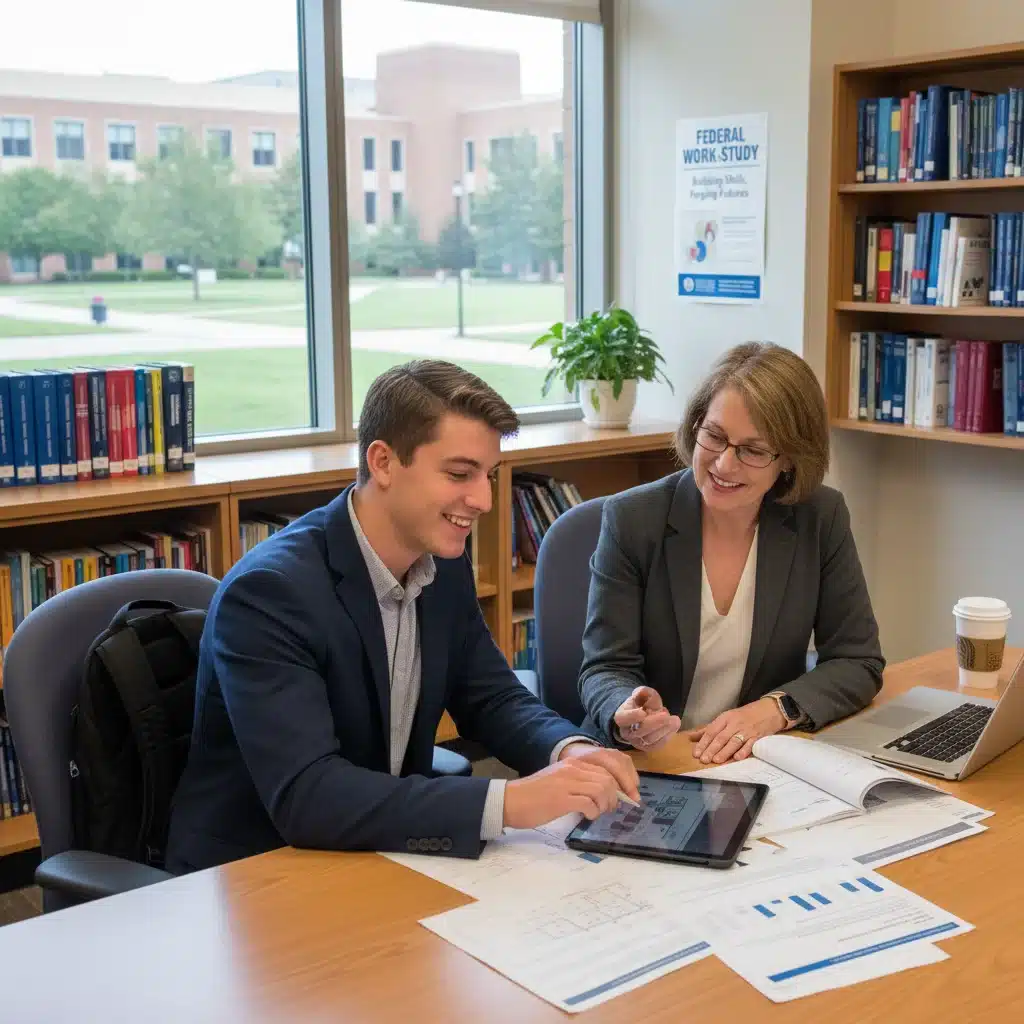
The experience gained from managing these responsibilities will be invaluable for your future professional life.
Planning Ahead for Federal Work-Study 2026
Success with the Federal Work-Study 2026 program, like with any financial aid, comes down to proactive planning. Here are some strategies to help you prepare:
- Research Early: Start researching the FWS program and your school’s specific policies well before the FAFSA opens. Understand the types of jobs offered and the application process.
- Gather Documents for FAFSA: Collect all necessary documents (tax returns, W-2s, bank statements, investment records) for both you and your parents (if you’re a dependent student) ahead of time. This will streamline the FAFSA completion process.
- Contact Your Financial Aid Office: Don’t hesitate to reach out to your college or university’s financial aid office with any questions. They are your primary resource for FWS information tailored to your institution.
- Develop Your Resume: Even if you don’t have extensive work experience, create a basic resume highlighting your academic achievements, volunteer work, and any relevant skills. This will prepare you for job applications.
- Practice Interview Skills: Many career services offices offer mock interviews. Take advantage of these resources to build confidence for FWS job interviews.
- Consider Your Schedule: Think about how many hours you realistically want to work without compromising your academic performance. Be honest with potential employers about your availability.
By taking these steps, you can position yourself to successfully secure a meaningful Federal Work-Study 2026 position and make the most of your college experience.
The Broader Impact of Federal Work-Study
Beyond individual student benefits, the Federal Work-Study program has a broader positive impact on colleges, communities, and the economy. For institutions, FWS provides a valuable workforce that supports various departmental functions and student services. It allows universities to offer more resources to their students, from tutoring centers to research labs, often at a lower cost than hiring non-student staff.
In communities, the emphasis on public service roles means that FWS students contribute directly to local non-profits, schools, and government agencies. This strengthens community ties, provides much-needed assistance to underserved populations, and fosters a sense of civic responsibility among students. The skills and experiences gained by students through FWS also contribute to a more skilled and prepared workforce upon graduation, benefiting the overall economy. Thus, the Federal Work-Study 2026 program serves as a vital component of the nation’s higher education and workforce development strategies, fostering a cycle of learning, earning, and community engagement.
Author