Navigating 2026 Education Costs: Inflation’s Impact & Funding Strategies
Navigating 2026 Education Costs: Inflation’s Impact & Funding Strategies
The dream of higher education is a powerful motivator for many individuals and families. However, as we look towards 2026, a significant concern looms large: the escalating cost of education. Inflation, a persistent economic force, is set to play a crucial role in shaping these expenses, making it more imperative than ever for prospective students and their families to understand its impact and develop robust funding strategies. This comprehensive guide delves into the projected influence of inflation on 2026 education costs, offering actionable insights and practical advice to help you prepare effectively.
Understanding the landscape of education financing requires a keen awareness of economic indicators. While the benefits of a college degree or vocational training remain substantial, the financial burden can be daunting. By proactively addressing the challenges posed by inflation, you can mitigate risks and ensure that educational aspirations remain within reach. This article will explore the various components of education costs, dissect the mechanisms through which inflation affects them, and provide a roadmap for strategic financial planning.
The Unrelenting March of Education Costs
For decades, education costs have outpaced general inflation, becoming a major point of discussion and concern. Tuition, fees, room, board, books, and living expenses all contribute to the overall price tag of higher education. Each of these components is susceptible to inflationary pressures, meaning that what seems affordable today may be significantly more expensive in a few years.
Historically, universities and colleges have faced rising operational costs, including faculty salaries, infrastructure maintenance, technological upgrades, and administrative overhead. These expenses are often passed on to students in the form of increased tuition. Furthermore, the demand for higher education continues to grow, allowing institutions to raise prices without necessarily losing enrollment, although this trend is increasingly being scrutinized.
The average cost of college, both public and private, has seen a steady upward trajectory. While state funding for public institutions has fluctuated, often leading to greater reliance on tuition revenue, private institutions also face their own set of financial challenges. Understanding these underlying factors is the first step in comprehending the magnitude of future 2026 education costs.
What Drives Education Cost Increases?
- Operational Expenses: Salaries for faculty and staff, utility costs, and maintenance of facilities are all subject to inflation.
- Technological Advancements: The need for cutting-edge equipment and digital resources adds to institutional budgets.
- Student Services: Expanding student support, mental health services, and career development programs, while beneficial, come with a cost.
- Administrative Overhead: The complexity of managing modern educational institutions often leads to increased administrative expenses.
- Demand for Higher Education: A persistent belief in the value of a degree often allows institutions to increase prices.
- Reduced State Funding: Many public universities have seen a decrease in state appropriations, shifting the financial burden more onto students.
Inflation’s Role in Shaping 2026 Education Costs
Inflation, simply put, is the rate at which the general level of prices for goods and services is rising, and subsequently, the purchasing power of currency is falling. When we talk about 2026 education costs, inflation is a critical variable to consider. A 3% annual inflation rate might seem small, but compounded over several years, it can significantly alter the total cost of an education.
For example, if a college currently costs $30,000 per year, and inflation averages 3% annually, in three years (by 2026), that same education could cost approximately $32,781 per year. Over a four-year degree, this seemingly small percentage can add thousands of dollars to the total expense. This calculation doesn’t even account for the fact that education inflation often outpaces general inflation.
The current economic climate, marked by supply chain disruptions, geopolitical events, and shifting consumer demand, makes predicting future inflation rates challenging. However, economists generally agree that some level of inflation will persist. This means that families saving for education must not only save enough to cover today’s costs but also factor in the erosion of purchasing power over time.
How Inflation Directly Impacts Education Components:
- Tuition and Fees: Institutions will likely raise these to cover their own increased operational costs.
- Room and Board: Housing, food, and utility prices are directly tied to broader economic inflation.
- Books and Supplies: The cost of textbooks, digital subscriptions, and school supplies will increase.
- Transportation: Fuel prices and public transport fares are highly sensitive to inflation.
- Personal Expenses: Day-to-day living costs, from toiletries to entertainment, will rise.
Understanding this intricate relationship between inflation and education expenses is paramount for effective financial planning. Ignoring inflation can lead to a significant shortfall in funding when it’s time to pay for college.
Projecting 2026 Education Costs: What to Expect
While precise figures are impossible to predict, we can make informed projections for 2026 education costs by analyzing historical trends and current economic forecasts. Various organizations, including the College Board and the Department of Education, regularly publish data on college costs, which can serve as a valuable benchmark.
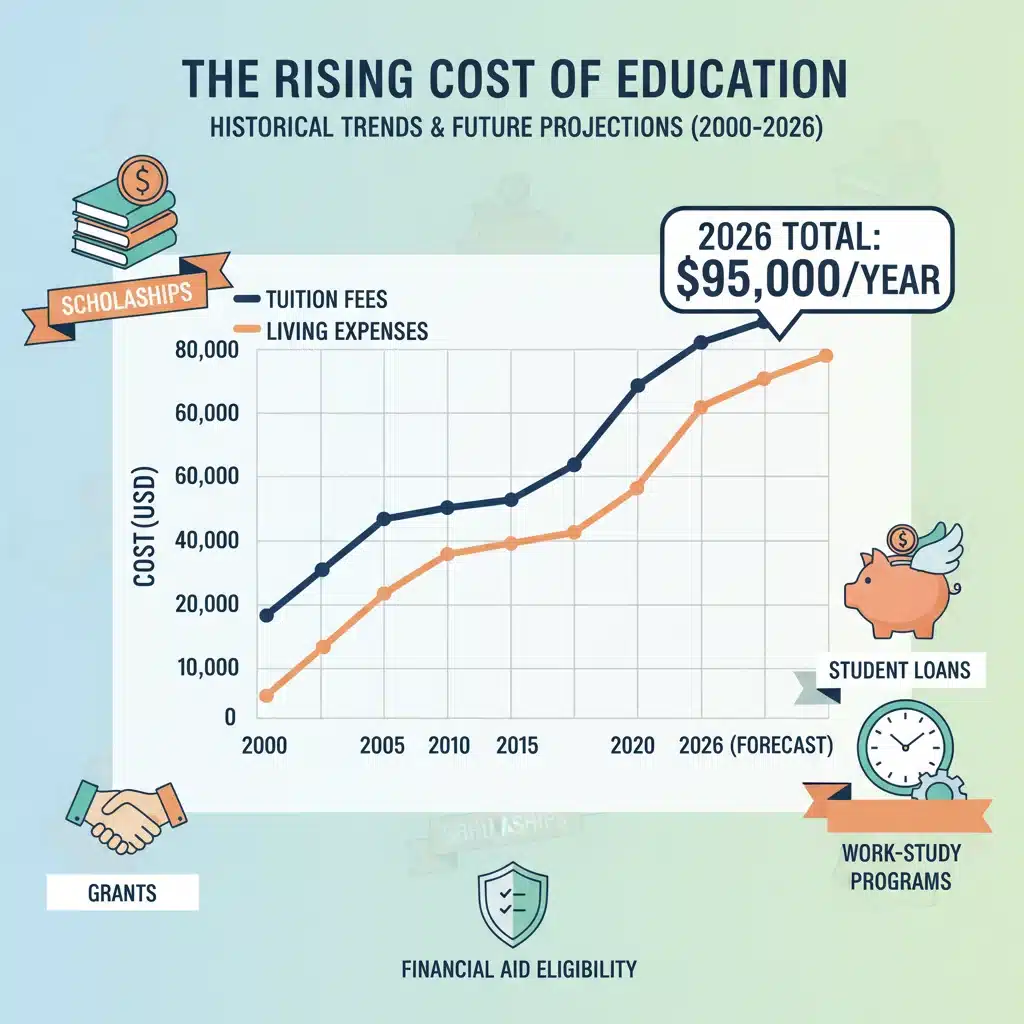
Historically, tuition and fees at four-year private institutions have increased by an average of 2-3% annually, while public four-year in-state tuition and fees have seen similar or slightly higher increases depending on state funding. When general inflation is higher, these increases tend to be more pronounced. Given recent inflationary pressures, it’s reasonable to anticipate that the annual growth rate for education costs could hover around 3-5% leading up to 2026.
Consider a scenario where the average annual cost (tuition, fees, room, and board) for a private university is currently $55,000. With a conservative 4% annual increase, by 2026, that cost would rise to approximately $61,878 per year. For a public in-state university currently costing $25,000 annually, the same 4% increase would push it to around $28,121 per year. These figures underscore the necessity of early and strategic planning.
Furthermore, don’t forget the ‘hidden’ costs. These include application fees, travel expenses for campus visits, technology requirements (laptops, software), health insurance, and personal expenses. These can add thousands of dollars to the total education bill, and they too are subject to inflationary increases.
Key Considerations for 2026 Projections:
- Type of Institution: Private universities generally have higher sticker prices and often higher annual increases than public institutions.
- In-State vs. Out-of-State: Public universities offer significantly lower tuition for in-state residents.
- Program of Study: Specialized programs, especially those requiring expensive equipment or facilities, might have higher costs.
- Living Arrangements: On-campus housing and meal plans are typically more expensive than off-campus alternatives, but off-campus living comes with its own set of inflationary pressures (rent, utilities).
By understanding these variables and making realistic projections, families can set more attainable savings goals for 2026 education costs.
Strategic Funding Options to Combat Rising Costs
Preparing for 2026 education costs requires a multi-faceted approach. Relying on a single funding source is often insufficient, especially with inflationary pressures. A combination of savings, financial aid, scholarships, and potentially loans, forms the most robust strategy.
1. Early Savings: The Power of Compounding
Starting early is perhaps the most impactful strategy. The longer your money has to grow, the more it can benefit from compound interest, effectively counteracting inflation. Dedicated education savings vehicles offer tax advantages that can further boost your savings.
- 529 Plans: These state-sponsored investment plans allow earnings to grow tax-free and withdrawals to be tax-free when used for qualified education expenses. They are flexible and can be used for various types of education, from K-12 to graduate school. Many states also offer a state income tax deduction for contributions.
- Coverdell Education Savings Accounts (ESAs): Similar to 529 plans, ESAs offer tax-free growth and withdrawals for qualified education expenses. However, they have income limits for contributors and lower annual contribution limits.
- Custodial Accounts (UGMA/UTMA): These accounts allow you to save money for a minor, but the assets become the property of the child when they reach the age of majority (18 or 21, depending on the state). While they offer tax benefits, they can negatively impact financial aid eligibility more than 529 plans.
- Roth IRA: While primarily a retirement account, contributions to a Roth IRA can be withdrawn tax-free and penalty-free for qualified education expenses. Earnings can also be withdrawn tax-free and penalty-free if the account has been open for at least five years and the owner is over 59½ or for qualified education expenses.
Regular, consistent contributions to these accounts, even small amounts, can accumulate significantly over time, making a substantial difference in covering 2026 education costs.
2. Maximizing Financial Aid Opportunities
Financial aid can significantly reduce the out-of-pocket cost of education. It comes in various forms: grants, scholarships, work-study programs, and federal student loans. The Free Application for Federal Student Aid (FAFSA) is the gateway to most federal and many state and institutional aid programs.
- Grants: Often need-based, grants do not need to be repaid. Examples include the Pell Grant and Federal Supplemental Educational Opportunity Grant (FSEOG).
- Scholarships: Awarded based on merit, need, specific talents, or affiliations, scholarships are essentially free money that doesn’t need to be repaid. They are offered by a vast array of organizations, foundations, universities, and private donors. Searching for scholarships should be an ongoing process.
- Work-Study Programs: These allow students to earn money through part-time jobs on campus or with non-profit organizations, with the earnings directly helping to cover education expenses.
- Federal Student Loans: While loans must be repaid, federal loans often come with more favorable terms than private loans, including fixed interest rates, income-driven repayment plans, and potential for forgiveness in certain professions.
Completing the FAFSA accurately and on time is crucial. Many institutions have their own financial aid deadlines, which may be earlier than the federal deadlines. Being proactive in researching and applying for financial aid can substantially reduce the burden of 2026 education costs.
3. Strategic Use of Student Loans
For many, student loans remain an unavoidable part of the education funding equation. However, a strategic approach is vital to avoid excessive debt. Prioritize federal student loans over private loans due to their borrower protections and often lower interest rates.
- Subsidized vs. Unsubsidized Loans: Subsidized loans do not accrue interest while the student is in school, during grace periods, or during deferment. Unsubsidized loans accrue interest from the moment they are disbursed. Always maximize subsidized loan options first.
- Borrow Only What You Need: It’s tempting to borrow the maximum amount offered, but only take out what is absolutely necessary to cover essential expenses. Every dollar borrowed is a dollar (plus interest) that needs to be repaid.
- Understand Repayment Terms: Familiarize yourself with the various repayment plans available, including standard, graduated, extended, and income-driven repayment options.
Private loans should be a last resort, as they typically have higher, variable interest rates and fewer borrower protections. If private loans are necessary, compare offers from multiple lenders to secure the best terms.
Beyond Traditional Pathways: Alternative Education Funding
As 2026 education costs continue to rise, exploring alternative pathways to education and funding becomes increasingly important. Not every valuable education requires a traditional four-year university degree.
Community Colleges and Dual Enrollment
Starting at a community college for the first two years of a bachelor’s degree can significantly reduce overall costs. Community colleges typically have much lower tuition rates, and many offer seamless transfer programs to four-year universities. Dual enrollment programs, where high school students take college courses for credit, can also save money and time by earning college credits at a reduced rate or for free.
Vocational and Trade Schools
For students interested in specific trades or technical skills, vocational schools or trade programs offer a more affordable and often quicker path to employment. These programs are typically less expensive than traditional four-year degrees and can lead to well-paying careers in high-demand fields.
Employer Tuition Assistance
Many companies offer tuition reimbursement or assistance programs for employees pursuing further education relevant to their careers. This can be an excellent way to fund a degree or certification while gaining work experience and earning an income.
Military Service
Serving in the military can provide substantial education benefits, including the GI Bill, which covers tuition, housing, and other expenses. This option combines patriotic service with a clear pathway to debt-free education.
The Importance of Financial Literacy and Planning Tools
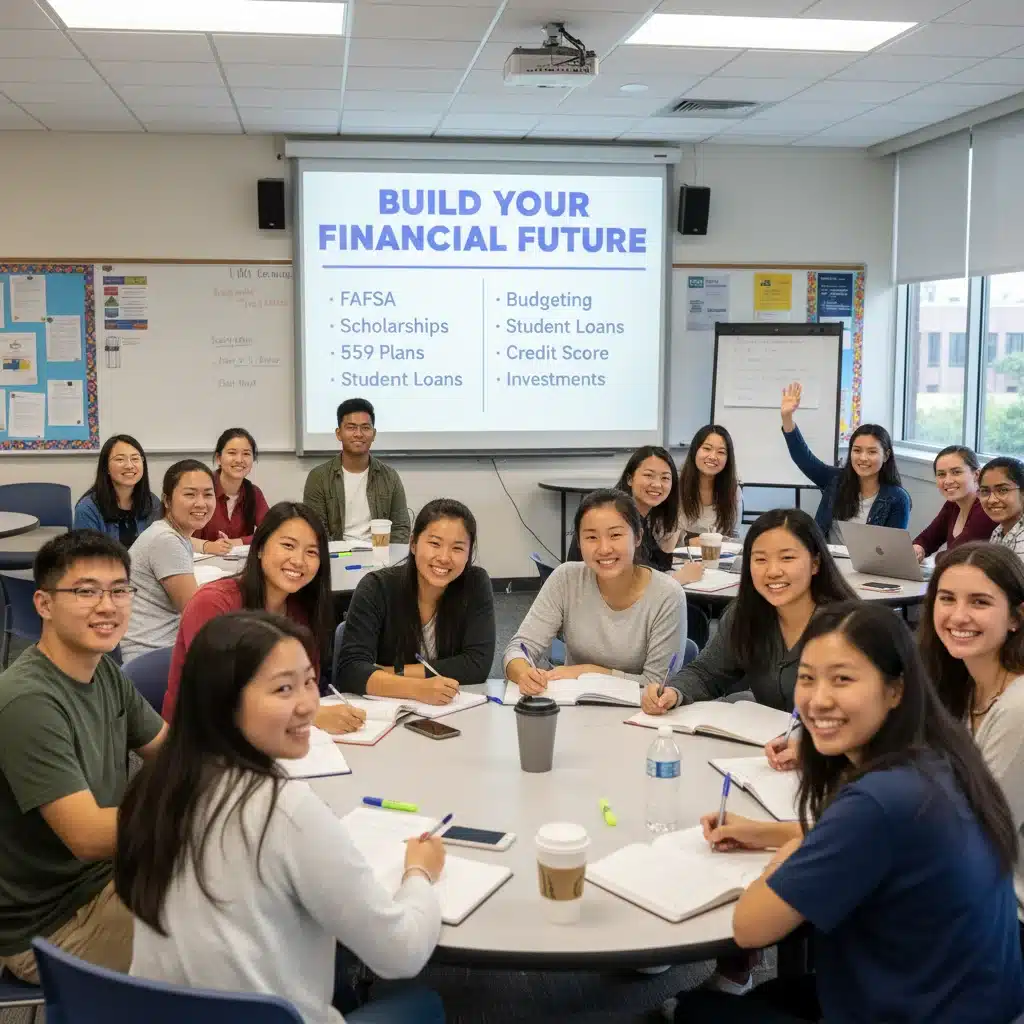
Navigating the complexities of 2026 education costs and funding strategies requires a solid foundation in financial literacy. Understanding budgeting, saving, investing, and debt management is crucial for both students and parents.
Utilize Cost Calculators and Net Price Calculators
Most college websites offer net price calculators, which provide an estimate of what a student will actually pay after grants and scholarships are factored in. These tools are invaluable for comparing the true cost of different institutions. There are also various online cost calculators that can help you project future education expenses based on inflation rates.
Create a Detailed Budget
Develop a comprehensive budget that includes all potential education-related expenses, not just tuition. Factor in living costs, transportation, personal expenses, and emergency funds. Regularly review and adjust this budget as circumstances change.
Seek Professional Financial Advice
Consider consulting with a financial advisor specializing in education planning. They can help you assess your current financial situation, project future costs, recommend appropriate savings vehicles, and develop a personalized funding strategy tailored to your goals and risk tolerance.
Stay Informed
The landscape of financial aid and education funding is constantly evolving. Stay updated on changes to federal and state aid programs, new scholarship opportunities, and economic forecasts that could impact 2026 education costs. Websites of the Department of Education, college financial aid offices, and reputable financial news outlets are excellent resources.
Conclusion: Proactive Steps for a Secure Educational Future
The prospect of rising 2026 education costs due to inflation can feel overwhelming, but with early planning and strategic action, it is possible to achieve educational goals without succumbing to crushing debt. The key lies in understanding the economic forces at play, exploring all available funding avenues, and making informed decisions.
Start saving early, consistently contributing to tax-advantaged accounts like 529 plans. Aggressively pursue all forms of financial aid, especially grants and scholarships, which do not require repayment. If loans are necessary, prioritize federal options and borrow responsibly. Don’t overlook alternative education pathways like community colleges or vocational schools, which can offer significant cost savings.
Equip yourself with financial literacy, utilize planning tools, and consider professional guidance. By taking these proactive steps, you can build a robust financial foundation that will empower you to meet the challenges of escalating education costs and secure a brighter academic future for yourself or your loved ones. The journey to higher education in 2026 may come with a higher price tag, but with careful preparation, it remains an achievable and rewarding endeavor.
Author