Beginner’s Guide to Credit Scores: Build Your First 700+ Score by December 2026

Welcome to the definitive guide on how to build credit score and achieve an excellent financial standing. In today’s economic landscape, a strong credit score is more than just a number; it’s a key to unlocking opportunities, from securing favorable loan rates for a home or car to even influencing rental applications and insurance premiums. If you’re starting from scratch or looking to significantly improve your score, this guide is designed specifically for you, with a clear goal in mind: to help you reach a 700+ credit score by December 2026.
Many people find the world of credit scores intimidating, filled with jargon and complex rules. However, it doesn’t have to be. By breaking down the essential components and providing actionable, easy-to-follow steps, we’ll demystify the process and empower you to take control of your financial future. Whether you’re a recent graduate, new to the country, or simply haven’t focused on your credit before, this article will serve as your roadmap.
Understanding the Basics: What is a Credit Score and Why Does it Matter?
Before we dive into strategies to build credit score, let’s establish a foundational understanding. A credit score is a three-digit number, typically ranging from 300 to 850, that lenders use to assess your creditworthiness. It’s essentially a report card on how reliably you manage borrowed money. The higher your score, the more trustworthy you appear to lenders, leading to better terms and easier access to credit.
The Importance of a Good Credit Score
- Lower Interest Rates: A high credit score can save you thousands of dollars over the life of a loan by qualifying you for the lowest available interest rates on mortgages, car loans, and personal loans.
- Easier Loan Approvals: Lenders are more likely to approve your applications for credit cards and loans when you have a proven track record of responsible borrowing.
- Better Rental Opportunities: Many landlords check credit scores as part of their tenant screening process. A good score can make it easier to secure an apartment.
- Lower Insurance Premiums: In some states, insurance companies use credit-based insurance scores to determine premiums. A better score can mean lower rates.
- Utility and Cell Phone Approvals: A good credit score can help you avoid security deposits when setting up new utility services or getting a new cell phone plan.
Key Credit Scoring Models: FICO vs. VantageScore
While many different credit scores exist, the two most common models are FICO and VantageScore. Both use similar factors to calculate your score, but their weighting can differ slightly. Most lenders use FICO scores, so it’s often the one to focus on. Regularly checking your scores from both models can provide a comprehensive view of your credit health.
The Five Pillars of Your Credit Score
To effectively build credit score, you need to understand the factors that influence it. Both FICO and VantageScore models consider similar elements, though with varying emphasis. Here are the five key categories:
-
Payment History (35% of FICO Score)
This is the most crucial factor. It reflects whether you pay your bills on time. Late payments, especially those more than 30 days past due, can severely damage your score. Conversely, a consistent history of on-time payments is the single best way to demonstrate financial responsibility.
-
Credit Utilization (30% of FICO Score)
This refers to the amount of credit you’re using compared to your total available credit. For example, if you have a credit card with a $1,000 limit and you owe $300, your credit utilization is 30%. Experts recommend keeping your credit utilization below 30% – and ideally even lower, around 10% – to maintain a healthy score. High utilization signals to lenders that you might be over-reliant on credit.
-
Length of Credit History (15% of FICO Score)
This factor considers how long your credit accounts have been open, including the age of your oldest account and the average age of all your accounts. A longer credit history generally indicates more experience managing credit, which can positively impact your score. This is why it’s often advised not to close old credit accounts, even if you don’t use them frequently, as it can shorten your average credit age.
-
New Credit (10% of FICO Score)
This category looks at how often you apply for and open new credit accounts. While opening a new account can be beneficial in the long run for diversifying your credit mix and increasing available credit, too many new accounts in a short period can be seen as risky behavior. Each hard inquiry (when a lender pulls your credit report) can temporarily ding your score, though the impact is usually minor and short-lived.
-
Credit Mix (10% of FICO Score)
This refers to the variety of credit accounts you have. A healthy credit mix might include both revolving credit (like credit cards) and installment loans (like car loans or student loans). Demonstrating that you can responsibly manage different types of credit can positively influence your score, but it’s not a factor to actively pursue if it means taking on unnecessary debt.
Your 30-Month Roadmap: How to Build Credit Score to 700+ by December 2026
Now that you understand the mechanics, let’s outline a strategic plan to build credit score and achieve your 700+ goal. This roadmap is designed for individuals starting with little to no credit history or those looking to recover from past missteps.
Phase 1: Establishing Your Credit Foundation (Months 1-6)
This initial phase is all about getting your foot in the door and creating your first positive credit entries.
1. Get Your First Credit Product
- Secured Credit Card: This is often the easiest entry point for beginners. You deposit money into an account, which then becomes your credit limit. This deposit secures the card, reducing the risk for the lender. Use it like a debit card but remember it reports to credit bureaus. Make small purchases and pay them off in full and on time.
- Credit Builder Loan: Offered by some credit unions and community banks, a credit builder loan works in reverse. You make payments into a savings account, and once the loan is paid off, you receive the money. The payments are reported to credit bureaus, helping you establish a payment history.
- Authorized User: If a trusted family member (e.g., a parent) with excellent credit is willing, ask to be added as an authorized user on one of their credit cards. Their positive payment history and low utilization will reflect on your credit report, giving you a boost. Ensure they are responsible with their credit.
- Reporting Rent/Utility Payments: Services like Experian Boost or rent reporting services can allow your on-time rent and utility payments to be included in your credit report, giving you a head start without taking on new debt.
Action Item: Choose one or two of these options immediately. Your goal is to have at least one account reporting positively to the credit bureaus within the first month.
2. Make All Payments On Time, Every Time
This cannot be stressed enough. Payment history is the largest factor in your credit score. Set up automatic payments or calendar reminders to ensure you never miss a due date. Even a single late payment can set back your progress significantly.
3. Keep Credit Utilization Low
For your secured credit card or any other revolving credit, aim to keep your balance below 10% of your credit limit. If your limit is $500, try to keep your balance under $50. You can achieve this by making small purchases and paying them off multiple times a month, not just once at the due date.
Phase 2: Building Momentum and Diversifying (Months 7-18)
Once you have a few months of positive payment history, you can start to expand your credit profile.
1. Monitor Your Credit Report Regularly
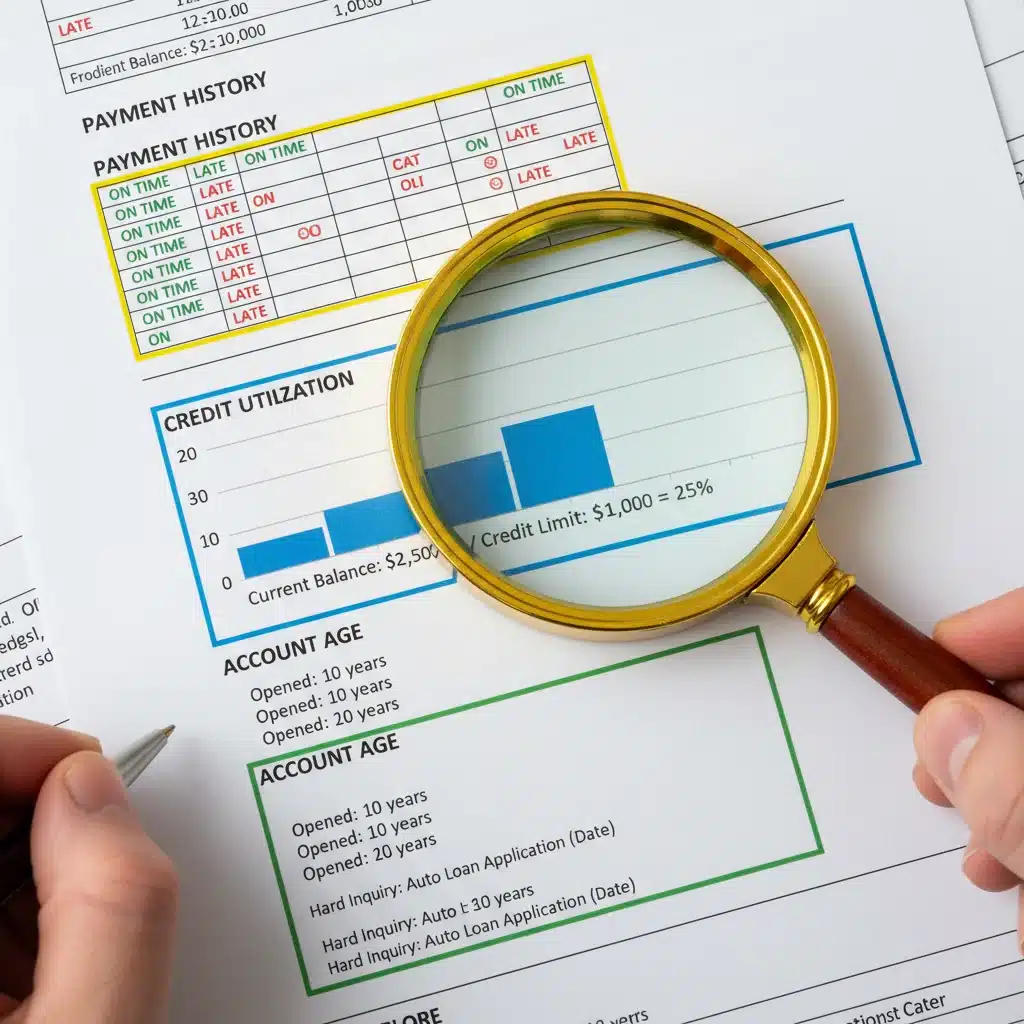
You are entitled to a free credit report from each of the three major bureaus (Equifax, Experian, and TransUnion) once every 12 months via AnnualCreditReport.com. Take advantage of this to review your reports for accuracy and to track your progress. Look for any errors that could be negatively impacting your score and dispute them immediately.
2. Consider a Second Credit Product (Carefully)
After 6-12 months of responsible usage with your first credit product, you might be ready for another. This could be:
- Unsecured Credit Card: If your score has improved, you might qualify for a basic unsecured credit card with a low limit. Look for cards designed for people building credit.
- Small Personal Loan: A small, low-interest personal loan that you can easily repay can add to your credit mix and demonstrate your ability to handle installment credit.
Important: Only open new accounts if you genuinely need them and are confident you can manage the payments. Avoid opening too many new accounts in a short period, as this can trigger multiple hard inquiries and temporarily lower your score.
3. Continue Practicing Excellent Credit Habits
- Pay in Full: If possible, pay off your credit card balances in full every month to avoid interest charges and keep utilization low.
- Stay Below 10% Utilization: Reiterate this golden rule. The lower, the better.
- Don’t Close Old Accounts: Keep your oldest accounts open and active, even if it’s just for a small, recurring subscription. This preserves your length of credit history.
Phase 3: Optimizing and Maintaining (Months 19-30, Leading to December 2026)
By this stage, you should have a solid foundation and a growing credit score. This phase is about refining your habits and pushing towards that 700+ mark.
1. Automate Everything Possible
If you haven’t already, automate all your bill payments for credit cards, loans, and even utilities. This significantly reduces the risk of missed payments due to oversight.
2. Request Credit Limit Increases
After a year or more of responsible use, ask your credit card issuers for a credit limit increase. This can lower your credit utilization ratio without you having to change your spending habits, as long as you don’t increase your spending. Many issuers allow you to request this online without a hard inquiry.
3. Diversify Your Credit Mix Further (If Appropriate)
If you only have credit cards, consider a small installment loan if a legitimate need arises (e.g., a low-interest personal loan for a necessary purchase). Conversely, if you only have installment loans, a well-managed credit card can round out your profile. Remember, only take on debt you can comfortably afford to repay.
4. Continue Monitoring and Protecting Your Credit
- Regular Credit Checks: Continue to check your free credit reports annually and consider using free credit monitoring services (like those offered by credit card companies or credit bureaus) to stay on top of changes and potential fraud.
- Identity Theft Protection: Be vigilant about protecting your personal information to prevent identity theft, which can severely damage your credit.

Common Pitfalls to Avoid When Building Credit
While the path to a 700+ credit score is clear, there are several common mistakes that can derail your progress:
- Missing Payments: As discussed, this is the biggest credit score killer. Prioritize on-time payments above all else.
- Maxing Out Credit Cards: High credit utilization signals financial distress and will drag your score down.
- Closing Old Accounts: This reduces your total available credit and shortens your average credit age, both of which can negatively impact your score.
- Applying for Too Much Credit Too Quickly: Multiple hard inquiries in a short period can make you appear risky to lenders.
- Not Checking Your Credit Reports: Errors on your report can unfairly lower your score. Review them regularly and dispute any inaccuracies.
- Ignoring Small Debts: Even a small, forgotten bill sent to collections can have a significant negative impact on your credit score for years.
Advanced Tips for Accelerating Your Credit Journey
Once you’ve mastered the basics, consider these advanced strategies to further boost your score:
Become a Power User of Credit Cards
If you have multiple credit cards, strategically use them to maintain low utilization across all accounts. For example, if you have three cards with $1,000 limits each, try to keep the balance on each card well below $100, even if your total utilization is low. Some scoring models look at individual card utilization as well as overall.
The All-Mighty Payment Strategy: Pay Before Statement Date
Most credit card companies report your balance to the credit bureaus on your statement closing date. If you pay down your balance before this date, the lower reported balance will result in lower credit utilization, even if you carry a higher balance for part of the month. This is a powerful trick to keep your reported utilization consistently low.
Negotiate with Creditors
If you have an old, small debt in collections, sometimes you can negotiate a ‘pay for delete’ agreement, where the collection agency agrees to remove the derogatory mark from your credit report in exchange for payment. This is not guaranteed, but it’s worth exploring for old, negative items.
Consider a Co-Signer (with caution)
If you’re struggling to get approved for any credit product, a co-signer with good credit can help you secure a loan or credit card. However, this comes with significant risk for the co-signer, as they become equally responsible for the debt. Only pursue this with someone you trust implicitly and if you are absolutely confident in your ability to repay.
Understanding Credit Score Ranges
To put your 700+ goal into perspective, here’s a general breakdown of FICO score ranges:
- 800-850: Exceptional
- 740-799: Very Good
- 670-739: Good (Your 700+ target falls here!)
- 580-669: Fair
- 300-579: Poor
Achieving a score in the ‘Good’ to ‘Very Good’ range opens up a world of financial opportunities and demonstrates a strong command of your finances.
Frequently Asked Questions About Building Credit
Q: How long does it take to build good credit?
A: Building a truly excellent credit history takes time, typically 6 months to a year to establish a score, and 2-5 years to reach very good or exceptional levels. Our 30-month plan is a realistic timeframe to reach 700+ for most diligent individuals.
Q: Can checking my credit score hurt it?
A: No, checking your own credit score (a ‘soft inquiry’) does not affect your score. Only ‘hard inquiries’ by lenders when you apply for new credit can have a minor, temporary impact.
Q: What if I have no credit history at all?
A: Start with secured credit cards, credit builder loans, or becoming an authorized user. These are excellent ways to create your first credit entries and begin your journey to build credit score.
Q: Is it better to pay off my credit card in full or carry a small balance?
A: Always pay off your credit card in full if you can. This avoids interest charges and ensures your credit utilization is as low as possible. Carrying a balance just to ‘build credit’ is a myth and can cost you money in interest.
Q: What should I do if I find an error on my credit report?
A: Immediately dispute the error with the credit bureau that reported it. You can do this online, by mail, or by phone. Provide any supporting documentation you have.
Conclusion: Your Path to a 700+ Credit Score by December 2026
Building a strong credit score is a marathon, not a sprint. It requires discipline, consistency, and a clear understanding of how the system works. By following this comprehensive 30-month roadmap, focusing on timely payments, low credit utilization, and strategic credit management, you are well on your way to achieving your goal of a 700+ credit score by December 2026.
Remember, every positive action you take, no matter how small, contributes to your overall credit health. Start today, stay diligent, and watch your financial future transform. Your commitment to responsibly manage your finances will pay dividends for years to come, opening doors to better opportunities and greater financial freedom. Take charge, stay informed, and confidently build credit score to reach new heights!
Author