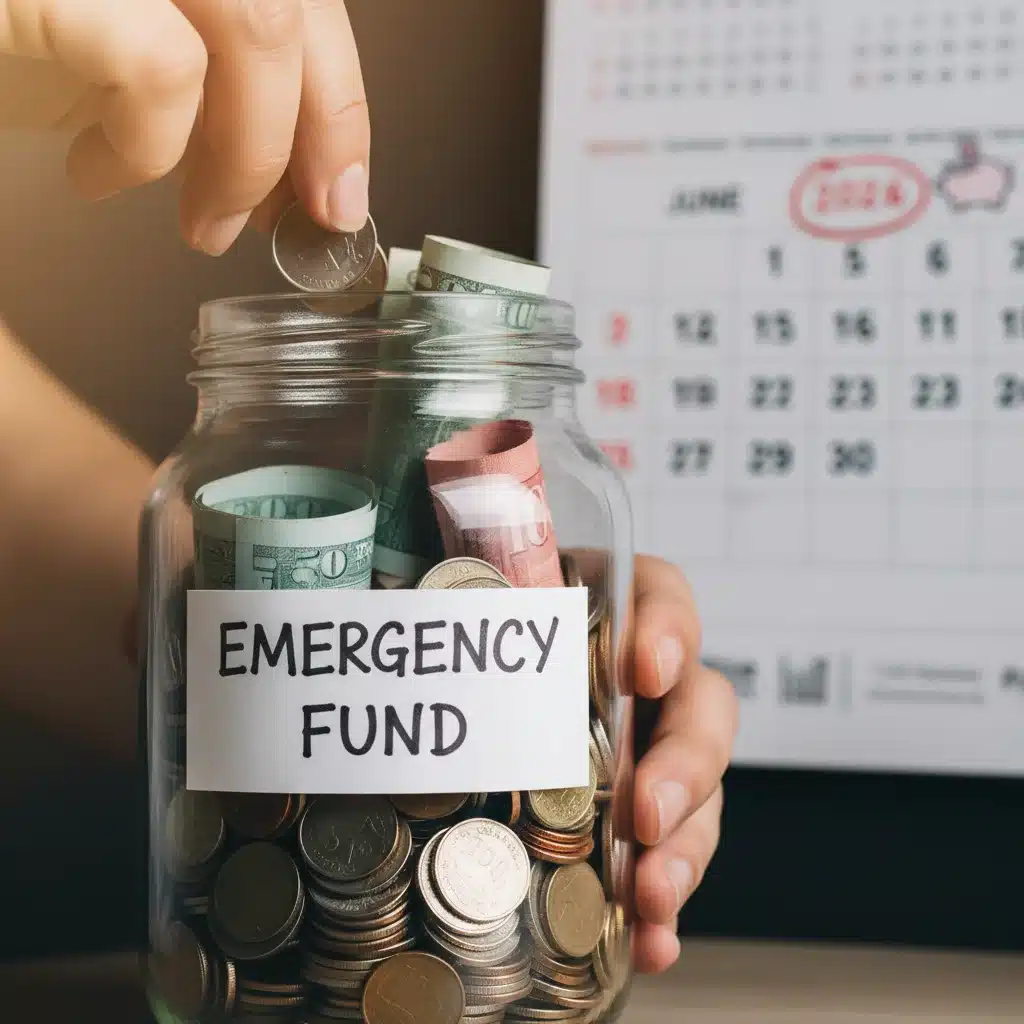
Emergency Fund Essentials: Build 3 Months Savings by June 2026
In an unpredictable world, financial security often feels like a distant dream. Yet, one of the most fundamental pillars of a stable financial life is an adequately funded emergency reserve. This isn’t just about having some extra cash; it’s about creating a robust safety net that can cushion the blow of life’s inevitable surprises. Whether it’s a sudden job loss, an unexpected medical bill, or a major car repair, an emergency fund ensures that these events don’t derail your entire financial plan. Our goal in this comprehensive guide is to empower you with the knowledge and actionable strategies to build your emergency fund savings, specifically aiming for 3 to 6 months’ worth of living expenses, by June 2026.
Many people understand the concept of an emergency fund but struggle with the ‘how’ and ‘when.’ The ‘when’ is now, and the ‘how’ is what we’re about to explore in detail. We’ll break down the process into manageable steps, from understanding what an emergency fund truly is to setting realistic goals, identifying savings opportunities, and maintaining your fund over time. By the end of this article, you’ll not only have a clear roadmap but also the motivation to achieve financial peace of mind.
What Exactly is an Emergency Fund?
Before diving into the mechanics of building one, let’s clarify what an emergency fund is and isn’t. An emergency fund is a stash of readily accessible money specifically designated to cover unexpected expenses or income loss. It’s not for a new gadget, a vacation, or a down payment on a house. Those are separate savings goals. This fund is exclusively for true emergencies – situations that are unforeseen and financially impactful.
Common Scenarios an Emergency Fund Covers:
- Job Loss: This is arguably the most common and impactful emergency. An emergency fund can provide crucial months of living expenses while you search for new employment.
- Medical Emergencies: Even with health insurance, deductibles, co-pays, and uncovered services can quickly add up.
- Car Repairs: A sudden transmission failure or a major engine issue can cost thousands.
- Home Repairs: A burst pipe, a leaky roof, or a broken furnace can be expensive and require immediate attention.
- Unexpected Travel: Family emergencies or other unforeseen events might require last-minute travel.
- Pet Emergencies: Veterinary bills for serious conditions can be substantial.
The key takeaway here is that an emergency fund provides a buffer, preventing you from going into debt (like using credit cards) or depleting other important savings (like retirement accounts) when faced with unforeseen circumstances. It’s a proactive measure that safeguards your financial stability and reduces stress during difficult times.
Why is an Emergency Fund So Crucial for Your Financial Health?
The importance of having a robust emergency fund savings cannot be overstated. It’s the bedrock of any sound financial plan, offering benefits that extend far beyond simply having money in the bank.
Protection Against Debt
Without an emergency fund, unexpected expenses often lead to accumulating high-interest debt, typically on credit cards. This can quickly spiral out of control, making it harder to get back on your feet financially. An emergency fund allows you to pay for these unforeseen costs outright, avoiding the debt trap and the stress that comes with it.
Peace of Mind
Knowing you have a financial safety net provides immense psychological relief. It reduces anxiety about the unknown and allows you to make decisions from a place of stability rather than desperation. This peace of mind is invaluable and contributes significantly to overall well-being.
Flexibility and Opportunity
While primarily for emergencies, a strong fund can also offer a degree of flexibility. For example, if an unexpected opportunity arises (like a career change requiring a temporary income dip), your fund can support you. It also prevents you from having to sell assets at an inopportune time to cover urgent needs.
Staying on Track with Other Financial Goals
If you’re saving for a down payment, retirement, or your child’s education, an emergency fund protects these goals. Without it, an emergency could force you to raid these accounts, setting you back years. By having a dedicated emergency fund, your other long-term savings remain untouched and continue to grow.
Setting Your Emergency Fund Goal: 3 to 6 Months by June 2026
The standard recommendation for an emergency fund is to save 3 to 6 months’ worth of essential living expenses. For some, especially those with less stable income or dependents, 6 to 12 months might be more appropriate. Our target, for the purpose of this guide, is to help you reach at least 3 months by June 2026, with an eye towards expanding to 6 months if possible.
Step 1: Calculate Your Monthly Essential Expenses
This is the most critical step. You need to know exactly how much money you need to survive each month. This isn’t about your full lifestyle budget; it’s about the absolute necessities. List out all your fixed and variable essential expenses:
- Housing: Rent or mortgage payments, property taxes, home insurance.
- Utilities: Electricity, gas, water, internet (essential for many jobs).
- Food: Groceries (not dining out).
- Transportation: Car payment, insurance, gas, public transport.
- Insurance: Health, life, disability.
- Minimum Debt Payments: Student loans, credit cards (only the minimum, not extra payments).
- Basic Communication: Cell phone bill.
Exclude discretionary spending like entertainment, dining out, subscriptions you could cancel, and non-essential shopping. Add up these essential expenses to get your total monthly survival cost.
Step 2: Determine Your Target Amount
Once you have your monthly essential expenses, multiply that number by 3 (for your initial goal) and then by 6 (for your ideal goal). For example, if your essential expenses are $2,500 per month:
- 3-month goal: $2,500 x 3 = $7,500
- 6-month goal: $2,500 x 6 = $15,000
This provides a concrete target for your emergency fund savings.
Step 3: Set Your Timeline and Break It Down
You have until June 2026. Let’s assume you’re starting today, June 2024. That gives you 24 months. If your 3-month goal is $7,500, you need to save $7,500 / 24 months = $312.50 per month. This monthly target makes the overall goal much less daunting.
Strategies to Accelerate Your Emergency Fund Savings
Now that you know your target, it’s time to implement strategies to reach it. This often involves a combination of increasing income and decreasing expenses.
1. Create a Detailed Budget and Track Your Spending
You can’t manage what you don’t measure. A budget helps you understand where your money is going and identify areas where you can cut back. Use budgeting apps, spreadsheets, or even pen and paper. The goal is to gain control over your cash flow.

Categorize every expense for a month or two. You’ll likely find “money leaks” – small, regular expenses that add up significantly over time. This awareness is the first step to making impactful changes.
2. Automate Your Savings
The easiest way to save consistently is to make it automatic. Set up an automatic transfer from your checking account to your dedicated emergency fund savings account on payday. Treat this transfer like a non-negotiable bill. Even if it’s a small amount to start, consistency is key.
3. Cut Unnecessary Expenses Ruthlessly (Temporarily)
To reach your goal by June 2026, you might need to make some temporary sacrifices. Look for areas to cut back:
- Subscriptions: Review all your streaming services, gym memberships, and other recurring subscriptions. Cancel anything you don’t use regularly or could live without for a while.
- Dining Out/Takeout: This is often one of the biggest budgetbusters. Cook at home more often.
- Entertainment: Look for free or low-cost activities.
- Shopping: Implement a spending freeze on non-essential items.
- Transportation: Can you walk, bike, or carpool more?
Remember, these cuts don’t have to be permanent. They are a focused effort to build your emergency fund savings rapidly.
4. Increase Your Income
Sometimes, cutting expenses isn’t enough, or there’s simply not much left to cut. In these cases, focus on increasing your income:
- Side Hustle: Consider a part-time job, freelancing, or selling items online. Even a few extra hundred dollars a month can make a significant difference.
- Sell Unused Items: Declutter your home and sell clothes, electronics, or furniture you no longer need.
- Negotiate Salary/Ask for a Raise: If it’s been a while, research market rates for your position and prepare to negotiate for higher pay.
- Overtime: If available at your current job, consider picking up extra shifts.
Direct all extra income straight into your emergency fund. This can dramatically accelerate your progress.
5. Windfalls and Bonuses
Did you receive a tax refund, a work bonus, or an unexpected gift? Resist the urge to spend it. These windfalls are perfect opportunities to give your emergency fund savings a significant boost.
Where to Keep Your Emergency Fund
The location of your emergency fund is almost as important as the amount in it. It needs to be safe, liquid (easily accessible), and ideally, earning some interest.
High-Yield Savings Account (HYSA)
This is generally the best place for your emergency fund. HYSAs offer significantly higher interest rates than traditional savings accounts, helping your money grow, albeit modestly. They are also FDIC-insured (up to $250,000 per depositor per institution), meaning your money is safe. Look for online banks, as they often offer the best rates due to lower overheads.
Money Market Account
Similar to HYSAs, money market accounts offer competitive interest rates and easy access to funds, often with check-writing privileges or a debit card. They are also FDIC-insured.
Avoid These Locations:
- Checking Account: While liquid, it’s too easy to accidentally spend from your checking account. Plus, it earns minimal to no interest.
- Investments (Stocks, Bonds, Mutual Funds): The stock market is volatile. You don’t want to be forced to sell investments at a loss during a market downturn just to cover an emergency. These funds are for long-term growth, not immediate needs.
- Physical Cash at Home: While some might keep a small amount of cash, storing a large emergency fund at home carries risks like theft or loss.
The goal is to keep your emergency fund separate from your everyday spending accounts, making it less tempting to dip into for non-emergencies, while still ensuring it’s accessible within a day or two.
Maintaining and Replenishing Your Emergency Fund
Building your emergency fund is a significant achievement, but the work doesn’t stop there. It’s crucial to maintain it and replenish it if you ever have to use it.
Hands Off Unless It’s a True Emergency
Resist the urge to use your emergency fund for anything other than a genuine emergency. If you find yourself constantly dipping into it, re-evaluate your budget and spending habits. Perhaps some ’emergency’ expenses are actually predictable costs that should be budgeted for separately.
Replenish Immediately After Use
If you do need to use your emergency fund, make replenishing it your top financial priority. Treat it like a debt you need to pay off, but instead of paying a lender, you’re paying yourself back. Adjust your budget and savings contributions to rebuild the fund as quickly as possible. The sooner you replenish it, the sooner you regain your full financial security.
Review and Adjust Regularly
Life changes. Your monthly expenses might increase (or decrease) due to life events like marriage, children, a new home, or a change in lifestyle. Revisit your essential expenses calculation at least once a year, or after any major life event, to ensure your emergency fund target is still appropriate. You might find you need to save more to keep up with increased costs.
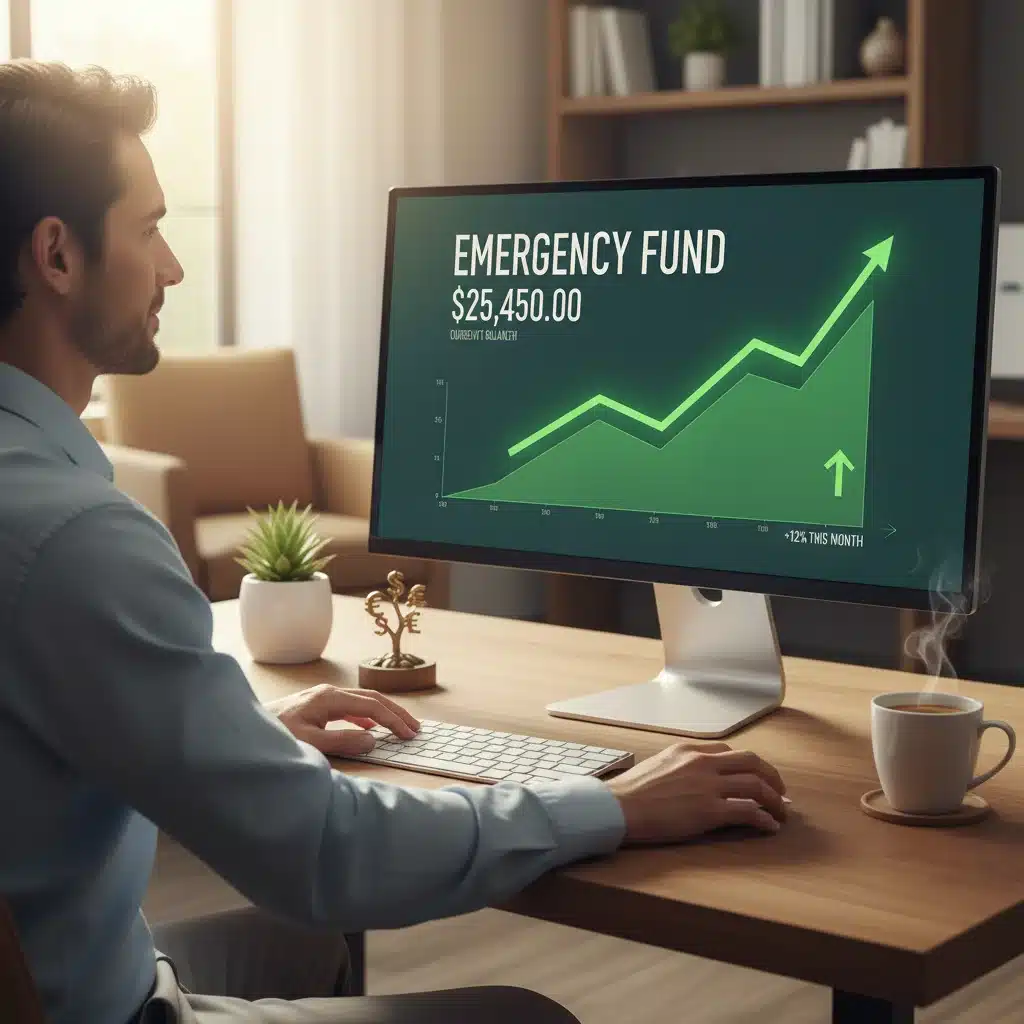
Overcoming Common Obstacles to Building Your Emergency Fund
It’s easy to feel overwhelmed, especially if you’re living paycheck to paycheck. However, even small steps can lead to significant progress. Here are some common obstacles and how to tackle them:
“I Don’t Have Enough Money to Save.”
This is a common sentiment. Start small. Even $10 or $20 a week adds up. The act of saving consistently, no matter the amount, builds a positive habit. Revisit your budget with a fine-tooth comb. Can you find just one small area to cut back? Could you earn an extra $50 a month through a micro-side hustle? Every dollar towards your emergency fund savings counts.
“It Feels Too Slow.”
Building a substantial emergency fund takes time and discipline. Celebrate small milestones! When you hit $500, then $1,000, acknowledge your progress. Focus on the long-term goal of June 2026 and remember why you’re doing this – for your future financial peace and security.
“I Keep Dipping Into It.”
If this happens, it might indicate that your definition of ’emergency’ is too broad, or you haven’t budgeted adequately for predictable expenses. For example, if you frequently use your emergency fund for car maintenance, consider creating a separate sinking fund for car repairs. Make your emergency fund harder to access (e.g., in an online HYSA that takes a day or two to transfer from) to reduce impulsive withdrawals.
“I Have High-Interest Debt.”
This is a common dilemma. Financial experts often recommend a hybrid approach: save a small starter emergency fund (e.g., $1,000) first. This protects you from going further into debt if an emergency strikes while you’re paying off high-interest debt. Once you have that mini-fund, aggressively pay down your high-interest debt. After the debt is gone, pivot back to fully funding your 3-6 month emergency fund savings.
The Power of a Fully Funded Emergency Fund by June 2026
Imagine reaching June 2026 with 3 to 6 months of essential living expenses safely tucked away. The feeling of security and control will be immense. You’ll be able to face unexpected challenges with confidence, knowing you have a financial cushion. This achievement will not only safeguard your present but also create a stronger foundation for all your future financial aspirations.
Building an emergency fund isn’t just about money; it’s about building resilience, reducing stress, and taking control of your financial destiny. It’s a testament to your discipline and foresight. So, start today. Calculate your target, automate your savings, and commit to reaching your emergency fund savings goal by June 2026. Your future self will thank you.
Final Thoughts and Actionable Steps
To recap, here’s your actionable checklist to build your emergency fund by June 2026:
- Calculate Your Essential Monthly Expenses: Be honest and thorough.
- Set Your Target: Multiply essential expenses by 3 (initial goal) and 6 (ideal goal).
- Break It Down: Divide your target by the number of months remaining until June 2026 to get your monthly savings goal.
- Create a Budget: Track every dollar to identify savings opportunities.
- Automate Savings: Set up recurring transfers to a dedicated High-Yield Savings Account.
- Cut Expenses: Temporarily reduce or eliminate non-essential spending.
- Increase Income: Explore side hustles, sell unused items, or seek opportunities for higher earnings.
- Bank Windfalls: Direct tax refunds, bonuses, or gifts straight into your fund.
- Keep it Separate and Accessible: Use a HYSA, not your checking account or investments.
- Maintain and Replenish: Once built, only use for true emergencies and prioritize refilling it immediately.
- Review Annually: Adjust your fund size as your life and expenses change.
Embark on this journey with determination. Each small step you take today brings you closer to the financial security and peace of mind you deserve. By June 2026, you can look back with pride at the robust emergency fund you’ve built, ready to face whatever life throws your way.