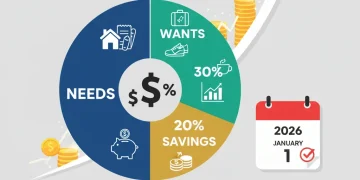
Master Your Finances: The 30-Day Expense Cutting Challenge for 2026
As we step into 2026, many of us are looking for ways to improve our financial health, build savings, and achieve long-term financial goals. One of the most effective strategies to accomplish this is to diligently identify and cut unnecessary expenses. It sounds simple, but the devil is often in the details. This comprehensive guide will walk you through a powerful 30-day challenge designed to help you pinpoint and eliminate those sneaky, often overlooked costs that drain your bank account. By the end of this challenge, you’ll not only have more money in your pocket but also a clearer understanding of your spending habits and a solid foundation for sustainable financial management.
Why a 30-Day Challenge to Cut Unnecessary Expenses?
The concept of a 30-day challenge is incredibly effective for habit formation. It’s long enough to see tangible results and establish new routines, yet short enough to feel manageable and not overwhelming. When it comes to personal finance, a focused period like this can reveal patterns you didn’t even know existed. We’re not just talking about canceling a gym membership you never use; we’re diving deep into daily expenditures, subscription services, impulse buys, and even the psychological triggers behind your spending. The goal is to not just cut unnecessary expenses, but to understand why they were there in the first first place, and how to prevent them from creeping back into your budget.
The year 2026 presents a fresh start, an opportunity to reset your financial trajectory. Economic landscapes can shift, and being financially agile is more crucial than ever. By proactively taking steps to cut unnecessary expenses, you’re not just saving money; you’re empowering yourself with greater control, reducing financial stress, and opening doors to future investments or experiences that truly matter to you. This challenge is about transformation, not deprivation. It’s about making conscious choices that align with your financial aspirations.
Phase 1: Preparation – Laying the Foundation (Days 1-3)
Before you can effectively cut unnecessary expenses, you need to know where your money is going. This initial phase is all about gathering information and setting clear objectives.
Day 1: Define Your ‘Why’ and Set Clear Goals
What is your motivation for cutting expenses? Do you want to save for a down payment, pay off debt, build an emergency fund, or invest for retirement? Write down your specific, measurable, achievable, relevant, and time-bound (SMART) goals. For example, instead of “save money,” aim for “save $500 by the end of this 30-day challenge to put towards my emergency fund.” Having a clear ‘why’ will keep you motivated when the challenge gets tough.
- Action: Journal your financial goals and the reasons behind them.
- Tip: Make your goals visible – put them on your fridge or as your phone background.
Day 2: Gather All Financial Statements
Collect statements from all your bank accounts, credit cards, investment accounts, and any other financial platforms for the past 3-6 months. This will provide a comprehensive overview of your spending patterns. Don’t shy away from this step; it’s the bedrock of understanding your financial reality.
- Action: Download or print all relevant financial statements.
- Tip: Use a secure digital folder or a physical binder to keep everything organized.
Day 3: Choose Your Tracking Method
How will you monitor your spending for the next 27 days? There are many options:
- Spreadsheets: Excel or Google Sheets for manual tracking.
- Budgeting Apps: Mint, YNAB (You Need A Budget), Personal Capital, or other similar tools that link to your accounts.
- Notebook and Pen: For those who prefer a tactile approach.
The best method is the one you’ll actually use consistently. Commit to it for the duration of the challenge.
- Action: Select and set up your preferred expense tracking method.
- Tip: If using an app, take some time to categorize initial transactions.
Phase 2: Identification & Awareness – Uncovering the Leaks (Days 4-10)
This phase is dedicated to meticulously tracking every single penny spent. It’s often an eye-opening experience that reveals where your money truly goes, helping you identify and cut unnecessary expenses effectively.
Days 4-7: The ‘No-Spend’ Micro-Challenge (Optional but Recommended)
Try to implement a 3-4 day ‘no-spend’ period, focusing only on essential purchases like groceries (if you don’t have enough at home) and unavoidable bills. This intense period helps to highlight impulse spending and reliance on convenience. It’s a powerful way to accelerate your ability to cut unnecessary expenses.
- Action: Challenge yourself to minimize all discretionary spending.
- Tip: Plan meals in advance to avoid last-minute takeouts.
Days 8-10: Categorize and Analyze Your Spending
Review the spending you’ve tracked so far. Categorize everything: housing, transportation, food (groceries vs. dining out), entertainment, subscriptions, personal care, etc. Look for patterns and areas where you might be overspending. This is where you’ll start to clearly see opportunities to cut unnecessary expenses.
- Action: Categorize all expenses from the past week and look for trends.
- Tip: Be honest with yourself about each category.
Phase 3: Action & Optimization – Making the Cuts (Days 11-20)
Now that you have a clear picture of your spending, it’s time to take decisive action to cut unnecessary expenses.
Day 11: Tackle Subscription Services
This is often the lowest-hanging fruit when you want to cut unnecessary expenses. Go through all your recurring subscriptions: streaming services, gym memberships, software, apps, beauty boxes, etc. Ask yourself:
- Do I use this regularly?
- Does it provide significant value?
- Can I get the same benefit for free or cheaper elsewhere?
Cancel anything you don’t actively use or need. Consider downgrading plans or sharing accounts (if permissible) to further cut unnecessary expenses.
- Action: Review and cancel/downgrade unused subscriptions.
- Tip: Use tools like Trim or Truebill to identify and manage subscriptions.
Day 12: Optimize Your Utilities
Review your utility bills: electricity, gas, internet, phone. Can you negotiate a lower rate with your current providers? Are there cheaper plans available? Sometimes a simple phone call can save you a significant amount. Look for energy-saving opportunities around your home.
- Action: Call providers to negotiate rates or compare plans.
- Tip: Consider smart thermostats and LED lighting to reduce energy consumption.
Day 13: Re-evaluate Your Food Budget
Food is a major expense for most households. Focus on reducing dining out, ordering takeout, and impulse grocery purchases. Plan your meals, make a shopping list, and stick to it. Cook at home more often, and pack your lunch for work. These small changes can significantly cut unnecessary expenses.
- Action: Plan meals for the week, create a grocery list, and commit to cooking at home.
- Tip: Batch cook on weekends to have ready-made meals during the week.
Day 14: Transportation Costs
How can you reduce your transportation expenses? Can you carpool, use public transport, bike, or walk more often? Review your car insurance – can you find a cheaper policy? If you have multiple cars, do you truly need them all?
- Action: Explore cheaper commuting options and compare car insurance rates.
- Tip: Combine errands to reduce fuel consumption.
Day 15: Entertainment and Leisure
While important for well-being, entertainment can quickly become an unnecessary expense. Look for free or low-cost alternatives: public libraries, free community events, parks, home movie nights. Set a strict budget for discretionary entertainment spending.
- Action: Identify free or low-cost entertainment options.
- Tip: Prioritize experiences over material possessions.
Day 16: Review Your Shopping Habits
Are you prone to impulse purchases? Do you shop when you’re bored or stressed? Unsubscribe from marketing emails that tempt you to buy. Implement a 24-hour rule for non-essential purchases: if you still want it after 24 hours, then consider buying it. This helps to cut unnecessary expenses driven by emotion.
- Action: Unsubscribe from tempting marketing emails and implement a waiting period for purchases.
- Tip: Create a “wish list” for items you truly need, and save specifically for them.
Day 17: Debt Management
High-interest debt, like credit card debt, is a massive unnecessary expense. Develop a plan to pay down your highest-interest debts. Even small extra payments can save you a lot in interest over time. Consider debt consolidation or balance transfers if appropriate.
- Action: Review your debts and formulate a repayment strategy.
- Tip: Focus on the “debt snowball” or “debt avalanche” method.
Day 18: Insurance Policies
When did you last review your insurance policies (health, home, auto, life)? You might be paying for coverage you no longer need or could get cheaper elsewhere. Shop around for better rates, but ensure you don’t compromise on essential coverage.
- Action: Get quotes from multiple insurance providers.
- Tip: Bundle policies where possible for discounts.
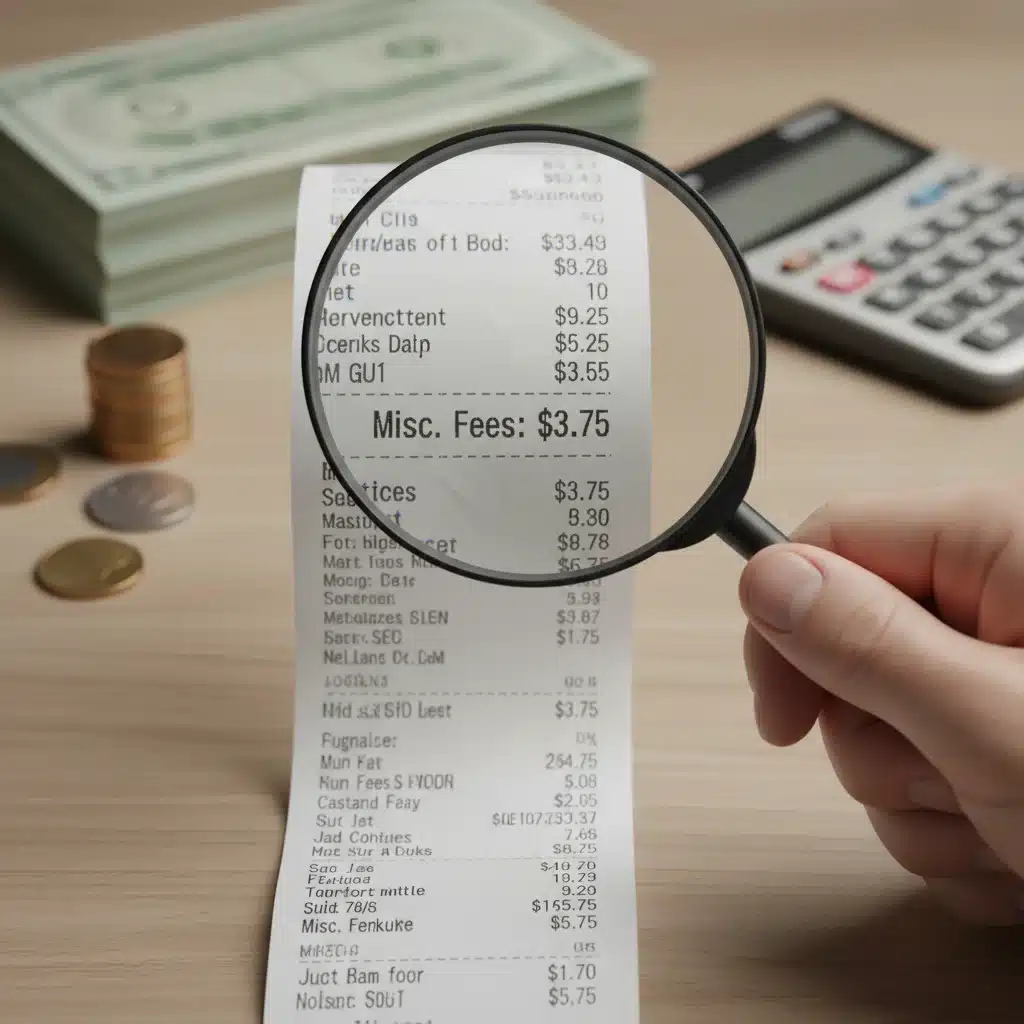
Day 19: Banking Fees
Are you paying monthly maintenance fees, ATM fees, or overdraft fees? Many banks offer free checking accounts or waive fees if you meet certain criteria. Switch to a bank with no fees if your current one is costing you money.
- Action: Review your bank statements for fees and explore fee-free banking options.
- Tip: Set up overdraft protection or alerts to avoid unnecessary charges.
Day 20: DIY vs. Paying for Services
Identify services you currently pay for that you could reasonably do yourself: house cleaning, lawn care, coffee runs, car washes, etc. While time is valuable, sometimes a little DIY can significantly cut unnecessary expenses.
- Action: List services you pay for and evaluate if you can DIY.
- Tip: Start with one or two DIY tasks to see how much time and money you save.
Phase 4: Reflection & Automation – Sustaining the Savings (Days 21-30)
The final phase is about consolidating your efforts, celebrating your progress, and setting up systems to ensure your new habits stick long after the challenge ends. This is crucial for long-term success in your quest to cut unnecessary expenses.
Day 21: Review Your Progress and Celebrate Small Wins
Look back at your spending tracker. How much have you saved so far? Acknowledge your efforts and celebrate your achievements, even the small ones. This positive reinforcement is vital for maintaining momentum.
- Action: Calculate your savings and reflect on the changes you’ve made.
- Tip: Treat yourself with a free or low-cost reward that aligns with your financial goals (e.g., a nice walk, a book from the library).
Day 22: Adjust Your Budget
Based on the expenses you’ve identified and cut, revise your monthly budget. Allocate the newly freed-up money towards your financial goals (savings, debt repayment, investments). This is where your ‘why’ from Day 1 comes into play.
- Action: Update your budget with your new, optimized spending limits.
- Tip: Be realistic with your new budget to ensure it’s sustainable.
Day 23: Automate Your Savings
The easiest way to ensure you save money is to automate it. Set up automatic transfers from your checking account to your savings or investment accounts immediately after you get paid. “Pay yourself first” before you have a chance to spend the money.
- Action: Set up automatic transfers for savings and investments.
- Tip: Start with a small amount if necessary and gradually increase it.
Day 24: Create a ‘Future Purchases’ List
Instead of impulse buying, create a list of items you want to purchase in the future. This allows you to think critically about whether you truly need something and gives you time to save for it without dipping into essential funds. This disciplined approach helps to permanently cut unnecessary expenses.
- Action: Start a running list of desired purchases and their estimated costs.
- Tip: Research items on your list to ensure you’re getting the best value.
Day 25: Implement the ‘Envelope System’ (Optional)
For categories where you struggle with overspending (e.g., dining out, entertainment), consider using the cash envelope system. Allocate a specific amount of cash for these categories at the beginning of the month. Once the cash is gone, you’re done spending for that category until the next month. This is a powerful tool to cut unnecessary expenses.
- Action: Experiment with the cash envelope system for one or two problem categories.
- Tip: Only use this for discretionary spending, not fixed bills.
Day 26: Review Your Investment Strategy (If Applicable)
If you have investments, briefly review them. Are you paying high fees? Are your investments aligned with your risk tolerance and goals? Small fee differences can add up significantly over time.
- Action: Check your investment fees and fund performance.
- Tip: Consider low-cost index funds or ETFs if your current fees are high.
Day 27: Plan for Irregular Expenses
Many people forget about irregular expenses like annual car registration, holiday gifts, or home maintenance. Create a sinking fund for these by setting aside a small amount each month. This prevents these expenses from derailing your budget and ensures you don’t have to dip into savings or go into debt.
- Action: List irregular expenses and create a plan to save for them.
- Tip: Use a separate savings account for sinking funds to avoid commingling.
Day 28: Educate Yourself Further
Financial literacy is an ongoing journey. Dedicate time to reading books, listening to podcasts, or watching videos on personal finance. The more you learn, the better equipped you’ll be to make smart financial decisions and continue to cut unnecessary expenses.
- Action: Read an article, listen to a podcast, or watch a video on personal finance.
- Tip: Follow reputable financial experts and resources.

Day 29: Reflect and Refine Your Habits
What worked well during the challenge? What was difficult? What spending triggers did you identify? Understand your personal relationship with money. This self-awareness is key to sustaining your efforts to cut unnecessary expenses and build lasting wealth.
- Action: Journal about your experience and insights gained during the challenge.
- Tip: Be kind to yourself; financial journeys have ups and downs.
Day 30: Create a Long-Term Financial Plan
You’ve successfully completed the 30-day challenge! Now, take everything you’ve learned and integrate it into a comprehensive long-term financial plan. This plan should include your budget, savings goals, debt repayment strategy, and investment objectives for 2026 and beyond. Remember, the goal is not just to cut unnecessary expenses for a month, but to cultivate a lifestyle of financial mindfulness.
- Action: Document your long-term financial plan.
- Tip: Schedule regular financial check-ins (e.g., monthly, quarterly) to review and adjust your plan.
Common Pitfalls and How to Avoid Them When You Cut Unnecessary Expenses
While the goal is to cut unnecessary expenses, the path isn’t always smooth. Being aware of common pitfalls can help you navigate them effectively:
- Too Drastic Cuts: Cutting too much too fast can lead to burnout and a feeling of deprivation, making you more likely to revert to old habits. Start with manageable cuts and gradually increase.
- Ignoring Small Expenses: The “latte factor” is real. Small, daily purchases add up. Don’t underestimate their cumulative impact.
- Lack of Accountability: Share your goals with a trusted friend, family member, or partner. Having someone to check in with can boost your motivation.
- Not Tracking Consistently: If you stop tracking, you lose sight of where your money is going. Make expense tracking a daily habit.
- Emotional Spending: Identify if you spend money out of boredom, stress, or sadness. Find healthier coping mechanisms that don’t involve retail therapy.
- Comparison Trap: Don’t compare your financial journey to others. Focus on your own goals and progress.
The Long-Term Benefits of Learning to Cut Unnecessary Expenses
Successfully completing this 30-day challenge to cut unnecessary expenses will have far-reaching benefits beyond just a fatter bank account:
- Increased Savings: The most obvious benefit, allowing you to build an emergency fund, save for a down payment, or invest more.
- Reduced Debt: Extra funds can be directed towards high-interest debt, freeing you from financial burden faster.
- Greater Financial Control: You’ll feel more empowered and less stressed about money.
- Improved Decision-Making: You’ll become more mindful of your purchases and align spending with your values.
- Peace of Mind: Financial security brings a profound sense of calm and reduces anxiety.
- Opportunity for Growth: With more disposable income, you can invest in personal development, education, or experiences that enrich your life.
- Better Prepared for 2026: Entering the new year with optimized finances means you’re ready for whatever challenges or opportunities come your way.
Conclusion: Your Financially Fitter 2026 Starts Now!
The journey to financial freedom begins with a single step, or in this case, a single 30-day challenge to cut unnecessary expenses. By committing to this process, you’re not just adjusting your budget; you’re transforming your financial mindset and building habits that will serve you for years to come. Remember, every dollar saved is a dollar earned, and every unnecessary expense cut is a step closer to your financial goals for 2026 and beyond.
Take the leap, embrace the challenge, and watch as your financial picture becomes clearer, stronger, and more aligned with the life you truly want to live. You have the power to make 2026 your most financially successful year yet!