Navigating Basic Checking and Savings Accounts: Essential Knowledge for 2026
In an ever-evolving financial landscape, understanding the foundational elements of personal banking is more crucial than ever. As we look towards 2026, the principles of managing your money effectively through basic banking accounts remain paramount. Whether you’re just starting your financial journey, looking to optimize your current setup, or simply seeking to refresh your knowledge, this comprehensive guide will equip you with the essential insights into basic checking and savings accounts. We’ll delve into their functionalities, benefits, potential pitfalls, and how to choose the best options to suit your financial goals.
The world of finance can often seem daunting, filled with jargon and complex products. However, at its core, personal finance begins with two fundamental tools: the checking account and the savings account. These two types of basic banking accounts serve distinct yet complementary purposes, forming the backbone of sound financial management for individuals and families alike. By mastering these basics, you lay a strong foundation for future financial success, enabling you to handle daily expenses, save for significant milestones, and build a secure future.
Understanding Basic Checking Accounts
A checking account is your primary transactional hub. It’s designed for everyday spending and easy access to your funds. Think of it as the engine of your daily financial operations, facilitating payments, deposits, and withdrawals. For anyone engaging with the modern economy, a checking account is virtually indispensable. It allows you to pay bills, make purchases, and receive income efficiently and securely.
Key Features and Benefits of Checking Accounts
- Debit Cards: Most checking accounts come with a debit card, allowing you to make purchases directly from your account at point-of-sale terminals or online. This eliminates the need to carry large amounts of cash and offers a convenient way to track spending.
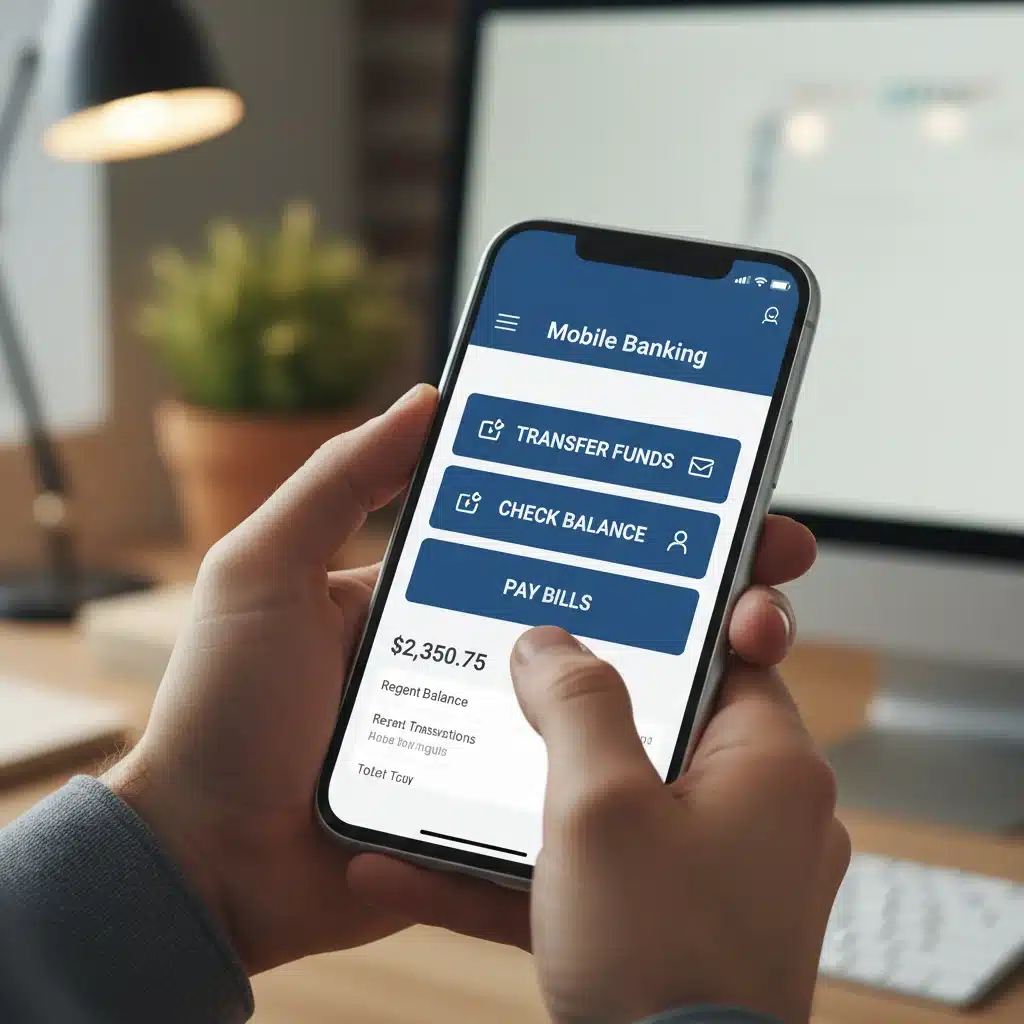
- Online and Mobile Banking: Nearly all financial institutions offer robust online and mobile banking platforms. These tools provide 24/7 access to your account, allowing you to check balances, transfer funds, pay bills, and even deposit checks remotely. This digital accessibility is a cornerstone of modern financial management and a key feature of efficient basic banking accounts.
- Bill Pay Services: Many checking accounts include free online bill pay, enabling you to schedule and pay your bills electronically. This feature helps prevent late payments and streamlines your financial obligations.
- Direct Deposit: A convenient way to receive your paycheck, government benefits, or other regular income directly into your account. Direct deposit saves time and ensures your funds are available promptly.
- ATM Access: Access to a network of ATMs for cash withdrawals, deposits, and balance inquiries. While some ATMs may charge fees, many banks offer fee-free access within their network or through partnerships.
- Overdraft Protection (Optional): Some accounts offer overdraft protection, linking your checking account to a savings account or line of credit to cover transactions that exceed your available balance. While useful, it’s essential to understand associated fees.
Common Fees Associated with Checking Accounts
While many banks advertise “free” checking accounts, it’s crucial to read the fine print. Several fees can erode your balance if you’re not careful:
- Monthly Maintenance Fees: Some accounts charge a monthly fee unless certain conditions are met, such as maintaining a minimum balance, setting up direct deposit, or making a certain number of transactions.
- Overdraft Fees: These are incurred when you spend more money than you have in your account and the bank covers the transaction, often with a hefty fee per occurrence.
- ATM Fees: Using an out-of-network ATM can result in fees from both your bank and the ATM owner.
- Returned Item Fees: If a check you deposit bounces, your bank might charge you a fee.
- Stop Payment Fees: Requesting to stop payment on a check can also incur a fee.
Understanding these potential costs is vital when choosing among various basic banking accounts. Always compare fee schedules and look for accounts that align with your spending habits to minimize unnecessary charges.
Exploring Basic Savings Accounts
In contrast to checking accounts, savings accounts are designed for storing money you don’t need for immediate expenses. Their primary purpose is to help you grow your wealth over time, typically by earning interest. These accounts are essential for building an emergency fund, saving for large purchases, or reaching long-term financial goals.
Key Features and Benefits of Savings Accounts
- Interest Earning: The most significant benefit of a savings account is the ability to earn interest on your deposits. While interest rates can vary significantly, even a modest rate can help your money grow over time.
- Safety and Security: Funds in savings accounts (and checking accounts) at FDIC-insured banks (in the U.S.) or CDIC-insured institutions (in Canada) are protected up to a certain limit, providing peace of mind.
- Limited Transactions: To encourage saving rather than spending, savings accounts often have restrictions on the number of withdrawals or transfers you can make per month without incurring fees. This limitation, often mandated by regulations, helps prevent treating a savings account like a checking account.
- Goal-Oriented Saving: Many banks offer tools within their online platforms to help you set savings goals and track your progress. This can be highly motivating for achieving financial milestones.
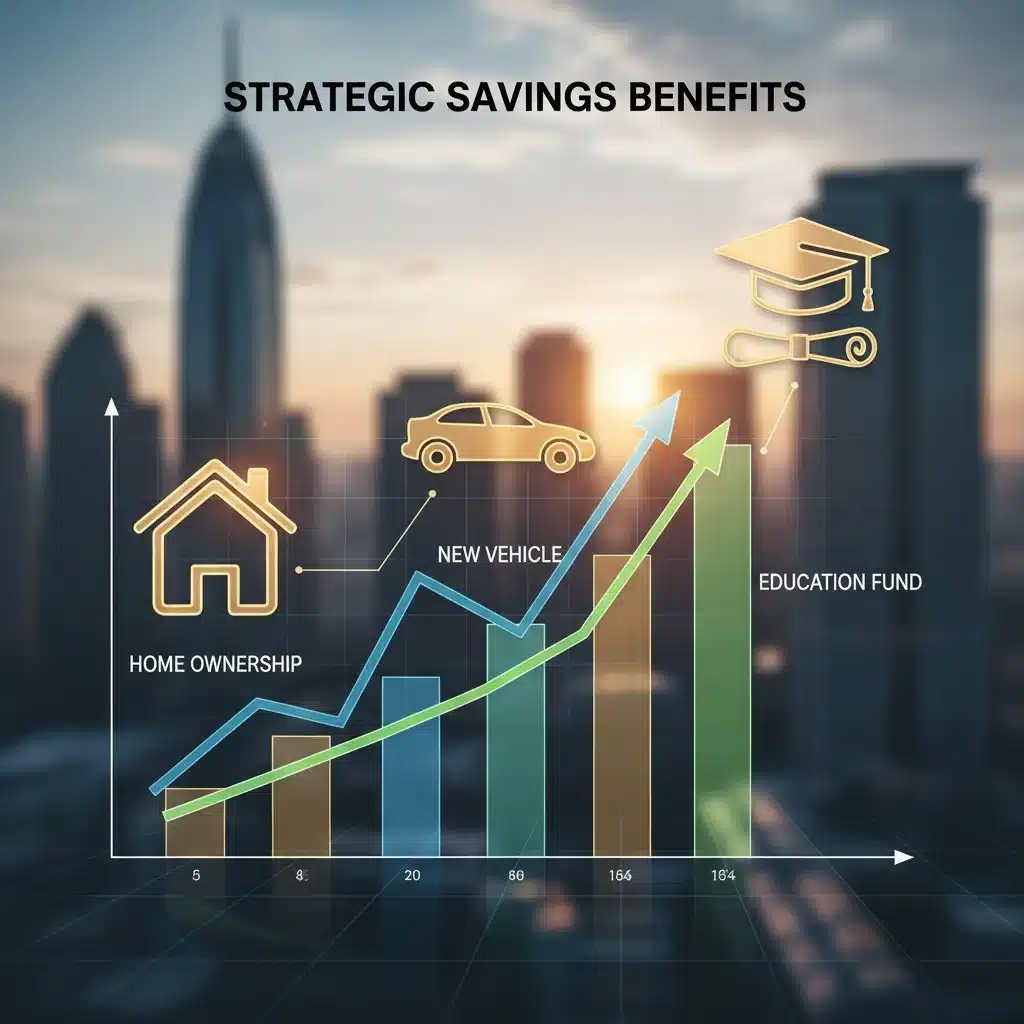
- Emergency Fund: A savings account is the ideal place to build an emergency fund, providing a financial safety net for unexpected expenses like medical bills, car repairs, or job loss. This is one of the most critical uses for basic banking accounts designed for savings.
Types of Savings Accounts
Beyond the standard savings account, there are variations that might better suit specific needs:
- High-Yield Savings Accounts (HYSAs): Offered primarily by online banks, HYSAs typically offer significantly higher interest rates than traditional brick-and-mortar banks. They are an excellent option for maximizing your savings growth.
- Money Market Accounts (MMAs): These accounts offer a hybrid of checking and savings features. They usually come with higher interest rates than regular savings accounts and may include check-writing privileges or a debit card, though with stricter transaction limits than a checking account. They often require a higher minimum balance.
- Certificates of Deposit (CDs): CDs are time-deposit accounts where you agree to keep your money deposited for a fixed period (e.g., 6 months, 1 year, 5 years) in exchange for a higher, fixed interest rate. Withdrawing funds before maturity usually incurs a penalty.
Distinguishing Between Checking and Savings: Why Both Are Essential
While both are fundamental basic banking accounts, understanding their distinct roles is key to effective money management. A checking account is for liquidity and transactions, while a savings account is for growth and long-term security. Using them correctly prevents common financial pitfalls.
Imagine trying to drive a car with only a gas pedal and no brakes – or vice versa. Your checking account is the gas pedal, enabling you to move money for daily needs, while your savings account is the brake, allowing you to slow down spending and accumulate wealth. Attempting to use a savings account for daily transactions can lead to excessive fees due to transaction limits, while keeping all your savings in a checking account means missing out on potential interest earnings and makes it easier to spend money earmarked for future goals.
For optimal financial health, it’s recommended to have both types of basic banking accounts. This setup allows you to:
- Separate Funds: Keep your spending money separate from your savings, making it easier to track your budget and avoid inadvertently spending money intended for long-term goals.
- Earn Interest: Maximize your earnings by storing emergency funds and long-term savings in an interest-bearing account.
- Avoid Fees: By using your checking account for daily transactions and your savings account for dedicated saving, you can avoid overdraft fees and excessive transaction fees that might arise from misusing either account type.
- Build Discipline: The structure of having separate accounts encourages disciplined saving habits, as money in your savings account is less accessible for impulse purchases.
Choosing the Right Basic Banking Accounts for You in 2026
With numerous financial institutions and account options available, selecting the right basic checking and savings accounts can feel overwhelming. However, by considering a few key factors, you can make an informed decision that aligns with your financial lifestyle and goals.
Factors to Consider When Choosing a Checking Account
- Fees: Prioritize accounts with low or easily waivable monthly maintenance fees, minimal ATM fees (especially if you frequently use out-of-network ATMs), and reasonable overdraft policies.
- Minimum Balance Requirements: Some accounts require you to maintain a minimum daily or monthly balance to avoid fees. Ensure this requirement is realistic for your financial situation.
- Accessibility: Consider the convenience of branch locations, ATM networks, and the quality of online and mobile banking platforms. If you prefer in-person banking, a local branch is important. If you’re tech-savvy, robust digital tools are key.
- Features: Look for features that are important to you, such as free online bill pay, direct deposit, and mobile check deposit.
- Customer Service: Read reviews and assess the bank’s reputation for customer service. Good support can be invaluable when issues arise.
Factors to Consider When Choosing a Savings Account
- Interest Rates: Compare interest rates (Annual Percentage Yield or APY) across different banks. Even a small difference can add up over time, especially for high-yield savings accounts.
- Fees: While savings accounts generally have fewer fees than checking accounts, be aware of any monthly maintenance fees, excessive withdrawal fees, or minimum balance requirements.
- Accessibility: While savings accounts are for long-term goals, you still need to access your money when necessary. Consider how easily you can transfer funds to your checking account or make withdrawals.
- FDIC/CDIC Insurance: Always ensure your chosen institution is federally insured to protect your deposits.
- Linking Options: Consider how easily the savings account can be linked to your checking account, especially for automatic transfers, which can be a powerful tool for consistent saving.
Optimizing Your Basic Banking Accounts for Maximum Benefit
Once you’ve selected your basic checking and savings accounts, the next step is to optimize their use to maximize your financial benefits. This involves strategic planning and leveraging the features your bank offers.
Tips for Managing Your Checking Account
- Monitor Your Balance Regularly: Use online or mobile banking to keep a close eye on your account balance. This helps prevent overdrafts and allows you to track your spending.
- Set Up Direct Deposit: Have your paycheck automatically deposited into your checking account. This ensures prompt access to funds and can sometimes help waive monthly fees.
- Utilize Online Bill Pay: Schedule recurring bills to be paid automatically. This saves time and helps avoid late fees.
- Avoid Overdrafts: Be mindful of your spending. If your bank offers overdraft protection, understand how it works and its associated costs. Consider linking your checking to your savings account for overdraft coverage, but be aware of the implications.
- Reconcile Your Account: Periodically compare your bank statements with your own records to identify any discrepancies or unauthorized transactions.
Strategies for Boosting Your Savings Account
- Automate Your Savings: Set up automatic transfers from your checking account to your savings account on a regular basis (e.g., weekly, bi-weekly, or monthly). Even small, consistent contributions add up significantly over time.
- Set Clear Goals: Define what you’re saving for (e.g., emergency fund, down payment, vacation). Having specific goals provides motivation and helps you stay on track.
- “Pay Yourself First”: Treat your savings contributions as a non-negotiable expense, just like rent or utilities. Allocate funds to savings immediately after receiving your income.
- Take Advantage of Windfalls: Direct any unexpected income, such as tax refunds, bonuses, or gifts, directly into your savings account.
- Review Interest Rates Annually: Interest rates can change. Periodically check if your savings account is still offering a competitive rate. If not, consider moving your funds to a high-yield savings account.
The Future of Basic Banking Accounts in 2026 and Beyond
The financial industry is constantly evolving, driven by technological advancements and changing consumer needs. As we look towards 2026, several trends are shaping the future of basic checking and savings accounts:
- Increased Digitalization: Mobile-first banking, AI-powered financial advice, and biometric security features will become even more prevalent, making banking more convenient and secure.
- Personalized Banking Experiences: Banks are leveraging data to offer more personalized products, services, and financial insights tailored to individual spending and saving habits.
- Fintech Integration: The line between traditional banks and financial technology (Fintech) companies will continue to blur, leading to innovative solutions and greater competition. Expect more seamless integration between banking apps and other financial management tools.
- Focus on Financial Wellness: More banks are likely to offer tools and resources aimed at improving customers’ overall financial health, including budgeting tools, credit score monitoring, and educational content. This holistic approach to financial well-being will be a significant differentiator.
- Sustainability and ESG Considerations: A growing number of consumers are looking for banks that align with their values, leading to an increased focus on Environmental, Social, and Governance (ESG) factors in banking practices.
Staying informed about these trends can help you anticipate changes and make proactive decisions about your basic banking accounts to ensure they continue to meet your needs in the future.
Common Mistakes to Avoid with Basic Banking Accounts
Even with a solid understanding of checking and savings accounts, it’s easy to fall into common traps. Being aware of these pitfalls can help you steer clear of unnecessary stress and financial setbacks.
- Ignoring Fees: Many people choose accounts based solely on convenience or initial appeal without thoroughly reviewing the fee schedule. These hidden costs can quickly erode your balance. Always read the fine print.
- Not Monitoring Your Accounts: Neglecting to regularly check your balance and transaction history can lead to overdrafts, missed fraudulent activity, or simply losing track of your spending.
- Keeping Too Much in Checking: While convenient for daily transactions, a checking account typically offers very low or no interest. Keeping large sums here means missing out on potential earnings from a savings account.
- Not Having an Emergency Fund: One of the biggest financial mistakes is not having a dedicated emergency fund in a savings account. Without it, unexpected expenses can lead to debt or force you to dip into long-term savings.
- Impulse Spending: Easy access to funds in a checking account can sometimes encourage impulse spending. Separating your “spending money” from your “saving money” can help mitigate this.
- Failing to Automate Savings: Relying solely on willpower to save often leads to inconsistent contributions. Automating transfers is one of the most effective ways to build savings consistently.
- Ignoring Security Best Practices: Not using strong, unique passwords, enabling two-factor authentication, and being wary of phishing scams can put your accounts at risk.
FAQs About Basic Checking and Savings Accounts
Q: What is the main difference between a checking and a savings account?
A: A checking account is designed for day-to-day transactions, bill payments, and easy access to funds, typically offering low or no interest. A savings account is for accumulating money, earning interest, and usually has limitations on withdrawals or transfers to encourage saving.
Q: Are my basic banking accounts insured?
A: Yes, most reputable banks in the U.S. are FDIC-insured, protecting your deposits up to $250,000 per depositor, per insured bank, for each account ownership category. In Canada, deposits are insured by the CDIC up to $100,000. Always confirm your bank’s insurance status.
Q: How can I avoid monthly maintenance fees?
A: Many banks offer ways to waive monthly fees, such as maintaining a minimum daily balance, setting up direct deposit, or making a certain number of debit card transactions per month. Check your bank’s specific requirements.
Q: Is a high-yield savings account always better?
A: High-yield savings accounts (HYSAs) generally offer better interest rates, but they often come from online-only banks, meaning less access to physical branches. They might also have higher minimum balance requirements or other conditions. For maximizing interest, they are often better, but consider your banking preferences.
Q: How much should I keep in my checking account?
A: It’s advisable to keep enough in your checking account to cover your monthly expenses and a small buffer, typically one to two months’ worth of living expenses. Any excess funds should ideally be moved to a savings account to earn interest.
Q: Can I link my checking and savings accounts?
A: Yes, in most cases, you can easily link your checking and savings accounts at the same institution. This allows for convenient transfers between accounts and can sometimes be used for overdraft protection.
Q: What is an emergency fund and why is it important?
A: An emergency fund is money set aside in a savings account specifically for unexpected expenses, such as job loss, medical emergencies, or car repairs. It’s crucial because it prevents you from going into debt or disrupting your long-term financial goals when unforeseen circumstances arise.
Conclusion: Building Your Financial Foundation with Basic Banking Accounts
As we navigate the complexities of 2026 and beyond, the importance of a solid financial foundation built upon well-managed basic checking and savings accounts cannot be overstated. These fundamental tools are not just places to hold your money; they are active instruments that, when used wisely, empower you to manage daily expenses, grow your savings, and achieve your financial aspirations.
By understanding the distinct roles of checking and savings accounts, being vigilant about fees, and leveraging modern banking features, you can optimize your financial life. Remember to choose accounts that align with your lifestyle, automate your savings, and regularly review your financial strategy. With these essential insights, you are well-equipped to make informed decisions and build a secure and prosperous financial future. Start today by reviewing your current basic banking accounts and making adjustments that put you on the path to financial success.