The Great Resignation’s Aftermath: 6 Opportunities for US Workers in 2026
The seismic shifts brought about by the Great Resignation continue to reverberate across the United States labor market. What began as a widespread exodus of workers seeking better pay, improved work-life balance, and more meaningful careers has evolved into a new, dynamic landscape. As we look ahead to 2026, the aftermath of this unprecedented phenomenon isn’t just about challenges; it’s about a wealth of emerging opportunities for US workers willing to adapt, learn, and strategically position themselves. Understanding these shifts is paramount for anyone aiming to thrive in the modern American economy.
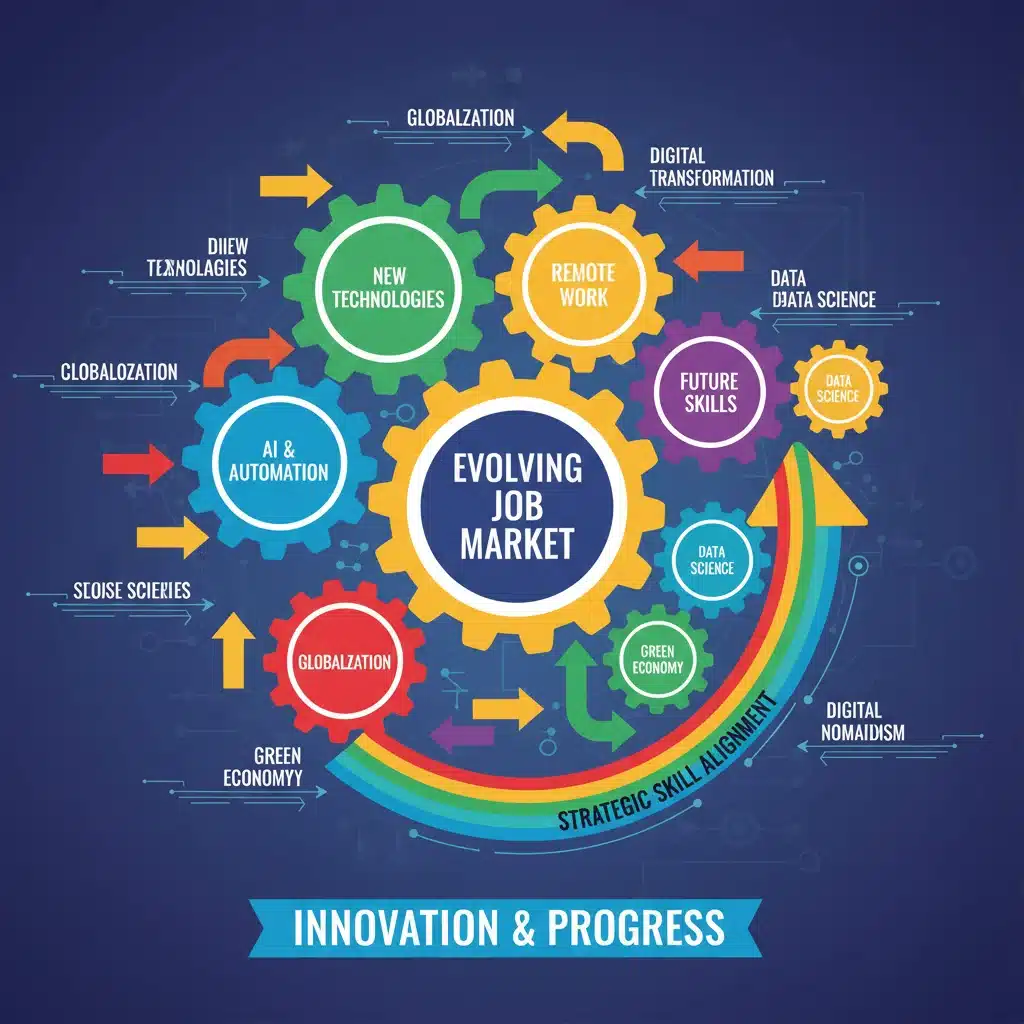
The Great Resignation wasn’t merely a temporary blip; it was a fundamental re-evaluation of the employer-employee relationship. Millions of Americans, spurred by pandemic-era introspection and changing priorities, left their jobs, creating both vacancies and a demand for new skills. This period accelerated trends that were already nascent, such as the adoption of remote work, the prioritization of employee well-being, and the urgent need for digital transformation across industries. For US workers, 2026 presents a unique juncture to capitalize on these enduring changes, transforming disruption into distinct career advantages. This article will delve into six pivotal opportunities that are poised to define success for American professionals in the coming years.
1. The Ascendancy of Digital Skills and AI Literacy
In 2026, the digital revolution shows no signs of slowing down; in fact, it’s accelerating. The Great Resignation underscored the critical need for businesses to enhance their digital infrastructure and capabilities. Consequently, the demand for individuals proficient in digital skills – from advanced data analytics and cybersecurity to cloud computing and software development – is at an all-time high and continues to grow. More specifically, the rapid advancements in Artificial Intelligence (AI) are creating a new frontier of job opportunities. It’s no longer enough to be merely computer literate; AI literacy, which includes understanding how AI systems work, how to leverage AI tools, and even how to develop AI applications, is becoming an indispensable asset for US workers.
This isn’t just about specialized tech roles. Every industry, from healthcare and finance to manufacturing and retail, is integrating AI into its operations. This means that marketing professionals need to understand AI-driven analytics, HR departments are using AI for recruitment and talent management, and even creative fields are exploring AI’s potential. For US workers looking to seize opportunities in 2026, investing in continuous learning around digital competencies and AI is non-negotiable. Online courses, certifications, and even self-taught projects can significantly boost employability and career progression. Companies are increasingly prioritizing candidates who can not only adapt to new technologies but actively contribute to their implementation and optimization.
The skills gap in these areas is substantial, meaning that workers who proactively acquire these capabilities will find themselves in high demand, often commanding premium salaries and enjoying greater job security. This trend is a direct result of the Great Resignation pushing companies to innovate faster and become more resilient through technology. Therefore, for US worker opportunities 2026, digital and AI literacy stand out as foundational pillars.
2. The Permanent Shift Towards Flexible and Remote Work Models
One of the most profound and lasting legacies of the Great Resignation is the mainstream acceptance and often preference for flexible and remote work arrangements. While some companies have attempted to mandate a full return to the office, the overwhelming evidence suggests that a significant portion of the workforce values the autonomy and work-life balance offered by remote or hybrid models. In 2026, this isn’t just a perk; it’s a fundamental aspect of many job descriptions and a key differentiator for employers. For US workers, this translates into unprecedented geographical flexibility and access to a wider array of job opportunities.
The ability to work from anywhere means that talent pools are no longer restricted by physical location. A skilled professional in Kansas can now realistically compete for a job based in New York or California. This opens doors for individuals in areas with fewer local opportunities and allows those seeking a particular lifestyle to pursue it without compromising their career aspirations. Moreover, companies that embrace flexible models often report higher employee satisfaction, reduced turnover, and access to a broader, more diverse talent pool. This creates a virtuous cycle where demand for such roles continues to grow.
For US workers, this opportunity requires developing strong self-management skills, effective virtual communication, and the ability to maintain productivity outside of a traditional office environment. Those who can demonstrate these qualities will be highly sought after. Employers are also increasingly investing in tools and strategies to support remote teams effectively, further solidifying this trend. The shift towards flexible work models is a cornerstone of the US worker opportunities 2026 landscape.

3. The Growing Demand for Green and Sustainable Economy Jobs
The global push towards sustainability and addressing climate change is creating an entirely new sector of the economy, often referred to as the ‘green economy.’ This is not a niche market; it’s a broad transformation impacting everything from energy production and manufacturing to agriculture and urban planning. By 2026, the demand for professionals with skills relevant to sustainability, renewable energy, environmental engineering, and sustainable supply chain management will have skyrocketed. Government initiatives, corporate ESG (Environmental, Social, and Governance) commitments, and increasing consumer awareness are all fueling this growth.
For US workers, this represents a significant and expanding field of opportunity. Roles range from solar panel installers and wind turbine technicians to environmental policy analysts, sustainability consultants, and specialists in green building design. Existing industries are also retooling, requiring professionals who can help them transition to more environmentally friendly practices. This includes manufacturing engineers who can design sustainable products, logistics experts who can optimize green supply chains, and marketing professionals who can communicate a company’s sustainability efforts effectively.
Acquiring certifications in renewable energy, environmental management, or sustainable business practices can open many doors. Universities and vocational schools are rapidly expanding their programs in these areas, indicating the long-term viability and growth potential of green jobs. The Great Resignation prompted many individuals to seek careers with greater purpose and societal impact, and the green economy offers exactly that. This sector is a major driver of US worker opportunities 2026, promising both economic stability and meaningful work.
4. Specialization in Healthcare and Wellness Sectors
The pandemic, which arguably triggered the Great Resignation, also shone a bright spotlight on the critical importance of healthcare and public health. While the immediate crisis may have subsided, the underlying trends of an aging population, increased focus on preventative care, and advancements in medical technology ensure that the healthcare and wellness sectors will continue to be robust sources of employment in 2026. However, the opportunities are increasingly shifting towards specialized roles and technology-driven healthcare solutions.
Beyond traditional roles, there’s a burgeoning demand for specialists in telehealth, health informatics, medical device technology, and personalized medicine. Mental health services, which saw a significant increase in demand during the pandemic, continue to be a high-growth area, creating opportunities for therapists, counselors, and psychiatric nurses. Furthermore, the broader wellness industry, encompassing everything from nutrition and fitness coaching to corporate wellness programs, is expanding as individuals and organizations prioritize holistic health.
For US workers, pursuing advanced degrees, certifications, or specialized training in these high-demand healthcare niches can lead to stable, well-paying careers. The integration of AI and data science into healthcare is also creating hybrid roles that require both medical knowledge and technological prowess. The Great Resignation saw many healthcare workers leave due to burnout, creating vacancies that need to be filled, but also highlighting the need for more sustainable and supportive work environments. This sector offers diverse US worker opportunities 2026, catering to a wide range of skills and interests.
5. The Rise of the Gig Economy and Entrepreneurship
The Great Resignation wasn’t just about finding new jobs; for many, it was about finding new ways of working. This led to a significant boost in the gig economy and a resurgence of entrepreneurial spirit. In 2026, these trends are expected to solidify, offering US workers unparalleled flexibility and control over their careers. The gig economy, once primarily associated with ride-sharing or delivery services, now encompasses a vast array of skilled professional services, from freelance consulting and project management to content creation and specialized technical support.
The allure of being your own boss, setting your own hours, and choosing your projects resonated deeply with many during the Great Resignation. This shift has been facilitated by technology, which connects freelancers with clients globally, and by companies increasingly relying on external contractors for specialized tasks to maintain agility and reduce overhead. For US workers, this means that developing a strong personal brand, honing marketable skills, and understanding how to navigate the freelance market are crucial. Platforms connecting freelancers with businesses are becoming more sophisticated, making it easier to find and secure work.
Entrepreneurship, too, is flourishing. Many who left traditional employment during the Great Resignation chose to start their own businesses, often leveraging their expertise to fill market gaps. The barriers to entry for starting a business have lowered, thanks to e-commerce platforms, digital marketing tools, and accessible online resources. For those with innovative ideas and a drive to create, 2026 is an opportune time to launch a venture. This path offers immense freedom and potential for high earnings, though it also comes with inherent risks and requires significant self-discipline. The growth of the gig economy and entrepreneurship provides unique US worker opportunities 2026 for those seeking autonomy.
6. Enhanced Focus on Soft Skills and Emotional Intelligence
While technical skills and digital literacy are undeniably important, the Great Resignation also highlighted the enduring value of human-centric ‘soft skills.’ As workplaces become more dynamic, diverse, and often remote, the ability to communicate effectively, collaborate seamlessly, demonstrate empathy, and adapt to change has become paramount. In 2026, employers are placing an even greater emphasis on emotional intelligence (EQ) as a critical component of professional success, recognizing its impact on team cohesion, leadership effectiveness, and overall organizational performance.
The shift towards more flexible work models, in particular, necessitates strong communication and collaboration skills to bridge geographical distances and maintain team synergy. Leadership roles, whether in traditional or remote settings, demand individuals who can inspire, motivate, and manage diverse teams with empathy and understanding. Problem-solving, critical thinking, and creativity are also highly valued, especially in environments where automation is handling routine tasks, leaving complex, nuanced challenges for human ingenuity.
For US workers, actively cultivating and showcasing these soft skills can provide a significant competitive edge. This isn’t about innate personality traits; emotional intelligence and other soft skills can be developed through training, self-reflection, and practice. Participating in workshops, seeking feedback, and taking on leadership roles – even in informal capacities – can strengthen these abilities. As AI handles more technical tasks, the uniquely human skills become even more indispensable, making them key to unlocking US worker opportunities 2026.
Navigating the Future: Strategies for US Workers in 2026
The landscape of work in the United States is undeniably different post-Great Resignation, and these changes are not fleeting. For US workers to not only survive but thrive in 2026 and beyond, a proactive and adaptive mindset is essential. The six opportunities outlined above are not exhaustive, but they represent significant growth areas that demand attention and strategic planning. Here are some actionable strategies to help navigate this evolving environment:
- Embrace Lifelong Learning: The pace of change means that skills can quickly become obsolete. Commit to continuous learning, whether through formal education, online courses, industry certifications, or self-study. Focus on acquiring skills that are transferable and future-proof, especially in digital and AI domains.
- Cultivate a Growth Mindset: View challenges as opportunities for growth. Be open to new technologies, different ways of working, and evolving job roles. A willingness to adapt and learn from new experiences is more valuable than ever.
- Network Strategically: Build and maintain a strong professional network, both online and offline. Connections can lead to mentorship, job opportunities, and insights into emerging trends. Attend industry events, join professional organizations, and engage in online communities.
- Develop a Personal Brand: In a competitive market, a clear and compelling personal brand can set you apart. Highlight your unique skills, experiences, and values. This is particularly important for those venturing into the gig economy or entrepreneurship.
- Prioritize Well-being: The Great Resignation underscored the importance of work-life balance. As you pursue opportunities, ensure they align with your personal values and support your mental and physical health. Seek out employers who genuinely prioritize employee well-being.
- Seek out Mentorship: Find experienced professionals who can guide you, offer advice, and help you navigate career decisions. Mentors can provide invaluable perspectives on industry trends and personal development.
Conclusion: A Resilient and Evolving Workforce
The Great Resignation, far from being a destructive force, has acted as a powerful catalyst, accelerating necessary transformations within the US labor market. It has compelled both employers and employees to re-evaluate priorities, embrace flexibility, and invest in future-oriented skills. As we move towards 2026, the opportunities for US workers are abundant, particularly for those who are agile, technologically adept, and committed to continuous personal and professional development.
From the burgeoning fields of digital technology and AI to the critical needs of the green economy and specialized healthcare, and from the liberating potential of the gig economy to the irreplaceable value of human soft skills, the pathways to success are diverse. The key lies in recognizing these shifts and proactively positioning oneself to capitalize on them. The American workforce is demonstrating remarkable resilience and adaptability, proving that even in the wake of significant disruption, innovation and growth can flourish. By strategically pursuing these US worker opportunities 2026, individuals can forge fulfilling and prosperous careers in this exciting new era of work.
The future of work is not a passive experience; it’s an active construction. Each US worker has the agency to shape their own trajectory by understanding these trends and investing in the skills that will be most valuable. The Great Resignation’s aftermath is not a period of recovery, but rather a dynamic phase of redefinition and reinvention, ripe with potential for those ready to seize it.