Economic Forecast 2026: GDP Growth & Key Sector Expansion
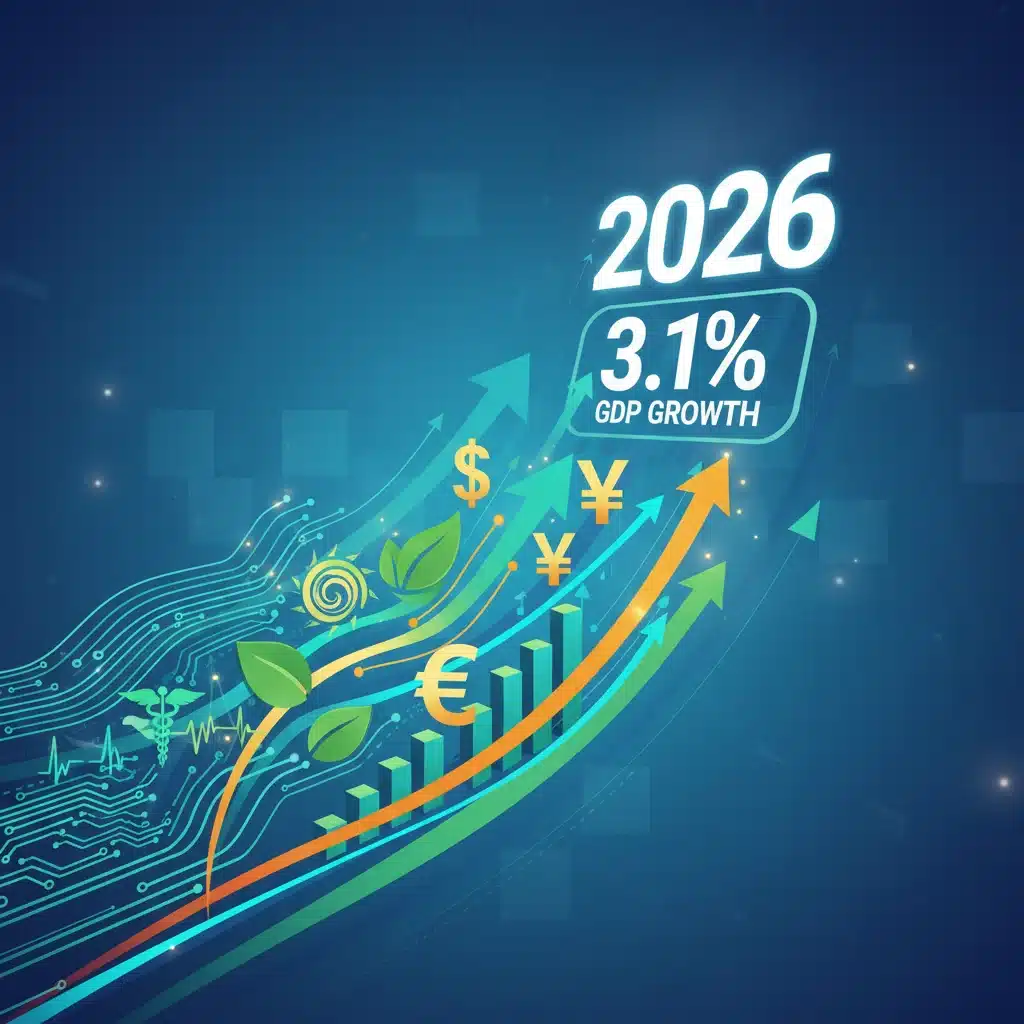
Economic Forecast 2026: GDP Growth Projected at 3.1% & Sectors Poised for Significant Expansion
As we navigate the complexities of the global economy, eyes are already turning towards the horizon, anticipating what the coming years hold. The economic forecast 2026 paints a broadly optimistic picture, with projections indicating a robust 3.1% growth in Global Gross Domestic Product (GDP). This anticipated expansion is not merely a number; it represents a confluence of technological advancements, evolving consumer behaviors, strategic government policies, and a renewed focus on sustainability. Understanding this economic forecast 2026 is crucial for businesses, investors, and policymakers alike, as it highlights the key drivers and the sectors that are expected to lead this significant expansion.
The global economy, having demonstrated resilience in the face of recent challenges, is now entering a phase characterized by cautious optimism and strategic reorientation. The 3.1% GDP growth projection for 2026 is underpinned by several factors, including easing inflationary pressures, stabilized supply chains, and a gradual return to pre-pandemic levels of economic activity in many regions. However, this growth is not expected to be uniform. Certain sectors are uniquely positioned to capitalize on these trends, driven by innovation, demographic shifts, and critical global needs. This article will delve deep into the nuances of the economic forecast 2026, exploring the macro-economic landscape and identifying the industries poised for the most significant expansion.
Understanding the Macro-Economic Landscape for 2026
The foundation of the economic forecast 2026 rests on several macro-economic pillars. Global central banks, having largely completed their tightening cycles, are expected to maintain stable monetary policies, providing a more predictable environment for investment and spending. Fiscal policies in major economies are likely to focus on infrastructure development, digitalization, and green initiatives, further stimulating growth in specific sectors. International trade, while still facing geopolitical headwinds, is anticipated to recover, buoyed by new trade agreements and a diversification of supply chains.
Furthermore, demographic shifts will play a pivotal role. The burgeoning middle class in emerging economies, coupled with an aging population in developed nations, will create distinct demand patterns. This duality will fuel growth in sectors catering to youth and innovation, as well as those addressing the needs of an older demographic, such as healthcare and specialized services. The ongoing digitalization of economies, accelerated by the pandemic, will continue to transform industries, making efficiency and technological integration paramount for competitiveness.
Inflation, a significant concern in recent years, is projected to normalize, albeit remaining slightly above historical averages in some regions. This moderation will restore consumer purchasing power and business confidence, paving the way for sustained growth. Labor markets, while tight in certain skilled areas, are expected to adjust, with automation and upskilling initiatives bridging some of the gaps. The overall sentiment surrounding the economic forecast 2026 is one of cautious optimism, acknowledging lingering risks such as geopolitical tensions and climate-related disruptions, but emphasizing the underlying strengths and adaptive capacities of the global economy.
Technology and Digital Transformation: The Unstoppable Force
When considering the economic forecast 2026, the technology sector invariably emerges as a primary growth engine. Digital transformation is not just a trend; it’s a fundamental shift reshaping every industry. From artificial intelligence (AI) and machine learning (ML) to the Internet of Things (IoT) and advanced data analytics, these technologies are driving unprecedented levels of efficiency, innovation, and personalization.
Artificial Intelligence and Machine Learning: AI and ML are no longer nascent technologies; they are becoming integral to business operations across sectors. In 2026, we anticipate widespread adoption of AI-powered solutions in areas such as predictive analytics, automated customer service, personalized marketing, and advanced manufacturing. Companies that effectively integrate AI into their core processes will see significant gains in productivity and competitive advantage. The demand for AI developers, data scientists, and AI ethics specialists will continue to surge, reflecting the critical role these technologies play in the economic forecast 2026.
Cloud Computing and Edge Computing: The migration to cloud platforms remains a dominant trend, offering scalability, flexibility, and cost efficiency. As data generation continues to explode, edge computing will gain prominence, bringing computation and data storage closer to the sources of data. This will be particularly crucial for real-time applications in autonomous vehicles, smart cities, and industrial IoT. The infrastructure providers for both cloud and edge computing are set for substantial growth.
Cybersecurity: With increased digitalization comes an elevated risk of cyber threats. Consequently, the cybersecurity market is projected for exponential growth. Businesses and governments will continue to invest heavily in robust security solutions to protect sensitive data and critical infrastructure. This sector’s expansion is not merely reactive; it’s a proactive response to safeguarding the digital economy, making it a cornerstone of the economic forecast 2026.
5G and Beyond: The rollout of 5G networks will continue to enable faster, more reliable connectivity, unlocking new possibilities for augmented reality (AR), virtual reality (VR), and advanced mobile applications. Research and development into 6G technologies will also intensify, promising even greater speeds and lower latencies in the future. This foundational technology underpins much of the digital transformation expected by 2026.
Quantum Computing: While still in its early stages, quantum computing is an area of intense research and development. By 2026, we may see more practical applications emerge in fields like drug discovery, materials science, and complex optimization problems. Investments in quantum research and infrastructure will signal its long-term potential, subtly influencing the broader technological landscape outlined in the economic forecast 2026.
The technology sector’s dynamism and its pervasive impact across all other industries solidify its position as a leading force in the economic expansion predicted for 2026.
Renewable Energy and Green Technologies: Powering a Sustainable Future
The global imperative to address climate change, coupled with energy security concerns, positions renewable energy and green technologies as another cornerstone of the economic forecast 2026. Governments worldwide are committing to ambitious decarbonization targets, driving massive investments in sustainable solutions.
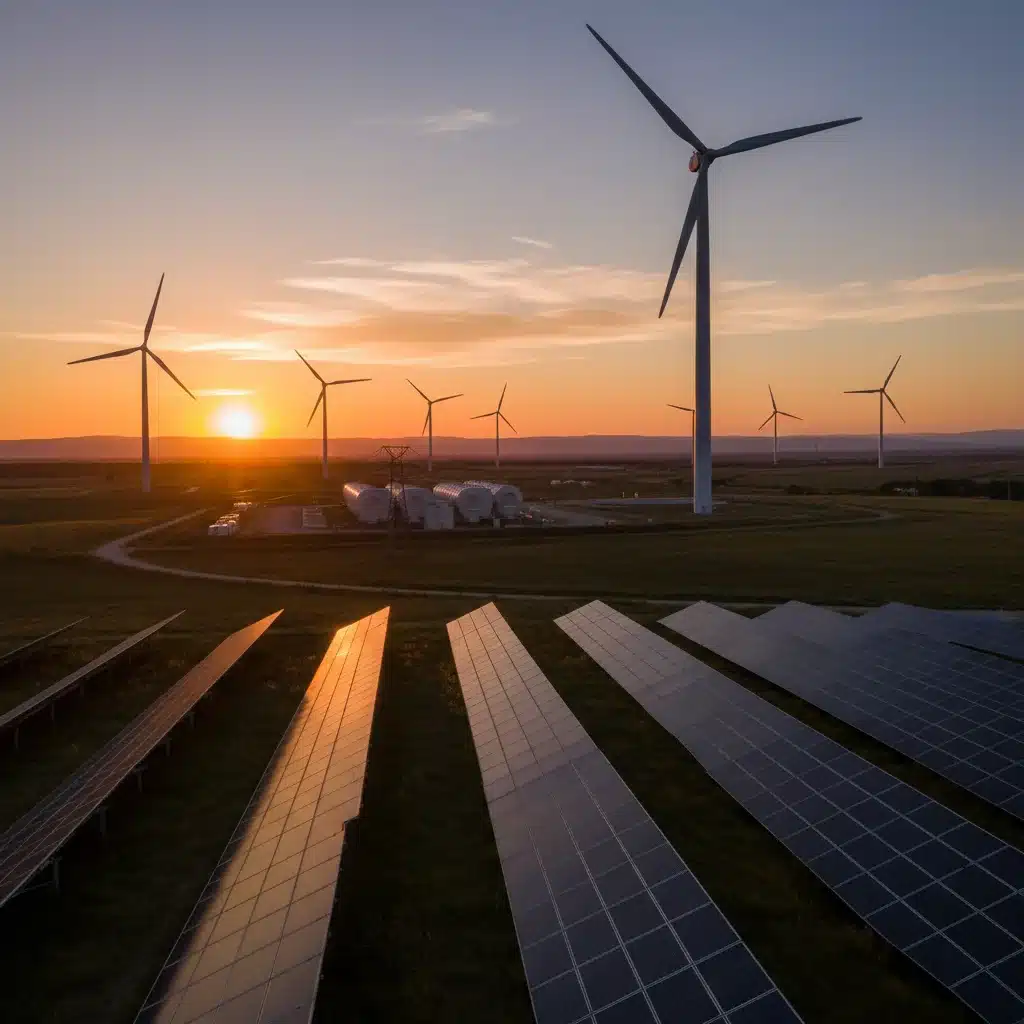
Solar and Wind Power: These established renewable energy sources will continue their rapid deployment. Advancements in photovoltaic cell efficiency and wind turbine technology, combined with declining costs, make them increasingly competitive against fossil fuels. The expansion of utility-scale solar farms and offshore wind projects will be a significant driver of growth. The economic forecast 2026 sees these technologies not just as alternatives but as primary energy sources.
Energy Storage Solutions: The intermittency of solar and wind power necessitates robust energy storage solutions. Battery technology, particularly lithium-ion and emerging solid-state batteries, will see substantial investment and innovation. Grid-scale storage, as well as residential and commercial battery systems, will be critical for grid stability and energy independence. This sector is vital for the widespread adoption of renewables, making it a key component of the economic forecast 2026.
Electric Vehicles (EVs) and Charging Infrastructure: The transition to electric vehicles is accelerating globally. By 2026, EV sales are expected to constitute a significant portion of new car sales. This growth will spur massive investments in EV manufacturing, battery production, and, crucially, the development of comprehensive charging infrastructure. Public and private partnerships will be essential to build out the necessary networks to support this shift, impacting the economic forecast 2026 profoundly.
Hydrogen Economy: Green hydrogen, produced using renewable energy, is emerging as a critical component for decarbonizing heavy industries, long-haul transport, and power generation. While still in its early stages, significant investments in electrolysis technology and hydrogen infrastructure are expected to lay the groundwork for a hydrogen economy by 2026 and beyond. This nascent but promising sector offers substantial long-term growth potential.
Sustainable Agriculture and Food Technology: Innovation in agriculture will focus on increasing yields while minimizing environmental impact. Precision agriculture, vertical farming, alternative proteins, and sustainable water management technologies will see increased adoption. These advancements address global food security challenges and contribute to a more sustainable planet, aligning with the broader goals of the economic forecast 2026.
The shift towards a greener economy is not just an environmental imperative but a powerful economic opportunity, creating new industries, jobs, and investment avenues that will significantly shape the economic forecast 2026.

Healthcare and Biotechnology: Innovation for Well-being
The healthcare and biotechnology sectors are perpetually at the forefront of innovation, driven by demographic changes, scientific breakthroughs, and public health needs. The economic forecast 2026 anticipates continued robust growth in these areas, particularly in personalized medicine, digital health, and advanced therapeutics.
Personalized Medicine and Genomics: Advances in genomics and bioinformatics are paving the way for personalized medicine, where treatments are tailored to an individual’s genetic makeup. This approach promises more effective therapies with fewer side effects. Investment in genetic testing, gene editing technologies like CRISPR, and targeted drug development will accelerate, transforming patient care and influencing the economic forecast 2026 significantly.
Digital Health and Telemedicine: The pandemic dramatically accelerated the adoption of digital health solutions. Telemedicine, remote patient monitoring, and AI-powered diagnostics will continue to expand, making healthcare more accessible and efficient. Wearable health tech and health apps will empower individuals to manage their well-being proactively, creating a vast market for innovative digital health products and services. This digitalization is a key driver in the economic forecast 2026 for healthcare.
Biopharmaceuticals and Vaccine Development: The lessons learned from recent global health crises underscore the critical importance of rapid biopharmaceutical and vaccine development. Ongoing research into new vaccines, advanced biologics, and novel drug delivery systems will remain a high-priority area, attracting substantial public and private funding. Companies in this space are poised for considerable growth, contributing heavily to the economic forecast 2026.
Medical Devices and Diagnostics: Innovation in medical devices, from advanced surgical robots to sophisticated diagnostic tools, will continue to improve clinical outcomes and operational efficiency in hospitals. Miniaturization, AI integration, and enhanced imaging capabilities will drive demand for cutting-edge medical technologies. The precision and effectiveness of these devices will be crucial for an aging global population, making them central to the healthcare component of the economic forecast 2026.
Mental Health Services: There is a growing recognition of the importance of mental health. This will lead to increased investment in mental health services, including digital therapy platforms, accessible counseling, and innovative treatments for neurological disorders. This expanding focus on holistic well-being represents a significant growth area within the broader healthcare sector, as highlighted by the economic forecast 2026.
The healthcare and biotechnology sectors, fueled by scientific discovery and societal needs, are set for sustained expansion, offering critical solutions for global well-being and substantial economic opportunities.
Advanced Manufacturing and Robotics: The New Industrial Revolution
The manufacturing sector is undergoing a profound transformation, driven by automation, advanced materials, and smart factory concepts. The economic forecast 2026 points to a resurgence in manufacturing, particularly in developed economies, through the adoption of Industry 4.0 principles.
Robotics and Automation: Industrial robots are becoming more sophisticated, versatile, and affordable, leading to increased adoption across various manufacturing processes. Collaborative robots (cobots) that work alongside human employees are enhancing productivity and safety. This trend is not about replacing human labor entirely but augmenting it, creating more efficient and resilient supply chains. The growth of robotics is a key feature of the economic forecast 2026 for manufacturing.
Additive Manufacturing (3D Printing): 3D printing is moving beyond prototyping to become a viable method for mass production, especially for complex parts and customized products. Advancements in materials science are expanding the range of printable materials, from advanced polymers to metals and ceramics. This technology enables on-demand production, reduces waste, and allows for greater design flexibility, fundamentally reshaping manufacturing processes and contributing to the economic forecast 2026.
Smart Factories and IoT: The integration of IoT devices, sensors, and data analytics is creating “smart factories” that can monitor, analyze, and optimize production processes in real-time. This leads to predictive maintenance, reduced downtime, and improved quality control. The pursuit of greater efficiency and adaptability in manufacturing environments will drive significant investment in these technologies, which are critical for the economic forecast 2026.
Advanced Materials: Research and development in new materials, such as composites, nanomaterials, and self-healing materials, will lead to lighter, stronger, and more durable products. These innovations have applications across aerospace, automotive, construction, and consumer goods, opening new markets and improving existing ones. The development of these materials is an underlying growth driver for the manufacturing sector in the economic forecast 2026.
Reshoring and Supply Chain Resilience: Geopolitical events and supply chain disruptions have prompted many companies to reconsider their global manufacturing strategies. Reshoring and nearshoring initiatives, aimed at bringing production closer to home, will drive investment in automated and advanced manufacturing facilities in developed countries. This strategic shift enhances supply chain resilience and contributes to domestic economic growth, aligning with the economic forecast 2026.
Advanced manufacturing and robotics are spearheading a new industrial revolution, characterized by intelligence, automation, and sustainability, positioning this sector for strong growth in the coming years.
Financial Services and Fintech: Evolving Landscape of Money
The financial services sector is undergoing a rapid transformation, driven by technological innovation and changing consumer expectations. The economic forecast 2026 predicts continued disruption and growth within fintech, digital payments, and sustainable finance.
Digital Banking and Neobanks: Traditional banks are increasingly adopting digital-first strategies, while neobanks (fully digital banks) continue to gain market share. Mobile banking, instant payments, and personalized financial management tools are becoming standard. This shift towards digital channels offers greater convenience and efficiency for consumers and businesses alike, making it a key area in the economic forecast 2026.
Blockchain and Decentralized Finance (DeFi): While still evolving, blockchain technology and decentralized finance hold the potential to revolutionize financial transactions, smart contracts, and asset management. By 2026, we may see more mainstream adoption of blockchain-based solutions in areas like supply chain finance, digital identity, and cross-border payments. Regulatory clarity will be crucial for the widespread integration of these technologies into the broader financial system, impacting the economic forecast 2026.
Payment Innovation: The payments landscape is constantly evolving, with the rise of contactless payments, mobile wallets, and real-time payment systems. Cross-border payments are becoming faster and more transparent, benefiting international trade and remittances. Companies that can offer secure, efficient, and user-friendly payment solutions are poised for significant growth. This innovation is a consistent driver in the economic forecast 2026.
Sustainable Finance and ESG Investing: Environmental, Social, and Governance (ESG) factors are increasingly influencing investment decisions. There is a growing demand for sustainable financial products, green bonds, and impact investing. Financial institutions that integrate ESG considerations into their offerings and operations will attract a new generation of conscious investors. This trend is not just ethical but also economically sound, playing a significant role in the economic forecast 2026.
Data Analytics and AI in Finance: AI and big data analytics are being used to enhance fraud detection, risk management, personalized financial advice, and algorithmic trading. These technologies enable financial institutions to make more informed decisions, improve customer service, and optimize operational efficiency. The intelligent application of data is a competitive differentiator in the modern financial landscape, as reflected in the economic forecast 2026.
The financial services sector, invigorated by technological advancements and a focus on sustainability, will continue its dynamic evolution, offering new opportunities for innovation and growth.
Logistics and Supply Chain Management: Reshaping Global Commerce
The recent global disruptions have underscored the critical importance of resilient and efficient logistics and supply chain management. The economic forecast 2026 anticipates significant investments and innovations in this sector, driven by digitalization, automation, and a focus on sustainability.
Supply Chain Digitization: The adoption of digital tools, such as supply chain management software, IoT sensors, and blockchain, will enhance visibility, traceability, and efficiency across global supply networks. Real-time data analytics will enable better demand forecasting, inventory management, and route optimization, minimizing disruptions and reducing costs. This digitalization is paramount for the future of global commerce, as reflected in the economic forecast 2026.
Automation in Warehousing and Logistics: Warehouses are becoming increasingly automated, with robots handling tasks like picking, packing, and sorting. Autonomous vehicles and drones are being explored for last-mile delivery and inventory management. These technologies improve speed, accuracy, and labor efficiency, addressing the challenges of a rapidly growing e-commerce landscape. The automation trend is a significant growth area within the economic forecast 2026.
Sustainable Logistics: There is a growing emphasis on reducing the environmental footprint of logistics operations. This includes adopting electric vehicles for deliveries, optimizing routes to minimize fuel consumption, and investing in green warehousing solutions. Companies that can offer environmentally friendly logistics services will gain a competitive advantage and contribute to broader sustainability goals, aligning with the economic forecast 2026.
Resilient Supply Chain Design: Businesses are actively working to build more resilient supply chains that can withstand future shocks. This involves diversification of suppliers, regionalization of production, and the strategic stockpiling of critical components. The focus is shifting from cost optimization alone to a balance of cost, efficiency, and resilience, profoundly impacting the economic forecast 2026.
Last-Mile Delivery Innovation: The growth of e-commerce continues to drive innovation in last-mile delivery. This includes the expansion of locker networks, crowd-sourced delivery models, and the exploration of autonomous delivery vehicles. The ability to deliver goods quickly and cost-effectively to the end consumer remains a critical competitive differentiator, further shaping the economic forecast 2026.
The logistics and supply chain sector, propelled by the need for efficiency and resilience, is undergoing a transformative period, offering substantial growth opportunities for companies providing innovative solutions.
Education and EdTech: Learning for the Future
The education sector is experiencing a profound shift, driven by technological advancements, evolving learning methodologies, and the need for continuous skill development. The economic forecast 2026 highlights significant growth in EdTech and lifelong learning initiatives.
Digital Learning Platforms: Online learning, which saw an unprecedented surge during the pandemic, will continue to expand. Advanced digital learning platforms offering interactive content, personalized learning paths, and virtual collaboration tools will become increasingly sophisticated. This includes K-12, higher education, and corporate training. The accessibility and flexibility of digital learning make it a key component of the education sector in the economic forecast 2026.
Personalized Learning and AI: Artificial intelligence is being integrated into EdTech to provide personalized learning experiences, adapting content and pace to individual student needs. AI-powered tutors, adaptive assessments, and intelligent content recommendations will enhance learning outcomes and engagement. This tailored approach to education is a major growth driver within the economic forecast 2026.
Skills Gap and Reskilling/Upskilling: The rapid pace of technological change creates a continuous need for new skills. Programs focused on reskilling and upskilling the workforce in areas like data science, AI, cybersecurity, and green technologies will be in high demand. Corporate training programs, vocational schools, and online certifications will play a crucial role in bridging the skills gap, forming a vital part of the economic forecast 2026.
Augmented Reality (AR) and Virtual Reality (VR) in Education: AR and VR technologies are transforming educational content, offering immersive and experiential learning opportunities. From virtual field trips to realistic simulations for medical training or engineering, these technologies make learning more engaging and effective. Investment in AR/VR educational content and hardware will see significant growth, influencing the economic forecast 2026.
Global Access to Education: EdTech has the potential to democratize access to quality education globally, particularly in underserved regions. Initiatives focused on providing affordable and accessible digital learning resources will gain traction, contributing to human capital development worldwide. This global reach makes education a potent force in the economic forecast 2026.
The education and EdTech sectors are not just adapting to change; they are leading it, preparing individuals for the challenges and opportunities of the future and contributing significantly to economic growth.
Conclusion: A Dynamic and Growing Economic Landscape
The economic forecast 2026, with its projected 3.1% GDP growth, underscores a dynamic and evolving global economy. While challenges such as geopolitical uncertainties and inflationary pressures persist, the underlying trends point towards sustained expansion driven by innovation and strategic investments. The sectors poised for significant growth—technology, renewable energy, healthcare, advanced manufacturing, financial services, logistics, and education—are all interconnected, each influencing and propelling the others forward.
For businesses, understanding these trends means identifying opportunities for diversification, technological adoption, and strategic partnerships. For investors, it highlights the areas where capital is likely to yield the most significant returns. For policymakers, it emphasizes the need for supportive regulatory frameworks, investment in infrastructure, and robust education and training initiatives to foster a skilled workforce capable of navigating the future.
The 2026 economic forecast is not just a prediction; it’s a blueprint for future growth, a roadmap for innovation, and a call to action for stakeholders across the globe to collaborate in building a more prosperous, sustainable, and technologically advanced future. The journey to 2026 will be marked by adaptability, foresight, and a commitment to harnessing the immense potential of these expanding sectors.
Author