U.S. Manufacturing Resilience 2026: 7% Boost from Reshoring Initiatives
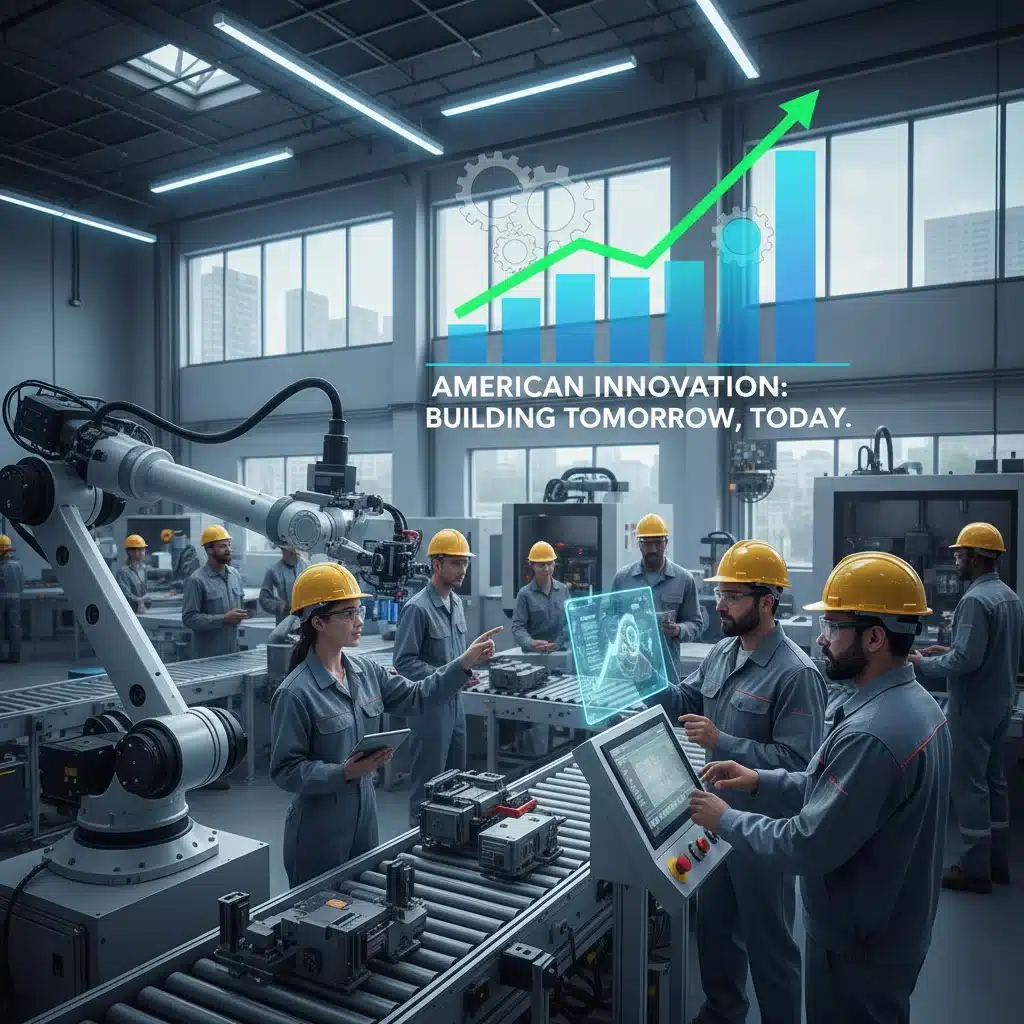
U.S. Manufacturing Sector Resilience in 2026: An Economic Deep Dive into a 7% Boost from Reshoring Initiatives
The landscape of global economics is perpetually shifting, and few sectors exemplify this dynamic more profoundly than manufacturing. For decades, the allure of lower labor costs drove countless American companies to offshore their production, leading to a significant decline in domestic manufacturing capabilities. However, a powerful counter-trend, known as reshoring, has been gaining considerable momentum, promising to revitalize the US manufacturing reshoring sector. Projections indicate that by 2026, the U.S. manufacturing sector could experience a remarkable 7% boost directly attributable to these reshoring initiatives. This deep dive explores the multifaceted aspects of this resurgence, examining its drivers, economic implications, challenges, and the long-term outlook for American industry.
The Reshoring Phenomenon: A Strategic Imperative for US Manufacturing
Reshoring, the process of bringing manufacturing and production back to a company’s home country, is not merely a nostalgic desire for past industrial glory. It is a strategic imperative driven by a confluence of economic, geopolitical, and logistical factors. The COVID-19 pandemic served as a stark wake-up call, exposing the fragilities of extended global supply chains and the profound risks associated with over-reliance on foreign production. Companies faced unprecedented disruptions, from factory shutdowns to shipping delays, leading to significant financial losses and an inability to meet consumer demand. This experience accelerated the conversation around US manufacturing reshoring, transforming it from a niche concept into a mainstream business strategy.
Beyond crisis management, several underlying trends are making reshoring an increasingly attractive option. Rising labor costs in traditional offshore manufacturing hubs, coupled with advancements in automation and robotics, have begun to erode the cost advantages that once made offshoring so appealing. Furthermore, increasing geopolitical tensions and trade disputes have highlighted the importance of national security and economic independence, pushing governments and corporations alike to prioritize domestic production. The drive for greater control over intellectual property, enhanced quality control, and faster time-to-market also contributes significantly to the growing momentum behind US manufacturing reshoring.
Quantifying the Boost: A 7% Growth Projection by 2026
The projection of a 7% boost to the U.S. manufacturing sector by 2026 due to reshoring is a significant indicator of the potential economic impact. This figure is not arbitrary; it stems from analyses that consider various factors, including announced reshoring projects, investment in new domestic facilities, and job creation estimates. The Reshoring Initiative, a leading advocacy group, has been tracking reshoring trends for years, consistently reporting an upward trajectory in the number of jobs brought back to the U.S. Their data, combined with economic modeling from various think tanks and government agencies, underpins these optimistic forecasts.
This 7% growth represents an increase in manufacturing output, employment, and capital investment. It signifies a tangible expansion of the industrial base, leading to a ripple effect across the economy. A stronger manufacturing sector means more high-paying jobs, increased tax revenues, and greater investment in research and development. It also fosters innovation, as companies seek to leverage advanced manufacturing technologies to make domestic production competitive. The boost is expected to be distributed across various sub-sectors, with particular emphasis on high-tech manufacturing, critical components, and strategic industries like pharmaceuticals and semiconductors, which were most affected by supply chain vulnerabilities.
Economic Implications: A Multiplier Effect on the U.S. Economy
The economic implications of a revitalized US manufacturing reshoring sector extend far beyond the factories themselves. Manufacturing has a powerful multiplier effect on the economy. For every job created in manufacturing, several additional jobs are often created in supporting industries, such as logistics, raw material supply, engineering, and professional services. This means that the direct job creation from reshoring will be amplified, leading to broader employment growth and increased consumer spending.
Furthermore, increased domestic production contributes to a more favorable balance of trade, reducing reliance on imports and strengthening the national currency. It also enhances economic stability by diversifying the sources of goods and reducing exposure to international shocks. The investment in new manufacturing facilities and technologies stimulates capital expenditure, driving demand for construction, machinery, and software. This cycle of investment, job creation, and increased economic activity creates a robust foundation for sustainable growth. The renewed focus on domestic production also encourages skill development and vocational training, addressing the critical need for a skilled workforce in advanced manufacturing.
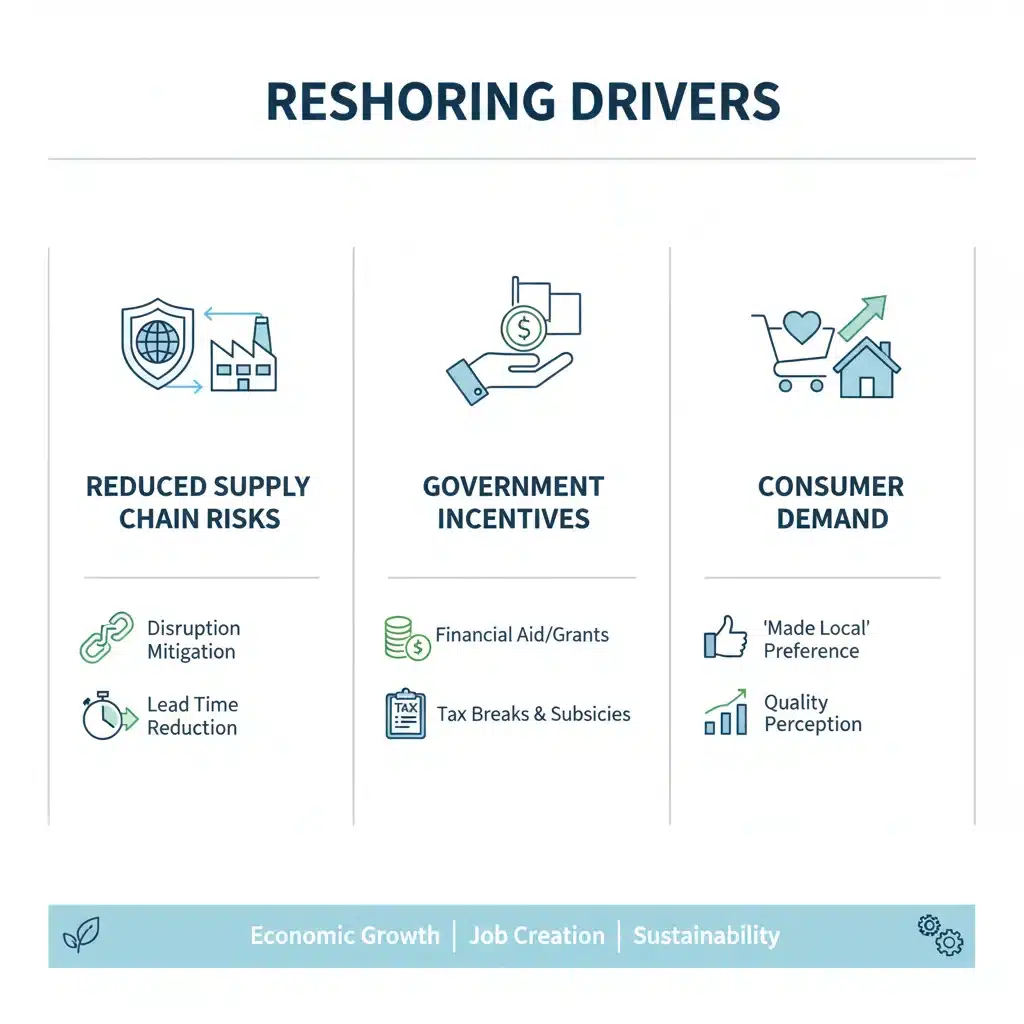
Key Drivers of US Manufacturing Reshoring
Several critical factors are propelling the US manufacturing reshoring trend:
- Supply Chain Resilience: The most immediate and impactful driver. Businesses are prioritizing stability and reliability over marginal cost savings, opting for shorter, more controllable supply chains.
- Rising Offshore Costs: Labor costs in traditional manufacturing hubs like China have steadily increased, narrowing the cost gap with U.S. production.
- Technological Advancements: Automation, robotics, artificial intelligence, and additive manufacturing (3D printing) are making U.S. factories more efficient and less reliant on cheap manual labor, thus making domestic production more competitive.
- Government Incentives and Policy: The U.S. government has actively promoted reshoring through various policies, tax incentives, and initiatives aimed at strengthening domestic industries, particularly in critical sectors like semiconductors (e.g., CHIPS Act) and clean energy.
- Consumer Demand for "Made in USA": There is a growing consumer preference for domestically produced goods, driven by concerns about quality, ethical sourcing, and supporting local economies.
- Intellectual Property Protection: Manufacturing domestically offers greater control and protection for valuable intellectual property, reducing the risk of theft or unauthorized replication.
- Reduced Lead Times and Faster Innovation: Proximity to design, engineering, and end-markets allows for quicker product development cycles, faster response to market changes, and more agile innovation.
- Environmental, Social, and Governance (ESG) Considerations: Companies are increasingly under pressure to demonstrate sustainable and ethical practices. Reshoring can offer better oversight of labor conditions and environmental impact.
Challenges and Hurdles to Overcome
While the outlook for US manufacturing reshoring is positive, the path is not without its challenges. Overcoming these hurdles will be crucial for realizing the full potential of the 7% boost.
- Skilled Labor Shortage: Decades of offshoring led to a decline in vocational training and a shortage of skilled workers in manufacturing. Attracting and training a new generation of engineers, technicians, and skilled tradespeople is paramount.
- High Capital Investment: Establishing new manufacturing facilities or retooling existing ones requires significant capital investment. While government incentives help, companies need strong financial backing and a clear return on investment.
- Regulatory Environment: The U.S. regulatory landscape can be complex and burdensome for manufacturers. Streamlining permitting processes and providing regulatory clarity can facilitate reshoring efforts.
- Infrastructure Gaps: While the U.S. has robust infrastructure, specific regions may require upgrades in energy, transportation, and digital connectivity to support new manufacturing hubs.
- Cost Competitiveness: Despite rising offshore costs, some sectors may still find it challenging to compete purely on price with foreign producers. Continuous innovation in automation and efficiency is necessary.
- Supply Chain Ecosystem: A fully developed supply chain ecosystem takes time to build. Reshoring a final assembly plant is easier than bringing back the entire network of component suppliers.
Addressing these challenges requires a concerted effort from government, industry, and educational institutions. Investment in workforce development programs, R&D, and infrastructure is essential to create an environment where US manufacturing reshoring can thrive.
Sector-Specific Growth: Where Reshoring Will Make the Biggest Impact
The anticipated 7% boost from US manufacturing reshoring will not be uniformly distributed across all industrial sectors. Certain industries are more susceptible to reshoring due to their strategic importance, high value-add, or previous reliance on vulnerable supply chains. Key sectors expected to see significant growth include:
- Semiconductors: The CHIPS and Science Act represents a monumental investment in domestic semiconductor manufacturing, aiming to reduce reliance on Asian fabrication plants and secure critical technology supply.
- Pharmaceuticals and Medical Devices: The pandemic highlighted the critical need for domestic production of essential medicines and medical supplies, driving significant reshoring efforts in this sector.
- Electric Vehicles (EVs) and Batteries: As the automotive industry shifts towards electrification, there is a strong push to establish a domestic supply chain for EV components, particularly battery manufacturing, to secure future competitiveness.
- Advanced Materials: Industries relying on specialized materials, from aerospace to defense, are increasingly looking to onshore production to ensure quality control and supply security.
- Renewable Energy Components: With ambitious clean energy goals, the U.S. is incentivizing domestic production of solar panels, wind turbine components, and other renewable energy technologies.
- High-Tech Electronics: While challenging due to the complexity of global supply chains, there’s a growing trend to bring back production of critical electronic components and devices, especially those with national security implications.
These sectors often involve high levels of automation and require a skilled workforce, aligning with the strengths of advanced U.S. manufacturing capabilities.
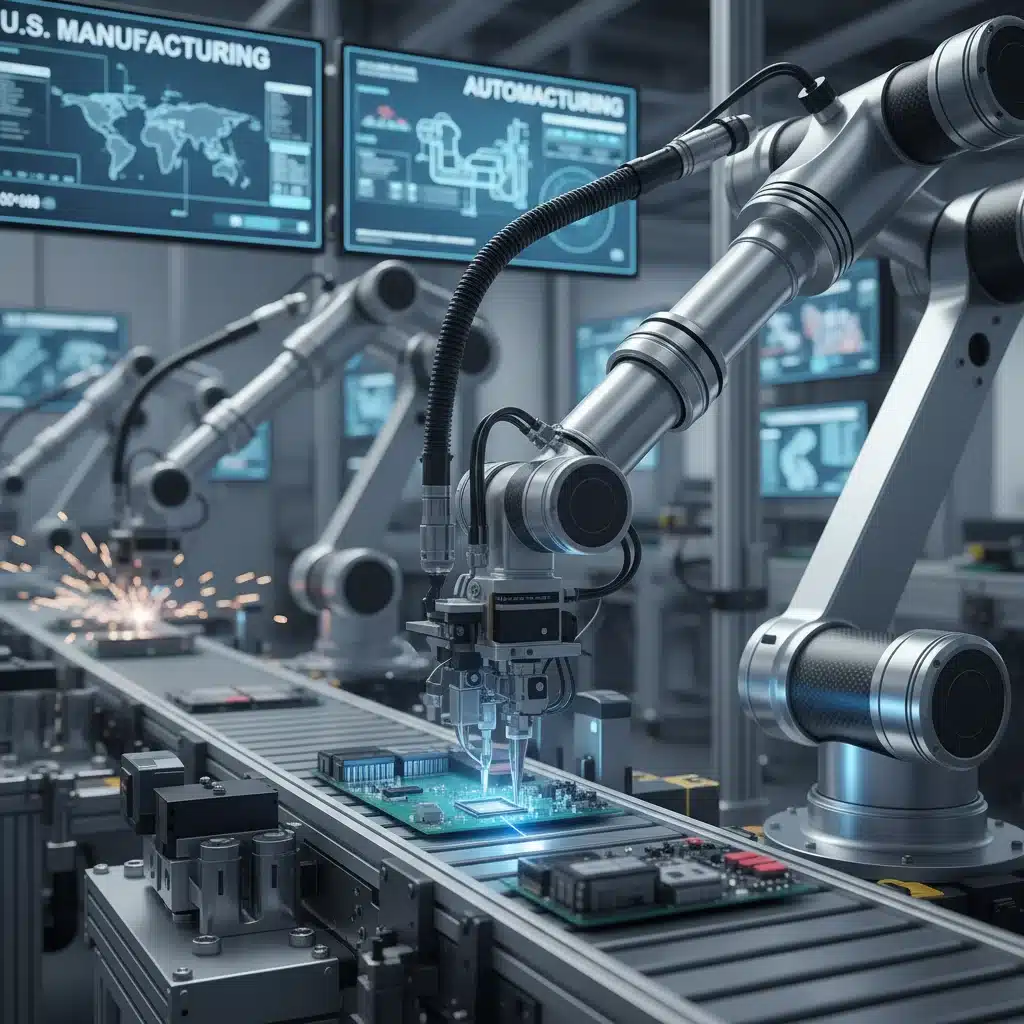
The Role of Technology and Automation in Reshoring
Technology is not just a driver of reshoring; it is its enabler. The notion that manufacturing jobs are solely low-wage and manual is outdated. Modern U.S. manufacturing relies heavily on advanced technologies that enhance productivity, precision, and competitiveness. Automation and robotics are critical in offsetting higher labor costs, making domestic production economically viable. Collaborative robots (cobots), artificial intelligence (AI), machine learning, and the Internet of Things (IoT) are transforming factory floors, creating "smart factories" that are highly efficient and adaptable.
Additive manufacturing (3D printing) allows for on-demand production and customization, reducing waste and the need for extensive inventory. Digital twin technology enables virtual prototyping and process optimization, further streamlining production. These technological advancements not only make US manufacturing reshoring more attractive but also create new types of high-skilled jobs in programming, data analysis, and robotics maintenance. Investing in these technologies is crucial for the long-term success and sustainability of the revitalized U.S. manufacturing sector.
Government Policies and Initiatives Supporting Reshoring
The U.S. government has recognized the strategic importance of US manufacturing reshoring and has implemented several policies and initiatives to support it. Key examples include:
- The CHIPS and Science Act: A landmark bipartisan bill that provides over $50 billion in subsidies for domestic semiconductor research, development, and manufacturing.
- The Inflation Reduction Act (IRA): This act includes significant tax credits and incentives for clean energy manufacturing, encouraging domestic production of renewable energy components and electric vehicles.
- "Made in America" Directives: Executive orders and federal procurement policies prioritize domestically produced goods and services, creating a steady demand for U.S. manufacturers.
- Workforce Development Programs: Investments in vocational training, apprenticeships, and STEM education aim to address the skilled labor shortage.
- Research and Development Funding: Government grants and partnerships with universities and industries foster innovation in advanced manufacturing technologies.
- Trade Policies: Strategic use of tariffs and trade agreements to level the playing field for domestic producers and address unfair trade practices.
These initiatives provide a framework of support, making it more feasible and attractive for companies to bring production back to American soil. The synergy between government policy and private sector investment is vital for achieving the projected 7% boost.
The Future Outlook: Sustained Growth and Global Competitiveness
Looking beyond 2026, the trend of US manufacturing reshoring is expected to continue, fostering sustained growth and enhancing the nation’s global competitiveness. The lessons learned from recent supply chain disruptions, coupled with ongoing technological advancements and supportive government policies, create a compelling case for a robust domestic manufacturing future. The focus will likely shift from merely bringing back production to establishing a resilient, innovative, and sustainable manufacturing ecosystem.
This future involves greater integration of artificial intelligence in factory operations, widespread adoption of advanced robotics, and the development of highly skilled, adaptable workforces. The U.S. could emerge as a leader in specialized, high-value manufacturing, leveraging its strengths in innovation and technology. While complete self-sufficiency is neither realistic nor desirable, a strategic rebalancing of global supply chains, with a stronger domestic core, will ensure greater economic security and resilience for the United States. The 7% boost by 2026 is not just a statistical projection; it’s a testament to a strategic pivot that promises to redefine American industry for decades to come.
Conclusion
The anticipated 7% boost in the U.S. manufacturing sector by 2026, driven by reshoring initiatives, marks a pivotal moment for the American economy. This resurgence is a response to global challenges and a proactive embrace of technological innovation and strategic economic independence. While significant hurdles remain, including workforce development and capital investment, the combined efforts of government, industry, and academia are paving the way for a more resilient, competitive, and advanced manufacturing landscape. The commitment to US manufacturing reshoring is not just about bringing jobs back; it’s about building a stronger, more secure economic future for the nation.
Author