Navigating the Impact of a 5% Drop in U.S. Agricultural Output by 2026
The Looming Harvest: Understanding a 5% Drop in U.S. Agricultural Output by 2026
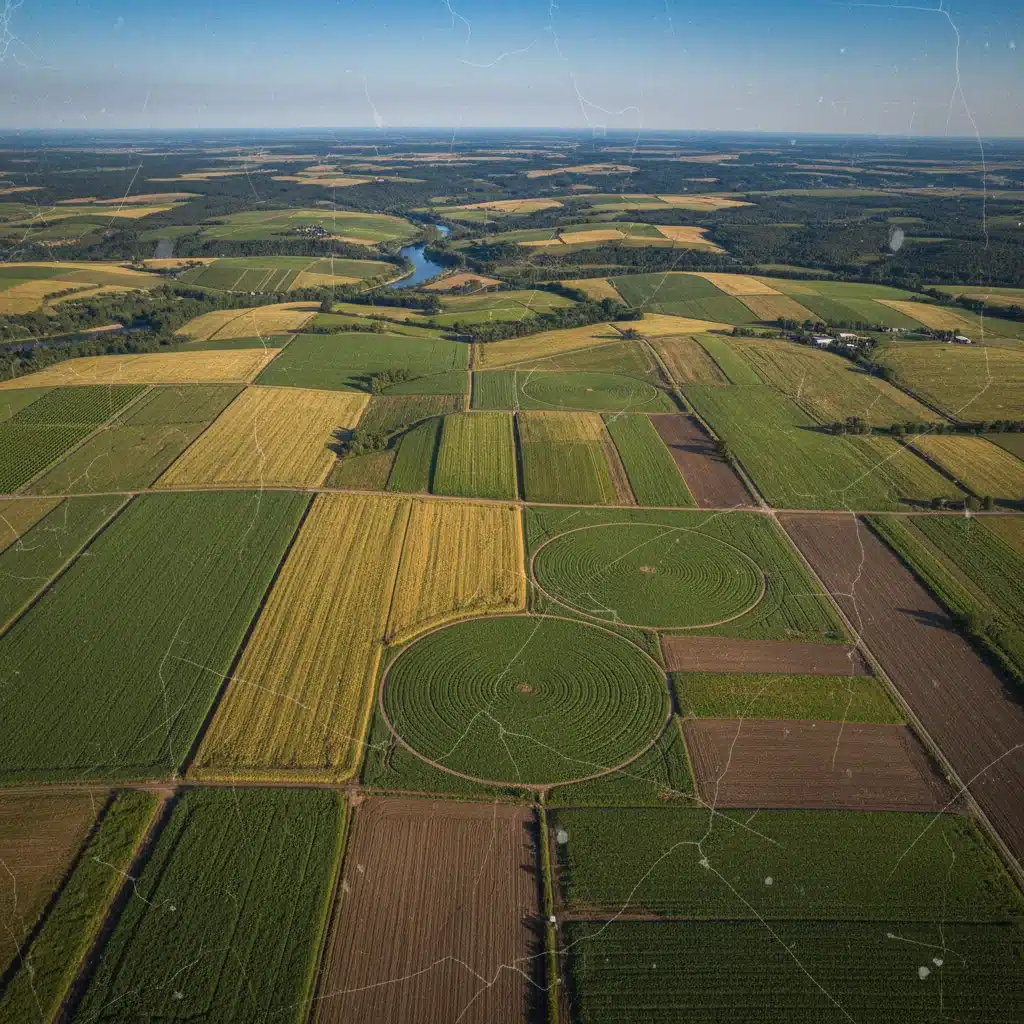
The United States, a global agricultural powerhouse, has long been a beacon of food security and a major exporter of agricultural products. Its vast farmlands and innovative farming techniques have consistently yielded abundant harvests, feeding not only its own population but also contributing significantly to global food supplies. However, projections indicate a potential “US agricultural output drop” of 5% by the year 2026, a scenario that warrants serious attention and analysis. Such a decline, while seemingly modest on the surface, could unleash a cascade of effects, profoundly impacting food prices, national economic stability, and even global food security. This article delves into the potential causes, far-reaching consequences, and crucial mitigation strategies associated with this projected downturn in U.S. agricultural production.
Decoding the ‘Why’: Potential Causes of a 5% US Agricultural Output Drop
Understanding the root causes behind a projected “US agricultural output drop” is the first step toward effective prevention and adaptation. Several interconnected factors could contribute to such a decline:
Climate Change and Extreme Weather Events
The undeniable reality of climate change presents one of the most significant threats to agricultural productivity. Increasingly frequent and severe weather events—droughts, floods, unseasonal frosts, and extreme heatwaves—can decimate crops and livestock. Extended droughts reduce water availability for irrigation, while floods can destroy fields and infrastructure. Unpredictable weather patterns make planting and harvesting schedules precarious, leading to reduced yields and increased crop loss. The U.S., with its diverse climatic zones, is vulnerable to a range of these phenomena, from the parched farmlands of the West to the flood-prone regions of the Midwest.
Water Scarcity and Resource Depletion
Beyond climate-induced droughts, the long-term depletion of vital water resources, particularly in key agricultural regions like the Western U.S., poses a critical challenge. Over-reliance on aquifers for irrigation, coupled with increasing demand from urban areas, strains water supplies. A reduction in available water directly translates to reduced acreage under cultivation or lower yields from irrigated land, contributing to a “US agricultural output drop.” Soil degradation, through erosion and nutrient depletion, further diminishes the productive capacity of agricultural land, requiring more inputs or leading to lower returns.
Labor Shortages and Workforce Dynamics
Agriculture is a labor-intensive industry, and a persistent shortage of skilled and unskilled labor can severely hamper production. Factors such as an aging farming population, restrictive immigration policies, and a lack of interest among younger generations in agricultural careers contribute to this deficit. Without sufficient hands to plant, tend, and harvest crops, or to care for livestock, the efficiency and scale of agricultural operations inevitably suffer, potentially leading to a “US agricultural output drop.”
Rising Input Costs
Farmers face ever-increasing costs for essential inputs such as fertilizers, pesticides, seeds, fuel, and machinery. Global supply chain disruptions, geopolitical events, and inflationary pressures can drive these costs sky-high. When the cost of production outstrips potential revenue, farmers may reduce planting acreage, switch to less input-intensive (and often lower-yielding) crops, or even cease operations altogether. This economic squeeze directly impacts the overall “US agricultural output drop.”
Pests, Diseases, and Biodiversity Loss
New and resistant pests and plant diseases are constantly emerging, often exacerbated by changing climate patterns. A decline in biodiversity, particularly among pollinators, also threatens crop yields. Farmers must continually invest in new strategies and technologies to combat these threats, and failures can lead to significant crop losses, directly contributing to a “US agricultural output drop.”
Policy and Trade Environment
Government policies, including subsidies, trade agreements, and environmental regulations, can significantly influence agricultural production. Unfavorable trade conditions, shifts in agricultural policy, or regulatory burdens that increase compliance costs can disincentivize production or make U.S. agricultural products less competitive globally, indirectly impacting the “US agricultural output drop.”
Ripple Effects: The Economic and Social Fallout
A 5% “US agricultural output drop” is not merely a statistical anomaly; it represents a significant reduction in the availability of food and raw materials, with wide-ranging economic and social consequences. The interconnectedness of the global economy means that such a shock would reverberate far beyond U.S. borders.
Soaring Food Prices and Inflation
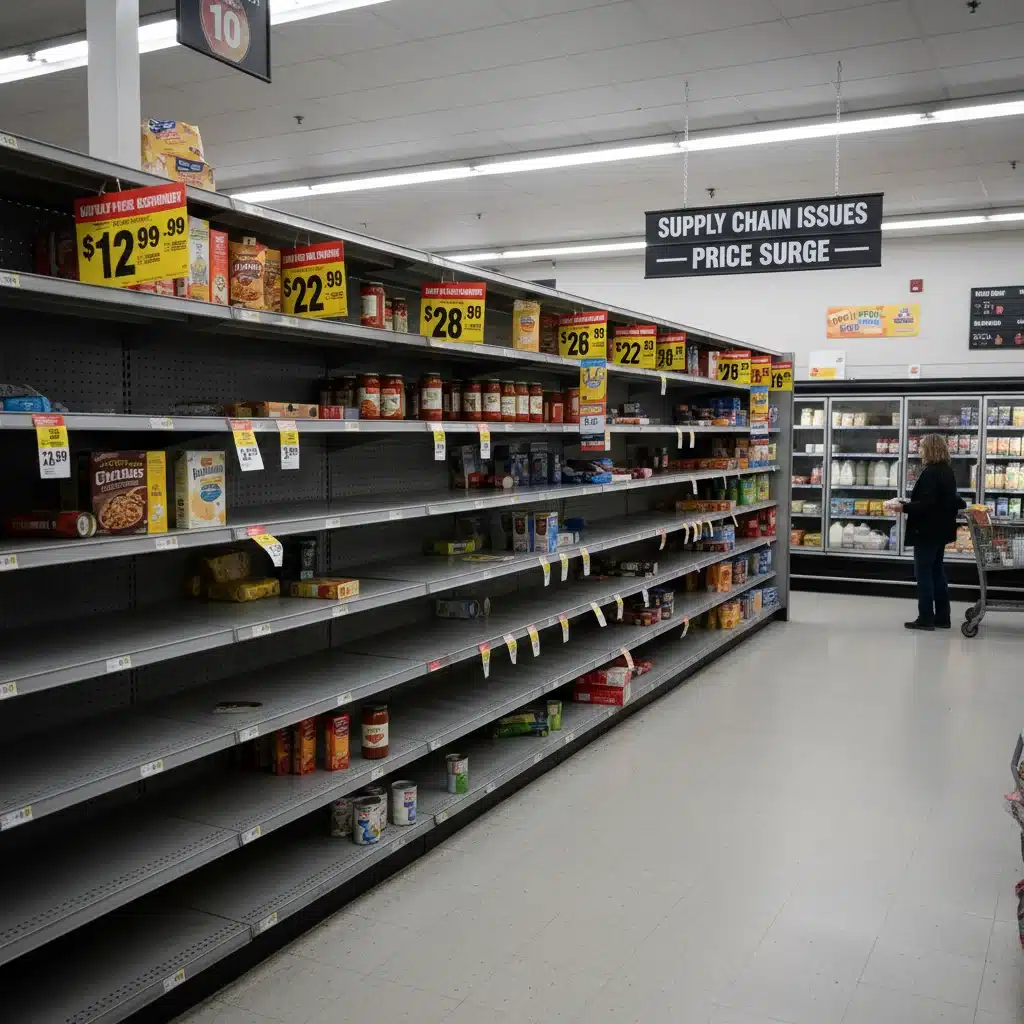
The most immediate and tangible impact for consumers would be a noticeable increase in food prices. A reduction in supply, even a 5% drop, against a backdrop of consistent or increasing demand, will inevitably drive up costs. This inflationary pressure would extend beyond raw agricultural commodities to processed foods, impacting grocery bills across the board. Lower-income households would be disproportionately affected, facing increased food insecurity and having to allocate a larger share of their budget to essential foodstuffs. This could lead to a decrease in discretionary spending, further slowing economic growth.
Economic Contraction and Job Losses
Agriculture is a foundational sector of the U.S. economy, supporting millions of jobs directly and indirectly. A “US agricultural output drop” would lead to reduced farm incomes, potentially forcing some farms out of business. This would result in job losses in rural areas, where agricultural employment is often a primary economic driver. Furthermore, industries reliant on agricultural inputs—food processing, transportation, packaging, and agricultural machinery manufacturing—would also experience downturns, leading to broader economic contraction and additional job losses across the supply chain.
Supply Chain Disruptions and Inefficiencies
A reduced harvest would strain existing supply chains, which are already vulnerable to disruptions. Less available produce means fewer goods to transport, process, and distribute, leading to inefficiencies and potential bottlenecks. This could exacerbate price increases and lead to inconsistent availability of certain products, further impacting consumer confidence and business operations. The delicate balance of “just-in-time” inventory management could be severely tested.
Impact on International Trade and Global Food Security
The U.S. is a major global exporter of agricultural products, including grains, soybeans, and meat. A 5% “US agricultural output drop” would significantly reduce these export volumes. This would have global repercussions, particularly for countries that rely on U.S. imports to meet their food needs. Reduced supply on the international market would drive up global food prices, potentially triggering food crises in vulnerable nations and exacerbating geopolitical tensions. The U.S.’s role as a reliable food provider would be diminished, impacting its international standing and trade relationships.
Rural Community Decline
Rural communities in the U.S. are heavily dependent on the health of the agricultural sector. A significant “US agricultural output drop” would hit these communities hard, leading to decreased economic activity, reduced tax revenues, and a decline in essential services. This could accelerate rural depopulation as residents seek opportunities elsewhere, further eroding the social and economic fabric of these vital regions.
Increased Food Waste (Paradoxically)
While output drops, paradoxical increases in food waste can occur due to inconsistencies in supply, processing bottlenecks, or quality issues with smaller, less uniform harvests. Farmers might be forced to leave certain crops unharvested if labor costs or market prices make it uneconomical, even as overall supply shrinks.
Strategies for Resilience: Mitigating the Impact of a US Agricultural Output Drop
Addressing a potential “US agricultural output drop” requires a multi-faceted approach involving technological innovation, policy changes, and shifts in agricultural practices. Proactive measures are essential to build resilience and safeguard the future of U.S. agriculture.
Investing in Climate-Resilient Agriculture
Developing and implementing climate-smart agricultural practices is paramount. This includes:
- Drought-resistant crops: Research and development into crop varieties that require less water or can withstand prolonged dry spells.
- Improved irrigation techniques: Adopting precision irrigation systems like drip irrigation and smart sensors to optimize water use and minimize waste.
- Soil health management: Practices such as no-till farming, cover cropping, and diversified crop rotations improve soil structure, water retention, and nutrient cycling, making land more resilient to extreme weather.
- Precision agriculture: Utilizing data analytics, GPS, and drones to optimize planting, fertilization, and pest control, leading to more efficient resource use and higher yields.
Enhancing Water Management and Conservation
Sustainable water management strategies are crucial, especially in arid regions. This involves:
- Water recycling and reuse: Investing in infrastructure for treating and reusing wastewater for agricultural purposes.
- Aquifer recharge: Implementing projects to replenish groundwater supplies.
- Policy reforms: Developing water policies that incentivize conservation and ensure equitable distribution among agricultural, urban, and environmental needs.
Supporting Agricultural Labor
Addressing labor shortages requires a combination of strategies:
- Immigration reform: Creating more accessible and efficient pathways for agricultural workers.
- Technological adoption: Investing in automation and robotics for tasks that are labor-intensive, such as harvesting and sorting, to supplement human labor.
- Workforce development: Training programs to attract and retain a skilled agricultural workforce, including younger generations.
Promoting Sustainable and Diversified Farming Systems
Moving away from monoculture and towards more diversified and sustainable farming systems can enhance resilience:
- Crop diversification: Growing a wider variety of crops reduces reliance on a single commodity and mitigates risks associated with specific pests, diseases, or market fluctuations.
- Agroforestry: Integrating trees and shrubs into agricultural landscapes can improve soil health, provide shade for livestock, and offer additional income streams.
- Organic and regenerative agriculture: These practices focus on ecological health, reducing reliance on synthetic inputs and building long-term soil fertility.
Strengthening Supply Chains and Infrastructure
Robust and resilient supply chains are vital to cushion the impact of a “US agricultural output drop.” This includes:
- Investing in infrastructure: Upgrading roads, ports, and storage facilities to ensure efficient movement of goods.
- Diversifying sourcing: Reducing over-reliance on single regions or suppliers for critical inputs.
- Local and regional food systems: Supporting local food production and distribution networks to reduce vulnerability to large-scale disruptions.
Research, Development, and Innovation
Continuous investment in agricultural research is crucial for developing new technologies, crop varieties, and farming practices that can overcome future challenges. This includes:
- Biotechnology: Developing genetically engineered crops with enhanced resistance to pests, diseases, and environmental stressors.
- Data science: Leveraging big data and artificial intelligence to improve predictive modeling for weather, yields, and market trends.
- Alternative proteins: Exploring and scaling up production of alternative protein sources to reduce pressure on traditional livestock farming.
Policy Support and Risk Management
Government policies play a crucial role in supporting farmers and ensuring agricultural stability:
- Crop insurance programs: Strengthening and expanding crop insurance to provide a safety net for farmers facing losses due to extreme weather or market volatility.
- Farm subsidies and incentives: Designing programs that encourage sustainable practices and help farmers adopt new technologies.
- Trade policies: Ensuring fair and stable international trade agreements that support U.S. agricultural exports while also protecting domestic food security.
The Global Context: A Domino Effect
It’s crucial to reiterate that a “US agricultural output drop” doesn’t happen in isolation. The U.S. is a linchpin in the global food system. A reduction in its output would not only impact domestic consumers and the economy but would also send ripples across international markets. Nations that depend on U.S. agricultural exports – particularly for staple crops – would face increased import costs, potentially leading to food shortages and social unrest. This could exacerbate existing global food insecurity challenges, making it a humanitarian issue as much as an economic one. Furthermore, a reduction in U.S. exports could create opportunities for other agricultural nations, potentially shifting global trade dynamics and alliances. The strategic importance of maintaining a robust agricultural sector in the U.S. extends far beyond its borders, influencing international stability and food access for millions worldwide.
Consumer Role in Mitigating Impact
While large-scale policy and agricultural practices are critical, consumers also have a role to play in mitigating the impact of a “US agricultural output drop.” Supporting local farmers and farmers’ markets can help strengthen regional food systems, reducing reliance on long supply chains. Reducing food waste at home is another significant contribution; minimizing discarded food effectively increases the available supply. Making conscious choices about diet, such as incorporating more plant-based meals, can also reduce the overall demand on resource-intensive agricultural products. Educating oneself about sustainable food choices and advocating for responsible agricultural policies can collectively contribute to a more resilient food system.
Conclusion: A Call to Action for US Agricultural Output
The prospect of a 5% “US agricultural output drop” by 2026 is a serious warning that demands immediate and concerted action. While the challenges – from climate change and water scarcity to labor shortages and rising costs – are formidable, they are not insurmountable. By embracing innovation, investing in sustainable practices, supporting agricultural communities, and implementing farsighted policies, the United States can fortify its agricultural sector against future shocks. The resilience of U.S. agriculture is not just about ensuring affordable food for its citizens; it is about maintaining economic stability, protecting rural livelihoods, and playing a responsible role in global food security. The time to cultivate a more robust and sustainable agricultural future is now, ensuring that the breadbasket of the world remains bountiful for generations to come.
Author