Federal Reserve Update: Interest Rate Hike Expected by July 2026 – How It Affects Mortgages and Savings
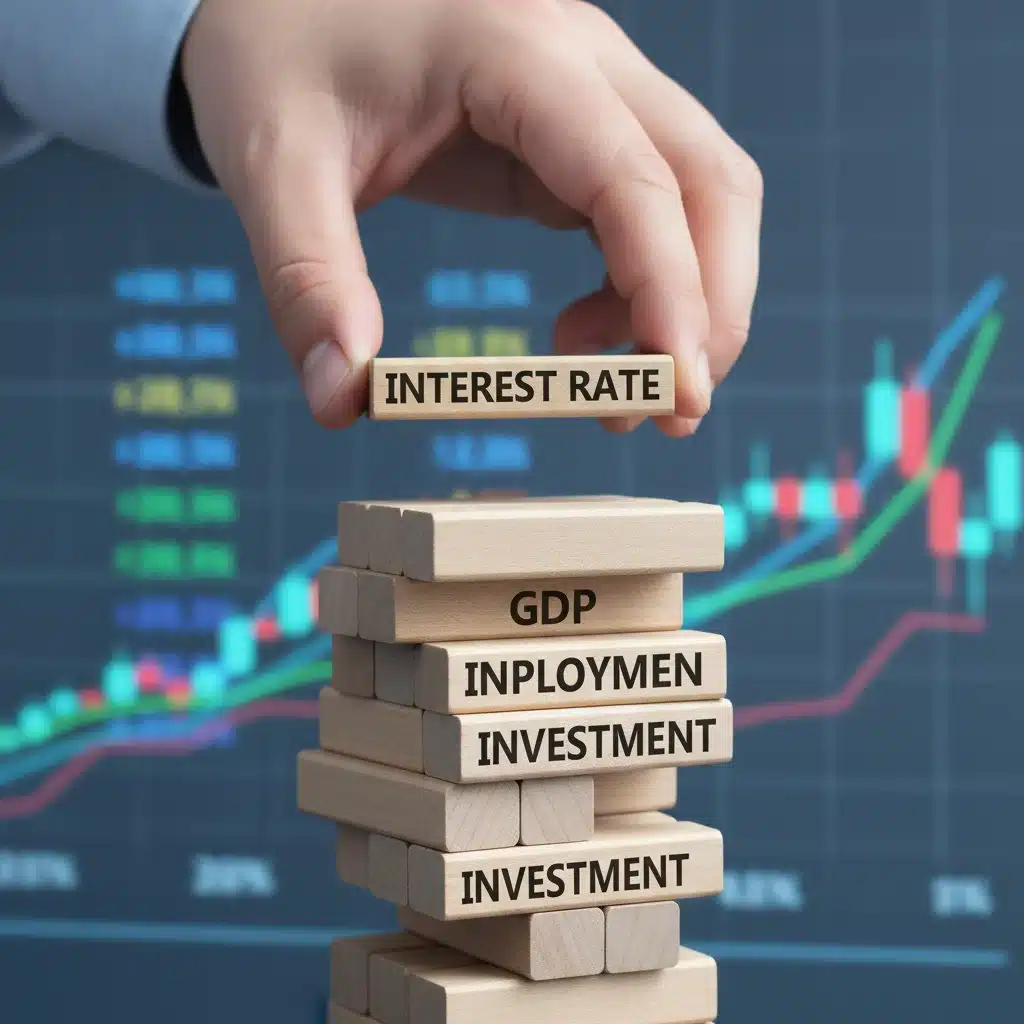
Federal Reserve Update: Interest Rate Hike Expected by July 2026 – How It Affects Mortgages and Savings
The financial landscape is constantly evolving, and at the heart of many of these shifts is the Federal Reserve. Recent signals from the Fed indicate a significant development: an interest rate hike of 50 basis points is expected by July 2026. This projection is not merely a technical adjustment; it carries profound implications for various aspects of the economy, particularly for mortgages and savings. Understanding these potential changes is crucial for individuals, families, and businesses alike to make informed financial decisions and navigate the upcoming economic environment.
The Federal Reserve, often referred to as ‘the Fed,’ plays a pivotal role in the U.S. economy. As the central banking system of the United States, its primary responsibilities include conducting monetary policy, supervising and regulating banking institutions, maintaining the stability of the financial system, and providing financial services to depository institutions, the U.S. government, and foreign official institutions. One of its most powerful tools for influencing economic activity is the federal funds rate, which directly impacts other interest rates throughout the economy.
When the Fed raises interest rates, it generally aims to curb inflation and cool down an overheating economy. Conversely, lowering rates is typically done to stimulate economic growth during periods of slowdown. The current expectation of a 50-basis-point hike by July 2026 suggests that the Fed anticipates a need to manage inflationary pressures or stabilize economic growth in the coming years. This forward guidance provides a window into the Fed’s long-term economic outlook and allows market participants to prepare for future conditions.
Understanding the Federal Reserve’s Role and Mandate
To truly grasp the significance of an impending Federal Reserve rates hike, it’s essential to understand the Fed’s dual mandate: maximizing employment and maintaining price stability. These two objectives often require a delicate balancing act. When inflation rises too quickly, the purchasing power of money erodes, hurting consumers and businesses. To combat this, the Fed might raise interest rates, making borrowing more expensive and slowing down economic activity, which in turn can reduce inflationary pressures.
On the other hand, if unemployment is high and economic growth is sluggish, the Fed might lower interest rates to encourage borrowing and spending, thereby stimulating job creation and economic expansion. The projection for a 50-basis-point increase by July 2026 indicates that, in the Fed’s view, the economy will likely be strong enough to withstand higher borrowing costs, or that inflationary pressures will necessitate such a move. This forward-looking stance is a key aspect of modern central banking, providing transparency and allowing markets to adjust gradually rather than react suddenly to unexpected changes.
The decision-making body for monetary policy within the Fed is the Federal Open Market Committee (FOMC). The FOMC meets eight times a year to assess economic and financial conditions, determine the appropriate stance of monetary policy, and evaluate the risks to its long-run goals of maximum employment and price stability. The guidance regarding a July 2026 hike likely stems from their ongoing analysis and projections, reflecting a consensus among committee members about the future trajectory of the economy and the necessary policy responses.
The Mechanics of an Interest Rate Hike
A 50-basis-point hike means the federal funds rate will increase by 0.50%. While this might seem like a small number, its ripple effects are extensive. The federal funds rate is the target rate for overnight lending between banks. When this rate goes up, banks’ cost of borrowing from each other increases, which they then pass on to consumers and businesses in the form of higher interest rates on loans, credit cards, and mortgages. This is a crucial mechanism through which the Federal Reserve rates policy influences the broader economy.
For instance, commercial banks often use the federal funds rate as a benchmark for their prime rate, which is the interest rate they charge their most creditworthy customers. Other lending rates, such as those for auto loans, personal loans, and variable-rate mortgages, are often tied to the prime rate. Therefore, an increase in the federal funds rate typically leads to a corresponding increase in these consumer lending rates. Understanding this chain reaction is fundamental to anticipating the impact on your personal finances.
Impact on Mortgages: What Homeowners and Buyers Need to Know
The housing market is particularly sensitive to changes in Federal Reserve rates. For prospective homebuyers, an interest rate hike means higher borrowing costs. A 50-basis-point increase could translate to a noticeable rise in monthly mortgage payments, reducing affordability and potentially cooling demand in the housing market. If you are considering purchasing a home, securing a fixed-rate mortgage before the hike materializes could save you a significant amount over the life of the loan.
For current homeowners, the impact depends on the type of mortgage they hold. Those with fixed-rate mortgages will likely be unaffected, as their interest rate is locked in for the duration of the loan. However, homeowners with adjustable-rate mortgages (ARMs) could see their monthly payments increase when their rate resets. It’s advisable for ARM holders to review their mortgage terms and consider refinancing into a fixed-rate loan if market conditions are favorable before the projected hike.
Refinancing, while potentially beneficial, comes with its own set of costs, including closing fees and other charges. Therefore, a careful analysis of the current rate, the new projected rate, and the associated refinancing costs is essential. Consulting with a financial advisor or mortgage broker can provide personalized insights and help you determine the best course of action for your specific situation. The goal is to minimize the financial burden of higher Federal Reserve rates on your housing costs.

Strategies for Mortgage Holders
- Fixed-Rate Mortgage Holders: Breathe easy. Your payments are secure.
- Adjustable-Rate Mortgage Holders: Evaluate your current rate and reset schedule. Consider refinancing to a fixed-rate mortgage to lock in current rates before the hike.
- Prospective Homebuyers: If you’re on the fence, accelerating your home purchase might be beneficial to secure a lower rate. Alternatively, factor higher rates into your budget and affordability calculations.
- Home Equity Lines of Credit (HELOCs): These are typically variable-rate products, so expect your payments to increase. Consider paying down your HELOC aggressively or exploring fixed-rate alternatives if available.
Implications for Savers: A Silver Lining?
While higher Federal Reserve rates generally mean increased borrowing costs, there’s a potential silver lining for savers. When interest rates rise, banks typically offer higher interest rates on savings accounts, money market accounts, and Certificates of Deposit (CDs). This means your money could earn more interest, allowing your savings to grow at a faster pace. This is a direct benefit for those who have substantial savings or are looking to build their emergency funds.
However, the increase in savings rates may not always be immediate or perfectly proportional to the Fed’s hike. Banks often adjust their rates based on a variety of factors, including competitive pressures, their own lending needs, and overall market conditions. Still, the general trend is that a higher federal funds rate translates to better returns for savers. This provides an incentive to save more and can help offset some of the increased costs associated with higher borrowing rates.
For individuals nearing retirement or those living on fixed incomes, higher savings rates can be particularly beneficial. It can provide a much-needed boost to passive income and help preserve purchasing power in an inflationary environment. Therefore, while the prospect of higher mortgages might be daunting, the improved outlook for savings offers a counterbalance that savvy financial planners will leverage.
Optimizing Your Savings Strategy
- Shop Around for High-Yield Accounts: Don’t assume your current bank will offer the best rates. Compare offerings from different banks and credit unions, especially online banks, which often provide more competitive rates due to lower overheads.
- Consider CDs: If you have funds you won’t need for a specific period, locking them into a Certificate of Deposit (CD) could offer a higher guaranteed return than a standard savings account. Laddering CDs can provide flexibility while still taking advantage of higher rates.
- Review Money Market Accounts: These accounts often offer higher interest rates than traditional savings accounts while still providing liquidity.
- Re-evaluate Investment Portfolios: Higher interest rates can also impact bond yields. Consult with a financial advisor to ensure your investment portfolio is aligned with the new interest rate environment.
Broader Economic Impact of Federal Reserve Rates
Beyond mortgages and savings, a Federal Reserve rates hike has broader implications for the economy. Businesses may face higher borrowing costs for expansion, investment, and operations. This could lead to a slowdown in corporate spending and hiring, potentially impacting economic growth. However, if the hike is a response to strong economic conditions and inflationary pressures, it could be seen as a necessary measure to ensure long-term stability rather than a harbinger of recession.
The stock market can also react to interest rate changes. Higher interest rates can make bonds more attractive relative to stocks, as bonds offer a guaranteed return. This can lead to a shift in investment capital from equities to fixed-income securities. Additionally, higher borrowing costs for companies can reduce their profitability, which can negatively affect stock prices. Investors will need to assess their portfolios and potentially adjust their strategies in anticipation of these changes.
Internationally, a U.S. interest rate hike can strengthen the U.S. dollar. A stronger dollar makes U.S. exports more expensive for foreign buyers and imports cheaper for U.S. consumers. This can impact trade balances and global capital flows. Countries with significant dollar-denominated debt may also face increased repayment burdens. The interconnectedness of the global economy means that the Fed’s decisions have far-reaching consequences beyond U.S. borders.

Preparing for the Future: Financial Planning in a Changing Rate Environment
Given the anticipated Federal Reserve rates hike, proactive financial planning is more important than ever. This involves not only understanding the potential impacts but also developing a strategy to mitigate risks and capitalize on opportunities. Here are some key areas to focus on:
- Budget Review: Re-evaluate your household budget to identify areas where you can cut expenses or increase savings. This will provide more flexibility to absorb potential increases in mortgage payments or other borrowing costs.
- Debt Management: Prioritize paying down high-interest debt, such as credit card balances, before interest rates rise further. This can significantly reduce your overall interest expenses. Consider consolidating debt into a lower-interest loan if feasible.
- Emergency Fund: Ensure you have a robust emergency fund, ideally covering 3-6 months of living expenses. This provides a buffer against unexpected financial shocks and reduces the need to take on high-interest debt during challenging times.
- Investment Portfolio Review: Consult with a financial advisor to review your investment portfolio. They can help you assess how higher interest rates might affect your holdings and recommend adjustments to maintain your financial goals. Diversification and a long-term perspective remain key.
- Stay Informed: Continue to monitor economic news and Federal Reserve announcements. Economic forecasts can change, and staying informed will allow you to adapt your financial strategy as needed.
The Fed’s projected interest rate hike by July 2026 is a significant economic signal that warrants attention. While it presents challenges for borrowers, particularly those with variable-rate mortgages, it also offers opportunities for savers to earn higher returns. By understanding the mechanisms behind Federal Reserve rates decisions and their broad economic impact, individuals and businesses can better prepare for the future. Proactive financial planning, including budget adjustments, debt management, and strategic savings, will be crucial in navigating this evolving financial landscape successfully. The time to review your financial strategy and make necessary adjustments is now, to ensure you are well-positioned for the economic conditions ahead.
Remember, financial decisions should always be tailored to your individual circumstances. Seeking advice from qualified financial professionals can provide invaluable guidance in making the best choices for your financial well-being in light of these anticipated changes. The goal is not just to react to the Fed’s actions, but to strategically plan and adapt, turning potential challenges into opportunities for financial growth and stability.
Author