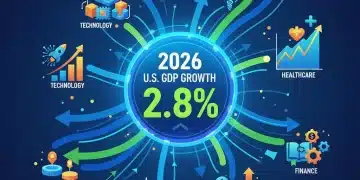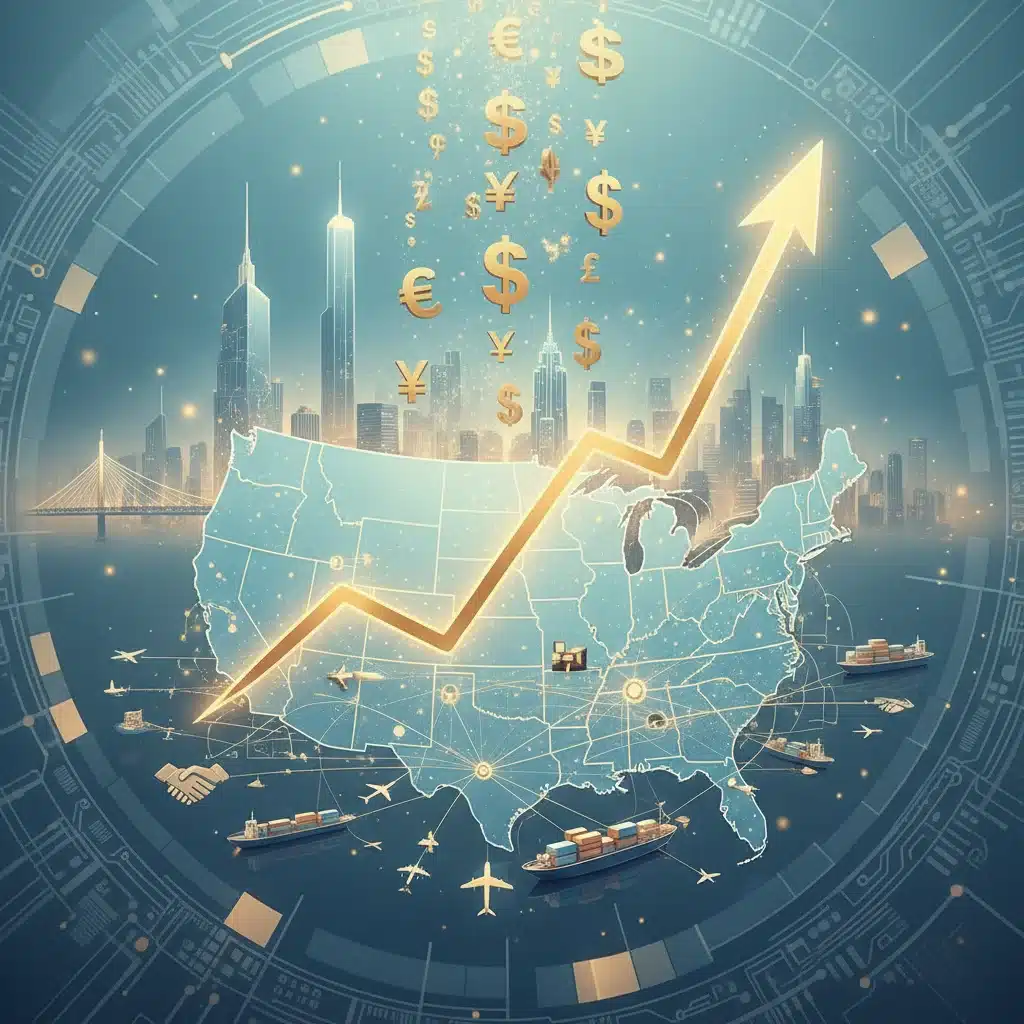
The economic landscape is ever-evolving, a complex tapestry woven from domestic policies, global events, and consumer behavior. As we cast our gaze towards the horizon of 2026, the 2026 US Economy Forecast emerges as a crucial point of discussion for economists, policymakers, and businesses alike. This comprehensive analysis aims to dissect the projected 2.5% GDP growth for the United States, examining the foundational elements that will underpin this expansion, the potential headwinds that could impede it, and the intricate global shifts that will inevitably influence its trajectory. Understanding the nuances of this forecast is paramount for strategic planning and navigating the economic currents of the mid-2020s.
Anúncios
The Foundation of the 2026 US Economy Forecast: Key Drivers
The projection of a 2.5% GDP growth for the 2026 US Economy Forecast is not arbitrary; it is built upon a series of robust economic indicators and anticipated trends. Several key drivers are expected to fuel this growth, creating a dynamic environment for businesses and consumers.
Consumer Spending: The Enduring Engine
Consumer spending remains the bedrock of the U.S. economy, typically accounting for approximately 70% of GDP. For 2026, economists anticipate sustained consumer confidence, bolstered by a relatively stable labor market and potentially easing inflationary pressures. Wage growth, even if modest, coupled with a healthy savings rate post-pandemic, could provide the necessary impetus for continued consumption. Innovation in retail, the rise of e-commerce, and evolving consumer preferences will also play a role, channeling spending into new and emerging sectors. The resilience of the American consumer, demonstrated through various economic cycles, suggests that this fundamental driver will continue to be a significant contributor to the 2026 US Economy Forecast. Furthermore, demographic shifts, such as the increasing purchasing power of younger generations and the sustained demand from an aging population, will influence consumption patterns and the types of goods and services in demand. Businesses that can adapt to these evolving consumer landscapes will be best positioned to capture market share and contribute to overall economic expansion.
Business Investment: Fueling Future Productivity
Business investment, particularly in technology and infrastructure, is another critical component of the 2026 US Economy Forecast. Companies are increasingly focusing on automation, artificial intelligence, and digital transformation to enhance productivity and competitiveness. Government initiatives, such as infrastructure spending packages, are expected to provide a significant boost, creating demand for materials, labor, and advanced technologies. This investment not only stimulates current economic activity but also lays the groundwork for future productivity gains, which are essential for sustainable long-term growth. The drive towards green energy and sustainable practices will also spur new investments in renewable energy infrastructure, electric vehicle manufacturing, and energy-efficient technologies. These capital expenditures will have a ripple effect across numerous industries, from manufacturing and construction to software development and specialized consulting services, all contributing to the positive outlook for the 2026 US Economy Forecast.
Anúncios
Innovation and Technology: The Catalyst for Expansion
The U.S. has long been a global leader in innovation, and this trend is expected to accelerate into 2026. Advancements in artificial intelligence, biotechnology, quantum computing, and sustainable technologies are poised to create entirely new industries and revolutionize existing ones. These technological leaps drive productivity improvements, create high-value jobs, and attract significant domestic and international investment. The spillover effects of these innovations, from enhanced supply chain efficiency to personalized healthcare solutions, will be felt across all sectors of the economy, providing a powerful tailwind for the 2026 US Economy Forecast. The continuous cycle of research, development, and commercialization ensures that the U.S. maintains its competitive edge, drawing in top talent and capital. Furthermore, the increasing integration of technology into everyday life, from smart homes to smart cities, will create sustained demand for technological products and services, acting as a perpetual growth engine.
Government Spending and Fiscal Policy
While the focus often remains on monetary policy, government spending and fiscal policy will play a substantial role in shaping the 2026 US Economy Forecast. Continued investment in infrastructure, defense, healthcare, and education will provide a stable demand base. The direction of fiscal policy, including tax reforms and budgetary allocations, will influence business confidence and consumer purchasing power. A balanced approach that supports growth without exacerbating inflationary pressures will be crucial for maintaining the projected 2.5% GDP expansion. The effectiveness of these policies will depend on bipartisan cooperation and their ability to address long-term structural issues within the economy, such as workforce development and technological adoption. Strategic government procurement, particularly in emerging technologies, can also stimulate private sector innovation and investment, reinforcing the positive aspects of the 2026 US Economy Forecast.
Potential Headwinds and Challenges for the 2026 US Economy Forecast
Despite the optimistic outlook, the path to 2.5% GDP growth for the 2026 US Economy Forecast is not without its challenges. Several significant headwinds could temper economic expansion, requiring careful monitoring and proactive policy responses.
Inflationary Pressures and Monetary Policy
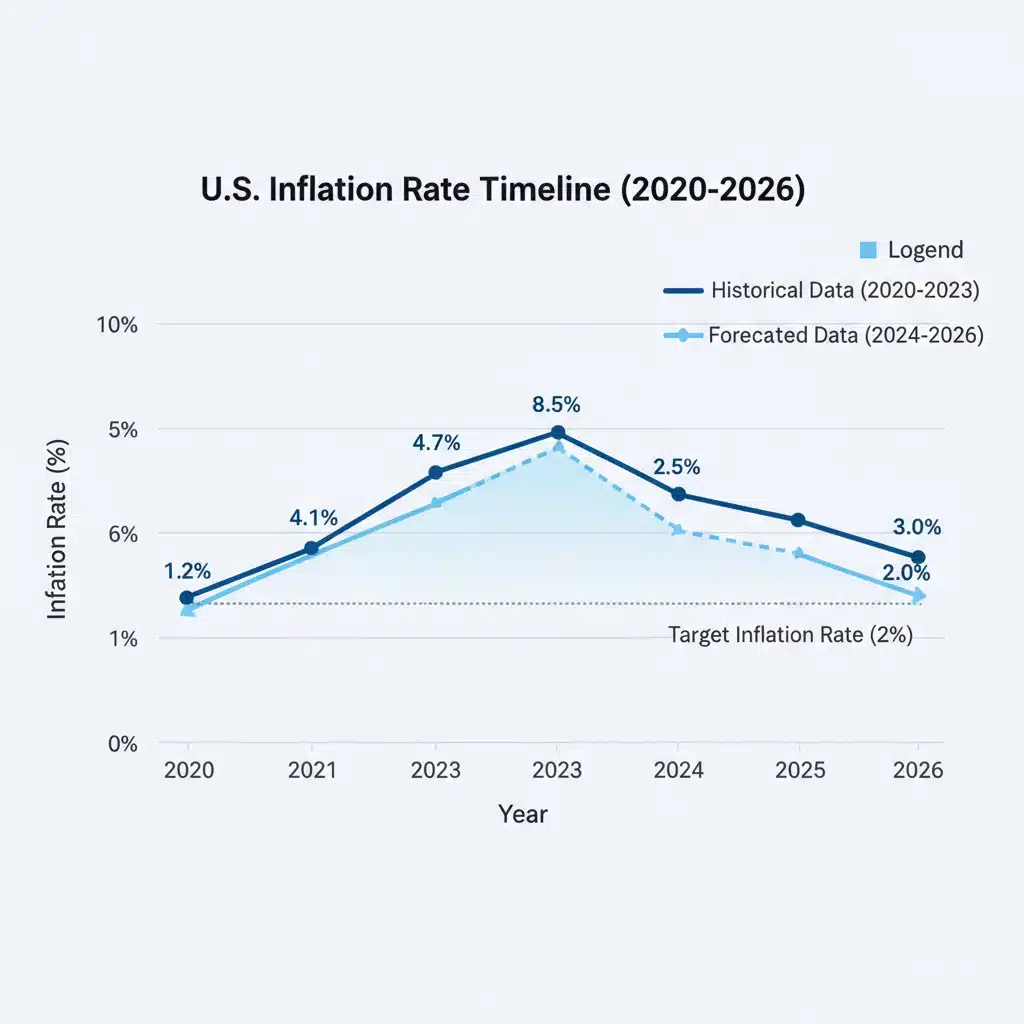
Inflation remains a persistent concern. While central banks aim for price stability, unforeseen supply chain disruptions, geopolitical events, or excessive demand could reignite inflationary pressures. The Federal Reserve’s response, primarily through interest rate adjustments, will be critical. A too-aggressive tightening could stifle growth, while a too-lenient approach could allow inflation to become entrenched. Striking the right balance will be a delicate act, with significant implications for borrowing costs, investment decisions, and consumer purchasing power, directly influencing the 2026 US Economy Forecast. The global nature of inflation, driven by energy prices and commodity markets, means that domestic monetary policy alone may not be sufficient to fully contain price increases, requiring international cooperation and adaptive strategies. Furthermore, the long-term effects of quantitative easing and fiscal stimulus measures from previous years could still contribute to inflationary dynamics, making the Fed’s task even more complex.
Labor Market Dynamics and Skill Gaps
The U.S. labor market continues to evolve, presenting both opportunities and challenges for the 2026 US Economy Forecast. While unemployment rates may remain low, skill mismatches and labor shortages in key sectors could constrain growth. The demand for highly specialized technical skills, particularly in STEM fields, continues to outpace supply. Addressing these skill gaps through education, vocational training, and immigration policies will be essential to ensure businesses have access to the talent they need to expand. Wage pressures, driven by labor scarcity, could also contribute to inflation if productivity gains do not keep pace. The ongoing debate around remote work and the gig economy will also shape labor market dynamics, influencing everything from urban planning to corporate real estate. Policies that foster workforce adaptability and lifelong learning will be crucial to maximize the labor market’s contribution to the 2026 US Economy Forecast.
Geopolitical Instability and Global Economic Slowdowns
The global geopolitical landscape is increasingly volatile. Conflicts, trade disputes, and political instability in key regions can disrupt supply chains, increase commodity prices, and dampen global demand. As an interconnected economy, the U.S. is not immune to these external shocks. A significant slowdown in major trading partners or a resurgence of protectionist policies could negatively impact U.S. exports and investment, posing a substantial risk to the 2026 US Economy Forecast. The ongoing competition between major global powers, particularly in technology and trade, will also create uncertainties that businesses must navigate. Diversifying supply chains, fostering international alliances, and engaging in diplomatic efforts to de-escalate tensions will be critical strategies to mitigate these risks. The resilience of international institutions and the effectiveness of global cooperation in addressing shared challenges will also play a significant role in determining the severity of these external impacts.
Debt Levels and Fiscal Sustainability
Both public and private debt levels remain a concern. While not an immediate crisis, rising national debt could limit future government flexibility in responding to economic downturns or investing in critical areas. Similarly, high levels of corporate and household debt could make the economy more vulnerable to interest rate hikes or economic shocks. Striking a balance between necessary government spending and long-term fiscal responsibility will be crucial for maintaining confidence and ensuring the sustainability of the projected 2026 US Economy Forecast. The political will to address entitlement reforms and tax policy adjustments will heavily influence the long-term fiscal trajectory. Without a credible plan for debt reduction, there is a risk of increased borrowing costs and reduced investor confidence, which could undermine economic stability.
Global Shifts and Their Impact on the 2026 US Economy Forecast
The U.S. economy does not operate in a vacuum. Global shifts, both economic and geopolitical, will profoundly influence the 2026 US Economy Forecast, requiring a nuanced understanding of international dynamics.
Reconfiguration of Global Supply Chains
The pandemic exposed vulnerabilities in global supply chains, leading many companies to re-evaluate their sourcing strategies. A trend towards diversification, reshoring, and nearshoring is emerging, aimed at building greater resilience. While this could lead to higher production costs in the short term, it could also create new manufacturing jobs and foster domestic innovation, positively impacting the 2026 US Economy Forecast in the long run. The shift also involves a greater emphasis on digital supply chain management, utilizing AI and blockchain to improve transparency and efficiency. This reconfiguration is not a simple process and involves significant capital investment and strategic planning from businesses, but its ultimate goal is to create more robust and less vulnerable production networks that can withstand future shocks, thereby safeguarding the stability of the 2026 US Economy Forecast.

The Rise of Emerging Markets
Emerging markets continue to grow in economic significance, offering both opportunities and competition. Their rising consumer bases present new export markets for U.S. goods and services, while their increasing industrial capabilities may intensify competition in certain sectors. The U.S. approach to trade relations and investment in these regions will be crucial for leveraging these dynamics to its advantage, contributing positively to the 2026 US Economy Forecast. The demographic dividends in many emerging economies, coupled with their rapid technological adoption, position them as future growth engines. U.S. companies that strategically engage with these markets, through foreign direct investment or collaborative ventures, can tap into new revenue streams and diversify their global footprint, enhancing the overall resilience and growth potential of the American economy. However, political instability and regulatory uncertainties in some emerging markets also present risks that U.S. businesses must carefully assess.
Energy Transition and Climate Change Policies
The global push towards decarbonization and sustainable energy sources will have profound economic implications. The U.S. is investing heavily in renewable energy technologies, electric vehicles, and green infrastructure. This transition will create new industries and jobs but also require significant capital reallocation and potentially disrupt traditional energy sectors. International cooperation on climate policy and carbon pricing mechanisms will also influence the competitiveness of U.S. industries, directly impacting the 2026 US Economy Forecast. The development of new clean energy technologies and the scaling up of existing ones will drive innovation and attract investment, positioning the U.S. as a leader in the green economy. However, the transition must be managed carefully to avoid energy price spikes or economic dislocations that could undermine growth. Policy frameworks that support both innovation and a just transition for workers in traditional energy sectors will be vital.
Digitalization and Cybersecurity Threats
The accelerating pace of digitalization across the globe, from e-commerce to remote work, creates immense economic opportunities. However, it also brings heightened risks from cyber threats. Robust cybersecurity infrastructure and international cooperation in combating cybercrime will be essential to protect critical economic systems and maintain trust in digital transactions. A major cyberattack could have widespread economic ramifications, underscoring the importance of vigilance and investment in digital security for the stability of the 2026 US Economy Forecast. Furthermore, the ethical implications of AI and big data, along with regulatory frameworks for data privacy, will shape the future of the digital economy. Countries that can effectively balance innovation with security and ethical considerations will gain a competitive advantage in the global digital landscape, reinforcing their economic prospects.
Policy Recommendations for Sustaining 2.5% GDP Growth
Achieving and sustaining a 2.5% GDP growth rate for the 2026 US Economy Forecast will require a multi-faceted approach, combining prudent monetary policy with strategic fiscal and structural reforms. These recommendations aim to mitigate risks and capitalize on opportunities.
Targeted Investment in Infrastructure and R&D
Continued and targeted investment in physical and digital infrastructure is paramount. This includes upgrading roads, bridges, and public transit, as well as expanding broadband access and investing in smart grid technologies. Equally important is increased funding for research and development (R&D) in critical areas like AI, biotechnology, and clean energy. These investments not only create jobs in the short term but also enhance long-term productivity and competitiveness, providing a robust foundation for the 2026 US Economy Forecast. Public-private partnerships can play a crucial role in mobilizing the necessary capital and expertise for these large-scale projects, ensuring efficiency and timely completion. Furthermore, fostering an environment that encourages private sector R&D through tax incentives and grants can accelerate technological breakthroughs and their commercialization.
Workforce Development and Education Reforms
Addressing skill gaps and ensuring a dynamic workforce requires comprehensive reforms in education and vocational training. This includes strengthening STEM education, promoting lifelong learning initiatives, and fostering closer collaboration between educational institutions and industries to align curricula with market needs. Policies that support reskilling and upskilling programs for workers in declining industries will also be crucial for a smooth economic transition and maximizing human capital’s contribution to the 2026 US Economy Forecast. The embrace of apprenticeships and on-the-job training programs can provide practical skills and pathways to high-demand jobs, reducing the time lag between educational attainment and workforce readiness. Additionally, policies that support affordable childcare and flexible work arrangements can help increase labor force participation, particularly among women, further boosting economic potential.
Fiscal Prudence and Debt Management
While growth-oriented spending is important, a credible plan for fiscal sustainability is essential. This involves carefully managing public debt, potentially through a combination of spending efficiencies and revenue adjustments. Long-term fiscal health fosters investor confidence and provides greater flexibility to respond to future economic shocks, safeguarding the projected 2026 US Economy Forecast. A bipartisan commitment to fiscal responsibility can send a strong signal to markets and ensure that future generations are not burdened by unsustainable debt levels. This could involve establishing clear fiscal rules, conducting regular independent reviews of government spending, and exploring reforms to entitlement programs to ensure their long-term solvency without compromising essential services.
Strengthening International Trade and Alliances
In an increasingly interconnected world, fostering robust international trade relations and strengthening alliances is vital. This includes pursuing fair and open trade agreements, diversifying trade partnerships, and actively participating in global forums to address shared economic challenges. A stable and predictable international economic environment is conducive to U.S. exports and foreign investment, bolstering the 2026 US Economy Forecast. Engaging in multilateral diplomacy to resolve trade disputes and promote global economic stability can reduce uncertainties and create a more favorable environment for businesses operating across borders. Furthermore, collaborating with allies on critical supply chains and technological standards can enhance collective economic security and resilience against geopolitical pressures.
Conclusion: A Resilient Path Forward for the 2026 US Economy Forecast
The 2026 US Economy Forecast, with its projected 2.5% GDP growth, paints a picture of cautious optimism. The underlying strengths of the American economy — robust consumer spending, innovative businesses, and a dynamic workforce — provide a strong foundation. However, navigating the intricate web of inflationary pressures, labor market shifts, and global geopolitical uncertainties will require agile policymaking and strategic foresight. By focusing on targeted investments, continuous workforce development, fiscal prudence, and strong international engagement, the U.S. can not only achieve but potentially exceed its growth projections, securing a prosperous and resilient economic future. The ability to adapt to rapid technological change and respond effectively to global challenges will be the defining characteristic of the American economy in the mid-2020s, ensuring that the 2026 US Economy Forecast remains a beacon of stability and opportunity in a complex world.