Maximize Your SNAP Benefits 2026: Up to 15% More Food Assistance

Maximize Your SNAP Benefits 2026: Strategies to Increase Your Monthly Food Assistance by Up to 15%
In an ever-changing economic landscape, ensuring food security for your household is paramount. The Supplemental Nutrition Assistance Program (SNAP), commonly known as food stamps, is a vital federal program designed to help low-income individuals and families purchase nutritious food. As we look towards 2026, understanding how to effectively navigate and maximize SNAP benefits can lead to a significant increase in your monthly food assistance – potentially up to 15% or more. This comprehensive guide will delve into the intricacies of SNAP, offering actionable strategies, eligibility insights, and expert tips to help you make the most of this crucial support system.
Many eligible households are not receiving the full amount of benefits they qualify for, often due to a lack of awareness about specific deductions, reporting requirements, or available resources. Our goal is to empower you with the knowledge needed to optimize your SNAP assistance, ensuring your family has access to healthy and sufficient food. Let’s explore how you can proactively work to maximize SNAP benefits in the coming year.
Understanding SNAP: The Foundation for Maximizing Your Benefits
Before diving into strategies to maximize SNAP benefits, it’s essential to have a solid understanding of the program’s fundamentals. SNAP is administered by the U.S. Department of Agriculture (USDA) through state agencies. It provides eligible low-income individuals and families with financial assistance to buy food. Benefits are issued monthly on an Electronic Benefits Transfer (EBT) card, which works like a debit card and can be used at authorized grocery stores and farmers’ markets.
Who is Eligible for SNAP?
Eligibility for SNAP is primarily based on household income and resources. While specific criteria can vary slightly by state, the general guidelines involve:
- Gross Monthly Income: Generally, a household’s gross monthly income (before deductions) must be at or below 130% of the federal poverty level (FPL).
- Net Monthly Income: A household’s net monthly income (after deductions) must be at or below 100% of the FPL.
- Assets: Most households must have $2,750 or less in countable resources (like bank accounts). Households with at least one member aged 60 or older, or a member with a disability, may have up to $4,250 in resources.
- Work Requirements: Able-bodied adults without dependents (ABAWDs) may be subject to work requirements, though these can be waived under certain circumstances.
- Immigration Status: Most non-citizens must meet specific criteria to be eligible for SNAP.
It’s crucial to check your state’s specific eligibility requirements, as they can sometimes offer broader access to the program, especially for certain populations. Understanding these foundational elements is the first step in learning how to maximize SNAP benefits for your unique situation.
Strategy 1: Accurate and Comprehensive Reporting of Household Information
One of the most significant ways to maximize SNAP benefits is by ensuring all household information is reported accurately and comprehensively. Many eligible deductions go unreported, leading to lower benefit amounts than what a household truly qualifies for. SNAP benefit calculations are complex, taking into account income, household size, and allowable deductions. Every detail matters.
Household Composition: Who to Include
Your household size directly impacts your benefit amount. A SNAP household generally consists of people who live together and customarily purchase and prepare food together. This can include:
- Spouses
- Children under 22 living with their parents
- Other relatives or non-relatives who share meals and living expenses
Ensure everyone who is part of your food-sharing unit is included in your application. An accurate household count is fundamental to calculating your potential benefits and a key factor in how to maximize SNAP benefits.
Income Reporting: Be Precise
Report all sources of income, but also understand what counts as income. While wages, salaries, and self-employment income are obvious, also consider:
- Social Security benefits
- Unemployment compensation
- Child support
- Alimony
- Pensions
Conversely, some types of income are excluded, such as vendor payments (e.g., utility payments made directly to the company by a third party), certain student financial aid, and some foster care payments. Knowing what to include and what to exclude is vital for an accurate assessment and helps you to maximize SNAP benefits.
Strategy 2: Leveraging All Allowable Deductions
This is where many households leave money on the table. Deductions reduce your countable income, which in turn can increase your SNAP benefit amount. Understanding and reporting all eligible deductions is a powerful way to maximize SNAP benefits. Here are the key deductions to be aware of:
1. Earned Income Deduction
For every dollar of earned income (wages, salaries, self-employment), SNAP allows a 20% deduction. This means only 80% of your earned income is counted. This is an automatic deduction, but it highlights the importance of accurately reporting all earned income.
2. Standard Deduction
All households receive a standard deduction, the amount of which varies by household size and is adjusted annually. This deduction helps offset general living expenses.
3. Dependent Care Deduction
If you pay for childcare or care for another dependent (e.g., an elderly or disabled adult) to work, look for work, or attend training/education, these costs can be deducted. Keep records of these expenses!
4. Medical Expense Deduction (for Elderly or Disabled Members)
If anyone in your household is age 60 or older or has a disability, they can deduct out-of-pocket medical expenses exceeding $35 per month. This includes:
- Doctor visits, hospital stays, prescription drugs
- Health insurance premiums
- Dental and vision care
- Transportation to medical appointments
- Over-the-counter medications prescribed by a doctor
This deduction can significantly impact your benefits. Many seniors and disabled individuals overlook this crucial opportunity to maximize SNAP benefits.
5. Shelter Deduction
This is often the largest deduction and one of the most underutilized. You can deduct certain shelter costs that exceed 50% of your household’s income after all other deductions have been applied. Shelter costs include:
- Rent or mortgage payments
- Property taxes and homeowner’s insurance
- Utility costs (heating, cooling, electricity, water, sewer, trash removal, phone)
Households without an elderly or disabled member have a cap on the shelter deduction. However, households with at least one elderly or disabled member do not have a cap on this deduction, meaning all excess shelter costs can be deducted. This is a critical point for many households looking to maximize SNAP benefits.
6. Homeless Household Deduction
Some states offer a standard deduction for households experiencing homelessness, which can be applied instead of actual shelter costs if it’s more beneficial.
Actionable Tip: Keep meticulous records of all your expenses, especially medical and shelter costs. Receipts, bills, and payment statements will be invaluable when applying or recertifying. Don’t estimate; provide precise figures to fully maximize SNAP benefits.

Strategy 3: Understanding and Reporting Changes Promptly
Life happens, and circumstances change. Whether it’s a new job, a change in household members, or increased medical expenses, reporting these changes promptly to your SNAP agency is vital. While some changes might reduce benefits, others can lead to an increase, helping you to maximize SNAP benefits when your needs grow.
What Changes to Report?
- Income Changes: Any significant increase or decrease in earned or unearned income.
- Household Composition: Births, deaths, someone moving in or out.
- Shelter Costs: A change in rent, mortgage, or utility expenses.
- Medical Expenses: New diagnoses, increased medication costs, or new regular medical appointments for elderly or disabled members.
- Resources: A significant change in bank account balances or other countable assets.
Most states require households to report changes within 10 days of when they occur. Failure to report changes can lead to overpayments (which you might have to pay back) or underpayments (meaning you missed out on higher benefits). Proactive reporting is key to accurately receiving and maximizing SNAP benefits.
Strategy 4: Navigating the Application and Recertification Process
The application and recertification processes can seem daunting, but approaching them strategically can help you maximize SNAP benefits.
Initial Application Tips:
- Gather All Documents: Before you start, collect proof of identity, residency, income (pay stubs, award letters), assets (bank statements), household members (birth certificates), and expenses (rent receipts, utility bills, medical bills).
- Be Thorough: Fill out every section completely and accurately. Incomplete applications can cause delays.
- Ask Questions: If you’re unsure about a question, contact your local SNAP office or a community assistance program for clarification.
- Apply Online if Possible: Many states offer online applications, which can be more convenient and sometimes faster.
Recertification (Renewal) Tips:
SNAP benefits are not permanent; you must recertify periodically (usually every 6-12 months). This process is just as important as the initial application for continuing to maximize SNAP benefits.
- Respond Promptly: You will receive a notice when it’s time to recertify. Do not ignore it! Start gathering your updated documents immediately.
- Update All Information: Treat recertification as a new application. Ensure all income, expenses, and household details are current. This is a prime opportunity to report any new deductions you might have incurred.
- Attend Interviews: You may need to complete an interview, either in person or over the phone. Be prepared and have your documents handy.
Missing a recertification deadline can lead to a temporary loss of benefits. Staying organized and proactive is crucial.
Strategy 5: Utilizing Additional Resources and Programs
Beyond the core SNAP benefit, there are often supplementary programs and resources that can further enhance your food security and help you indirectly maximize SNAP benefits by stretching your food budget further.
Double Up Food Bucks and Similar Programs
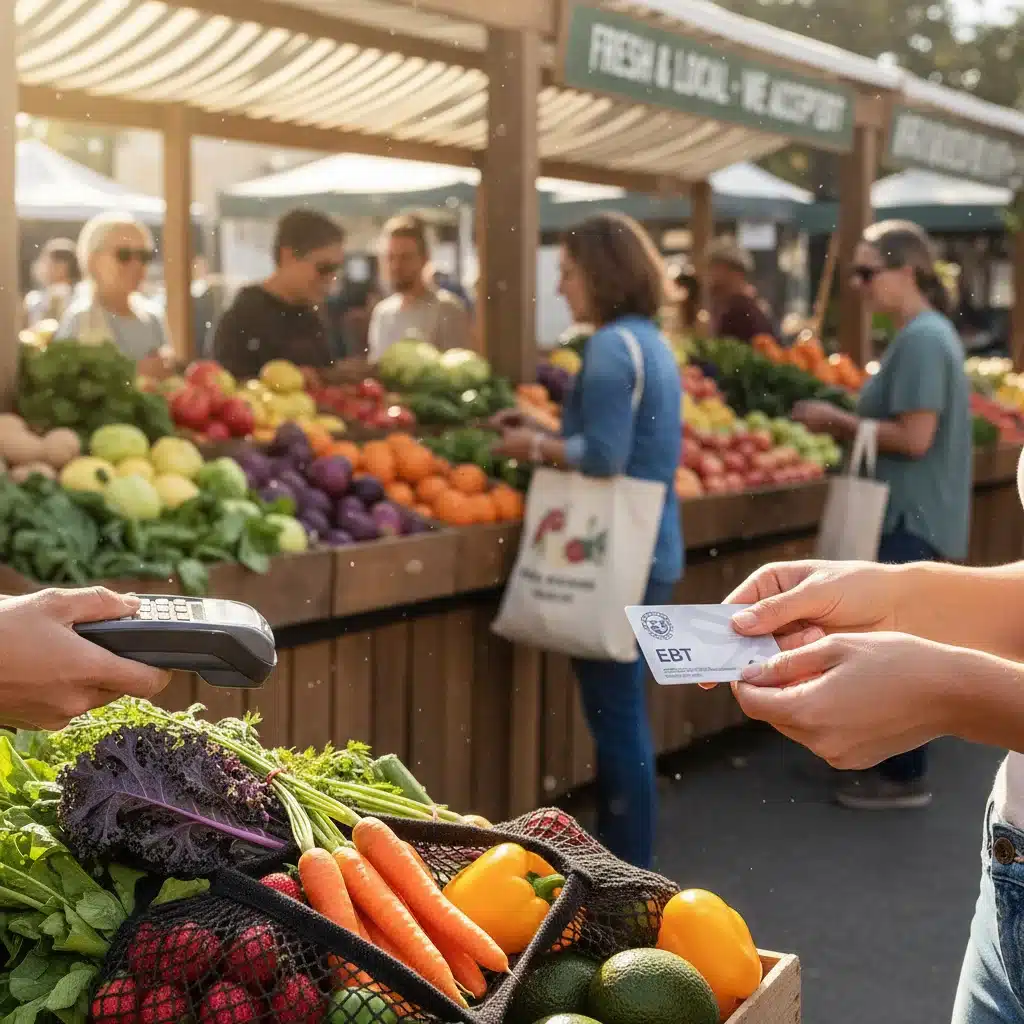
Many states and local farmers’ markets participate in programs like “Double Up Food Bucks” or similar initiatives. These programs match SNAP benefits when used to purchase fresh fruits and vegetables at participating farmers’ markets, effectively doubling your purchasing power for healthy produce. This is an excellent way to maximize SNAP benefits for nutritious food.
WIC (Women, Infants, and Children)
If you are pregnant, a new mother, or have children under five, you may be eligible for WIC. This program provides nutritious foods, nutrition education, and healthcare referrals. WIC can complement SNAP benefits, further ensuring the nutritional needs of vulnerable family members are met.
School Meal Programs
Children in households receiving SNAP are typically automatically eligible for free school meals (breakfast and lunch). This significantly reduces the burden of feeding children during school hours, allowing your SNAP benefits to be used for other meals and groceries, indirectly helping you to maximize SNAP benefits for overall household food needs.
Food Banks and Pantries
Local food banks and pantries are valuable resources that can supplement your SNAP benefits, especially during times of particular need or when your benefits might not cover all your household’s food requirements. They can provide additional groceries, fresh produce, and sometimes even prepared meals.
Community Support Organizations
Many non-profit organizations offer assistance with SNAP applications, appeals, and general guidance on navigating food assistance programs. Organizations like Feeding America, local United Way chapters, and legal aid societies can be invaluable resources. Don’t hesitate to seek help if you feel overwhelmed or need clarification on how to maximize SNAP benefits.
Common Pitfalls to Avoid When Trying to Maximize SNAP Benefits
While aiming to maximize SNAP benefits, it’s important to be aware of common mistakes that could hinder your efforts or even lead to complications:
- Under-reporting Expenses: As discussed, not reporting all eligible deductions (especially medical and shelter costs) is a major reason households receive less than they qualify for.
- Over-reporting Income: While honesty is crucial, ensure you’re not including non-countable income sources. If unsure, clarify with your caseworker.
- Ignoring Communication: Not responding to requests for information from your SNAP agency can lead to delays or termination of benefits.
- Waiting Until the Last Minute: Delaying recertification or reporting changes can cause gaps in benefits.
- Misunderstanding Work Requirements: If you are subject to work requirements, understand them fully and comply to avoid benefit sanctions.
By avoiding these common pitfalls, you can ensure a smoother process and more effectively maximize SNAP benefits.
Looking Ahead to 2026: What to Expect
SNAP rules and benefit amounts are subject to annual adjustments based on federal poverty levels, inflation, and legislative changes. While specific details for 2026 are still being finalized, general trends include:
- Cost-of-Living Adjustments (COLAs): Maximum benefit amounts and deduction levels are typically adjusted annually to account for inflation.
- Policy Changes: Keep an eye on USDA and state agency announcements for any potential policy shifts regarding eligibility, work requirements, or specific deductions.
- Technological Improvements: States continue to improve online application portals and communication methods, making it easier to manage your benefits.
Staying informed through official state SNAP websites and reliable news sources will help you adapt to any changes and continue to maximize SNAP benefits in the future.
Conclusion: Empowering Your Household to Maximize SNAP Benefits
The journey to maximize SNAP benefits is one of informed action and diligent record-keeping. By thoroughly understanding eligibility criteria, meticulously reporting all income and eligible deductions (especially medical and shelter costs), promptly communicating changes to your caseworker, and actively engaging with the application and recertification processes, you can significantly increase your monthly food assistance. Leveraging additional programs like Double Up Food Bucks and community resources further strengthens your household’s food security.
Remember, SNAP is a fundamental program designed to alleviate food insecurity. Don’t hesitate to seek assistance from local agencies or community organizations if you need help navigating the system. By applying these strategies, you are not just ensuring more food on your table; you are investing in the health and well-being of your entire household. Take control of your food future in 2026 and ensure you are receiving every dollar of assistance you rightfully deserve to maximize SNAP benefits.
Author