Master Your Money: Effective Spending Tracking for 2026

In an increasingly complex financial world, understanding where your money goes is not just good practice; it’s essential. The ability to track spending effectively can be the cornerstone of your financial stability and future success. As we navigate 2026, with its evolving economic landscape and technological advancements, the methods and tools for managing our finances have become more sophisticated and accessible than ever before. This comprehensive guide will equip you with the knowledge, strategies, and tools to master your money and achieve your financial aspirations.
Many people shy away from tracking their spending, often because it feels tedious, overwhelming, or simply too revealing. However, ignoring your spending habits is akin to driving a car without a dashboard – you might be moving, but you have no idea about your speed, fuel levels, or engine health. By learning to track spending effectively, you gain invaluable insights into your financial behavior, identify areas for improvement, and empower yourself to make informed decisions that align with your long-term goals.
Whether you’re looking to save for a down payment, pay off debt, build an emergency fund, or simply gain a clearer picture of your cash flow, the principles of effective spending tracking remain the same. The key is consistency, choosing the right tools, and developing a system that works for your individual lifestyle. Let’s dive into the world of financial awareness and discover how you can take control of your money in 2026.
Why Is Tracking Spending Effectively So Crucial?
Before we delve into the ‘how,’ let’s reinforce the ‘why.’ Understanding the profound impact of effective spending tracking can motivate you to stick with it, even when the initial novelty wears off. Here are some compelling reasons:
Unveiling Your True Financial Picture
Without tracking, most people have a vague idea of their income and major expenses, but the smaller, regular outgoings often slip through the cracks. These ‘invisible’ expenses – daily coffees, subscription services, impulse buys – can cumulatively amount to a significant portion of your income. By learning to track spending effectively, you bring these hidden costs to light, revealing your true financial landscape.
Identifying and Plugging Financial Leaks
Once you see where your money is going, you can identify areas where you might be overspending or making unnecessary purchases. This awareness is the first step towards plugging financial leaks. Perhaps you’re spending too much on dining out, or you have multiple unused subscriptions. Tracking provides the data needed to make targeted adjustments, freeing up funds for more meaningful goals.
Achieving Your Financial Goals Faster
Whether it’s saving for a house, retirement, or a dream vacation, financial goals require disciplined saving. When you track spending effectively, you can allocate specific amounts to your savings goals and monitor your progress. This visibility acts as a powerful motivator, helping you stay on track and reach your milestones sooner.
Reducing Financial Stress and Anxiety
Financial uncertainty is a major source of stress for many. When you don’t know how much you have or where it’s going, it’s easy to feel anxious. Implementing a robust spending tracking system brings clarity and control, significantly reducing financial stress. You’ll feel more confident about your financial situation and better prepared for unexpected expenses.
Making Informed Financial Decisions
Knowledge is power, especially in finance. When you have a clear record of your spending, you can make smarter decisions about large purchases, investments, and even career changes. You’ll understand your capacity to take on new financial commitments and avoid overextending yourself.
Choosing Your Method: How to Track Spending Effectively
The good news is there’s no one-size-fits-all approach to tracking spending. The best method is the one you’ll actually use consistently. In 2026, you have a wealth of options, from traditional pen and paper to sophisticated digital tools. Let’s explore the most popular and effective methods.
1. The Pen and Paper Method (The Classic)
For those who prefer a tangible approach and minimal technology, the classic pen and paper method remains a viable option. You can use a simple notebook, a dedicated expense tracker journal, or even print out templates. The process involves:
- Daily Entry: Jot down every single expense as it occurs.
- Categorization: Assign each expense to a category (e.g., groceries, transport, entertainment).
- Weekly/Monthly Review: Tally up your expenses in each category to see where your money went.
Pros: Simple, no tech required, promotes mindfulness.
Cons: Time-consuming, prone to errors, no automatic calculations.
2. Spreadsheets (The Flexible Workhorse)
Spreadsheets (like Excel or Google Sheets) offer a powerful and customizable way to track spending effectively. They combine the manual entry of pen and paper with the computational power of digital tools. Many free templates are available online, or you can create your own from scratch.
- Setup: Create columns for date, description, category, amount, and payment method.
- Input: Manually enter each transaction.
- Formulas: Use formulas to sum categories, calculate totals, and visualize data with charts.
Pros: Highly customizable, free (Google Sheets), powerful analytical capabilities.
Cons: Requires some technical know-how, manual data entry can be tedious.
3. Budgeting Apps and Software (The Modern Solution)
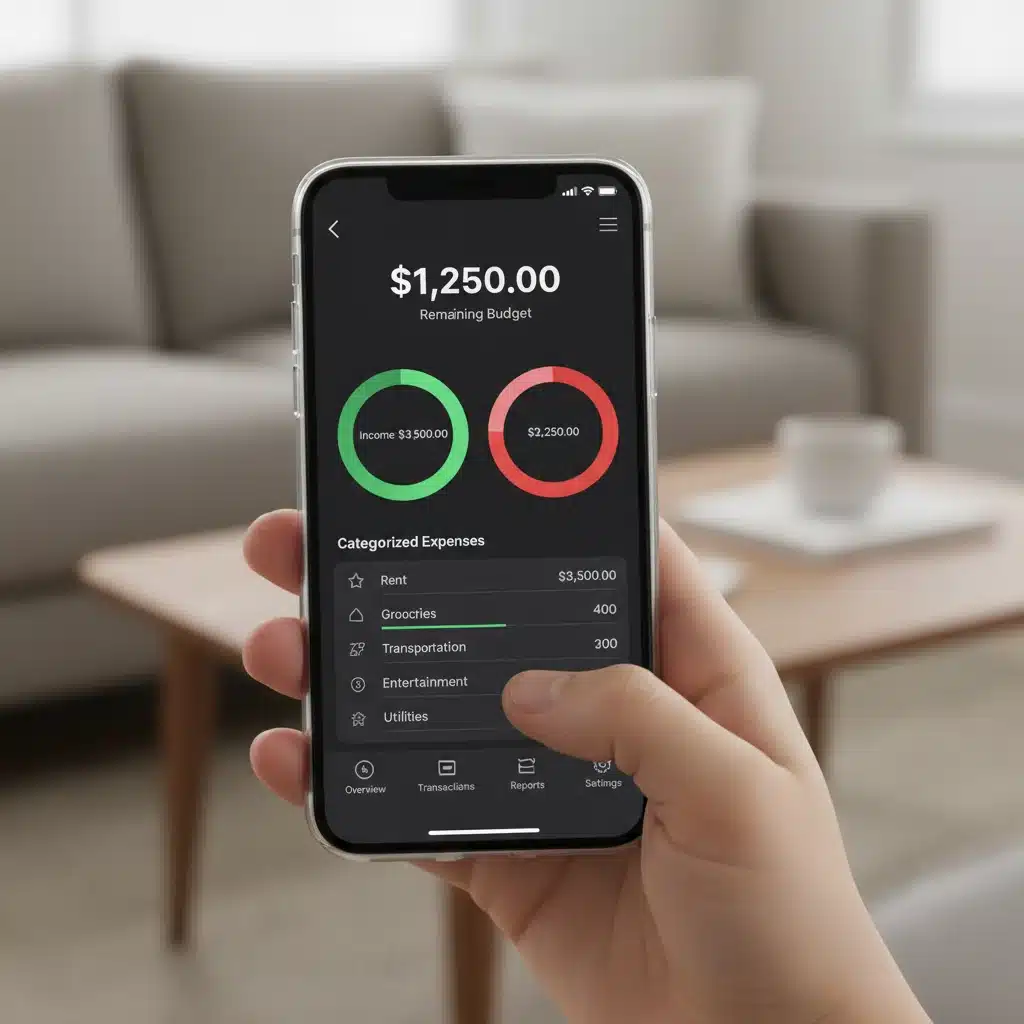
This is where technology truly shines in helping you track spending effectively. Budgeting apps and software automate much of the process, making it easier and more accurate. These tools often link directly to your bank accounts and credit cards, automatically importing and categorizing transactions. Popular options include:
- Mint: A free, comprehensive app that links all your accounts, tracks spending, creates budgets, and monitors investments.
- You Need A Budget (YNAB): A paid app (with a free trial) based on the “zero-based budgeting” philosophy, where every dollar is assigned a job. Excellent for proactive budgeting.
- Personal Capital: Primarily an investment tracker, but also offers robust spending analysis, net worth tracking, and budgeting tools.
- PocketGuard: Focuses on showing you how much money you have left to spend after bills and savings are accounted for.
- Fudget: A simple, no-frills app for basic expense tracking and budgeting.
Pros: Automation, real-time insights, categorization, budgeting features, mobile access.
Cons: Security concerns (linking accounts), subscription fees for some, learning curve for advanced features.
4. Bank and Credit Card Statements (The Backward Look)
While not a proactive tracking method, regularly reviewing your bank and credit card statements is a crucial step in understanding your spending. Many banks now offer integrated budgeting tools within their online platforms, allowing you to categorize transactions directly. This method is excellent for catching errors or forgotten expenses.
Pros: Automatic record-keeping, good for verification.
Cons: Retrospective, less granular control, may not offer detailed categorization.
Key Strategies to Track Spending Effectively in 2026
Beyond choosing a tool, implementing effective strategies will ensure your spending tracking efforts are sustainable and impactful. Here’s how to maximize your success:
1. Categorize Everything
Categorization is the backbone of effective spending tracking. Without it, you just have a list of numbers. Common categories include:
- Housing (rent/mortgage, utilities)
- Transportation (gas, public transport, car maintenance)
- Food (groceries, dining out)
- Personal Care (toiletries, haircuts)
- Entertainment (movies, hobbies, subscriptions)
- Debt Payments (credit cards, loans)
- Savings/Investments
- Miscellaneous (unexpected expenses)
Be specific but not overly granular. The goal is to gain insight, not to create an exhaustive list of micro-categories that become too cumbersome to manage.
2. Be Consistent and Regular
Consistency is paramount. Whether you log expenses daily, every few days, or weekly, establish a routine and stick to it. Procrastination leads to forgotten entries and an incomplete picture. Daily checks, even if brief, are often the most effective for maintaining accuracy and building the habit.
3. Set a Budget (and Stick to It)
Tracking spending without a budget is like navigating without a map. A budget gives your money a purpose and provides boundaries for your spending. Once you have a clear picture of your income and expenses, you can allocate specific amounts to each category. Regularly compare your actual spending against your budget to identify deviations and make adjustments.
4. Review Your Spending Regularly
Don’t just track; analyze. Set aside time weekly or monthly to review your spending data. Ask yourself:
- Where did I overspend?
- Where did I underspend?
- Are there any patterns I’m noticing?
- Are my expenses aligning with my values and goals?
- What changes can I make next month?
This review process is where the real power of tracking comes to life, allowing you to refine your habits and make continuous improvements.
5. Automate Where Possible
Leverage technology to automate as much of the tracking process as you can. Link your bank accounts to budgeting apps, set up recurring bill payments, and automate savings transfers. The less manual effort required, the more likely you are to stick with your system.
6. Keep Receipts (Initially)
When you’re first starting to track spending effectively, keeping physical or digital receipts can be incredibly helpful. They serve as a backup for your entries and help you remember details about transactions, especially for cash purchases. Many apps allow you to snap photos of receipts and attach them to transactions.
7. Be Patient and Don’t Get Discouraged
Building new financial habits takes time. You might miss entries, go over budget in some categories, or feel overwhelmed initially. Don’t get discouraged. View it as a learning process. Each month is a new opportunity to refine your approach and improve your financial discipline.
Advanced Tips for Tracking Spending Effectively in 2026
Once you’ve mastered the basics, consider these advanced strategies to take your financial tracking to the next level:
Integrate with Your Financial Goals
Connect your spending tracking directly to your financial goals. If you’re saving for a down payment, create a specific category for that saving and track how much you’re contributing each month. Seeing your progress towards a tangible goal can be incredibly motivating.
Analyze Your ‘Why’ Behind Spending
Beyond just knowing where your money goes, try to understand why it goes there. Are you stress-spending? Impulse buying? Succumbing to marketing? Identifying the emotional triggers behind your spending can help you address root causes and develop healthier financial habits.
Utilize Net Worth Tracking
While spending tracking focuses on cash flow, net worth tracking provides a snapshot of your overall financial health (assets minus liabilities). Many budgeting apps integrate net worth tracking, giving you a holistic view of your financial progress over time. This helps you see the bigger picture and how your spending habits impact your long-term wealth.
Forecast Future Spending
Once you have a solid understanding of your past spending, you can start forecasting future expenses. This is particularly useful for irregular expenses like annual subscriptions, car maintenance, or holiday gifts. By anticipating these costs, you can budget for them proactively and avoid financial surprises.
Review Annual Trends
After a year of diligent tracking, you’ll have a treasure trove of data. Reviewing annual trends can reveal seasonal spending patterns, identify areas where costs have increased, and help you plan more effectively for the coming year. This long-term perspective is invaluable for strategic financial planning.

Common Pitfalls to Avoid When Tracking Spending
Even with the best intentions, certain mistakes can derail your efforts to track spending effectively. Being aware of these pitfalls can help you avoid them:
Inconsistency
The most common mistake. Missing a few days turns into a week, and suddenly your data is incomplete and your motivation wanes. Make tracking a non-negotiable part of your routine.
Over-Complication
Trying to categorize every single tiny expense or using a system that’s too complex for your needs can lead to burnout. Start simple and add complexity only if necessary and manageable.
Not Reviewing the Data
Tracking is only half the battle. If you’re not regularly reviewing and analyzing your spending, you’re missing out on the insights that drive behavioral change.
Being Too Restrictive
A budget that’s too tight or unrealistic will inevitably fail. Allow for some discretionary spending and ‘fun money’ to make your financial plan sustainable and enjoyable.
Ignoring Cash Transactions
Cash is often the silent killer of budgets because it’s easy to forget where it went. Treat cash transactions with the same diligence as card payments; log them immediately.
Focusing Only on Cutting Expenses
While cutting expenses is important, effective financial management also involves optimizing income and smart investing. Don’t let tracking spending overshadow other aspects of your financial health.
The Future of Tracking Spending: Innovations in 2026
As we move further into 2026, the landscape of personal finance technology continues to evolve. Expect to see even more sophisticated tools and features emerge:
- AI-Powered Insights: Artificial intelligence will play an even bigger role, offering personalized spending advice, predicting future financial scenarios, and identifying savings opportunities based on your habits.
- Hyper-Personalized Budgeting: Apps will move beyond generic categories, offering highly customized budgeting plans based on your unique financial goals, risk tolerance, and lifestyle.
- Integrated Financial Ecosystems: We’ll see greater integration between banking, investing, and budgeting platforms, providing a seamless, holistic view of your entire financial life from a single dashboard.
- Gamification: To make financial management more engaging, expect more apps to incorporate gamification elements, rewarding users for hitting savings goals or maintaining healthy spending habits.
- Enhanced Security and Privacy: As more data is shared, advancements in encryption and privacy controls will be paramount, building greater trust in linked financial applications.
These innovations will make it even easier to track spending effectively, providing unparalleled insights and automation to empower individuals on their financial journeys.
Getting Started: Your Action Plan for Effective Spending Tracking
Ready to take control of your finances? Here’s a simple action plan to get you started on your journey to track spending effectively:
- Choose Your Method: Decide whether you’ll use a notebook, spreadsheet, or a budgeting app. If unsure, start with a highly-rated free app like Mint or try a simple spreadsheet.
- Gather Your Data: Collect your bank statements, credit card statements, and any other financial records from the last month to get a baseline.
- Set Up Your Categories: Create a manageable list of spending categories that make sense for your lifestyle.
- Input Initial Data: If you’re using a digital tool, link your accounts. If manual, start entering transactions from today.
- Set a Budget: Based on your income and initial spending review, create a realistic budget for the coming month.
- Establish a Routine: Decide when and how often you’ll log expenses and review your progress. Stick to it!
- Review and Adjust: At the end of the first month, review your actual spending against your budget. Identify what worked, what didn’t, and make adjustments for the next month.
- Stay Persistent: Remember that financial mastery is a journey, not a destination. Celebrate small victories and learn from setbacks.
Conclusion: Empowering Your Financial Future
Learning to track spending effectively is one of the most powerful steps you can take towards achieving financial freedom and peace of mind. It’s not about restriction; it’s about awareness, control, and intentionality. By understanding where your money goes, you empower yourself to direct it towards where you want it to go, aligning your spending with your values and long-term goals.
In 2026, with the array of tools and strategies available, there’s truly no excuse not to take charge of your financial narrative. Start today, choose a method that resonates with you, stay consistent, and watch as your financial picture transforms from a blurry uncertainty into a clear, controlled, and prosperous future. Your journey to financial empowerment begins with a single step: tracking that first dollar.
Author