2026 Federal Education Funding: Impact on U.S. K-12 Schools

The landscape of education in the United States is perpetually shaped by a myriad of factors, with federal funding standing out as one of the most critical. As we look towards 2026, the anticipated shifts in 2026 federal education funding for U.S. K-12 schools are a topic of intense discussion and strategic planning for educators, policymakers, and communities nationwide. Understanding the potential impact of these funding decisions is paramount, as they directly influence everything from classroom resources and teacher salaries to student support services and technological advancements. This comprehensive analysis aims to dissect the projected changes, explore the historical context, and shed light on how these allocations could redefine the educational experience for millions of American students.
Federal involvement in K-12 education, though often supplementary to state and local funding, plays a pivotal role in addressing educational disparities, supporting specific student populations, and driving national educational priorities. Programs like Title I, the Individuals with Disabilities Education Act (IDEA), and various competitive grants are cornerstones of this federal support. The decisions made regarding the 2026 federal education funding budget will not only reflect the priorities of the administration and Congress but will also have tangible effects on the ground, influencing everything from curriculum development to facility maintenance. As stakeholders prepare for these changes, a deep dive into the mechanisms of federal funding, its historical trends, and potential future directions becomes indispensable.
The Current Landscape of Federal Education Funding: A Baseline for 2026
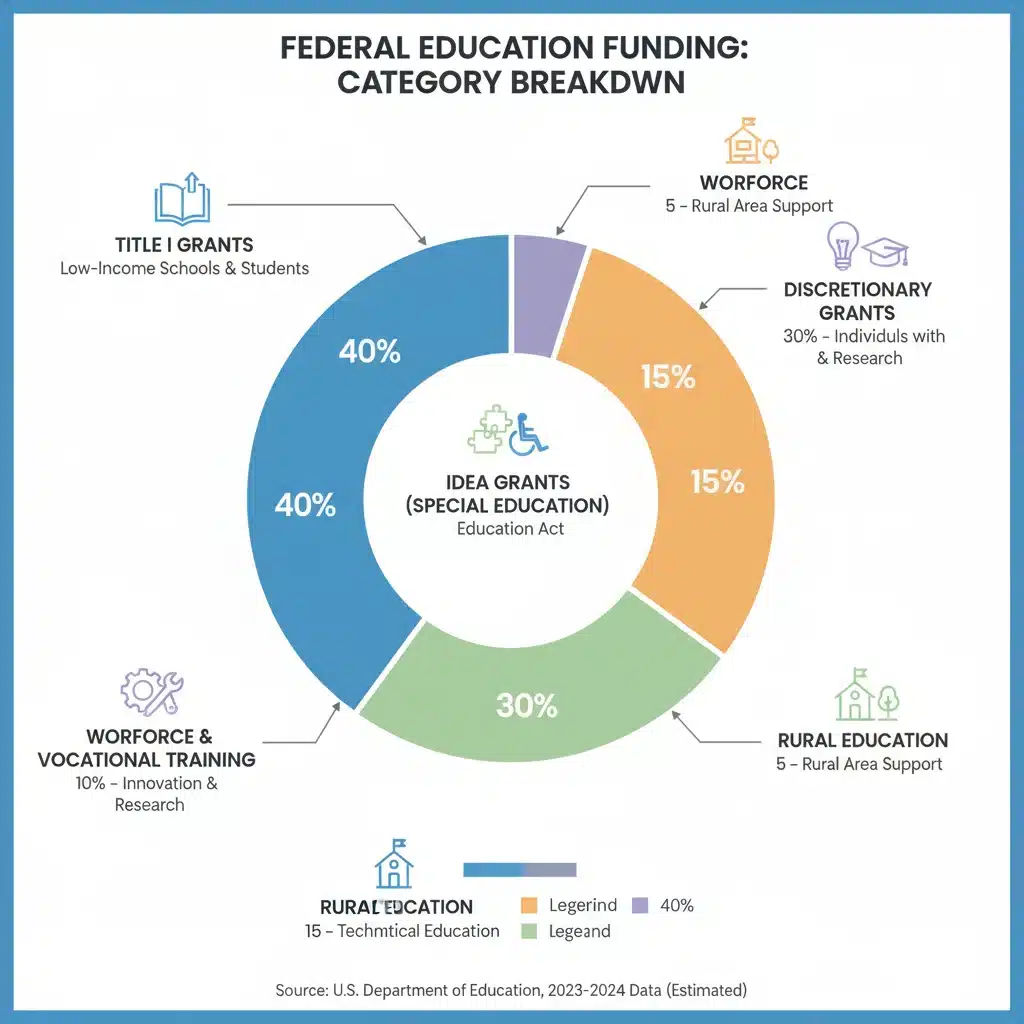
Before we project forward to 2026, it’s essential to understand the current state of federal education funding. The U.S. Department of Education allocates billions of dollars annually to states and school districts through various programs. These funds are typically designed to achieve specific federal objectives, such as ensuring equitable educational opportunities, supporting students with special needs, promoting academic excellence, and fostering innovation. The bulk of federal funding is distributed through formula grants, which are allocated based on specific criteria, such as the number of low-income students or students with disabilities in a district.
Key programs that receive significant federal appropriations include:
- Title I, Part A: Providing financial assistance to local educational agencies (LEAs) and schools with high numbers or high percentages of children from low-income families to help ensure that all children meet challenging state academic standards.
- Individuals with Disabilities Education Act (IDEA): Ensuring that children with disabilities have the opportunity to receive a free appropriate public education, just like other children.
- Title II, Part A: Supporting effective instruction, focusing on improving the quality and effectiveness of teachers, principals, and other school leaders.
- Title III, Part A: Assisting school districts in teaching English language learners and immigrant students.
- Career and Technical Education (CTE) programs: Providing funds to develop and implement high-quality CTE programs.
These programs form the backbone of federal support, and any adjustments to their funding levels in 2026 will reverberate throughout the K-12 system. The political climate, economic conditions, and evolving national priorities all play a role in shaping the budget proposals and final appropriations for these critical initiatives. Understanding these current allocations provides a crucial baseline for anticipating the shifts in 2026 federal education funding.
Anticipating the 2026 Federal Education Funding Priorities
Forecasting the exact priorities for 2026 federal education funding requires considering several potential influencing factors. The incoming administration, if there is a change, or the continued focus of the current one, will heavily dictate budgetary directions. Economic forecasts, national educational challenges (such as post-pandemic learning gaps or mental health crises), and geopolitical considerations can also sway funding decisions. Potential priority areas could include:
Addressing Learning Loss and Academic Recovery
The long-term effects of the COVID-19 pandemic on student learning have been profound. Many districts are still grappling with significant learning loss, particularly in core subjects like reading and mathematics. It is highly probable that 2026 federal education funding will continue to prioritize programs aimed at academic recovery, such as extended learning time, tutoring initiatives, and targeted interventions for struggling students. There might be an emphasis on evidence-based strategies that have demonstrated effectiveness in accelerating student progress.
Mental Health and Social-Emotional Learning (SEL) Support
The pandemic also exacerbated existing mental health challenges among students and educators. Schools across the nation are reporting increased demand for mental health services and social-emotional learning programs. Future federal funding could see a significant boost in allocations for school-based mental health professionals, training for educators in SEL strategies, and the integration of comprehensive support systems to address student well-being. This focus would acknowledge the inextricable link between student mental health and academic success.
Investing in Educational Technology and Digital Equity
The rapid shift to remote and hybrid learning models during the pandemic highlighted both the potential and the disparities in educational technology. While many schools embraced digital tools, others struggled with a lack of access to devices, reliable internet, and adequate technical support. 2026 federal education funding might include substantial investments in digital infrastructure, professional development for educators in technology integration, and initiatives to bridge the digital divide, ensuring all students have equitable access to 21st-century learning tools.
Teacher Recruitment, Retention, and Professional Development
The ongoing teacher shortage and concerns about educator burnout are critical issues facing the U.S. education system. Federal funding has historically played a role in supporting teacher quality. In 2026, we could see renewed emphasis on programs designed to attract new talent to the profession, especially in high-need areas and subjects, as well as initiatives to improve teacher retention through competitive salaries, mentorship programs, and ongoing professional development opportunities. This could involve bolstering programs like Title II, Part A, or introducing new grant opportunities.
Equity and Support for Underserved Populations
A perennial focus of federal education funding is ensuring equitable opportunities for all students, particularly those from low-income backgrounds, students with disabilities, English language learners, and minority groups. The 2026 federal education funding is expected to continue supporting and potentially expand programs like Title I and IDEA, with an eye towards fostering inclusive learning environments and closing achievement gaps. There might be specific allocations for culturally responsive teaching practices and resources that cater to the diverse needs of student populations.
Potential Challenges and Opportunities for K-12 Schools
While increased funding and clear priorities can bring immense benefits, the implementation of federal programs is not without its challenges. Schools and districts must navigate complex application processes, adhere to stringent reporting requirements, and demonstrate accountability for how funds are utilized. Furthermore, the level of federal funding can be unpredictable, subject to annual appropriations cycles and shifting political tides. This unpredictability can make long-term strategic planning difficult for school leaders.
Challenges:
- Bureaucracy and Compliance: Federal programs often come with extensive regulations and reporting requirements, which can strain district resources and divert attention from instructional priorities.
- Funding Volatility: Annual appropriations can fluctuate, making it difficult for districts to plan for multi-year initiatives or guarantee sustained support for new programs.
- Matching Funds Requirements: Some federal grants require state or local matching funds, which can be a burden for financially strapped districts.
- Equitable Distribution: Ensuring that funds truly reach the students and schools most in need, and are used effectively, remains an ongoing challenge.
Opportunities:
- Targeted Support: Federal funding allows for targeted interventions and resources for specific student populations, addressing critical needs that might otherwise go unmet.
- Innovation and Research: Grants often encourage innovative approaches to teaching and learning, fostering research and development in educational practices.
- Professional Development: Significant federal resources are dedicated to enhancing the skills and knowledge of educators, leading to improved instructional quality.
- Advocacy and Collaboration: The discussion around 2026 federal education funding provides an opportunity for educators, parents, and community members to advocate for their needs and collaborate on solutions.
The Role of Advocacy and State-Level Responses
The process of determining 2026 federal education funding is not solely a top-down affair. Advocacy groups, educational organizations, and individual stakeholders play a crucial role in shaping the debate and influencing legislative outcomes. Lobbying efforts, public awareness campaigns, and providing data-driven insights into the needs of schools can significantly impact how federal dollars are allocated. Educators, parents, and community members are encouraged to engage with their elected officials to articulate the importance of robust and equitable funding for K-12 education.
Furthermore, state governments serve as crucial intermediaries in the distribution and implementation of federal education funds. States often have their own educational priorities and funding mechanisms, which interact with federal programs. State education agencies are responsible for developing plans for how federal funds will be used, providing technical assistance to districts, and ensuring compliance with federal mandates. The effectiveness of 2026 federal education funding will, therefore, also depend on the capacity and strategic decisions made at the state level.
State-Level Responses and Synergies:
- Complementary Funding: States can use their own funds to complement federal allocations, creating more comprehensive support systems for schools.
- Policy Alignment: States can align their educational policies and initiatives with federal priorities, maximizing the impact of combined funding streams.
- Data Collection and Reporting: States often play a key role in collecting data on educational outcomes, which can inform both state and federal funding decisions.
- Innovation Hubs: Some states act as incubators for innovative educational practices, which, if successful, can influence federal funding priorities and program design.
The interplay between federal, state, and local funding is complex, but understanding this dynamic is essential for anyone seeking to comprehend the full impact of 2026 federal education funding. It’s not just about the amount of money, but how it’s strategically deployed across all levels of government to achieve common educational goals.
Long-Term Implications of 2026 Federal Education Funding
The decisions made regarding 2026 federal education funding will have ripple effects that extend far beyond the immediate budget cycle. These allocations can significantly shape the trajectory of educational reform, influence workforce development, and ultimately impact the nation’s economic competitiveness. A sustained commitment to robust education funding can lead to a more skilled workforce, a more engaged citizenry, and a society better equipped to tackle future challenges.
Impact on Educational Equity:
One of the primary goals of federal education funding is to promote equity. By targeting resources to disadvantaged students and schools, federal programs aim to level the playing field and ensure that all children, regardless of their background or zip code, have access to a high-quality education. The 2026 federal education funding will be critical in continuing this mission, especially as disparities exposed by recent crises continue to demand attention. Increased funding for Title I, IDEA, and other equity-focused programs could lead to significant improvements in student outcomes in underserved communities.
Influence on Curriculum and Pedagogy:
Federal funding often comes with specific programmatic requirements or encourages certain educational approaches. For example, grants focused on STEM education or literacy initiatives can influence curriculum development and teacher training. As such, the priorities embedded within the 2026 federal education funding package could subtly, or overtly, guide pedagogical shifts across the nation, promoting certain teaching methodologies or content areas deemed critical for national progress.
Infrastructure and Technology Upgrades:
While much federal funding goes directly to staffing and programs, some allocations can support critical infrastructure improvements, particularly in technology. As schools increasingly rely on digital tools, federal investment in broadband access, device procurement, and cybersecurity can modernize learning environments and prepare students for a technologically advanced future. The emphasis on digital equity in 2026 federal education funding could translate into tangible upgrades for schools in rural and low-income areas.
Research and Development in Education:
A portion of federal education funding is often dedicated to research and development, supporting studies on effective educational practices, assessment methods, and innovative learning models. These investments are crucial for advancing the field of education and ensuring that policies and practices are evidence-based. The 2026 federal education funding could continue to support this vital research, leading to breakthroughs that benefit students and educators nationwide.
Preparing for the Future: Strategies for Schools and Districts
Given the anticipated changes and ongoing importance of 2026 federal education funding, schools and districts must adopt proactive strategies to maximize the benefits and navigate potential challenges. Effective planning involves a multi-faceted approach that considers financial management, program alignment, and stakeholder engagement.
Strategic Planning and Needs Assessment:
Districts should conduct thorough needs assessments to identify specific areas where federal funding can have the greatest impact. This involves analyzing student performance data, identifying achievement gaps, assessing infrastructure needs, and gathering input from teachers, parents, and community members. A clear understanding of local needs will enable districts to strategically align their grant applications with federal priorities, increasing their chances of securing funding.
Grant Writing and Compliance Expertise:
The complexity of federal grant applications and compliance requirements necessitates specialized expertise. Districts should invest in training staff in grant writing, financial management, and federal regulations. This ensures that applications are competitive, funds are used appropriately, and all reporting mandates are met, minimizing the risk of audits or loss of funding. Collaboration with state education agencies can also provide valuable guidance and support in this area.
Building Partnerships and Collaboration:
Forging strong partnerships with community organizations, local businesses, higher education institutions, and other school districts can enhance a district’s capacity to leverage federal funds. Collaborative initiatives can lead to shared resources, innovative program designs, and broader support networks for students. For instance, a partnership with a local university could facilitate a STEM program funded by federal grants, providing students with advanced learning opportunities.

Advocacy and Communication:
Schools and districts should actively engage in advocacy efforts at both state and federal levels. Communicating the impact of federal funding on student success and highlighting specific needs can help influence policymakers. Regularly informing parents, community members, and local media about how federal funds are being utilized can also build public support and demonstrate accountability. This continuous dialogue around the importance of 2026 federal education funding is crucial for its sustained success.
Data-Driven Decision Making:
Utilizing data to monitor program effectiveness and demonstrate positive outcomes is paramount. Districts should implement robust data collection and analysis systems to track student progress, program participation, and resource allocation. This data not only informs internal decision-making but also provides compelling evidence to federal agencies and policymakers regarding the wise use of funds and the need for continued investment. Demonstrating impact is key to securing and justifying future funding for K-12 education.
Conclusion: A Vision for the Future of K-12 Education
The prospect of 2026 federal education funding presents both a challenge and an immense opportunity for U.S. K-12 schools. As the nation continues to navigate a rapidly changing world, the role of education in preparing future generations for success becomes increasingly vital. Federal funding, while not the sole solution, is a powerful tool for driving equity, fostering innovation, and addressing critical needs within the educational system.
By understanding the historical context, anticipating future priorities, and proactively planning for implementation, educational stakeholders can ensure that the 2026 federal education funding effectively serves its purpose: to provide every child with the opportunity to achieve their full potential. The discussions and decisions made in the coming years will undoubtedly shape the educational landscape for a generation, making it imperative for all involved to engage thoughtfully and strategically. The future of American education depends on a sustained, collaborative, and well-resourced commitment to our students.
The journey towards 2026 will be marked by ongoing dialogue, policy adjustments, and strategic allocations. The ultimate goal remains constant: to empower K-12 schools to deliver exceptional education that prepares all students for college, career, and civic life. With careful planning and dedicated effort, the impact of 2026 federal education funding can indeed be transformative, building a stronger, more equitable educational foundation for the entire nation.