Upskilling for the Future: Top 3 Certifications That Guarantee a 10% Salary Boost in the US by 2027

Upskilling for the Future: Top 3 Certifications That Guarantee a 10% Salary Boost in the US by 2027
In today’s rapidly evolving job market, staying stagnant is not an option. The landscape of work is continually reshaped by technological advancements, economic shifts, and changing industry demands. To remain competitive and, more importantly, to thrive, professionals must commit to continuous learning and strategic upskilling salary boost initiatives. This proactive approach not only safeguards your career but can also significantly enhance your earning potential. The question is, which skills and certifications offer the most tangible return on investment? This comprehensive guide delves into the top three certifications projected to guarantee at least a 10% salary boost in the United States by 2027.
The concept of upskilling salary boost is more critical now than ever before. With automation and artificial intelligence transforming various sectors, jobs requiring repetitive tasks are becoming increasingly obsolete. Conversely, roles demanding critical thinking, complex problem-solving, creativity, and technological proficiency are experiencing unprecedented growth. Investing in certifications that align with these high-demand areas is a strategic move that can yield substantial financial rewards and career longevity.
Before we dive into the specific certifications, it’s essential to understand the forces driving this demand. The digital transformation sweeping across industries, the explosion of data, and the increasing complexity of cybersecurity threats are creating a massive talent gap. Companies are desperately seeking individuals who can navigate these challenges, and they are willing to pay a premium for certified expertise. Therefore, a well-chosen certification is not just a piece of paper; it’s a testament to your specialized knowledge and a direct pathway to a higher salary.
The Rationale Behind a 10% Salary Boost by 2027
Why a 10% salary boost, and why by 2027? Projections from leading industry analysts and labor market reports consistently indicate a significant premium for specialized skills. The timeframe of 2027 provides a realistic horizon for these trends to solidify and for the full impact of current technological advancements to be felt across the economy. A 10% increase is often cited as a conservative estimate for the value added by in-demand certifications, with many professionals experiencing even greater gains.
The demand for skilled professionals in areas like data science, cybersecurity, and cloud computing is outstripping supply. This imbalance creates a competitive market where employers are compelled to offer higher salaries to attract and retain top talent. Furthermore, certifications often signify a level of commitment and expertise that employers value, reducing the risk associated with hiring and accelerating the onboarding process. This perceived value directly translates into a higher starting salary or a significant raise for existing employees who achieve these credentials.
Consider the broader economic context: inflation, cost of living increases, and the ongoing push for greater productivity. A 10% salary boost isn’t just about keeping pace; it’s about significant financial advancement. It can mean the difference between merely getting by and genuinely improving your quality of life, investing in your future, or achieving significant financial milestones. Strategic upskilling salary boost efforts are an investment in yourself, with clear, measurable returns.
Certification 1: Certified Data Scientist (CDS) / IBM Data Science Professional Certificate
Why Data Science? The Era of Big Data and AI
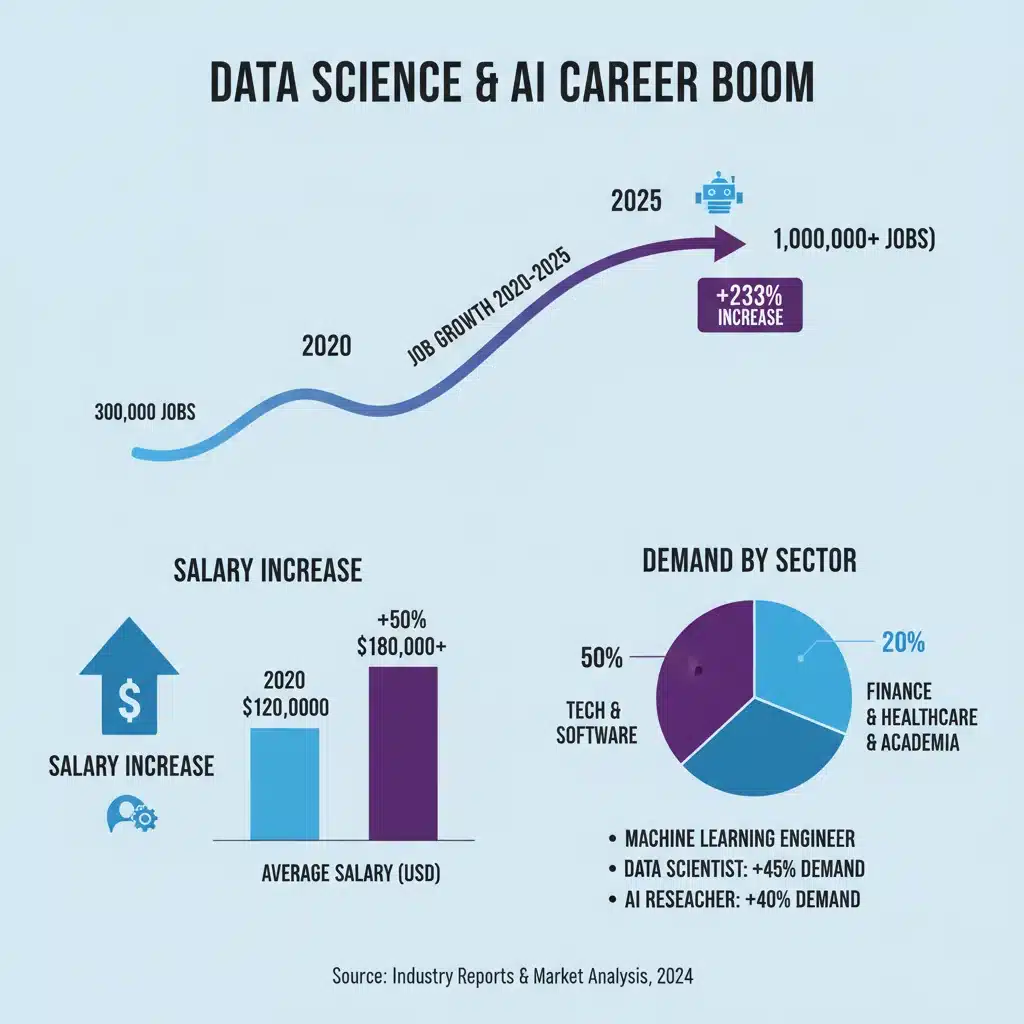
Data is the new oil, and data scientists are the engineers who extract, refine, and utilize it. The explosion of big data and the rapid advancements in artificial intelligence (AI) have made data science one of the most critical and highest-paying fields globally. Companies across all sectors, from healthcare to finance to retail, are leveraging data to make informed decisions, optimize operations, and create new products and services. The demand for skilled data scientists far exceeds the current supply, making certifications in this area incredibly valuable for a substantial upskilling salary boost.
The role of a data scientist involves a blend of statistics, computer science, and business acumen. They are responsible for collecting, analyzing, and interpreting large datasets; developing predictive models; and communicating insights to stakeholders. As AI continues to integrate into every facet of business, the need for professionals who can manage and interpret the data that fuels AI systems will only intensify.
Key Skills Developed
- Statistical Analysis: Understanding and applying statistical methods to interpret data.
- Machine Learning: Developing and implementing algorithms for predictive modeling and pattern recognition.
- Programming Languages: Proficiency in Python and R, essential tools for data manipulation and analysis.
- Data Visualization: Creating compelling visual representations of data to convey insights effectively.
- Big Data Technologies: Working with frameworks like Hadoop and Spark.
- Database Management: Expertise in SQL and NoSQL databases.
Projected Salary Impact by 2027
Individuals with a Certified Data Scientist credential or a reputable professional certificate like the IBM Data Science Professional Certificate can expect a significant salary increase. Entry-level data scientists currently earn an average of around $90,000 to $120,000 per year. With a certification, mid-career professionals can easily see their salaries jump by 10-15%, pushing them well into the $130,000 – $160,000 range, with senior roles commanding even more. By 2027, as the demand for data-driven insights grows, this upskilling salary boost is projected to be even more pronounced, with a certified professional easily exceeding the 10% threshold.
The investment in a data science certification typically ranges from a few hundred to a few thousand dollars, depending on the program and provider. Given the potential salary increase, the return on investment is exceptionally high, often recouped within the first year of employment or promotion.
Certification 2: Certified Cloud Architect (e.g., AWS Certified Solutions Architect – Professional, Google Cloud Professional Cloud Architect)
The Cloud Revolution: Building the Future Infrastructure
Cloud computing is no longer a niche technology; it is the backbone of modern business operations. From small startups to multinational corporations, organizations are migrating their infrastructure, applications, and data to the cloud to achieve scalability, flexibility, and cost-efficiency. Cloud architects are the masterminds behind these migrations, designing and implementing robust, secure, and high-performing cloud solutions. The complexity and criticality of this role make certified cloud architects indispensable, driving substantial demand and offering a prime opportunity for an upskilling salary boost.
The market is dominated by major players like Amazon Web Services (AWS), Google Cloud Platform (GCP), and Microsoft Azure. Certifications from these providers are highly respected and directly demonstrate a professional’s ability to design and manage complex cloud environments. As more businesses move towards multi-cloud strategies, the need for architects with expertise across different platforms will continue to grow.
Key Skills Developed
- Cloud Architecture Design: Creating scalable, fault-tolerant, and highly available cloud solutions.
- Security and Compliance: Implementing robust security measures and ensuring regulatory compliance in cloud environments.
- Cost Optimization: Designing cost-effective cloud solutions and managing cloud spending.
- Network Design: Configuring virtual private clouds (VPCs) and network connectivity.
- Migration Strategies: Planning and executing seamless transitions from on-premise to cloud infrastructure.
- DevOps Principles: Integrating continuous integration/continuous delivery (CI/CD) pipelines in cloud setups.
Projected Salary Impact by 2027
Cloud architects are among the highest-paid IT professionals. An AWS Certified Solutions Architect – Professional or a Google Cloud Professional Cloud Architect can expect an average annual salary ranging from $140,000 to $180,000, with experienced professionals often exceeding $200,000. Achieving one of these certifications can easily lead to a 10-15% immediate salary increase for existing IT professionals or position new entrants at the higher end of the salary spectrum. By 2027, as cloud adoption becomes even more pervasive and complex, the demand for certified architects will only intensify, making the upskilling salary boost from these credentials a certainty and likely even greater than 10%.
These certifications require significant study and often hands-on experience, but the investment is well worth it. Many companies even offer to cover the cost of certification exams due to the critical need for these skills.
Certification 3: Project Management Professional (PMP)
Mastering Project Delivery in Any Industry
While data science and cloud computing are highly specialized technical fields, effective project management remains a universal and perpetually in-demand skill across all industries. The Project Management Professional (PMP) certification, offered by the Project Management Institute (PMI), is globally recognized as the gold standard for project managers. It validates a professional’s ability to lead and direct projects and teams, ensuring successful project delivery within scope, budget, and timeline. In an increasingly project-driven world, the PMP offers a consistent and reliable path to an upskilling salary boost.
Organizations rely on skilled project managers to navigate complex initiatives, manage resources, mitigate risks, and communicate effectively with stakeholders. The PMP certification demonstrates a commitment to the profession and a mastery of best practices, making certified individuals highly attractive to employers looking to improve efficiency and project success rates.
Key Skills Developed
- Project Integration Management: Coordinating all aspects of a project.
- Scope Management: Defining and controlling what is and is not included in the project.
- Schedule Management: Developing, monitoring, and controlling project timelines.
- Cost Management: Planning, estimating, budgeting, and controlling project costs.
- Quality Management: Ensuring the project meets specified quality standards.
- Resource Management: Acquiring, developing, and managing project team members and physical resources.
- Risk Management: Identifying, analyzing, and responding to project risks.
- Stakeholder Management: Identifying and engaging with all project stakeholders.
Projected Salary Impact by 2027
PMP-certified professionals consistently earn significantly more than their non-certified counterparts. According to PMI’s ‘Earning Power: Project Management Salary Survey,’ PMP-certified individuals in the US earn 20-25% more on average. Current average salaries for PMP holders range from $110,000 to $150,000, depending on experience and industry. By 2027, this premium is expected to hold strong or even increase, guaranteeing a 10% or more upskilling salary boost for those who achieve this credential. For many, this certification is a career accelerator, opening doors to leadership roles and higher compensation.
While the PMP requires a significant amount of project management experience and a rigorous exam, its global recognition and proven impact on earning potential make it an invaluable investment for any aspiring or current project manager. The structured approach to project management that the PMP instills is transferable across any industry, ensuring its continued relevance.

How to Choose the Right Certification for Your Career
Selecting the right certification for your upskilling salary boost requires careful consideration of several factors:
1. Assess Your Current Skills and Interests
What are you good at? What do you enjoy doing? Building on existing strengths can make the learning process more engaging and increase your chances of success. If you have a knack for problem-solving and statistics, data science might be a natural fit. If you enjoy designing systems and understanding infrastructure, cloud architecture could be your calling. If you excel at organization, leadership, and communication, project management might be the best route.
2. Research Industry Demand and Future Trends
Look beyond current job postings. Investigate industry reports, analyses from organizations like Gartner and Forrester, and labor market projections to understand where the job market is headed. The certifications highlighted in this article are based on strong, sustained demand projections, but always verify how they align with your specific career goals and the industries you target.
3. Consider Your Career Goals
Where do you see yourself in five years? Do you aspire to be a technical lead, a strategic manager, or a specialized expert? Different certifications cater to different career trajectories. A data science certification might lead to a role as a Lead Data Scientist, while a PMP could propel you into a Program Manager or Portfolio Manager position. Align your certification choice with your long-term ambitions.
4. Evaluate Prerequisites and Time Commitment
Each certification has specific prerequisites regarding education, experience, and sometimes prior certifications. Be realistic about the time and effort you can commit to studying and preparing for the exams. Some certifications, like the PMP, require thousands of hours of documented project experience. Plan your journey accordingly to avoid burnout and ensure success.
5. Explore Learning Resources and Costs
Investigate the various learning platforms, bootcamps, and online courses available for each certification. Compare costs, instructor quality, and curriculum relevance. Many certifications also have exam fees. Factor all these expenses into your decision-making process. Remember, this is an investment in your future, and a well-planned investment yields the best returns.
Beyond Certifications: Complementary Strategies for Career Growth
While certifications are powerful tools for an upskilling salary boost, they are most effective when combined with other career development strategies:
Networking
Connect with professionals in your target field. Attend industry conferences, join online forums, and leverage platforms like LinkedIn. Networking can open doors to new opportunities, provide valuable insights, and help you stay abreast of industry trends. Many job opportunities are found through connections, not just job boards.
Practical Experience
Apply your newly acquired skills. If you’re pursuing data science, work on personal projects, contribute to open-source initiatives, or seek out opportunities within your current role to take on data-related tasks. For cloud architecture, experiment with free-tier accounts on AWS or GCP. For project management, volunteer to lead small projects or take on more responsibility in your current role. Practical application solidifies learning and builds a demonstrable portfolio of work.
Continuous Learning
The tech world, in particular, is in a constant state of flux. What’s cutting-edge today might be standard practice tomorrow. Commit to lifelong learning by regularly reading industry publications, attending webinars, and exploring new technologies. This commitment ensures that your upskilling salary boost is not a one-time event but a continuous upward trajectory.
Soft Skills Development
Technical skills are crucial, but soft skills like communication, leadership, adaptability, and emotional intelligence are equally important for career advancement. These skills enable you to work effectively in teams, articulate complex ideas, and navigate workplace dynamics. They are often the differentiators between technically proficient individuals and true leaders.
The Future of Work and Your Role in It
The future of work will be characterized by agility, continuous adaptation, and a premium on specialized, human-centric skills. As AI takes over more routine tasks, the demand for professionals who can design, manage, and innovate with these technologies will soar. The certifications discussed – Data Scientist, Cloud Architect, and Project Management Professional – directly address these critical needs. They are not just about earning a piece of paper; they are about acquiring the knowledge and demonstrating the capability to contribute meaningfully to the challenges and opportunities of the coming years.
Investing in an upskilling salary boost through these certifications is not merely a financial decision; it’s a strategic career move that positions you at the forefront of innovation and demand. By proactively enhancing your skill set, you are not just securing your job but actively shaping your professional future, ensuring resilience, relevance, and rewarding financial outcomes.
Conclusion: Take Control of Your Career Trajectory
The promise of a 10% salary boost by 2027 through strategic upskilling is a tangible and achievable goal for professionals in the US. The Certified Data Scientist (or equivalent), Certified Cloud Architect, and Project Management Professional (PMP) certifications stand out as the top contenders for delivering this significant return on investment. These credentials equip you with skills that are not just in demand today but are foundational for the future economy.
The journey to an upskilling salary boost requires dedication, planning, and a commitment to continuous improvement. However, the rewards – both financial and professional – are substantial. By choosing the right certification, diligently preparing, and complementing your technical expertise with crucial soft skills and practical experience, you can take control of your career trajectory and ensure a prosperous future in an ever-changing world. Don’t wait for the future to happen to you; actively build your future by investing in these transformative certifications today.
Author