New Student Loan Forgiveness Program 2026: Eligibility & Impact

The landscape of higher education finance is on the cusp of a monumental shift. In a move that promises to alleviate the financial burdens of millions, a new, comprehensive student loan forgiveness program is slated to take effect in mid-2026. This initiative is not merely a tweak to existing policies; it represents a significant re-evaluation of how student debt is managed and forgiven, aiming to provide a clearer, more accessible pathway to financial freedom for a substantial portion of the American populace. For years, the escalating cost of college and the subsequent accumulation of student debt have cast a long shadow over the economic prospects of graduates and non-graduates alike. This new program, focusing on student loan forgiveness 2026, seeks to address these systemic issues head-on, offering a beacon of hope for those struggling under the weight of their educational loans.
Understanding the intricacies of this forthcoming program is paramount for anyone who has student loan debt or knows someone who does. The details surrounding eligibility, the application process, and the potential impact on individual finances and the broader economy are critical. This article delves deep into these aspects, providing a comprehensive guide to what borrowers can expect as mid-2026 approaches. From the foundational principles guiding its creation to the practical steps borrowers will need to take, we aim to demystify the new student loan forgiveness 2026 program, ensuring that you are well-equipped to navigate this significant financial opportunity.
The Genesis of Change: Why a New Student Loan Forgiveness Program?
The decision to implement a new student loan forgiveness program stems from a confluence of factors, primarily the ever-growing national student debt crisis. For decades, the cost of higher education has outpaced inflation and wage growth, forcing millions of students to rely heavily on loans to finance their degrees. The sheer volume of outstanding student debt in the United States has reached staggering levels, impacting everything from homeownership rates to small business creation and overall economic mobility. Existing forgiveness programs, while beneficial to some, have often been criticized for their complexity, stringent eligibility requirements, and the relatively small number of borrowers they ultimately serve.
Policymakers and economic experts have increasingly recognized the need for a more robust and equitable solution. The discussions leading to the student loan forgiveness 2026 initiative have focused on creating a program that is not only broader in scope but also simpler to understand and access. The goal is to provide meaningful relief that allows borrowers to invest in their futures, stimulate economic growth, and reduce the psychological and financial stress associated with long-term debt. This new program is envisioned as a foundational piece of a larger strategy to make higher education more affordable and its financial aftermath more manageable for future generations.
Moreover, the economic uncertainties of recent years have highlighted the fragility of many households’ financial situations, with student debt often acting as a significant impediment to recovery and growth. The new student loan forgiveness program represents a proactive step to inject stability into the economy by freeing up disposable income for millions of Americans. It acknowledges that education should be an avenue for upward mobility, not a lifelong financial burden. The anticipated implementation in mid-2026 provides ample time for the necessary administrative structures to be put in place, and for borrowers to prepare for the application process.
Who is Eligible? Decoding the Student Loan Forgiveness 2026 Criteria
One of the most critical aspects of any forgiveness program is eligibility, and the new student loan forgiveness 2026 initiative is designed to be more inclusive than its predecessors. While the final, granular details are still being solidified and will be released closer to the implementation date, several key parameters have been outlined, giving borrowers a clear indication of whether they might qualify. Broadly, the program aims to target a wide range of federal student loan borrowers, with specific provisions for those who have been in repayment for extended periods, those with lower incomes, and individuals who may have been victims of predatory lending practices by certain institutions.
Income-Driven Repayment (IDR) Plans and Forgiveness
A significant component of the student loan forgiveness 2026 program centers around enhancements to Income-Driven Repayment (IDR) plans. Many borrowers currently enrolled in IDR plans could see their remaining balances forgiven after a certain number of years of qualifying payments, irrespective of their original loan amount. The new program is expected to streamline the process for counting qualifying payments, potentially including periods of deferment and forbearance that were previously excluded. This adjustment could fast-track many borrowers towards forgiveness, making the path to debt relief more predictable and achievable. Emphasis will be placed on ensuring that the payment history is accurately tracked and that borrowers are properly credited for their time in repayment. This is a crucial step to address historical inaccuracies and administrative hurdles that have prevented many from realizing the benefits of IDR forgiveness in the past.
Targeted Relief for Specific Borrower Groups
Beyond IDR enhancements, the student loan forgiveness 2026 framework is expected to include targeted relief for specific groups. This may include, but is not limited to, borrowers who: have low to moderate incomes, regardless of their IDR status; attended institutions that engaged in fraudulent practices and were subsequently closed; or have been in repayment for an exceptionally long duration, perhaps 20 years or more, without achieving full loan repayment. The exact thresholds for income and repayment duration are still under review, but the intent is clear: to provide a safety net for those who have been most impacted by the student debt crisis. This targeted approach ensures that the relief is directed where it is most needed, maximizing its positive impact on individuals and communities.
Exclusions and Limitations
It is equally important to understand potential exclusions. Typically, private student loans are not covered by federal forgiveness programs, and this new initiative is expected to follow suit. Borrowers with only private loans will likely need to explore other avenues for debt relief. Furthermore, there may be income caps for certain forgiveness tiers, meaning very high-income earners might not qualify for certain aspects of the program. The program’s architects are striving for a balance between broad relief and fiscal responsibility, ensuring that the benefits are distributed equitably while remaining sustainable. Keeping abreast of the official announcements from the Department of Education will be crucial for understanding the precise limitations and ensuring compliance with all requirements for student loan forgiveness 2026.
The Application Process: Navigating Your Path to Forgiveness
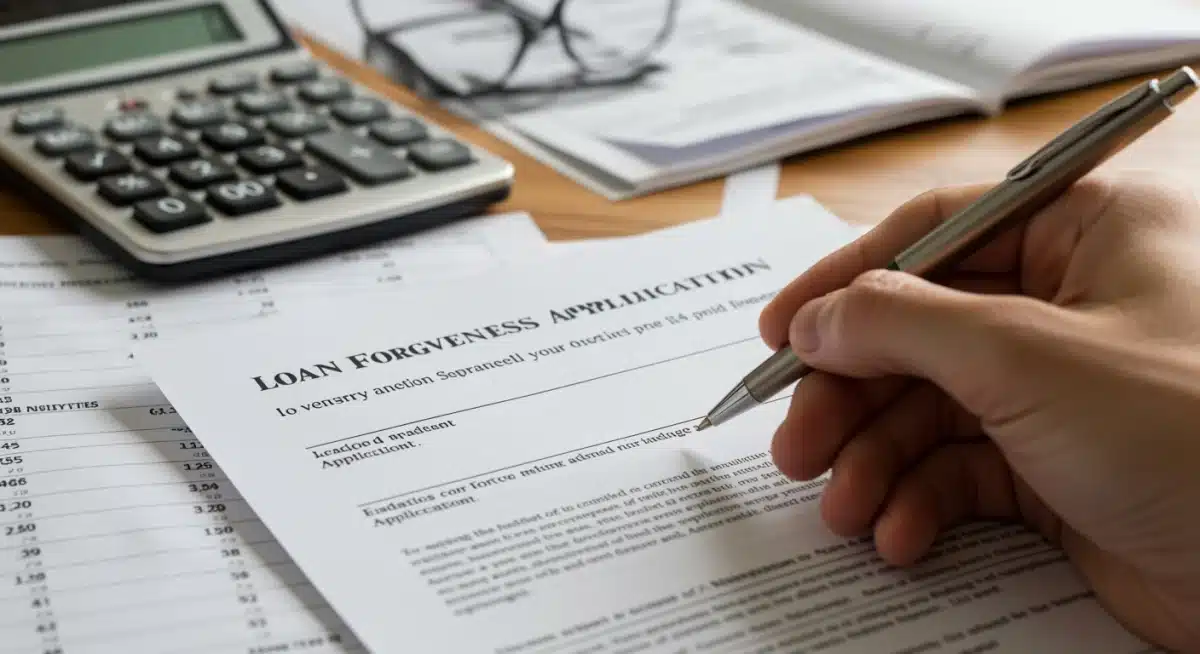
While the new student loan forgiveness 2026 program aims for simplicity, an application process will undoubtedly be involved. The exact mechanisms for applying are still under development, but based on past programs and current trends, borrowers can anticipate a streamlined, potentially automated, or semi-automated system. The goal is to minimize administrative burden on both borrowers and the government, ensuring that eligible individuals can access relief without unnecessary hurdles.
Anticipated Steps for Application
Borrowers should prepare for a multi-step process, although some steps might be automated for those already in federal loan systems. The likely steps include:
- Information Gathering: Ensure all your federal student loan information is up-to-date with your loan servicer. This includes contact information, income details, and family size.
- Official Program Launch & Guidance: Await the official launch of the program in mid-2026, at which point the Department of Education will release detailed guidelines, FAQs, and application forms.
- Application Submission: Complete and submit the application form, which is expected to be available online. This form will likely require certification of income, loan details, and other relevant eligibility criteria.
- Documentation: Be prepared to provide supporting documentation if requested, such as tax returns, pay stubs, or proof of enrollment in certain repayment plans.
- Review and Notification: The Department of Education or your loan servicer will review your application. You will then be notified of the decision regarding your eligibility for student loan forgiveness 2026.
It’s crucial to be wary of scams. As with any major financial relief program, fraudulent schemes often emerge. Only trust information and application portals directly from the official Department of Education website or your official loan servicer. Never pay a fee for student loan forgiveness, as legitimate government programs do not charge for applications.
Preparing for Mid-2026 Now
Even though the program doesn’t officially launch until mid-2026, there are proactive steps borrowers can take now:
- Consolidate Federal Loans: If you have multiple federal loans, consider consolidating them into a Direct Consolidation Loan. This can simplify your repayment and ensure all your loans are eligible for federal programs.
- Enroll in an IDR Plan: If you haven’t already, explore enrolling in an Income-Driven Repayment plan. Many aspects of the new forgiveness program are expected to build upon IDR frameworks, and being enrolled might streamline your path to forgiveness.
- Update Contact Information: Ensure your loan servicer has your most current contact information so you receive all official communications regarding the student loan forgiveness 2026 program.
- Review Your Loan History: Access your loan history through the Federal Student Aid website (studentaid.gov) to understand your current loan status, payment history, and servicer details. This will be invaluable when completing any application.
Impact and Implications: Beyond Individual Borrowers
The implementation of the new student loan forgiveness 2026 program is poised to have far-reaching effects that extend well beyond the individual borrowers who receive relief. Economists and social scientists are predicting a ripple effect across various sectors, signaling a potential boost to the national economy and a re-evaluation of higher education’s role in society. This comprehensive approach to student debt aims to unlock economic potential that has long been suppressed by the burden of loan repayments.
Economic Stimulus and Consumer Spending
One of the most immediate and tangible impacts of widespread student loan forgiveness is the anticipated economic stimulus. When borrowers are freed from monthly loan payments, they gain increased disposable income. This newfound financial flexibility is likely to translate into increased consumer spending on goods and services, ranging from household necessities to larger purchases like cars and homes. This surge in demand can invigorate various industries, support job growth, and contribute to overall economic expansion. Furthermore, the ability to save and invest can improve individual financial stability, leading to a more robust and resilient economy over time. The student loan forgiveness 2026 program is designed to be a significant economic catalyst, providing a much-needed boost after periods of economic uncertainty.
Addressing Wealth Inequality and Social Mobility
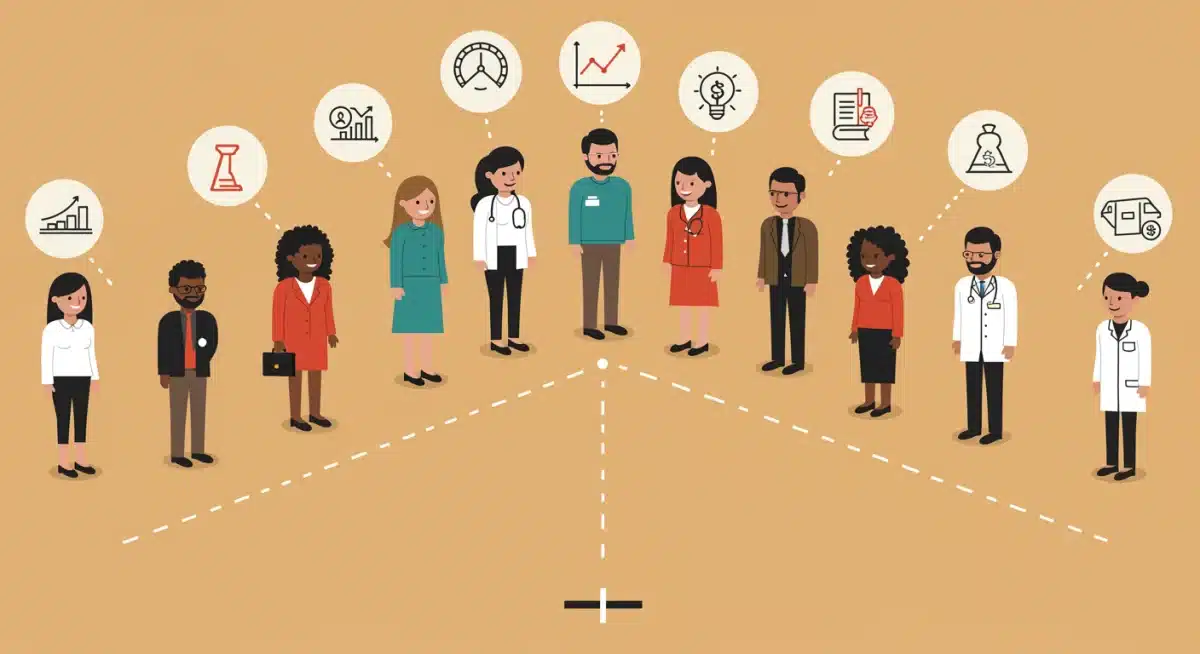
Student debt disproportionately affects certain demographic groups, exacerbating existing wealth inequalities. By offering substantial relief, the student loan forgiveness 2026 program has the potential to narrow these gaps. It can provide a crucial leg up for individuals from lower-income backgrounds or minority groups who often rely more heavily on loans to finance their education. With less debt, these individuals may find it easier to build wealth, purchase assets, and achieve greater financial security, thereby fostering greater social mobility. This program is a step towards ensuring that higher education remains an accessible path to opportunity for all, rather than a barrier for some. It recognizes that broad-based debt relief can be a powerful tool for promoting equity.
Mental Health and Well-being
The psychological toll of student debt is often underestimated. The constant stress, anxiety, and feeling of being financially trapped can have significant negative impacts on mental health and overall well-being. Forgiveness can lift this immense burden, allowing individuals to pursue career paths that align with their passions rather than solely focusing on high-paying jobs to service debt. It can also improve personal relationships, reduce stress-related health issues, and foster a greater sense of optimism about the future. The student loan forgiveness 2026 program is not just about financial numbers; it’s about improving the quality of life for millions of Americans.
The Future of Higher Education Funding
While the student loan forgiveness 2026 program addresses existing debt, it also sparks important conversations about the future of higher education funding. The program highlights the need for sustainable solutions that prevent future generations from accumulating similar levels of debt. This could lead to policy discussions around:
- Tuition Reform: Exploring ways to control or reduce the rising cost of tuition at colleges and universities.
- Increased Grant Funding: Expanding federal and state grant programs that do not require repayment, making education more accessible.
- Income-Share Agreements (ISAs): Investigating alternative financing models where repayment is tied to a percentage of future income, with built-in caps.
- Enhanced Financial Literacy: Providing better resources and education to students about the implications of taking on student loans.
The student loan forgiveness 2026 initiative serves as a powerful catalyst for these broader discussions, aiming to create a system where higher education is an investment in human capital rather than a source of lifelong financial strain. It underscores the idea that a well-educated populace is beneficial for the entire nation, and the financial structures supporting this education should reflect that value.
Navigating the Specifics: What You Need to Know
As the mid-2026 implementation date draws closer, the Department of Education will undoubtedly release more granular details about the student loan forgiveness 2026 program. Staying informed will be crucial. Here are some key areas to monitor:
Official Communication Channels
Always rely on official sources for information. Bookmark and regularly check the Federal Student Aid website (studentaid.gov), which is the authoritative source for federal student loan information. Sign up for email updates from the Department of Education or your loan servicer to receive timely notifications about the program launch, eligibility criteria, and application procedures. Be wary of unofficial websites or social media posts that promise immediate forgiveness or charge fees for information; these are almost certainly scams.
Understanding Your Loan Type
It’s important to differentiate between federal and private student loans. The student loan forgiveness 2026 program, like most federal initiatives, will primarily target federal student loans. If you have a mix of both, only your federal loans will be considered for this specific type of forgiveness. Familiarize yourself with the types of federal loans you hold (e.g., Direct Subsidized, Direct Unsubsidized, PLUS loans) as eligibility details might vary slightly based on loan type or when the loans were disbursed.
Impact on Credit Scores and Taxes
Generally, federal student loan forgiveness can positively impact your credit score by reducing your debt-to-income ratio, assuming other financial obligations are being met. However, it’s essential to understand the potential tax implications. Historically, some forms of loan forgiveness have been considered taxable income by the IRS, while others have been exempt. The new student loan forgiveness 2026 program’s specific tax treatment will be a critical detail to watch for. It’s advisable to consult with a tax professional once official guidance is released to understand how forgiveness might affect your individual tax situation.
Long-Term Financial Planning
For those who receive student loan forgiveness 2026, this presents a unique opportunity for long-term financial planning. Consider how this newfound financial freedom can be leveraged: paying off other high-interest debt, building an emergency fund, investing for retirement, or saving for major life goals like a down payment on a house. This program is not just about debt cancellation; it’s about resetting financial trajectories and enabling a more secure future. Developing a solid financial plan post-forgiveness will maximize the benefits of this significant relief.
Conclusion: A New Chapter for Student Borrowers
The upcoming student loan forgiveness 2026 program marks a pivotal moment in the ongoing effort to address the national student debt crisis. By offering a more accessible and comprehensive pathway to debt relief, it promises to empower millions of borrowers, stimulate economic growth, and foster greater equity in the higher education system. While the specific details are still being finalized, the overarching goal is clear: to provide meaningful relief that allows individuals to thrive without the crushing weight of educational debt.
For borrowers, preparation is key. Staying informed through official channels, understanding your current loan status, and taking proactive steps like consolidating federal loans or enrolling in IDR plans can position you to take full advantage of this historic opportunity. As mid-2026 approaches, the promise of student loan forgiveness offers a renewed sense of hope for a brighter financial future, transforming the lives of countless individuals and contributing to a more robust and equitable society.
This initiative represents more than just financial policy; it’s a recognition of the value of education and the collective responsibility to ensure that its pursuit does not lead to insurmountable financial hardship. The student loan forgiveness 2026 program is poised to open a new chapter for millions, changing the narrative around student debt from one of burden to one of opportunity and progress.