Real Wage Growth US 2026: Why 1.5% Below Inflation
Real Wage Growth in the U.S. for 2026: An Analysis of Why a 1.5% Increase is Below Inflation
The economic landscape of the United States is a dynamic and complex tapestry, constantly influenced by a myriad of factors ranging from global events to domestic policy decisions. As we look ahead to 2026, one of the most critical indicators for the financial well-being of American households is real wage growth. Projections suggest that while nominal wages may see an increase, the real wage growth — that is, wage growth adjusted for inflation — could be a modest 1.5%. This figure, however, raises a significant concern: why is this projected increase likely to fall below the anticipated rate of inflation, and what are the broader implications for the U.S. economy and its workforce?
Understanding real wage growth is paramount because it directly reflects the purchasing power of individuals. A nominal wage increase might sound positive on the surface, but if the cost of living — driven by inflation — rises at a faster pace, then workers are effectively losing ground. Their hard-earned money buys less, leading to a decline in their standard of living. This article delves deep into the factors contributing to this projected scenario for 2026, exploring the economic forces at play, the historical context, and the potential impact on various segments of the population. We will examine the interplay of labor market dynamics, monetary policy, global supply chains, and consumer demand to provide a comprehensive picture of why a 1.5% real wage increase might not be enough to keep pace with the rising tide of inflation.
Defining Real Wage Growth and Its Significance
Before we dissect the projections for 2026, it’s crucial to firmly grasp what real wage growth entails. In simple terms, it’s the increase in wages after accounting for inflation. If your paycheck goes up by 3%, but prices for goods and services — housing, food, transportation, healthcare — also go up by 3%, your real wage growth is 0%. You can buy the same amount as before. If prices go up by 4%, your 3% nominal raise actually results in a 1% decrease in your real wages; you are worse off. Conversely, if prices only rise by 2%, your 3% raise means a 1% increase in real wages, enhancing your purchasing power.
The significance of positive real wage growth cannot be overstated. It is a fundamental driver of economic prosperity and social stability. When real wages increase, consumers have more disposable income, which can stimulate demand for goods and services, leading to greater economic activity. It allows families to save, invest, and improve their quality of life. Conversely, stagnant or negative real wage growth can lead to widespread economic anxiety, reduced consumer spending, and a general feeling of economic malaise. For policymakers, monitoring real wage growth is a key indicator of the health of the labor market and the effectiveness of economic policies.
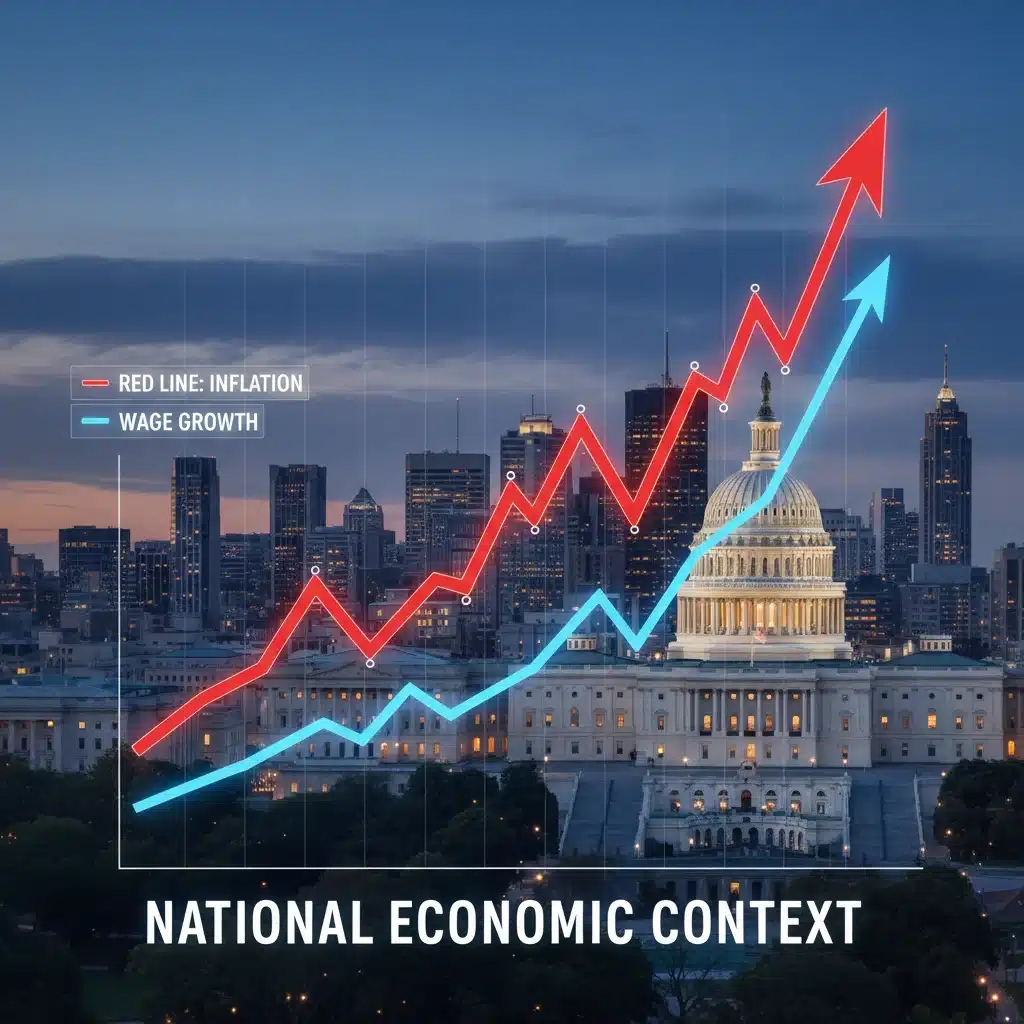
For 2026, a projected 1.5% real wage increase, while seemingly positive, becomes concerning when juxtaposed with expected inflation rates. Economic forecasts, which are always subject to revision, currently suggest that inflation could hover around or even exceed this 1.5% mark. This implies that many American workers might find their financial standing either stagnating or subtly eroding, even with a raise. This phenomenon can be particularly insidious because nominal wage increases can create a false sense of security, masking the underlying erosion of purchasing power.
Factors Influencing Real Wage Growth Projections for 2026
Several interconnected factors contribute to the projection of a modest 1.5% real wage growth in 2026, potentially below the inflation rate. Understanding these elements is key to comprehending the challenges facing American workers.
Labor Market Dynamics: Supply, Demand, and Automation
The balance between the supply of labor and the demand for it is a primary determinant of wage levels. A tight labor market, where demand for workers outstrips supply, typically drives wages up. However, several dynamics could temper this effect by 2026:
- Labor Force Participation: Changes in labor force participation rates, influenced by demographic shifts, retirement trends, and social factors, can impact labor supply. An increase in participation could ease wage pressures.
- Skill Mismatches: While certain sectors might experience high demand for specialized skills, a mismatch between the skills workers possess and the skills employers need can lead to wage stagnation in other areas.
- Automation and AI: The accelerating integration of automation and artificial intelligence into various industries could displace some jobs or suppress wage growth in roles susceptible to technological replacement. While new jobs are created, the transition can be uneven.
- Unionization Rates: Historically, stronger union presence has correlated with higher wage growth. Current trends in unionization will play a role, though their immediate impact by 2026 might be limited without significant legislative changes.
Inflationary Pressures: Why Prices Might Outpace Wages
The core of the problem lies in inflation. Even if nominal wages rise, if inflation rises faster, real wage growth suffers. Several factors could contribute to persistent inflationary pressures:
- Supply Chain Resilience: Lingering vulnerabilities in global supply chains, exacerbated by geopolitical events or future disruptions, can lead to higher production costs and, consequently, higher consumer prices.
- Energy Prices: Fluctuations in global energy markets — oil, gas, electricity — have a pervasive impact on almost all goods and services. Geopolitical instability or shifts in energy policy could drive these costs up.
- Housing Costs: Persistent increases in housing costs, including rent and mortgage payments, are a significant component of inflation and a major burden on household budgets. Supply shortages and investment trends in real estate can sustain these increases.
- Geopolitical Tensions: International conflicts and trade disputes can disrupt commodity markets, increase transportation costs, and create uncertainty, all of which can fuel inflation.
- Fiscal Policy: Government spending and taxation policies can influence aggregate demand. Expansionary fiscal policies without corresponding increases in supply can lead to inflationary pressures.
Monetary Policy and Interest Rates
Central banks, like the Federal Reserve, play a crucial role in managing inflation through monetary policy. Their decisions on interest rates directly influence borrowing costs, investment, and consumer spending. By 2026, the cumulative effect of current and future monetary policy actions will be felt:
- Interest Rate Levels: Higher interest rates, intended to cool inflation, can also slow economic growth, potentially dampening wage increases. Conversely, lower rates might stimulate demand but risk reigniting inflation.
- Quantitative Tightening/Easing: The Fed’s balance sheet management also impacts liquidity in the financial system, influencing credit availability and economic activity.
- Inflation Expectations: If businesses and consumers expect inflation to remain high, they may adjust their pricing and wage demands accordingly, creating a self-fulfilling prophecy. The Fed’s credibility in managing these expectations is vital.
Historical Context: Lessons from the Past
To better understand the 2026 projection for real wage growth, it’s helpful to look at historical trends. The U.S. economy has experienced periods of both robust and stagnant real wage growth. In the decades following World War II, real wages generally climbed steadily, reflecting strong productivity gains and a more unionized workforce. However, since the 1970s, real wage growth for many segments of the population has been more uneven.
The 1970s, for instance, were characterized by high inflation and relatively stagnant nominal wage growth, leading to significant declines in real wages for many. More recently, the period after the 2008 financial crisis saw slow wage growth despite low inflation, as the economy struggled to recover. The post-pandemic era has presented a unique challenge, with a surge in inflation initially outpacing significant nominal wage gains, leading to negative real wage growth for many workers. As the economy recalibrates, the question is whether wage increases can consistently outpace price increases.
Economists often point to factors like declining union membership, globalization, and increased automation as long-term contributors to slower wage growth for some workers. The gig economy and the rise of contract work also introduce complexities, as these workers often have less bargaining power and fewer benefits, which can indirectly affect overall wage trends. Learning from these historical patterns allows us to anticipate potential pitfalls and understand the resilience or fragility of real wage growth in different economic environments.
Impact on American Households and the Economy
A projected 1.5% real wage growth that falls below inflation has profound implications for American households and the broader economy.
Erosion of Purchasing Power
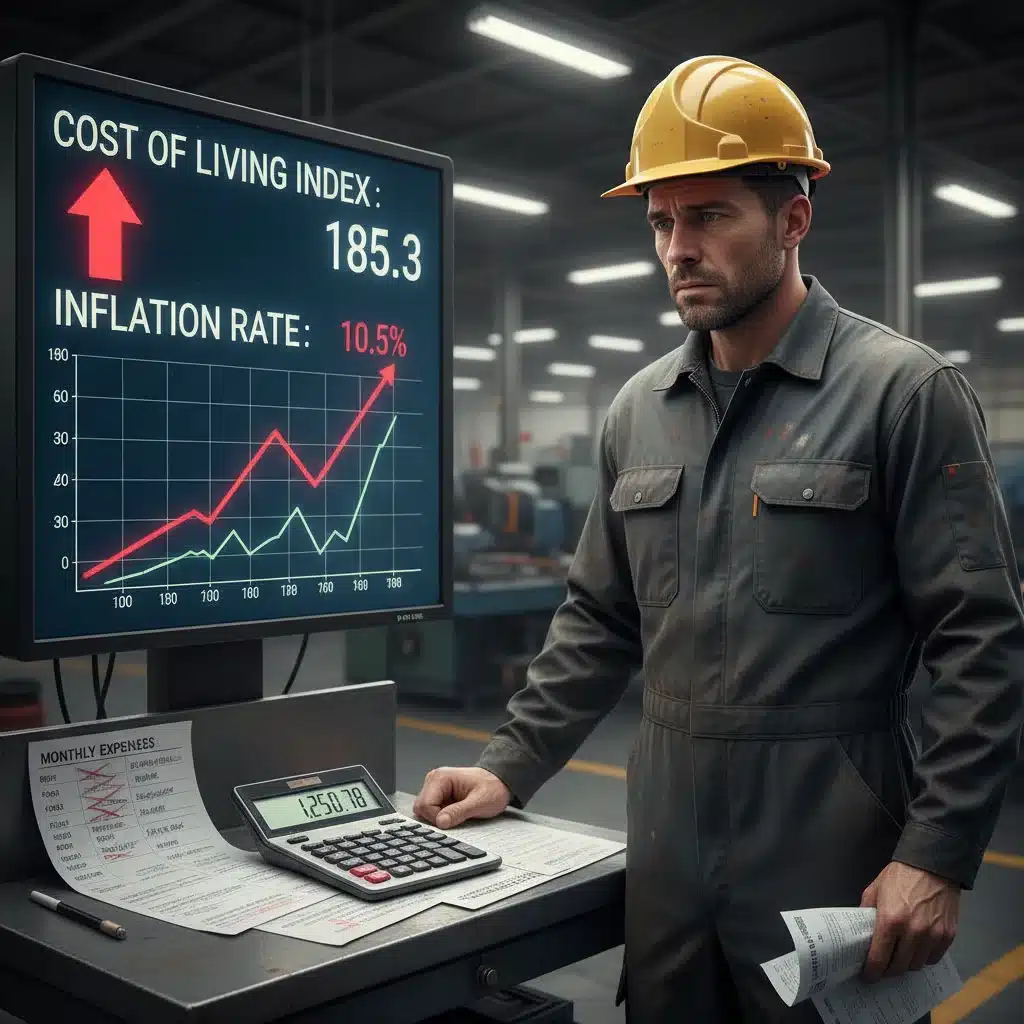
The most immediate and direct impact is the erosion of purchasing power. If wages don’t keep up with prices, families will find it harder to afford essential goods and services. This can lead to:
- Reduced Savings: Households may have to dip into savings or reduce their ability to save for retirement, education, or emergencies.
- Increased Debt: To maintain their standard of living, some families might resort to taking on more debt, particularly credit card debt, which can create a vicious cycle.
- Delayed Milestones: Major life milestones, such as buying a home, starting a family, or funding children’s education, might become more challenging to achieve.
- Disproportionate Impact: Lower-income households and those with fixed incomes are often hit hardest by inflation, as a larger portion of their income goes towards necessities whose prices are rising.
Economic Implications
At a macro level, sustained negative or stagnant real wage growth can have several detrimental effects on the economy:
- Slower Consumer Spending: As consumers feel the pinch, they tend to cut back on discretionary spending, which can slow economic growth. Since consumer spending is a major component of GDP, this can have a significant impact.
- Reduced Business Investment: Businesses may see weaker demand for their products and services, leading to reduced investment in expansion, innovation, and job creation.
- Increased Social Inequality: If real wages for the majority stagnate while profits for some businesses or returns for capital owners continue to grow, it can exacerbate income and wealth inequality.
- Political and Social Unrest: Persistent economic hardship can lead to public dissatisfaction and increased social tensions.
Strategies for Individuals and Policymakers
Given the challenging outlook for real wage growth in 2026, both individuals and policymakers may need to consider various strategies.
Individual Strategies
For individuals, navigating a period where wages lag inflation requires proactive financial planning:
- Skill Development: Investing in new skills or certifications can increase earning potential and make individuals more valuable in the labor market, potentially leading to higher nominal wage increases.
- Budgeting and Frugality: Meticulous budgeting and finding ways to reduce expenses become even more critical when purchasing power is eroding.
- Negotiating Wages: Actively negotiating for higher wages or seeking promotions can help individuals try to outpace inflation. Researching market rates for their skills is essential.
- Diversifying Income Streams: Exploring side hustles or passive income opportunities can provide additional financial cushioning.
- Strategic Investing: Investing in assets that have historically kept pace with or outpaced inflation (e.g., certain stocks, real estate, inflation-protected securities) can help preserve wealth.
Policy Responses
Policymakers face the complex task of fostering sustainable real wage growth without exacerbating inflation. Potential policy avenues include:
- Productivity Enhancements: Investing in infrastructure, education, and research and development can boost overall productivity, which is a long-term driver of real wages.
- Targeted Fiscal Policies: Policies aimed at supporting specific sectors or demographics, such as training programs for high-demand jobs or tax credits for low-income workers, could help.
- Labor Market Reforms: Re-evaluating labor laws, minimum wage policies, and supporting collective bargaining could empower workers to secure better wage increases.
- Supply Chain Resilience: Government initiatives to diversify supply chains and invest in domestic production can help mitigate inflationary pressures from global disruptions.
- Responsible Monetary Policy: The Federal Reserve’s continued balancing act — aiming for price stability while supporting maximum sustainable employment — will be crucial. Clear communication about their strategy can help anchor inflation expectations.

The Role of Productivity in Sustaining Real Wage Growth
A fundamental driver of sustainable real wage growth over the long term is productivity. When workers become more productive — meaning they can produce more goods or services in the same amount of time — businesses can afford to pay higher wages without increasing prices, or they can increase wages and still remain competitive. If productivity growth lags, then wage increases often come at the cost of higher prices (inflation) or reduced profits, neither of which is sustainable.
For 2026 and beyond, the rate of productivity growth in the U.S. will be a critical determinant of whether real wages can consistently outpace inflation. Factors contributing to productivity include technological advancements, investment in capital equipment, improvements in education and worker skills, and efficient management practices. If the U.S. can reignite a strong period of productivity growth, the prospects for healthy real wage growth will significantly improve. Conversely, if productivity gains remain sluggish, then the struggle for real wages to keep up with inflation will likely persist.
Policymakers, businesses, and educational institutions all have a role to play in fostering an environment conducive to productivity growth. This includes encouraging innovation, ensuring access to quality education and training, and creating regulatory frameworks that support efficient business operations. Without a concerted effort to boost productivity, achieving substantial and sustained real wage growth that genuinely improves living standards will remain an uphill battle.
Conclusion: Navigating the Economic Realities of 2026
The projection of a 1.5% real wage growth in the U.S. for 2026, potentially below the rate of inflation, highlights a significant challenge for the American workforce and economy. While a nominal increase in wages is always welcome, the true measure of financial well-being lies in real purchasing power. If inflation continues to outpace modest wage gains, the average American household could face a continued erosion of their living standards, leading to increased financial strain and potentially broader economic deceleration.
The interplay of labor market dynamics, persistent inflationary pressures stemming from supply chain vulnerabilities and energy costs, and the ongoing impact of monetary policy will shape this outcome. Understanding these complex forces is crucial for both individuals making personal financial decisions and policymakers crafting economic strategies. While the future is inherently uncertain, proactive measures — from individual skill development and strategic financial planning to comprehensive policy reforms aimed at boosting productivity and ensuring labor market fairness — will be essential to foster an environment where real wage growth genuinely contributes to widespread prosperity. The goal must be not just to see wages rise, but to ensure that those rises translate into tangible improvements in the daily lives of American workers.
Author