LIHEAP 2026: Secure Up to $1,000 for Heating & Cooling Costs

LIHEAP 2026: Your Guide to Up to $1,000 in Energy Bill Relief
As the seasons change and energy costs continue to fluctuate, many households face the daunting challenge of keeping their homes warm in winter and cool in summer. The financial strain of utility bills can be immense, especially for low-income families, the elderly, and individuals with disabilities. Fortunately, the federal government offers a vital lifeline through the Low Income Home Energy Assistance Program (LIHEAP). For 2026, LIHEAP continues its mission to alleviate this burden, potentially providing eligible households with up to $1,000 to cover heating and cooling expenses. Understanding the nuances of the LIHEAP 2026 application process is crucial for accessing these much-needed funds.
This comprehensive guide will walk you through everything you need to know about LIHEAP 2026, from eligibility requirements and the application process to maximizing your benefits and finding local assistance. Our goal is to empower you with the information necessary to navigate this essential program and ensure your home remains comfortable and safe throughout the year without undue financial stress. Let’s delve into how you can prepare for and successfully apply for LIHEAP 2026.
What is LIHEAP and How Does it Work?
The Low Income Home Energy Assistance Program (LIHEAP) is a federally funded program that helps low-income households with their energy bills. It’s designed to assist families and individuals who struggle to afford their heating and cooling costs, preventing energy crises, and making energy costs more manageable. LIHEAP is not a direct payment to individuals; instead, funds are typically paid directly to utility companies or fuel vendors on behalf of eligible households. The program is administered at the state and local levels, meaning specific eligibility criteria, benefit amounts, and application procedures can vary significantly from one location to another.
Key Objectives of LIHEAP:
- Heating Assistance: Helps pay for primary heating sources like electricity, natural gas, propane, oil, wood, or coal during the cold months.
- Cooling Assistance: Provides aid for air conditioning and other cooling costs during hot periods, especially crucial for vulnerable populations.
- Crisis Assistance: Offers immediate help to households facing energy emergencies, such as a utility shut-off notice or a broken heating/cooling system.
- Weatherization and Energy-Related Home Repairs: In some cases, LIHEAP funds can be used for minor home repairs that improve energy efficiency, though this is often a separate but related program.
The flexibility of LIHEAP allows states and tribal organizations to tailor programs to meet the unique needs of their communities, addressing specific climate challenges and energy costs. This adaptability ensures that the program remains relevant and impactful across the nation. Understanding the core principles of LIHEAP is the first step toward a successful LIHEAP 2026 application.
Who is Eligible for LIHEAP 2026? Determining Your Qualification
Eligibility for LIHEAP 2026 primarily hinges on household income and size, though other factors may also be considered. While specific criteria can vary by state and even by county, there are general federal guidelines that all administering agencies must follow. Typically, households must have an income at or below 150% of the federal poverty level or 60% of the state’s median income, whichever is greater. However, some states may set their limits higher or lower within federal parameters.
General Eligibility Requirements:
- Income Threshold: Your household’s gross monthly income must fall within the qualifying limits set by your state or local agency. These limits are updated annually, so it’s essential to check the most current figures for LIHEAP 2026.
- Household Size: The number of individuals living in your household impacts the income threshold. Larger households typically have higher income limits.
- Energy Burden: Some programs prioritize households that spend a disproportionately high percentage of their income on energy costs.
- Vulnerable Populations: Households with elderly members (60 years or older), individuals with disabilities, or young children (under 5 years old) often receive priority consideration.
- Residency: You must be a legal resident of the state or tribal area where you are applying.
- Utility Account: You generally need to be responsible for paying your home energy bills, either directly or as part of your rent.
It’s important to note that receiving other forms of public assistance, such as SNAP (food stamps), SSI, or TANF, can often automatically qualify you for LIHEAP, or at least streamline the application process. Always check with your local LIHEAP office for the precise eligibility standards for the LIHEAP 2026 application in your area. Don’t assume you’re ineligible without verifying the current guidelines.
How to Apply for LIHEAP 2026: A Step-by-Step Guide
The LIHEAP 2026 application process can seem daunting, but by breaking it down into manageable steps, you can successfully navigate it. The key is preparation and understanding where to seek assistance. While the exact steps may vary by location, the general outline remains consistent.
Step 1: Find Your Local LIHEAP Office
LIHEAP is administered at the state and local levels. The first and most crucial step is to locate the agency responsible for processing applications in your specific area. This could be a state agency, a local community action agency, a social services department, or a tribal organization.
- Online Search: A quick search for "LIHEAP + [Your State/City/County]" will usually direct you to the official website.
- National LIHEAP Clearinghouse: The ACF website provides a directory of state LIHEAP contacts.
- 211 Service: Dialing 211 (where available) can connect you to local social services, including energy assistance programs.
Step 2: Understand Application Periods and Deadlines
LIHEAP programs often have specific application periods, which can be seasonal (e.g., winter heating assistance, summer cooling assistance) or year-round until funds are exhausted. Crisis assistance programs may have different, more immediate application windows. It is vital to confirm these dates with your local office for LIHEAP 2026 to avoid missing out.
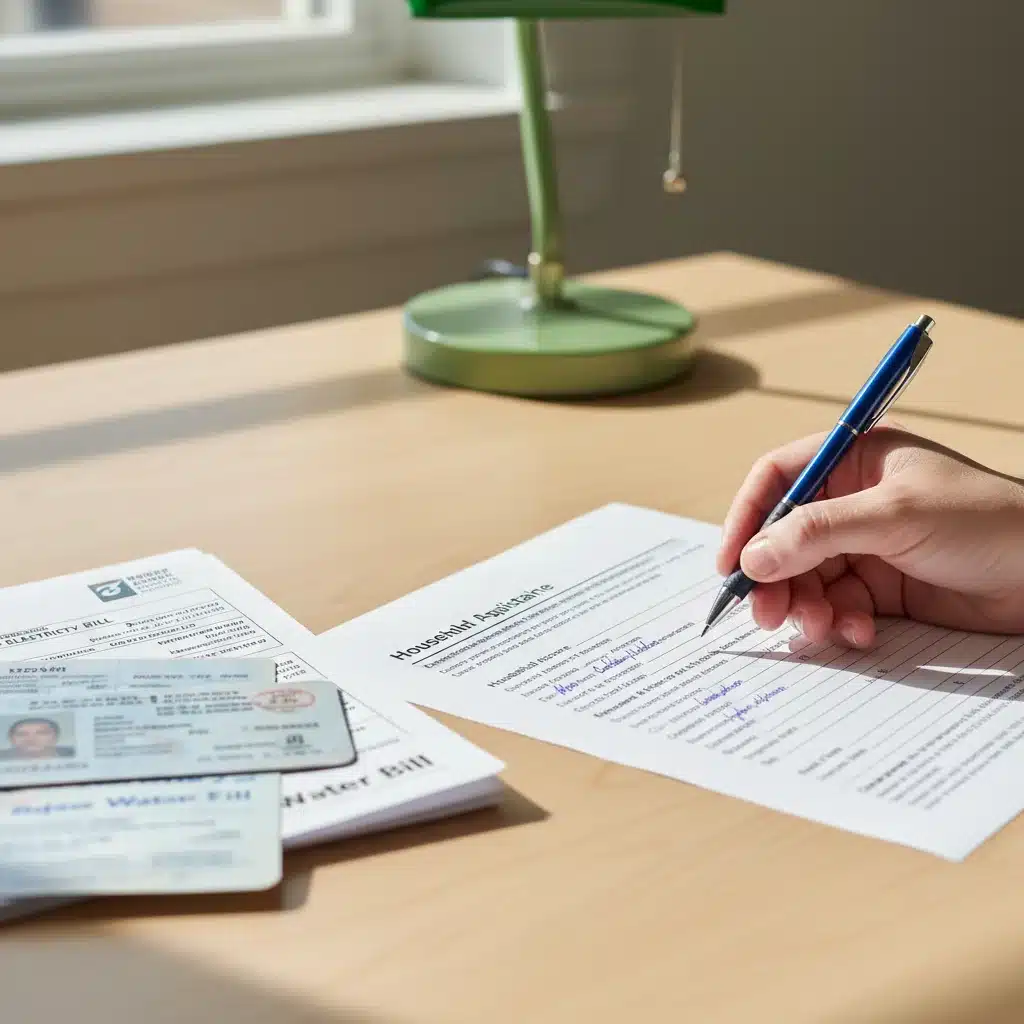
Step 3: Gather Necessary Documentation
This is perhaps the most critical part of the LIHEAP 2026 application. Having all your documents ready before you apply can significantly speed up the process. While requirements may vary, generally you will need:
- Proof of Income: Pay stubs, Social Security benefit letters, unemployment statements, pension statements, or tax returns for all household members.
- Proof of Identity: Driver’s license, state ID, birth certificate, or passport for all adult household members.
- Proof of Residency: Lease agreement, mortgage statement, or other official mail showing your current address.
- Utility Bills: Copies of your most recent heating and cooling bills (electricity, gas, oil, etc.). If you receive a shut-off notice, have that ready.
- Household Members: Names, dates of birth, and Social Security numbers for everyone living in your home.
- Proof of Other Benefits: If applicable, documentation of SNAP, SSI, TANF, or other public assistance.
Step 4: Complete the Application
Most agencies offer multiple ways to apply:
- Online: Many states now have online portals for the LIHEAP 2026 application.
- In Person: Visiting your local office allows you to get assistance from staff and clarify any questions.
- Mail: Some agencies still accept mailed applications.
Fill out the application completely and accurately. Incomplete applications are a common reason for delays or denials. Be honest and provide all requested information.
Step 5: Follow Up
After submitting your application, it’s wise to follow up with your local agency after a reasonable period (e.g., 2-4 weeks) to check on its status. Keep a record of your application date, any confirmation numbers, and the names of people you speak with. Patience is key, as processing times can vary, especially during peak seasons.
Maximizing Your LIHEAP 2026 Benefits: Tips and Strategies
While LIHEAP provides essential assistance, the funds are often limited, and demand is high. Here are some strategies to help you maximize your LIHEAP 2026 benefits and ensure you receive the most support possible:
1. Apply Early
Funds for LIHEAP are often distributed on a first-come, first-served basis. As soon as the application period for LIHEAP 2026 opens in your area, submit your application. Waiting until you are in crisis mode might mean funds have been depleted.
2. Be Thorough and Accurate
Any errors or missing information on your LIHEAP 2026 application can lead to delays or denials. Double-check all forms and ensure all required documents are attached. If you’re unsure about a question, ask for clarification from your local LIHEAP office.
3. Understand All Available Components
LIHEAP often has different components: heating, cooling, crisis, and sometimes weatherization. Understand which ones you might be eligible for and apply for all relevant assistance. For example, if you receive heating assistance in winter, remember to apply for cooling assistance when summer arrives if your state offers it.
4. Explore Crisis Assistance
If you receive a utility shut-off notice or your heating/cooling system breaks down, immediately inquire about crisis assistance. These funds are usually disbursed more quickly and can prevent immediate emergencies. Don’t wait until the last minute.
5. Combine with Other Energy Efficiency Programs
LIHEAP can often be combined with other state or utility-sponsored energy efficiency programs. Many utility companies offer their own assistance programs or weatherization services for low-income customers. Inquire about these when you apply for LIHEAP. Weatherization can significantly reduce your energy consumption, making your LIHEAP benefits go further in the long run.
6. Advocate for Yourself
If your application is denied, understand the reason and explore the appeals process. Sometimes, a simple oversight can be corrected. Don’t be afraid to ask for help or clarification from advocates or community organizations.
7. Keep Your Information Updated
If there are significant changes in your household income or size after you apply, inform your local LIHEAP office. This ensures your eligibility is accurately assessed and your benefits are appropriate.
Beyond LIHEAP: Additional Resources for Energy Bill Support
While LIHEAP is a cornerstone of energy assistance, it’s not the only resource available. Many states, local governments, and utility companies offer supplementary programs that can further reduce your energy burden. Exploring these options can provide a more comprehensive safety net.
1. State and Local Energy Assistance Programs
Many states and municipalities have their own energy assistance programs, often funded independently or designed to complement LIHEAP. These might have different eligibility criteria or offer different types of aid:
- Emergency Rental Assistance Programs: Some programs might cover utility arrears as part of rental assistance.
- Specific Utility Bill Discount Programs: Some states or cities offer discounts on utility bills for low-income residents, regardless of LIHEAP eligibility.
2. Utility Company Assistance Programs
Most major utility providers (electric, gas, water) have their own assistance programs for customers experiencing financial hardship. These can include:
- Arrearage Management Programs (AMPs): Help customers pay off past-due balances over time.
- Payment Arrangements: Allow customers to pay their bills in installments.
- Discounted Rates: Special lower rates for qualifying low-income customers.
- Energy Audit and Weatherization Programs: Free or low-cost services to improve home energy efficiency.
Contact your specific utility providers directly to inquire about their customer assistance programs. They often have dedicated departments to help you understand your options.
3. Non-Profit and Community Organizations
Numerous non-profit organizations and community action agencies work to support families in need. They may offer:
- Direct Financial Assistance: Funds to help with utility bills, often through grants.
- Referral Services: Guidance to other local resources.
- Energy Education: Workshops and materials on how to reduce energy consumption.
Websites like 211.org or local United Way chapters can help you find these resources in your community.
4. Energy Efficiency Measures
Reducing your energy consumption is one of the most effective ways to manage costs. Even small changes can make a big difference:
- Seal Drafts: Use weatherstripping and caulk around windows and doors.
- Adjust Thermostat: Lower your thermostat in winter and raise it in summer when you’re away or asleep.
- Unplug Electronics: "Phantom load" from unplugged electronics can add up.
- Use Energy-Efficient Lighting: Switch to LED bulbs.
- Maintain HVAC: Regularly change air filters and get your system serviced.
Many of these measures are low-cost or free and can complement the financial relief provided by the LIHEAP 2026 application.
Understanding the Impact of LIHEAP: More Than Just a Bill Payment
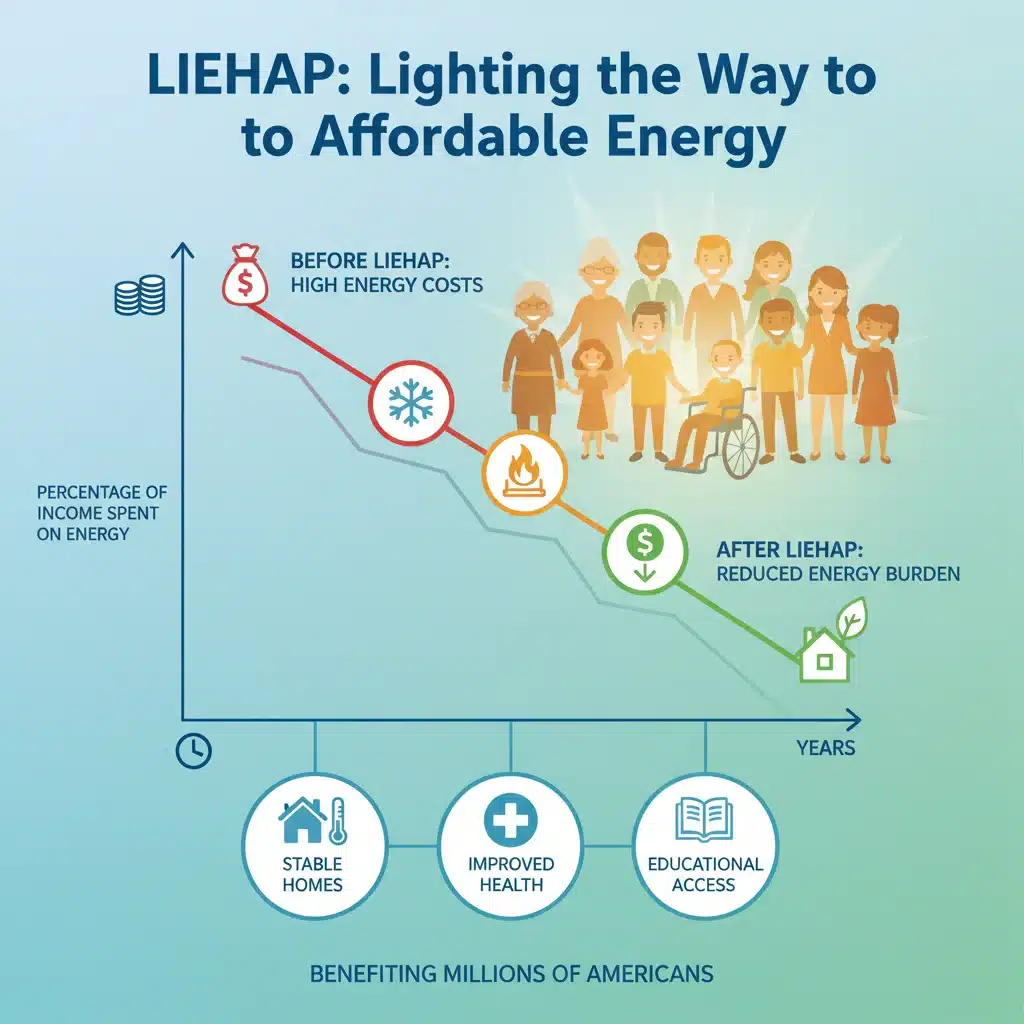
The Low Income Home Energy Assistance Program (LIHEAP) goes far beyond simply paying a portion of a utility bill. Its impact resonates deeply within communities, fostering stability, improving public health, and contributing to overall economic well-being. Recognizing this broader influence underscores the importance of programs like LIHEAP 2026.
Preventing Energy Crises and Health Risks
For many vulnerable households, particularly the elderly, young children, and individuals with chronic health conditions, extreme temperatures can be life-threatening. LIHEAP prevents utility shut-offs, ensuring that homes remain heated in freezing winters and cooled in scorching summers. This directly reduces instances of hypothermia, heatstroke, and exacerbation of respiratory illnesses, thereby alleviating pressure on emergency services and healthcare systems.
Promoting Stability and Reducing Stress
The constant worry of unaffordable energy bills creates significant stress and anxiety. By providing financial relief, LIHEAP allows families to reallocate limited resources to other essential needs like food, medicine, and housing. This stability is crucial for children’s educational performance and adults’ ability to maintain employment, contributing to a more secure and predictable home environment.
Supporting Energy Efficiency and Sustainability
While primarily focused on direct bill payment, many LIHEAP programs also offer or refer to weatherization services. These services help households make their homes more energy-efficient, reducing long-term energy consumption and utility costs. This not only benefits the individual household but also contributes to broader energy conservation goals and reduces the carbon footprint, aligning with environmental sustainability efforts.
Community Economic Benefits
LIHEAP funds often flow directly to local utility companies and fuel vendors, providing a steady revenue stream that supports local businesses and jobs. By preventing widespread shut-offs, the program also reduces the burden on utility companies, who would otherwise incur costs associated with disconnections and reconnections. Furthermore, by stabilizing household finances, LIHEAP indirectly stimulates local economies as families have more disposable income for other goods and services.
Empowering Self-Sufficiency
By preventing energy crises, LIHEAP gives families the breathing room they need to work towards greater self-sufficiency. It acts as a temporary bridge during periods of hardship, allowing individuals to focus on job training, education, or addressing other underlying issues without the immediate threat of losing essential utilities. The program doesn’t just offer a handout; it provides a hand up.
The continued availability and effective administration of programs like LIHEAP 2026 are vital for the well-being of millions of Americans. It serves as a testament to the power of targeted assistance in addressing fundamental needs and building resilient communities. Make sure to explore all avenues of support, starting with a comprehensive understanding of the LIHEAP 2026 application process.
Common Questions About LIHEAP 2026
Navigating government assistance programs can raise many questions. Here are answers to some frequently asked questions about LIHEAP, specifically focusing on what you might expect for LIHEAP 2026:
Q1: Can I receive LIHEAP if I rent and my utilities are included in my rent?
A: It depends on your state or local program. Some LIHEAP programs may offer assistance to renters whose energy costs are included in their rent, especially if the landlord can demonstrate that energy costs are directly passed on to the tenant. You will need to provide documentation of your rental agreement and potentially a statement from your landlord. Always check with your local LIHEAP office for specific guidelines.
Q2: How much money can I expect to receive from LIHEAP 2026?
A: The benefit amount varies significantly based on several factors, including your household income, household size, energy costs in your area, and the specific policies of your state or local agency. While this article highlights the potential for up to $1,000, some households may receive less, and in some cases, crisis assistance could be higher. The average benefit typically ranges from a few hundred dollars to around $1,000 per year, but it is not guaranteed. Your local agency will calculate your specific benefit based on their guidelines and available funds for LIHEAP 2026.
Q3: What if my application for LIHEAP 2026 is denied?
A: If your application is denied, you have the right to know the reason for the denial and to appeal the decision. The denial letter should provide information on how to file an appeal. Common reasons for denial include incomplete applications, exceeding income limits, or not providing sufficient documentation. Review your application carefully, gather any missing information, and follow the appeals process outlined by your local agency.
Q4: Does LIHEAP cover all types of energy bills?
A: LIHEAP primarily covers heating and cooling costs, which typically include electricity, natural gas, propane, oil, wood, and coal, depending on your primary heating/cooling source. Some programs might also cover energy-related repairs, but this is less common for direct assistance. Water and sewer bills are generally not covered by LIHEAP, but there might be separate local programs for water assistance.
Q5: Can I apply for LIHEAP more than once a year?
A: In many states, you can apply for different components of LIHEAP at different times of the year (e.g., heating assistance in winter and cooling assistance in summer). Additionally, if you experience an energy crisis (like a shut-off notice), you may be able to apply for crisis assistance even if you’ve already received regular heating or cooling benefits. Check with your local LIHEAP office for the specific rules regarding multiple applications in your area for LIHEAP 2026.
Q6: How long does it take to receive LIHEAP benefits after approval?
A: Processing times vary widely. During peak application periods (e.g., beginning of winter or summer), it can take several weeks or even a month or two for applications to be processed and funds to be disbursed. Crisis assistance applications are typically processed much faster due to the urgent nature of the situation. It’s always best to apply as early as possible and follow up if you haven’t heard back within the timeframe provided by your local agency.
Conclusion: Securing Your Energy Future with LIHEAP 2026
The prospect of managing heating and cooling costs can be overwhelming, but programs like LIHEAP 2026 stand as a critical resource for millions of households across the United States. With the potential to receive up to $1,000 in assistance, understanding and navigating the LIHEAP 2026 application process is more important than ever.
By diligently researching eligibility requirements, gathering all necessary documentation, and applying promptly through your local agency, you can significantly increase your chances of securing these vital funds. Remember to explore all components of LIHEAP, including crisis assistance, and to investigate supplementary programs offered by your state, local government, and utility providers. Combining these resources with practical energy efficiency measures can create a robust strategy for managing your home energy costs effectively.
Don’t let the fear of high utility bills compromise your comfort and safety. Take proactive steps today to learn more about LIHEAP 2026 and empower your household with the support it needs to stay warm in winter and cool in summer. Your peace of mind, health, and financial stability are worth the effort.