Biden’s $500 Billion Infrastructure Plan: Economic Impact by Q3 2026
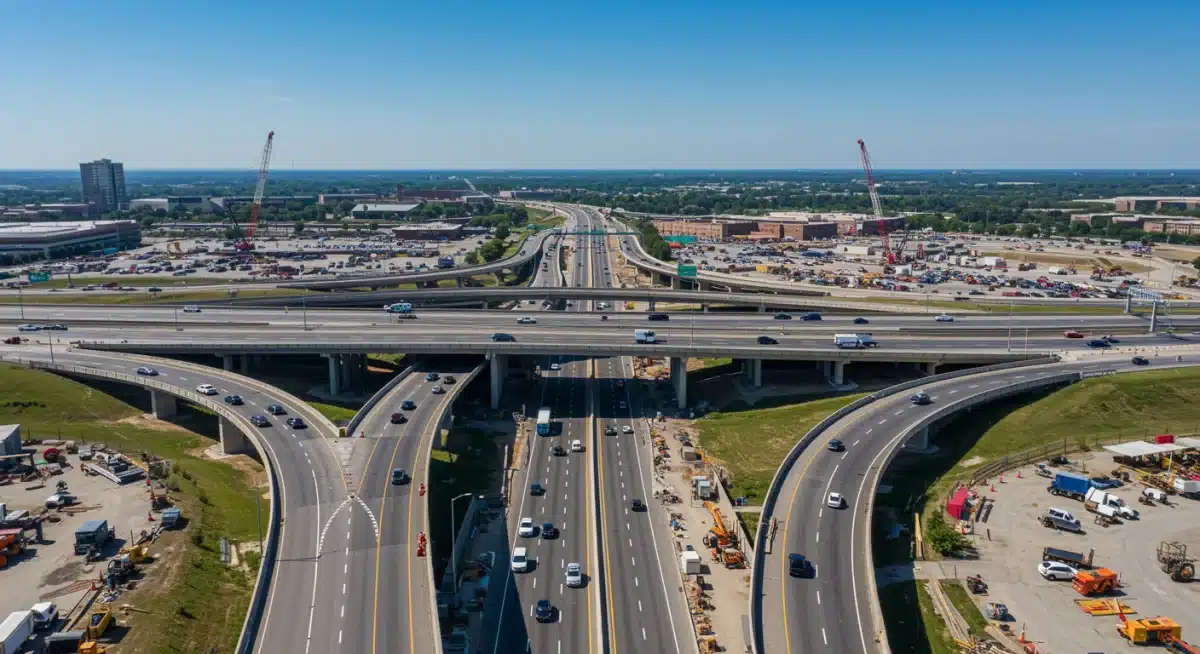
The Biden administration’s $500 billion infrastructure plan is set to significantly boost the US economy, creating jobs and driving growth, with substantial impacts expected to be evident by Q3 2026.
The announcement of the Biden Administration Unveils $500 Billion Infrastructure Plan: Economic Impact Expected by Q3 2026 marks a pivotal moment for the American economy. This ambitious investment aims to revitalize critical sectors, create millions of jobs, and lay the groundwork for sustained economic growth. What exactly does this mean for the average American, and how will these changes unfold by the third quarter of 2026?
Understanding the Biden Infrastructure Investment
The Biden administration’s infrastructure plan represents a monumental commitment to modernizing America’s foundational systems. This isn’t just about fixing old roads; it’s a comprehensive strategy designed to enhance connectivity, improve public services, and bolster national competitiveness. The $500 billion allocation targets a wide array of projects, from upgrading transportation networks to expanding broadband access across rural and urban areas.
This significant financial injection is expected to act as a powerful economic stimulant. By channeling funds into tangible projects, the government aims to generate immediate demand for labor and materials, thereby kickstarting economic activity. The focus extends beyond immediate job creation to fostering long-term economic resilience and efficiency.
Key Pillars of the Plan
- Transportation Networks: Billions are earmarked for repairing and building roads, bridges, public transit, and airports, crucial for efficient movement of goods and people.
- Clean Energy and Utilities: Investments in renewable energy infrastructure, upgrading the electric grid, and improving water systems are central to the plan’s environmental and public health goals.
- Broadband Internet: A significant push to ensure high-speed internet access for all Americans, bridging the digital divide and fostering economic opportunity in underserved communities.
- Resilience and Climate Change: Funding for projects that strengthen infrastructure against extreme weather events and support climate change mitigation efforts.
The plan’s multifaceted approach ensures that various sectors of the economy will experience direct and indirect benefits. From construction companies and material suppliers to technology firms and local businesses, the ripple effect of this investment is projected to be widespread. The administration’s vision is to create a more robust, equitable, and sustainable infrastructure system for the 21st century.
Projected Economic Growth and Job Creation
One of the most anticipated outcomes of the Biden infrastructure plan is its potential to significantly boost economic growth and create a substantial number of jobs. Economists and policymakers widely agree that infrastructure spending has a high multiplier effect, meaning every dollar invested generates more than a dollar in economic activity. This plan is no exception, with projections pointing towards a robust increase in GDP and broad employment opportunities.
The sheer scale of the $500 billion investment suggests a direct impact on numerous industries. Construction, manufacturing, and engineering sectors are expected to see immediate demand for labor, materials, and services. Beyond these direct effects, the improved infrastructure will enhance productivity across the economy, reducing transportation costs, facilitating trade, and increasing business efficiency.
Employment Opportunities Across Sectors
- Construction and Skilled Trades: A significant surge in demand for plumbers, electricians, ironworkers, heavy equipment operators, and other skilled laborers.
- Manufacturing: Increased production of steel, cement, machinery, and other materials required for infrastructure projects.
- Engineering and Design: Greater need for civil engineers, urban planners, architects, and project managers to design and oversee complex projects.
- Technology: Expansion of broadband infrastructure will create jobs in telecommunications, cybersecurity, and IT support.
The job creation aspect is not limited to the initial construction phases. Improved infrastructure fosters a more competitive business environment, encouraging new businesses to emerge and existing ones to expand. This indirect job creation, often referred to as induced and indirect employment, will further amplify the economic benefits. By Q3 2026, many of these projects will be well underway, with observable impacts on local and national employment figures.
Impact on Local Communities and Regional Development
The Biden administration’s infrastructure plan is designed to have a transformative effect on local communities and regional development across the United States. This investment moves beyond national economic statistics to address specific needs and opportunities at the local level, aiming to foster equitable growth and improve the quality of life for residents in diverse areas.
Many projects under the plan are strategically targeted at underserved areas, rural communities, and regions that have experienced economic decline. By enhancing local infrastructure, such as public transit, water systems, and broadband access, these initiatives seek to unlock new economic potential and reduce disparities. Improved connectivity, for instance, can attract new businesses, facilitate remote work, and expand access to education and healthcare services.
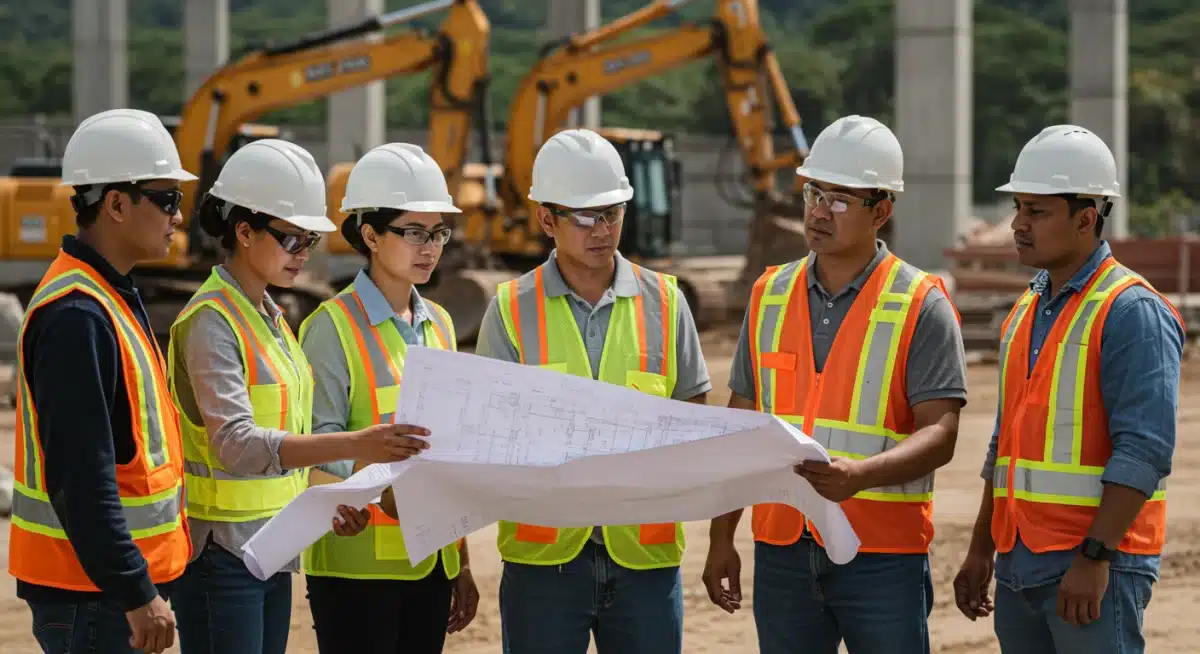
Revitalizing Urban and Rural Areas
In urban centers, investments in public transportation and resilient infrastructure can alleviate congestion, improve air quality, and enhance overall livability. For rural areas, the expansion of broadband internet is a game-changer, enabling farmers to utilize advanced technologies, supporting small businesses, and connecting residents to global opportunities. These improvements can stem rural depopulation and foster local entrepreneurship.
The plan also emphasizes community engagement and local decision-making in project selection and implementation. This approach ensures that investments are tailored to the specific needs and priorities of each community, maximizing their impact and fostering a sense of local ownership. The economic benefits will thus be distributed more broadly, reaching beyond metropolitan hubs to stimulate development in often-overlooked regions.
By Q3 2026, many communities will already be experiencing the tangible results of these investments, from newly paved roads and modern public transport systems to faster internet speeds and cleaner water. These improvements are expected to enhance property values, attract tourism, and create a more attractive environment for both residents and businesses, contributing to long-term regional prosperity.
Inflationary Pressures and Fiscal Considerations
While the Biden infrastructure plan promises significant economic benefits, it also prompts important discussions around potential inflationary pressures and broader fiscal considerations. Injecting $500 billion into the economy can stimulate demand for labor and materials, which, if supply cannot keep pace, could lead to price increases. Understanding these dynamics is crucial for assessing the overall economic impact by Q3 2026.
The timing of such a large-scale investment is particularly relevant. If the economy is already operating near full capacity, the additional demand generated by infrastructure projects could exacerbate inflationary trends. However, proponents argue that infrastructure spending is a supply-side investment, meaning it ultimately increases the economy’s productive capacity, which can help to mitigate long-term inflationary pressures.
Managing Economic Stability
- Supply Chain Resilience: Investments in domestic manufacturing and logistics can help strengthen supply chains, reducing reliance on volatile international markets and easing price pressures.
- Skilled Labor Development: Programs to train and reskill workers for infrastructure jobs can address labor shortages, preventing wage inflation in key sectors.
- Phased Implementation: Spreading the investment over several years can help manage demand and prevent overheating of specific markets.
From a fiscal perspective, the funding mechanisms for this plan are also a key consideration. The administration has proposed various ways to pay for the investments, including corporate tax adjustments and increased enforcement against tax evasion. The long-term economic benefits, such as increased tax revenues from higher economic activity and job growth, are expected to offset some of the initial costs.
By Q3 2026, economists will be closely monitoring inflation rates, interest rates, and the national debt to assess the fiscal health of the nation in the wake of this massive investment. The goal is to maximize the economic uplift while carefully managing any potential negative side effects, ensuring the plan contributes to sustainable and stable growth.
Technological Advancement and Innovation
The Biden administration’s $500 billion infrastructure plan is not merely about repairing existing structures; it is also a significant catalyst for technological advancement and innovation across the nation. Modern infrastructure demands cutting-edge solutions, and this investment is set to accelerate the adoption of new technologies in construction, energy, transportation, and digital connectivity.
Smart infrastructure, for example, is a key focus, incorporating sensors, data analytics, and artificial intelligence to manage traffic flow, monitor structural integrity, and optimize energy consumption. This approach not only makes infrastructure more efficient and resilient but also fosters a new wave of innovation in related technology sectors. Companies developing these solutions will see increased demand, leading to further research and development.
The expansion of high-speed broadband internet is perhaps the most direct technological investment. Universal access to reliable internet is fundamental for participation in the modern digital economy, enabling advancements in telehealth, remote education, and e-commerce. This digital backbone will support emerging technologies like 5G and the Internet of Things (IoT), transforming how communities operate and interact.
Driving Future-Oriented Solutions
- Smart City Technologies: Implementation of intelligent traffic systems, smart grids, and integrated public services.
- Sustainable Materials: Research and development into greener construction materials and methods, reducing environmental impact.
- Autonomous Systems: Investment in infrastructure that supports autonomous vehicles and drone delivery systems, preparing for future transportation needs.
- Cybersecurity for Critical Infrastructure: Enhanced protection for digital infrastructure, safeguarding against cyber threats.
By Q3 2026, the tangible results of these technological advancements will be evident in smarter cities, more efficient transportation systems, and a more robust digital landscape. This forward-looking approach ensures that the infrastructure built today is capable of meeting the challenges and opportunities of tomorrow, positioning the United States as a leader in innovation and technological integration.
Long-Term Economic and Societal Benefits by Q3 2026
The Biden administration’s $500 billion infrastructure plan is designed to deliver not just immediate economic boosts but also profound long-term economic and societal benefits, with significant progress expected to be visible by Q3 2026. These benefits extend beyond simple job creation and GDP growth, touching upon quality of life, environmental sustainability, and national competitiveness.
Improved infrastructure directly translates to enhanced productivity. Efficient transportation reduces commute times and logistical costs for businesses, making the economy more dynamic. Reliable utilities and universal broadband access empower businesses and individuals alike, fostering innovation and creating new economic opportunities that might not have existed before. This foundational strength supports sustained economic expansion for decades.
Societally, the plan aims to create a more equitable and resilient nation. Investments in public transit provide better access to jobs, education, and healthcare for low-income communities. Upgraded water and energy systems improve public health and reduce environmental pollution. These improvements contribute to a higher overall standard of living and foster stronger, more connected communities.
Enduring Positive Outcomes
- Increased Productivity: Modernized infrastructure reduces bottlenecks and improves efficiency across all sectors.
- Enhanced Quality of Life: Better public services, cleaner environments, and greater accessibility for all citizens.
- Global Competitiveness: A robust infrastructure system strengthens the U.S. position in the global economy, attracting investment and talent.
- Environmental Sustainability: Focus on clean energy and resilient infrastructure helps combat climate change and protect natural resources.
By Q3 2026, many of the initial construction phases will have matured into operational infrastructure, allowing for a clearer assessment of the plan’s long-term impacts. The nation will likely see a more interconnected, efficient, and environmentally conscious infrastructure network. This strategic investment is poised to leave a lasting legacy, shaping the economic and social fabric of the United States for generations to come, ensuring a more prosperous and sustainable future.
| Key Aspect | Expected Impact by Q3 2026 |
|---|---|
| Job Creation | Millions of jobs in construction, manufacturing, and related sectors, with a notable increase in skilled trades. |
| Economic Growth | Significant GDP boost through increased demand and enhanced productivity across various industries. |
| Community Development | Improved public services, better connectivity, and economic revitalization in urban and rural areas. |
| Technological Advancement | Acceleration of smart infrastructure, broadband expansion, and sustainable technology adoption. |
Frequently Asked Questions About the Infrastructure Plan
The primary goal is to modernize the nation’s infrastructure, create millions of jobs, boost economic growth, and enhance global competitiveness by investing in transportation, clean energy, broadband, and climate resilience projects.
The funds will be distributed across various sectors, including roads and bridges, public transit, rail, airports, ports, water infrastructure, the electric grid, broadband internet, and projects aimed at climate change resilience.
The plan is expected to create jobs across multiple sectors, including construction, manufacturing, engineering, and technology, with a strong emphasis on skilled trades and union jobs.
While large investments can create inflationary pressures, the administration aims to mitigate this through phased implementation and by increasing the economy’s productive capacity in the long term, strengthening supply chains.
Significant economic impacts, including job growth and increased economic activity, are expected to be clearly observable and widely felt across the United States by the third quarter of 2026.
Conclusion
The Biden administration’s $500 billion infrastructure plan represents a monumental effort to modernize the United States and invigorate its economy. By Q3 2026, the nation is poised to witness considerable progress in job creation, economic growth, technological adoption, and community development. While challenges like managing inflation remain, the strategic focus on long-term benefits and equitable distribution of resources suggests a transformative impact. This investment aims to build a more resilient, efficient, and competitive America, laying a strong foundation for future prosperity and improving the quality of life for all citizens.