Federal Subsidies for Renewable Energy: A 15% Boost for 2026
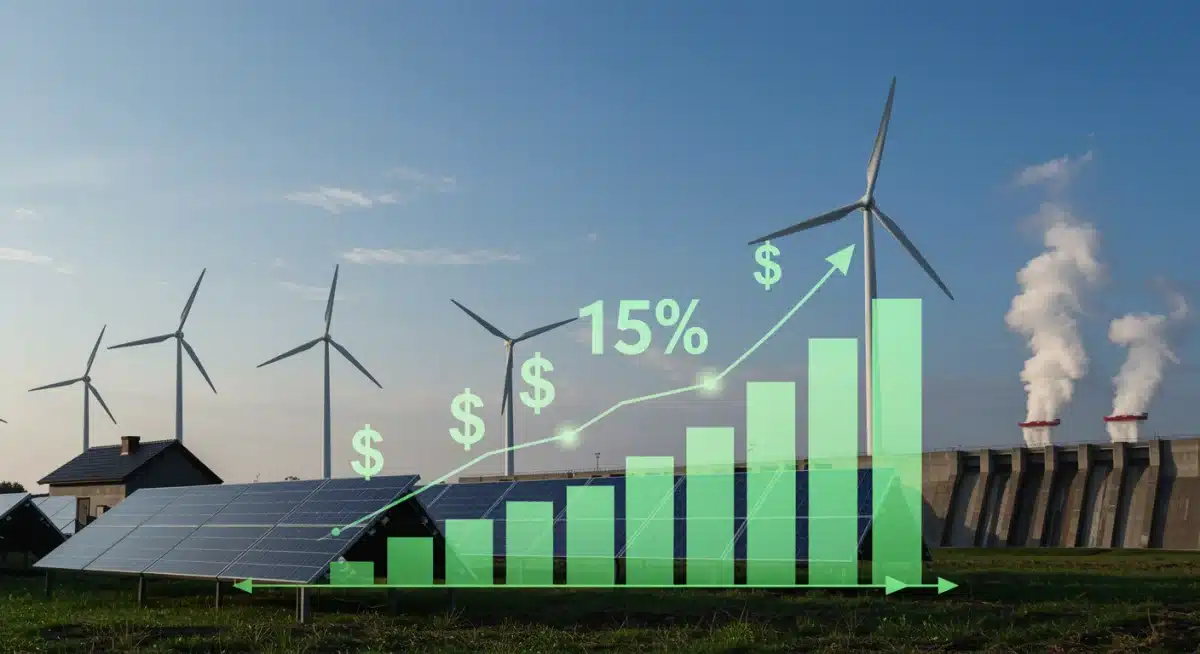
Federal Subsidies for Renewable Energy: A 15% Boost for 2026
The landscape of energy policy is undergoing a transformative shift, with a significant announcement poised to reshape the future of sustainable energy development. For fiscal year 2026, federal subsidies for renewable energy are set to increase by an unprecedented 15%. This substantial boost represents a pivotal moment in the nation’s commitment to combating climate change, fostering economic growth, and securing energy independence. This article will delve into the multifaceted implications of this policy shift, exploring its potential impact on various sectors, the environment, and the broader economy. We will examine the rationale behind this increase, the specific areas likely to benefit most, and the challenges and opportunities that lie ahead for the renewable energy sector.
The decision to elevate federal subsidies for renewable energy is not merely a financial adjustment; it is a strategic declaration of intent. It signals a robust commitment from the government to accelerate the transition away from fossil fuels towards cleaner, more sustainable energy sources. This move is expected to catalyze innovation, create new job opportunities, and position the nation as a leader in the global clean energy economy. The ripple effects of such an investment are far-reaching, touching upon technological advancements, infrastructure development, and consumer behavior. Understanding the nuances of this policy is crucial for businesses, policymakers, and citizens alike as we navigate this exciting new chapter in energy production.
Understanding the ‘Renewable Energy Subsidies’ Increase
The 15% increase in federal subsidies for renewable energy for fiscal year 2026 marks a significant inflection point in the national energy strategy. To truly grasp its importance, it’s essential to understand what these ‘renewable energy subsidies’ entail and why their expansion is so critical. Subsidies, in this context, are financial incentives provided by the government to support the production or consumption of renewable energy. These can take various forms, including tax credits, grants, loan guarantees, and direct payments, all designed to reduce the cost of renewable energy projects and make them more competitive with traditional fossil fuel sources.
Historically, the energy sector has been heavily subsidized, with fossil fuels receiving substantial support for decades. This new increase aims to level the playing field, recognizing the long-term environmental and economic benefits of clean energy. The rationale behind bolstering ‘renewable energy subsidies’ is multi-faceted. Firstly, it addresses the urgent need to mitigate climate change by reducing greenhouse gas emissions. By making renewable energy more financially attractive, the government encourages greater adoption of technologies like solar, wind, geothermal, and hydropower.
Secondly, these subsidies are a powerful engine for economic development. Investments in renewable energy projects stimulate job creation across various sectors, from manufacturing and installation to research and development. They foster innovation, leading to more efficient and cost-effective technologies. This economic stimulus is particularly vital as the nation seeks to build a resilient and forward-looking economy.
Thirdly, enhanced ‘renewable energy subsidies’ contribute to energy security. By diversifying the energy mix and reducing reliance on volatile international fossil fuel markets, the nation becomes less vulnerable to geopolitical shocks and price fluctuations. Domestic renewable energy sources provide a stable and predictable supply, enhancing national security.
Finally, these subsidies play a crucial role in driving down the levelized cost of energy (LCOE) for renewables. As more projects are deployed and technologies mature, economies of scale are achieved, making clean energy increasingly affordable for consumers. This downward pressure on costs benefits everyone, ensuring that sustainable energy is not just an environmental imperative but also an economic advantage.
The 15% increase is not arbitrary; it reflects a calculated effort to achieve specific policy goals related to carbon reduction targets, economic competitiveness, and technological leadership. It signifies a long-term vision for a sustainable energy future, where clean power is not just an alternative but the dominant force in the energy landscape. The details of how these increased ‘renewable energy subsidies’ will be allocated will be crucial, with a focus on maximizing their impact and ensuring equitable distribution across different renewable energy technologies and geographic regions.
Economic Impact and Job Creation from Enhanced Renewable Energy Subsidies
The ripple effect of a 15% increase in federal subsidies for renewable energy extends significantly into the economic sphere, particularly in terms of job creation and overall economic growth. This substantial investment is anticipated to be a powerful catalyst, stimulating various industries and fostering a new wave of prosperity rooted in sustainable practices. The concept of ‘renewable energy subsidies’ as an economic driver is well-documented, and this latest boost is expected to amplify those positive effects.
One of the most immediate and tangible impacts will be the surge in job opportunities. The growth of the renewable energy sector is inherently labor-intensive, encompassing a wide array of roles from engineers and researchers to manufacturing technicians, installers, and maintenance personnel. New projects, fueled by increased subsidies, will necessitate a larger workforce, leading to direct job creation in areas such as solar panel manufacturing, wind turbine construction, geothermal exploration, and hydroelectric dam maintenance. Furthermore, indirect job creation will occur in supporting industries, including logistics, finance, and professional services, as the renewable energy supply chain expands.
Beyond direct employment, the increased ‘renewable energy subsidies’ will spur significant private investment. Government incentives often de-risk projects, making them more attractive to private capital. This influx of private funding will accelerate the deployment of renewable energy technologies, leading to further job growth and economic activity. Small and medium-sized enterprises (SMEs) are particularly well-positioned to benefit, as they often form the backbone of local renewable energy development and installation.

The economic benefits also extend to local communities. Renewable energy projects, particularly those involving utility-scale solar and wind farms, often provide stable tax revenues to rural areas, supporting local schools, infrastructure, and public services. Landowners can also benefit from lease payments for hosting renewable energy infrastructure, providing diversified income streams.
Moreover, the increased ‘renewable energy subsidies’ will foster innovation and technological advancement. Investment in research and development (R&D) will accelerate, leading to more efficient, durable, and cost-effective renewable energy technologies. This not only enhances the competitiveness of the domestic renewable energy industry but also creates high-skilled jobs in scientific and engineering fields. The development of new energy storage solutions, smart grid technologies, and advanced materials will be key areas of growth.
The long-term economic outlook is also promising. By transitioning to a cleaner energy system, the nation reduces its exposure to the volatile global fossil fuel markets, leading to greater energy price stability for businesses and consumers. This predictability can enhance overall economic planning and investment. Furthermore, the health benefits associated with reduced air pollution from fossil fuels can lead to lower healthcare costs and increased productivity, contributing further to economic well-being.
In essence, the 15% increase in ‘renewable energy subsidies’ is not just an environmental policy; it is a meticulously crafted economic strategy designed to build a robust, resilient, and future-proof economy. It represents an investment in human capital, technological prowess, and sustainable infrastructure, positioning the nation for leadership in the global green economy of the 21st century.
Environmental Benefits and Climate Change Mitigation through Renewable Energy Subsidies
The direct and most impactful consequence of increased federal subsidies for renewable energy is the profound environmental benefit, particularly in the realm of climate change mitigation. The 15% boost for fiscal year 2026 underscores a serious commitment to addressing global warming and transitioning to a cleaner planet. These ‘renewable energy subsidies’ are a critical tool in reducing greenhouse gas emissions and fostering a more sustainable ecosystem.
The primary environmental advantage of renewable energy sources like solar, wind, and hydropower is their minimal to zero greenhouse gas emissions during operation. Unlike fossil fuels, which release carbon dioxide, methane, and other pollutants into the atmosphere when burned, renewables generate electricity without contributing to global warming. By incentivizing the adoption and expansion of these clean technologies, the government directly supports a reduction in the carbon footprint of the national energy grid.
This reduction in emissions is crucial for meeting national and international climate targets. The increased ‘renewable energy subsidies’ will accelerate the displacement of coal and natural gas power plants, leading to a significant decrease in atmospheric carbon. This, in turn, helps to slow down global temperature rise, mitigate extreme weather events, and protect vulnerable ecosystems from the adverse effects of climate change.
Beyond greenhouse gases, renewable energy also offers significant benefits in terms of air and water quality. Traditional power generation often releases harmful particulate matter, sulfur dioxide, and nitrogen oxides, which contribute to smog, acid rain, and respiratory illnesses. By shifting towards renewables, the nation can achieve cleaner air, leading to improved public health outcomes and reduced healthcare costs.
Water resources also benefit. Many fossil fuel power plants require vast amounts of water for cooling, often leading to thermal pollution and habitat disruption. Renewable energy technologies, especially solar PV and wind power, generally have a much smaller water footprint, conserving this vital resource. Hydropower, while impacting local aquatic ecosystems, does not consume water in the same way as thermal power plants.
The enhanced ‘renewable energy subsidies’ will also drive land restoration and biodiversity protection. While renewable energy infrastructure requires land, careful planning and technological advancements can minimize its impact. Furthermore, by reducing the demand for fossil fuel extraction, these subsidies indirectly protect natural habitats from the destructive processes of mining and drilling, preserving biodiversity and delicate ecosystems.
The long-term environmental vision supported by these ‘renewable energy subsidies’ is one of a circular economy, where energy generation is integrated harmoniously with natural systems. It encourages responsible resource management, reduces waste, and promotes the development of technologies that are not only clean but also sustainable throughout their lifecycle, including manufacturing, operation, and eventual decommissioning or recycling.
In essence, the 15% increase in ‘renewable energy subsidies’ is a powerful investment in the health of our planet and future generations. It is a strategic move to decouple economic growth from environmental degradation, proving that prosperity and ecological stewardship can go hand-in-hand. This policy shift is a cornerstone of a sustainable future, offering a pathway to a cleaner, healthier, and more resilient environment for all.
Challenges and Opportunities in the Renewable Energy Sector with Increased Subsidies
While the 15% increase in federal subsidies for renewable energy presents an overwhelmingly positive outlook, it also brings forth a unique set of challenges and opportunities that the sector must navigate. Understanding these dynamics is crucial for maximizing the effectiveness of these ‘renewable energy subsidies’ and ensuring a smooth transition to a clean energy future.
Opportunities:
- Accelerated Deployment: The most immediate opportunity is the acceleration of renewable energy project deployment. With enhanced financial incentives, more projects become viable, leading to faster installation of solar, wind, and other renewable facilities.
- Technological Innovation: Increased ‘renewable energy subsidies’ will spur further investment in research and development. This will drive innovation in areas such as energy storage solutions (batteries, hydrogen), grid modernization, advanced materials, and more efficient conversion technologies, making renewables even more competitive and reliable.
- Market Expansion: The subsidies can help open new markets for renewable energy, including difficult-to-decarbonize sectors like heavy industry and transportation, through the development of green hydrogen or advanced biofuels.
- Supply Chain Development: A surge in demand, fueled by subsidies, will necessitate robust domestic supply chains for renewable energy components. This presents an opportunity to onshore manufacturing, create more jobs, and reduce reliance on foreign suppliers.
- Grid Modernization: The integration of more intermittent renewable sources requires a smarter, more resilient grid. Increased funding can support investments in smart grid technologies, demand-side management, and advanced transmission infrastructure.
Challenges:
- Grid Integration: While opportunities exist for grid modernization, integrating a significantly higher percentage of intermittent renewable energy sources (like solar and wind) into the existing grid infrastructure remains a complex technical challenge. Ensuring grid stability and reliability will be paramount.
- Permitting and Siting: The rapid expansion of renewable energy projects can face hurdles related to permitting processes, land-use conflicts, and community acceptance. Streamlining these processes while ensuring environmental protection and local engagement will be critical.
- Workforce Development: While job creation is a major benefit, ensuring a sufficiently skilled workforce to meet the demand for installation, manufacturing, and maintenance of renewable energy technologies will be a challenge. Investment in education and training programs is essential.
- Raw Material Supply: The manufacture of renewable energy technologies, particularly batteries and solar panels, relies on certain critical raw materials. Securing a stable and ethical supply of these materials, and developing recycling infrastructure, will be increasingly important.
- Policy Consistency: The long-term success of ‘renewable energy subsidies’ depends on policy stability and predictability. Frequent changes in policy can create uncertainty for investors and hinder long-term planning.
Addressing these challenges effectively will require collaborative efforts between government agencies, private industry, academic institutions, and local communities. The increased ‘renewable energy subsidies’ provide the financial impetus, but strategic planning, innovation, and adaptive governance will be necessary to fully capitalize on this historic opportunity and build a truly sustainable energy future.
Global Implications and International Competitiveness through Renewable Energy Subsidies
The decision to increase federal subsidies for renewable energy by 15% for fiscal year 2026 carries significant global implications, positioning the nation more competitively on the international stage. This strategic move, centered around bolstering ‘renewable energy subsidies’, is not just about domestic energy policy; it’s about asserting leadership in the global clean energy transition and fostering international cooperation.
Firstly, by significantly investing in its own renewable energy sector, the nation signals its commitment to climate action, potentially inspiring other countries to follow suit. This can contribute to a virtuous cycle of increased global investment in clean energy, accelerating the worldwide effort to reduce greenhouse gas emissions and meet the goals of international climate agreements like the Paris Agreement. The enhanced ‘renewable energy subsidies’ demonstrate a tangible commitment that can lend credibility to international climate diplomacy.
Secondly, this increase in ‘renewable energy subsidies’ will enhance the nation’s competitiveness in the rapidly evolving global clean energy market. As countries worldwide race to develop and deploy renewable energy technologies, those with robust domestic industries and strong government support will gain a significant advantage. By fostering innovation and economies of scale at home, the nation can become a leading exporter of renewable energy technologies, expertise, and services.
This improved competitiveness can lead to new trade opportunities, strengthening economic ties with allies and partners. It allows for the development of cutting-edge technologies that can then be deployed globally, helping other nations achieve their own sustainability goals while creating economic benefits domestically. The focus on domestic supply chains, spurred by these ‘renewable energy subsidies’, can also reduce reliance on foreign components, enhancing economic security and resilience.

Moreover, the investment in renewable energy can serve as a form of ‘soft power’, demonstrating a commitment to environmental stewardship and technological progress. This can enhance the nation’s global reputation and diplomatic influence, particularly in discussions around climate change, sustainable development, and green technology transfer to developing nations.
However, it is also important to acknowledge potential international challenges. Other nations may view these ‘renewable energy subsidies’ as a form of industrial policy that could create trade imbalances or unfair competition. Navigating these concerns through international dialogue and adherence to trade agreements will be crucial. The goal is to promote global clean energy growth, not to create protectionist barriers.
Ultimately, the 15% increase in ‘renewable energy subsidies’ is a strategic move with far-reaching global implications. It positions the nation as a leader in the global clean energy transition, strengthens its economic competitiveness, and reinforces its commitment to addressing one of humanity’s most pressing challenges. By investing in renewable energy at home, the nation contributes to a more sustainable and prosperous world for everyone.
The Future Outlook: Sustaining Momentum and Long-Term Vision for Renewable Energy Subsidies
The 15% increase in federal subsidies for renewable energy for fiscal year 2026 is a monumental step, but the long-term success of this policy hinges on sustaining momentum and maintaining a clear, consistent vision for the future. These ‘renewable energy subsidies’ are not a one-time fix but rather a foundational element in a broader, multi-decade strategy to achieve energy independence and climate resilience.
One of the critical aspects of sustaining momentum will be ensuring the stability and predictability of these ‘renewable energy subsidies’. Investors and developers in the renewable energy sector require certainty to make long-term financial commitments. A consistent policy framework, even if subject to periodic review and adjustment, is far more effective than intermittent or unpredictable subsidy programs. This stability fosters confidence, encourages greater private investment, and allows for more efficient planning and execution of large-scale projects.
Furthermore, the long-term vision must extend beyond merely increasing the deployment of current renewable technologies. It must encompass continuous investment in research and development (R&D) to unlock the next generation of clean energy solutions. This includes advanced energy storage, carbon capture technologies for hard-to-abate sectors, next-generation nuclear, and innovative grid management systems. The ‘renewable energy subsidies’ should be strategically allocated to foster groundbreaking research that can further drive down costs and expand the applicability of clean energy.
Another key element is the development of a robust and resilient domestic supply chain. Relying heavily on foreign sources for critical components can introduce vulnerabilities. The ongoing support from ‘renewable energy subsidies’ should be leveraged to incentivize domestic manufacturing and processing of materials, creating self-sufficiency and ensuring economic security. This also presents an opportunity to establish high-quality, sustainable manufacturing jobs within the country.
The long-term vision also requires a focus on equitable transition. As the energy landscape shifts, it’s crucial to ensure that communities historically reliant on fossil fuel industries are not left behind. ‘Renewable energy subsidies’ can be directed towards retraining programs, economic diversification initiatives, and community development projects in these areas, ensuring a just and inclusive transition to a clean energy economy.
Finally, public engagement and education are vital for sustaining long-term support for ‘renewable energy subsidies’. As the benefits of clean energy become more tangible – cleaner air, lower energy bills, and new job opportunities – public understanding and advocacy will grow. Communicating the positive impacts of these policies effectively can help build a broad consensus for continued investment in renewable energy.
The 15% increase is a powerful statement of intent. Now, the challenge lies in translating this initial surge into sustained progress, guided by a clear, adaptable, and forward-thinking vision. By doing so, the nation can solidify its position as a global leader in clean energy, ensuring a prosperous and sustainable future for generations to come, underpinned by effective and consistent ‘renewable energy subsidies’.
Conclusion: A New Era for Renewable Energy Subsidies and a Sustainable Future
The announcement of a 15% increase in federal subsidies for renewable energy for fiscal year 2026 marks a watershed moment in the nation’s journey towards a sustainable and energy-independent future. This significant policy shift is far more than a budgetary adjustment; it is a profound declaration of commitment to cleaner energy, economic prosperity, and environmental stewardship. The strategic investment in ‘renewable energy subsidies’ is poised to redefine our energy landscape, accelerate climate action, and cultivate a new era of innovation and growth.
As we have explored, the implications of this increase are vast and multifaceted. Economically, it promises a surge in job creation, stimulating various sectors from manufacturing to research and development, and attracting substantial private investment. Environmentally, it signifies a crucial step towards mitigating climate change by drastically reducing greenhouse gas emissions, improving air and water quality, and protecting biodiversity. Socially, it holds the potential for a more equitable energy transition, benefiting communities and fostering energy independence.
While opportunities for accelerated deployment, technological innovation, and market expansion abound, challenges related to grid integration, permitting, and workforce development remain. Addressing these hurdles will require collaborative efforts, strategic planning, and adaptive governance to ensure the full potential of these ‘renewable energy subsidies’ is realized. The global implications are equally significant, positioning the nation as a leader in the international clean energy transition and fostering greater competitiveness in the global green economy.
Looking ahead, the long-term success of this initiative will depend on maintaining policy consistency, investing continuously in R&D, building resilient domestic supply chains, and ensuring an equitable transition for all communities. The 15% boost for ‘renewable energy subsidies’ is a powerful catalyst, but it is the sustained vision and unwavering commitment that will ultimately pave the way for a truly sustainable and prosperous future.
This policy shift is an invitation to embrace innovation, to invest in a cleaner economy, and to secure a healthier planet for generations to come. It is a testament to the idea that economic growth and environmental responsibility are not mutually exclusive but are, in fact, deeply intertwined. The enhanced ‘renewable energy subsidies’ are not just funding; they are an investment in our collective future.