Veterans’ Benefits Update: Access 5 Key Programs with Expanded Eligibility in 2026
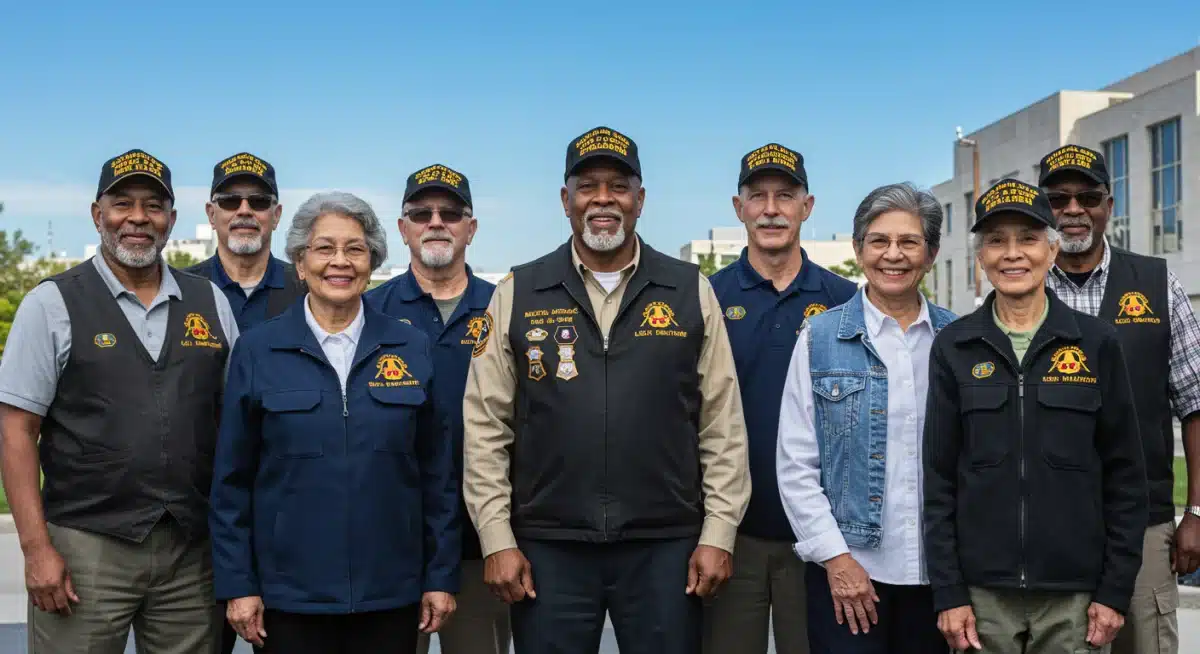
The 2026 updates significantly broaden eligibility for five critical veterans’ benefit programs, offering enhanced support in healthcare, education, housing, and financial assistance to a wider range of U.S. service members.
For those who have bravely served our nation, understanding the evolving landscape of support programs is paramount. The year 2026 marks a significant milestone with a crucial Veterans’ Benefits Update: Access 5 Key Programs with Expanded Eligibility in 2026, promising to broaden the scope of assistance available to our esteemed service members.
Understanding the 2026 Veterans’ Benefits Landscape
The year 2026 brings forth a pivotal moment for veterans across the United States. New legislative changes and policy adjustments are set to redefine who qualifies for essential support, ensuring that more of our heroes receive the care and opportunities they deserve. These updates reflect a national commitment to honoring military service through tangible assistance.
These changes are not merely administrative tweaks; they represent a fundamental re-evaluation of how veterans’ benefits are structured and delivered. The goal is to remove barriers, streamline processes, and extend a hand to those who may have previously fallen through the cracks due to outdated eligibility criteria or bureaucratic hurdles. This expanded access is designed to address pressing needs, from healthcare to housing, and to empower veterans in their post-service lives.
Key Legislative Drivers
- The Veterans’ Access and Opportunity Act of 2025: This foundational legislation is the primary force behind many of the upcoming changes, focusing on comprehensive reform.
- The Military Family Support Initiative: While broader, this initiative includes provisions that directly impact eligibility for veterans, particularly those with dependents.
- Healthcare Improvement Amendments: Specific acts targeting VA healthcare aim to include more conditions and service periods under covered benefits.
The overarching aim of these legislative efforts is to create a more inclusive and responsive benefits system. By updating the criteria, the government seeks to acknowledge the diverse experiences of veterans, including those from different eras of service, various conflict zones, and differing discharge statuses, provided they meet the new, more flexible requirements. This forward-looking approach ensures that the benefits system remains relevant and effective for future generations of veterans as well.
Ultimately, understanding these changes is the first step toward leveraging them. Veterans and their families are encouraged to stay informed and seek guidance to navigate the new landscape, ensuring they can access all available resources. The expanded eligibility is a testament to ongoing efforts to provide robust support for those who have sacrificed so much.
Expanded Healthcare Access: VA Health Care System
One of the most impactful changes in the 2026 update concerns expanded access to the Department of Veterans Affairs (VA) Health Care System. This update aims to include a broader category of veterans who previously faced limitations in accessing comprehensive medical services. The modifications are designed to ensure that health is a priority, irrespective of specific service dates or immediate disability ratings.
Historically, strict service requirements or income thresholds often excluded many veterans from full VA healthcare benefits. The 2026 changes introduce a more flexible approach, recognizing that health needs can arise long after service and that not all service-related conditions manifest immediately. This expansion is critical for preventative care, mental health services, and long-term well-being.
New Eligibility Criteria
- Reduced Minimum Service Period: For certain enrollment priorities, the minimum active duty service period has been shortened, bringing in veterans with shorter, yet impactful, service records.
- Expanded Combat Zone Presumptions: More combat zones and periods of exposure are now presumed to contribute to certain health conditions, simplifying the claims process for related illnesses.
- Income Threshold Adjustments: Higher income thresholds will allow more veterans to qualify for cost-free or low-cost care, reflecting current economic realities.
These adjustments mean that veterans who might have been denied care in the past due to technicalities may now find themselves eligible. The focus is on providing timely and appropriate medical interventions, from routine check-ups to specialized treatments, without undue financial burden. Mental health services, in particular, are seeing a significant boost in accessibility, recognizing the critical importance of addressing invisible wounds.
Veterans are urged to re-evaluate their eligibility even if they were previously denied. The VA is implementing new outreach programs to inform potentially eligible individuals about these changes, making it easier for them to enroll and receive the healthcare they need. This commitment to expanded healthcare access is a cornerstone of the 2026 benefits update, aiming to foster healthier veteran communities.
Enhanced Education Benefits: GI Bill and Vocational Rehabilitation
The 2026 updates also bring significant enhancements to education benefits, primarily impacting the Post-9/11 GI Bill and Vocational Rehabilitation and Employment (VR&E) programs. These changes are designed to support veterans in achieving their academic and career goals, recognizing that education is a powerful tool for successful reintegration into civilian life and economic advancement.
The core objective of these enhancements is to make higher education and vocational training more attainable and flexible for a wider array of veterans. This includes addressing the evolving demands of the job market and providing support for non-traditional educational paths, ensuring that veterans can acquire skills relevant to today’s economy.
Key Program Expansions
Post-9/11 GI Bill Modifications
The Post-9/11 GI Bill sees several adjustments aimed at increasing its utility and reach. These include:
- Expanded Program Coverage: More types of educational programs, including coding bootcamps, specialized certifications, and online-only degrees from accredited institutions, are now covered.
- Increased Monthly Housing Allowance (MHA) Flexibility: MHA rates will be adjusted more frequently to better reflect local housing costs, particularly in high-cost-of-living areas, alleviating financial strain for student veterans.
- Extended Eligibility Window: For some veterans, the 15-year delimiting date for using benefits has been extended or, in certain cases, removed entirely, offering greater flexibility for when to pursue education.
Vocational Rehabilitation and Employment (VR&E) Program Enhancements
The VR&E program, often known as Chapter 31, receives substantial updates to better serve veterans with service-connected disabilities. These improvements focus on personalized support:
- Broader Scope of Services: The program now includes more comprehensive career counseling, job placement services, and support for starting small businesses.
- Increased Stipend Rates: Monthly stipends for veterans participating in training or education through VR&E have been increased to better support living expenses during their rehabilitation period.
- Streamlined Application Process: Efforts are underway to simplify the application and assessment process, reducing wait times and making it easier for eligible veterans to access services quickly.
These educational benefit expansions are crucial for veterans looking to transition into new careers or advance in their current fields. By removing financial and logistical barriers, the VA aims to empower veterans to pursue quality education and training, leading to meaningful employment and improved quality of life. Veterans are encouraged to explore these updated programs to see how they can best support their educational and career aspirations.

Housing Assistance Programs: VA Home Loans and Homelessness Support
Housing remains a critical concern for many veterans, and the 2026 updates introduce significant changes to VA Home Loan programs and initiatives aimed at combating veteran homelessness. These enhancements are designed to make homeownership more accessible and to provide robust support for veterans facing housing insecurity, reflecting a commitment to ensuring stable living conditions for those who served.
The goal is to alleviate common hurdles veterans face when seeking stable housing, such as down payment requirements, credit score challenges, and the complexities of navigating the housing market. The expanded eligibility and program modifications seek to simplify these processes and offer more comprehensive solutions.
VA Home Loan Program Updates
- Lowered Credit Score Requirements: Lenders participating in the VA Home Loan program will have more flexibility regarding credit score minimums, opening doors for veterans with less-than-perfect credit histories.
- Reduced Funding Fee for First-Time Users: A temporary reduction in the VA funding fee for first-time home loan users will ease the upfront cost of purchasing a home, making it more affordable.
- Expanded Eligibility for National Guard and Reservists: The minimum active duty service requirements for National Guard and Reserve members to qualify for VA Home Loans have been further refined and, in some cases, reduced, acknowledging their critical contributions.
Homelessness Prevention and Support Initiatives
Addressing veteran homelessness is a top priority, and the 2026 updates include several bolstered programs:
- Increased Funding for Housing Vouchers: More resources are allocated to the HUD-VASH (Housing and Urban Development-VA Supportive Housing) program, providing more housing vouchers combined with VA case management.
- Enhanced Emergency Assistance: Veterans experiencing or at risk of homelessness will have access to expanded emergency financial assistance and rapid re-housing services.
- Community Partnership Expansion: The VA is fostering stronger partnerships with local community organizations to provide a wider network of support, including transitional housing and job placement services for homeless veterans.
These housing initiatives are vital for providing stability and security to veterans. By making homeownership more achievable and offering comprehensive support to prevent and alleviate homelessness, the government aims to create a safety net that protects our veterans from housing instability. Veterans are encouraged to explore these updated programs and connect with VA housing specialists to understand how these changes can benefit their housing needs.
Financial Assistance and Disability Compensation Adjustments
The 2026 veterans’ benefits update also introduces significant adjustments to financial assistance and disability compensation programs, aiming to provide more robust economic security for veterans and their families. These changes reflect an understanding of the rising cost of living and the ongoing financial challenges many veterans face due to service-connected disabilities.
The primary goal is to ensure that disability compensation adequately reflects the impact of service-connected conditions on a veteran’s life and earning potential. Additionally, financial assistance programs are being broadened to offer a more comprehensive safety net for those in economic distress.
Disability Compensation Enhancements
- Cost-of-Living Adjustments (COLA) Ahead of Schedule: The 2026 COLA for disability compensation is projected to be implemented earlier in the fiscal year, providing quicker financial relief.
- Expanded Presumptive Conditions List: More conditions, particularly those related to toxic exposure and specific environmental hazards encountered during service, are being added to the presumptive conditions list, simplifying the claims process for affected veterans.
- Streamlined Appeals Process: The VA is implementing new digital tools and procedural changes to significantly reduce the time it takes for disability claims appeals to be processed, ensuring faster resolution for veterans.
Financial Aid Program Expansions
Beyond disability compensation, other financial assistance programs are seeing expanded eligibility:
- Increased Aid and Attendance (A&A) Benefits: Eligibility criteria for A&A benefits, which provide additional funds for veterans requiring the aid of another person for daily activities, have been broadened to include a wider range of care needs.
- Enhanced Pension Programs: Income and asset thresholds for VA pension programs have been adjusted upwards, allowing more low-income veterans and surviving spouses to qualify for this essential financial support.
- Emergency Financial Relief Fund: A new, more accessible emergency financial relief fund has been established to provide immediate, short-term assistance to veterans facing unexpected financial crises.
These financial assistance and disability compensation adjustments are critical for alleviating economic hardship and providing a stable foundation for veterans. By ensuring that compensation is fair and timely, and that financial aid is readily available, the government reinforces its commitment to the economic well-being of those who have served. Veterans are encouraged to review these changes and apply for any new benefits for which they may now qualify.
Support for Caregivers and Survivors: New Avenues
The 2026 benefits update also shines a light on the invaluable contributions of caregivers and the enduring needs of survivors. New avenues of support are being opened, acknowledging the immense sacrifices made by families of service members. These changes are designed to provide more comprehensive assistance, recognizing that the impact of military service extends far beyond the individual veteran.
The aim is to offer better resources and financial stability to those who care for disabled veterans and to ensure that the families of fallen service members receive the support they need to rebuild their lives. This holistic approach reflects a deeper understanding of the family unit’s role in a veteran’s journey.
Caregiver Support Program Expansions
- Expanded Eligibility to All Eras: The Program of Comprehensive Assistance for Family Caregivers (PCAFC) is expanding eligibility to include caregivers of veterans from all service eras, removing previous date restrictions.
- Increased Monthly Stipends: Caregivers will see an increase in monthly stipends, providing greater financial recognition for their tireless efforts in caring for severely injured or ill veterans.
- Enhanced Training and Support Services: More robust training programs, mental health support, and respite care options will be available to caregivers, helping to prevent burnout and improve their overall well-being.
Survivor Benefits Enhancements
For the surviving spouses, children, and parents of deceased veterans, several key benefits are being improved:
- Dependency and Indemnity Compensation (DIC) Adjustments: DIC rates are being increased, and eligibility criteria are being reviewed to ensure more surviving family members qualify for this essential monthly benefit.
- Expanded Educational Assistance (DEA): The Survivors’ and Dependents’ Educational Assistance (DEA) program will see an increase in its monthly allowance and a broadening of covered educational programs.
- Streamlined Burial and Memorial Benefits: The process for claiming burial and memorial benefits is being simplified, and the reimbursement amounts are being adjusted to better cover the costs associated with honoring a fallen service member.
These expanded support systems for caregivers and survivors are a vital component of the 2026 benefits update. By providing financial relief, educational opportunities, and comprehensive care resources, the VA aims to recognize and support the entire family unit that has been impacted by military service. Caregivers and survivors are encouraged to explore these new provisions to understand the full scope of available assistance.
Navigating the Application Process and Resources for Veterans
With the 2026 veterans’ benefits update bringing expanded eligibility to five key programs, understanding how to navigate the application process is more important than ever. The VA is committed to simplifying these procedures, but veterans must still be proactive in gathering information and seeking assistance. Accessing the right resources can make a significant difference in successfully claiming benefits.
The VA recognizes that the application process can sometimes be daunting, and efforts are being made to streamline forms, clarify requirements, and provide more accessible support. The goal is to ensure that no veteran is deterred from applying for benefits due to complexity or lack of information.
Key Steps in the Application Process
- Gather Necessary Documentation: This typically includes discharge papers (DD Form 214), medical records, marriage certificates, and dependent information. Having these ready expedites the process.
- Understand Specific Program Requirements: Each of the five expanded programs has unique eligibility criteria. Veterans should carefully review these for the specific benefits they are seeking.
- Utilize Online Portals: The VA’s eBenefits and VA.gov websites are being updated with improved user interfaces and tools to apply for and track benefits online, offering a convenient and efficient method.
Available Resources and Support
There are numerous avenues for veterans to receive assistance and guidance:
- Veterans Service Organizations (VSOs): Organizations like the American Legion, VFW, and Disabled American Veterans (DAV) offer free assistance with claims and appeals, connecting veterans with accredited representatives.
- VA Benefits Counselors: The VA provides trained counselors who can explain benefits, assist with applications, and answer specific questions. These services are available at VA facilities and through virtual appointments.
- Online Tools and Helplines: The VA’s official websites and dedicated helplines (e.g., 1-800-827-1000) are excellent resources for general information, forms, and direct support.
Navigating the application process for veterans’ benefits can seem complex, but with the right approach and resources, it is entirely manageable. The VA’s commitment to expanded eligibility in 2026 is coupled with an effort to make these benefits more accessible. Veterans are encouraged to take advantage of all available support to ensure they receive the full scope of benefits they have earned through their service.
| Key Program | 2026 Eligibility Update |
|---|---|
| VA Health Care System | Reduced service period, expanded combat zone presumptions, higher income thresholds. |
| Education Benefits (GI Bill/VR&E) | Broader program coverage, flexible MHA, extended eligibility window, increased VR&E stipends. |
| Housing Assistance (Home Loans/Homelessness) | Lower credit scores, reduced funding fees, expanded National Guard/Reservist eligibility, increased homelessness support. |
| Financial Aid & Disability Comp. | Earlier COLA, expanded presumptive conditions, streamlined appeals, increased A&A and pension thresholds. |
Frequently Asked Questions About 2026 Veterans’ Benefits
The 2026 updates to VA healthcare eligibility include a reduced minimum service period for certain enrollment priorities, expanded presumptions for combat zone-related conditions, and adjusted income thresholds, allowing more veterans to qualify for comprehensive medical services than before.
GI Bill education benefits in 2026 see expanded coverage for various educational programs, more frequent adjustments to the Monthly Housing Allowance (MHA) to reflect local costs, and in some cases, an extended or removed delimiting date for benefit usage, offering greater flexibility for student veterans.
Yes, 2026 introduces lower credit score requirements for VA Home Loans, a temporary reduction in funding fees for first-time users, and expanded eligibility for National Guard and Reservists. Homelessness prevention programs also receive increased funding and support.
Disability compensation will see earlier Cost-of-Living Adjustments (COLA) and an expanded list of presumptive conditions. Financial aid programs, including Aid and Attendance (A&A) and pensions, will have increased income and asset thresholds, and a new emergency relief fund will be available.
Caregivers can now access the Program of Comprehensive Assistance for Family Caregivers (PCAFC) regardless of the veteran’s service era, with increased stipends and support. Survivors will benefit from adjusted Dependency and Indemnity Compensation (DIC) rates and expanded educational assistance.
Conclusion
The Veterans’ Benefits Update: Access 5 Key Programs with Expanded Eligibility in 2026 represents a landmark effort to enhance support for those who have served the United States. These comprehensive changes across healthcare, education, housing, financial assistance, and caregiver/survivor programs underscore a renewed commitment to the well-being of our veterans and their families. By broadening eligibility criteria and streamlining access, the aim is to ensure that more service members receive the vital resources they need to thrive in civilian life. Veterans are strongly encouraged to proactively investigate these updates and utilize available resources to maximize their earned benefits.