Oil price surge: consumer inflation impact explained

The surge in oil prices significantly impacts consumer inflation by raising transportation costs, which leads to higher prices for goods and services, ultimately affecting purchasing power and living expenses.
The oil price surge is making headlines for a reason. Have you noticed the increase in your daily expenses? As oil prices rise, they can have a ripple effect on the cost of living, making it essential to understand how this impacts your wallet.
Understanding the link between oil prices and inflation
Understanding the connection between oil prices and inflation is crucial for consumers and policymakers alike. When oil prices increase, it can ripple through the economy, affecting various sectors and ultimately impacting consumers’ daily lives.
An increase in oil prices directly raises transportation costs. This can lead to higher prices for goods that require shipping. As these costs rise, businesses may pass them onto consumers, resulting in inflation.
Factors Influencing Oil Prices
Several key factors can affect oil prices, including:
- Global supply and demand dynamics
- Geopolitical tensions in oil-producing regions
- Market speculation
- Natural disasters affecting oil infrastructure
When demand outstrips supply, or when disruptions occur, prices tend to climb. These changes can impact inflation because higher oil prices often lead to increased costs for everyday items.
Impact on Consumer Goods
Besides just fueling vehicles, oil is a critical component for many products we use daily, such as plastic and textiles. As oil prices surge, consumers may notice price increases in:
- Food items, due to delivery costs
- Household goods with plastic components
- Transportation services like buses and taxis
The interconnection between oil prices and inflation means that as consumers, we might feel the squeeze on our wallets sooner than we expect. Monitoring these trends can help us make informed decisions.
Ultimately, understanding how these elements work together will empower consumers to better navigate economic changes and plan their finances accordingly. Keeping an eye on oil prices can provide insights into future inflation rates and help in budgeting effectively.
Direct effects on consumer goods and services
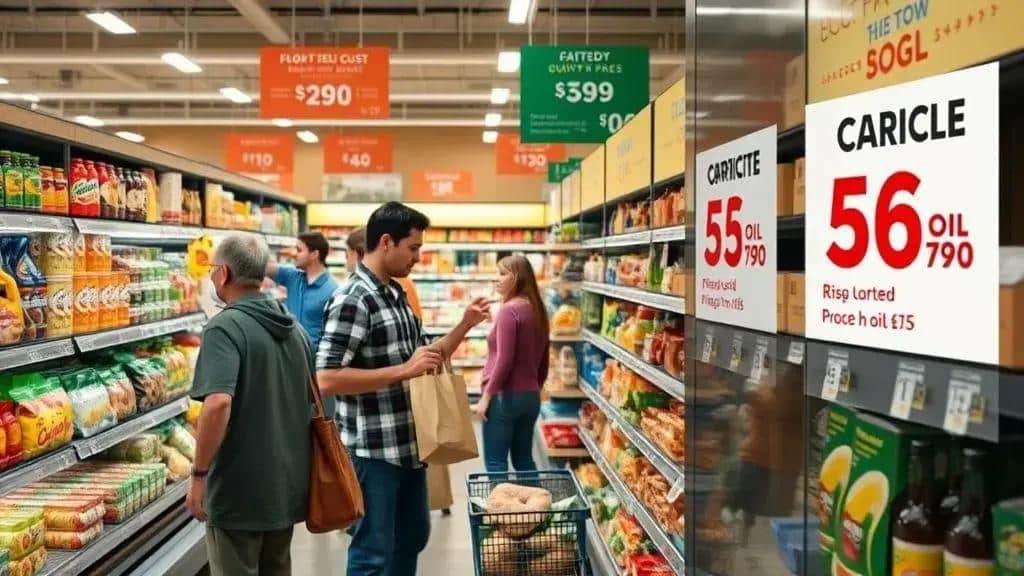
The rising oil prices can have direct effects on consumer goods and services that most of us rely on every day. As oil becomes more expensive, companies feel the pressure to adjust their pricing structures. This can lead to noticeable changes in our shopping habits.
One immediate effect of higher oil prices is the increase in transportation costs. Since many products need to be shipped, delivery fees often rise and are passed on to consumers. This means that goods we buy in stores or online may become more costly.
Key Areas Affected
Several categories of consumer goods are particularly affected by rising oil prices:
- Food Products: Higher transportation costs translate to more expensive groceries.
- Household Items: Products made with plastics, often derived from petroleum, see price increases.
- Automobiles: Fuel-efficient cars might not shield buyers from the overall rise in costs.
- Services: Sectors like taxi and delivery services often rise alongside oil prices.
This connection between oil prices and consumer products highlights a cycle that can affect our daily spending. When consumers face higher prices, budgets may tighten, leading to shifts in purchasing behavior.
For instance, in times of rising oil prices, many might opt for public transportation or carpooling to save on fuel. Meanwhile, brands may adjust their marketing strategies based on these changes. Thus, a situation with increasing oil prices can reshape the consumer landscape significantly.
As we all adjust to these shifts, it’s vital to stay informed about the ways oil fluctuations impact our expenses. Understanding these direct effects can help consumers better plan their finances and make informed purchasing choices.
Long-term implications for the economy
The long-term implications of rising oil prices on the economy are significant and multifaceted. As we experience fluctuations in oil prices, it’s vital to consider how these changes can shape various economic sectors over time.
One potential effect is an increase in the cost of living. As oil prices remain high, the expenses of everyday goods may continue to soar. This can lead to ongoing inflation, where consumers find their purchasing power diminished.
Evolving Economic Dynamics
Several key areas may be influenced by sustained high oil prices:
- Investment Flows: Higher energy costs can shift investment towards alternative energy sources and technologies.
- Job Market Changes: Industries reliant on oil may face challenges, leading to layoffs or shifts in workforce demand.
- Global Trade: Nations that heavily depend on oil imports may experience trade imbalances.
- Consumer Behavior: Shifts in spending habits can drive demand for more fuel-efficient products.
As businesses adapt to the reality of high oil prices, their strategies will likely evolve. Companies may seek to improve energy efficiency or invest in renewable energy options. These innovations can help mitigate the long-term impacts on profitability.
Moreover, consumers will need to adjust their budgeting approaches. As prices for essential items increase, it might push families to prioritize necessities over luxury purchases. This change in spending patterns can influence overall economic growth, as demand for non-essential goods might decline.
In summary, the long-term implications of rising oil prices extend beyond just increased costs. They can drive significant changes across the entire economic landscape, affecting investments, employment, and consumer behaviors as businesses and households adapt to new realities.
Strategies for consumers to cope with rising costs

As oil prices continue to rise, consumers must find effective strategies to cope with increasing costs. Adapting to these changes can help individuals manage their budgets and maintain their quality of life.
One of the most practical approaches is prioritizing essential spending. By focusing on necessary items, consumers can shield themselves from the burden of inflated prices. Planning purchases and avoiding impulsive buys can lead to significant savings.
Effective Strategies
Here are several key strategies consumers can use:
- Budgeting Wisely: Create a detailed budget to track income and expenses. This helps to identify areas where costs can be trimmed.
- Shopping Smart: Look for discounts, bulk purchasing options, and sales to minimize spending. Using coupons or cash-back apps can also provide valuable savings.
- Energy Efficiency: Consider switching to energy-efficient appliances. This can reduce monthly utility bills, offsetting the impact of rising oil prices.
- Public Transportation: If available, using public transport can save on fuel costs. Carpooling or ridesharing are other excellent alternatives to consider.
In addition to these strategies, reevaluating service subscriptions can bring extra savings. Cutting unnecessary subscriptions or negotiating better rates can free up funds for more critical needs.
Moreover, being informed about local economic conditions can help consumers adjust their spending habits. Understanding market trends and price fluctuations allows individuals to make proactive decisions regarding purchases.
By implementing these strategies, consumers can better manage the financial impact of rising costs, ensuring that they maintain control over their finances even amid economic uncertainty.
In conclusion, navigating the impact of rising oil prices and their effects on consumer inflation requires awareness and proactive strategies. By prioritizing essential spending, utilizing budgeting techniques, and exploring alternative transportation options, consumers can adapt to the economic changes around them. Staying informed can empower individuals to make better financial decisions and help alleviate the burden of increasing costs. Implementing these strategies will not only ease financial strain but also enable consumers to maintain their quality of life. Remember, even in challenging times, there are ways to manage expenses effectively.
FAQ – Frequently Asked Questions about Oil Prices and Consumer Inflation
How do rising oil prices affect everyday expenses?
Rising oil prices increase transportation costs, leading to higher prices for goods and services that consumers rely on daily.
What are some effective strategies for managing rising costs?
Effective strategies include budgeting wisely, shopping smart by looking for discounts, and using public transportation to save on fuel.
What impact do oil prices have on the economy as a whole?
High oil prices can lead to inflation, affecting the overall cost of living and changing consumer spending habits, which can slow economic growth.
How can consumers stay informed about oil price trends?
Consumers can follow economic news, subscribe to financial newsletters, and utilize apps that track oil prices to stay updated and make informed decisions.