
The Gig Economy in 2026: Unlocking 3 New Income Streams for Professionals Seeking Flexibility and 20% More Earnings
Anúncios
The world of work is in constant flux, and few areas exemplify this dynamism more than the gig economy income landscape. As we hurtle towards 2026, the traditional 9-to-5 model continues to erode, making way for a more agile, project-based, and highly specialized workforce. For professionals seeking not just flexibility but also a significant boost in their earnings – think a 20% increase or more – understanding the evolving nature of the gig economy is paramount. This isn’t just about picking up a side hustle; it’s about strategically positioning yourself to capitalize on emerging opportunities and transform your professional life.
The allure of the gig economy is undeniable: autonomy, variety, and the potential for higher income. However, succeeding in this competitive environment requires foresight, adaptability, and a keen understanding of future trends. This comprehensive guide will explore the projected state of the gig economy in 2026, pinpointing three innovative income streams that are set to redefine professional engagement and financial prosperity. We’ll delve into how you can cultivate the necessary skills, leverage technology, and build a robust personal brand to unlock these opportunities and secure a more flexible, financially rewarding future.
The Evolving Landscape of the Gig Economy: A 2026 Outlook
Before diving into specific income streams, it’s crucial to grasp the foundational shifts occurring within the gig economy income sphere. By 2026, several macro trends will have solidified, reshaping how work is commissioned, executed, and compensated. Artificial intelligence (AI) and automation will continue to streamline routine tasks, pushing human workers towards roles requiring creativity, critical thinking, and complex problem-solving. This shift elevates the value of specialized skills and unique human insights.
Anúncios
Furthermore, the global talent pool will become even more accessible. Geographic boundaries will continue to blur, meaning professionals in one country can easily work for clients in another. This global competition necessitates a strong personal brand, exceptional communication skills, and a clear value proposition. Data privacy and cybersecurity concerns will also become more prominent, creating new niches for experts in these fields. Finally, the demand for project-based work will surge as companies increasingly opt for agile teams and scalable talent solutions over permanent hires, making the gig economy income model more appealing than ever for both businesses and individuals.
The Rise of the ‘Portfolio Professional’
One significant trend by 2026 will be the normalization of the ‘portfolio professional’ – individuals who manage multiple income streams from various clients, projects, or even different types of work. This isn’t about juggling too many tasks; it’s about strategic diversification. A professional might offer consulting services, develop online courses, and manage a niche content creation business simultaneously. This approach mitigates risk, maximizes earning potential, and provides unparalleled flexibility. Understanding how to curate and manage such a portfolio will be a key skill for maximizing your gig economy income.
Technology as an Enabler, Not Just a Tool
In 2026, technology will move beyond being merely a tool for gig workers; it will become an enabler of entirely new business models and opportunities. Advanced collaboration platforms, AI-powered project management tools, and sophisticated freelance marketplaces will make it easier than ever to connect with clients, manage projects, and receive payments securely and efficiently. Leveraging these technological advancements will be crucial for optimizing your workflow, enhancing productivity, and ultimately increasing your gig economy income.
Income Stream 1: Hyper-Niche Consulting and Advisory Services
The first powerful income stream poised for significant growth in 2026 is hyper-niche consulting and advisory services. As businesses become more specialized and complex, the demand for experts with deep, narrow knowledge will skyrocket. This isn’t just general marketing or IT consulting; it’s about becoming the go-to authority in a very specific, often emerging, domain.
Identifying Your Hyper-Niche
To tap into this gig economy income stream, you need to identify your hyper-niche. This involves combining your existing professional expertise with an emerging industry trend or a persistent, unsolved business problem. For example, instead of being a ‘digital marketer,’ you might specialize in ‘AI-driven content strategy for B2B SaaS companies’ or ‘ethical data privacy consulting for fintech startups.’ The key is to be so specific that your target clients immediately recognize you as the definitive solution to their unique challenges.
Think about areas where traditional agencies or general consultants fall short. These are often complex, rapidly evolving fields where deep subject matter expertise is more valuable than broad experience. Examples include:
- Sustainable Supply Chain Optimization: Advising companies on implementing eco-friendly and efficient supply chain practices.
- Web3 Regulatory Compliance: Guiding blockchain and cryptocurrency projects through complex legal and compliance landscapes.
- AI Ethics and Governance: Helping organizations develop and deploy AI systems responsibly and ethically.
- Personalized Learning Pathway Design: Crafting bespoke educational experiences for corporate training or individual upskilling using adaptive technologies.
Once you’ve identified your hyper-niche, your marketing efforts become incredibly focused. You’re not trying to appeal to everyone; you’re speaking directly to a small, highly engaged audience with a very specific pain point. This allows you to command premium rates, significantly boosting your gig economy income.
Building Authority and Attracting Clients
Success in hyper-niche consulting hinges on establishing undeniable authority. This means:
- Thought Leadership: Regularly publish insightful articles, whitepapers, or participate in industry podcasts/webinars related to your niche.
- Case Studies: Document your successes with past clients, showcasing tangible results.
- Certifications and Continuous Learning: Stay at the absolute forefront of your niche by pursuing advanced certifications or specialized training.
- Networking: Connect with key players, decision-makers, and potential collaborators within your specific industry segment.
By becoming the recognized expert, clients will seek you out, allowing you to bypass the traditional bidding wars often seen in more general freelance marketplaces. This direct client acquisition model is highly efficient and lucrative for your gig economy income.

Income Stream 2: Digital Product Creation and Monetization (Beyond eBooks)
The second major income stream for 2026 is digital product creation, but with a significant evolution beyond simple eBooks or basic online courses. This stream leverages your expertise to create scalable, high-value digital assets that generate passive or semi-passive gig economy income.
Advanced Online Courses and Cohort-Based Programs
While online courses aren’t new, the market is maturing. By 2026, generic courses will struggle. The demand will be for highly specialized, interactive, and often cohort-based programs that offer a transformative learning experience. These programs can command premium prices because they provide direct access to your expertise, peer interaction, and often, a clear pathway to a specific outcome (e.g., ‘Mastering Generative AI for Copywriting in 6 Weeks’).
Consider creating:
- Interactive Workshops: Live, online sessions focused on a specific skill or tool.
- Membership Communities: Offer exclusive content, Q&A sessions, and networking opportunities for a recurring fee.
- Templates and Toolkits: For designers, marketers, or project managers, pre-made templates (e.g., Notion templates for productivity, Figma design systems, advanced Excel models) are incredibly valuable.
- Software as a Service (SaaS) Micro-Tools: If you have coding skills, even a simple, niche-specific micro-SaaS tool (e.g., a specialized content idea generator, a unique analytics dashboard) can generate recurring revenue.
The key to success here is to identify a recurring need or a common bottleneck within your niche and create a digital product that solves it efficiently. This allows you to decouple your time from your earnings, a critical step in maximizing your gig economy income potential.
Leveraging AI in Digital Product Creation
AI will be a game-changer in digital product creation by 2026. You can use AI to:
- Content Generation: Assist in drafting course materials, marketing copy, or even scripts for video lessons.
- Personalization: Tailor learning paths for students in your courses.
- Automation: Automate aspects of customer support or content delivery.
- Idea Generation: Brainstorm new product ideas based on market trends and audience needs.
By strategically integrating AI, you can produce higher-quality digital products more efficiently, reach a wider audience, and scale your operations without linearly increasing your workload, thereby boosting your gig economy income.
Income Stream 3: Fractional Executive and Specialized Leadership Roles
The third burgeoning income stream is taking on fractional executive or specialized leadership roles. As companies seek agility and cost-efficiency, they are increasingly open to hiring highly experienced professionals on a part-time, project-specific, or interim basis for senior positions that don’t warrant a full-time hire. This is particularly true for startups, SMEs, or larger corporations undergoing specific transformations.
What is a Fractional Executive?
A fractional executive is a seasoned professional who provides high-level strategic guidance and and leadership to multiple companies simultaneously, typically dedicating a set number of hours or days per week or month to each. This could be a Fractional CMO, CTO, CFO, Head of People, or even a specialized consultant in areas like AI strategy, cybersecurity leadership, or advanced data analytics. This offers companies access to top-tier talent without the overhead of a full-time salary and benefits, while offering the professional a diversified and high-paying gig economy income.
Targeting the Right Opportunities
To excel in this area, you need a proven track record of leadership and significant accomplishments. Your expertise should be in high demand, and you should be able to demonstrate a clear impact on previous organizations. Look for companies that:
- Are in a growth phase but lack the resources for a full-time senior hire.
- Need specific, short-term strategic guidance for a major project or transition.
- Are looking to implement a new technology or methodology and require expert leadership.
- Are seeking to scale their operations but need experienced hands to guide the process.
Networking is paramount here. Leverage your existing professional connections, participate in industry forums, and consider specialized platforms that connect fractional executives with companies. Your personal brand, replete with testimonials and case studies demonstrating strategic impact, will be your most valuable asset in securing these high-value opportunities and maximizing your gig economy income.
The Benefits for Professionals
For the professional, fractional executive roles offer:
- Higher Earning Potential: Fractional roles often command significantly higher hourly or project rates than traditional consulting.
- Diverse Experience: Work across multiple industries and challenges, constantly expanding your skill set.
- Flexibility and Autonomy: Maintain control over your schedule and client portfolio.
- Strategic Impact: Contribute at a high level without getting bogged down in day-to-day operational tasks.
This path is ideal for experienced professionals who have reached a senior level in their careers and are looking for a new way to apply their expertise while gaining greater control over their work-life balance and significantly boosting their gig economy income.
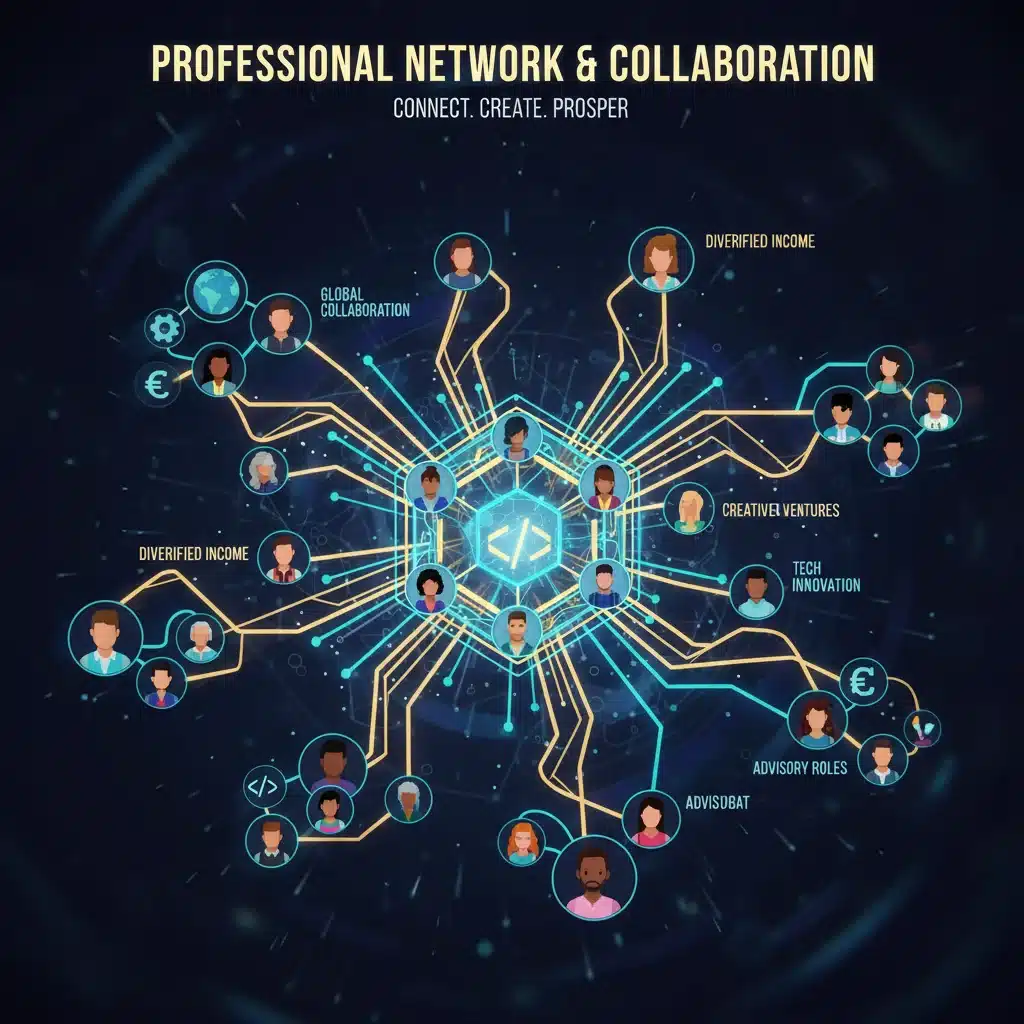
Strategies for Maximizing Your Gig Economy Income in 2026
Simply knowing about these income streams isn’t enough; you need a strategic approach to implement them effectively and achieve that coveted 20% (or more!) earnings increase. Here are key strategies:
1. Continuous Skill Development and Upskilling
The gig economy rewards specialized, in-demand skills. Identify the skills critical for your chosen income streams and commit to continuous learning. This means:
- Future-Proofing Your Skills: Focus on areas like AI literacy, data analytics, cybersecurity, advanced project management methodologies (e.g., Agile, Scrum), and complex problem-solving.
- Soft Skills: Don’t neglect communication, negotiation, emotional intelligence, and adaptability – these are crucial for client relations and managing a diverse portfolio.
- Micro-Credentials and Certifications: Invest in recognized certifications that validate your expertise in niche areas.
Staying ahead of the curve ensures you remain competitive and can command higher rates, directly impacting your gig economy income.
2. Building a Powerful Personal Brand and Network
In a globalized gig economy, your personal brand is your most valuable asset. It communicates your expertise, reliability, and unique value proposition. Develop a strong online presence:
- Professional Website/Portfolio: Showcase your best work, testimonials, and thought leadership.
- LinkedIn Optimization: Treat your LinkedIn profile as a living resume and networking hub.
- Content Creation: Regularly share insights, analyses, and solutions related to your niche on platforms like blogs, newsletters, or social media.
- Strategic Networking: Actively engage with peers, potential clients, and industry leaders both online and offline. Referrals are often the most valuable source of high-quality leads for gig economy income.
3. Mastering Financial Management and Pricing
Transitioning to a gig economy model requires robust financial discipline. You’ll be responsible for taxes, benefits, and managing irregular income. Key considerations include:
- Value-Based Pricing: Move beyond hourly rates. Price your services and products based on the value you deliver to the client, not just the time you spend. This is crucial for achieving a 20% or more increase in your gig economy income.
- Diversification: As discussed, multiple income streams provide stability.
- Financial Planning: Set aside funds for taxes, retirement, and emergencies. Consider professional financial advice tailored for freelancers and independent contractors.
- Contract Negotiation: Learn to negotiate favorable terms, clearly define scope, and protect your interests in contracts.
4. Leveraging Automation and AI Tools
To maximize efficiency and free up time for high-value work, embrace automation and AI:
- Project Management Software: Tools like Asana, Trello, or Monday.com for organizing tasks and client communications.
- AI Writing Assistants: For drafting content, emails, or proposals, saving significant time.
- Scheduling Tools: Automate appointment booking and reminders.
- CRM Systems: Manage client relationships and track leads efficiently.
By automating repetitive tasks, you can focus on strategic work, client acquisition, and skill development, all of which contribute to higher gig economy income.
Conclusion: Embracing the Future of Work for Enhanced Gig Economy Income
The gig economy in 2026 is not just a temporary trend; it’s a fundamental shift in how professionals engage with work. For those willing to adapt, learn, and strategically position themselves, it offers unprecedented opportunities for flexibility, autonomy, and significant financial growth. By focusing on hyper-niche consulting, innovative digital product creation, and fractional executive roles, professionals can unlock new income streams and realistically aim for a 20% or greater increase in their earnings.
The journey requires continuous skill development, a strong personal brand, astute financial management, and a willingness to leverage technology. It’s about becoming a proactive participant in shaping your career, rather than passively reacting to market forces. Embrace these changes, invest in yourself, and you’ll find that the gig economy income potential in 2026 is not just promising, but truly transformative. The future of work is flexible, specialized, and incredibly rewarding for those who dare to seize it.