US Consumer Spending Forecast 2026: A 4% Growth Deep Dive
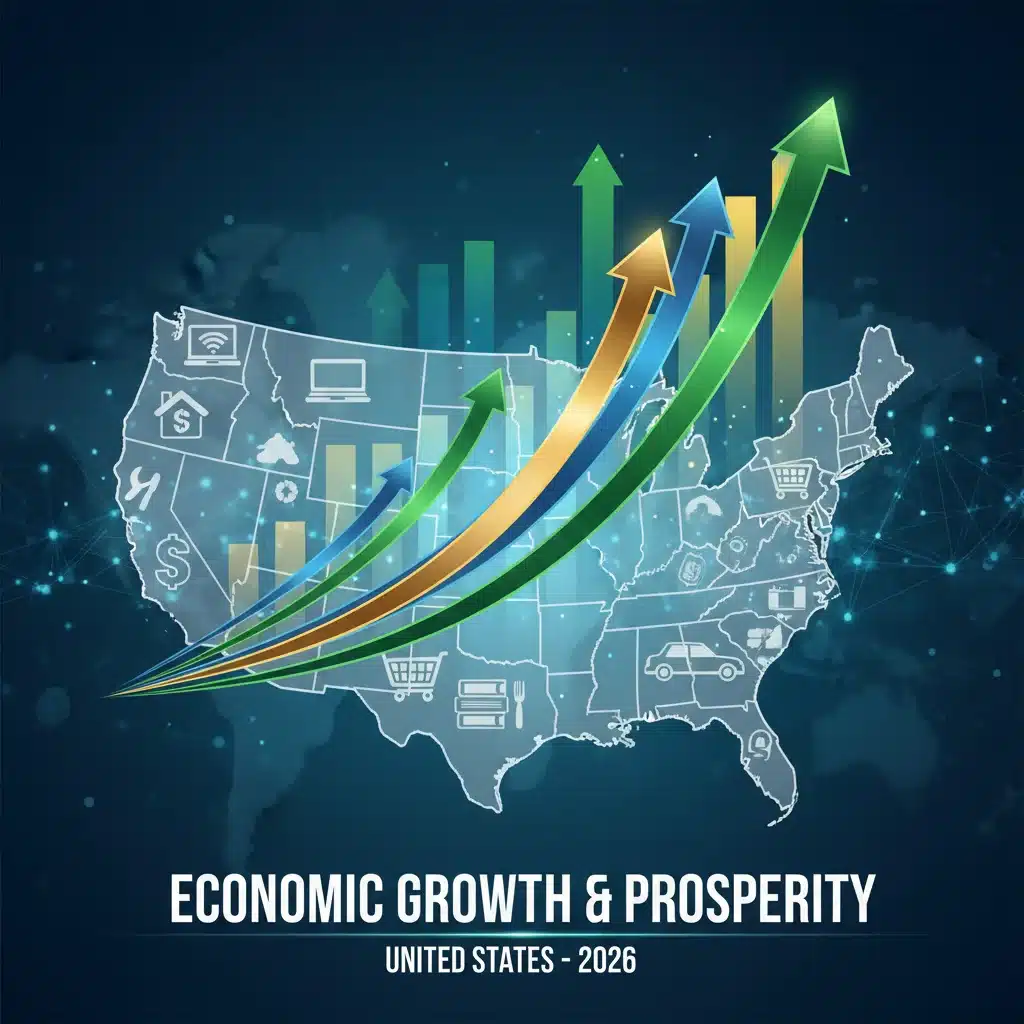
US Consumer Spending Forecast 2026: A 4% Growth Deep Dive
The economic landscape is a constantly shifting entity, influenced by myriad factors ranging from geopolitical events to technological advancements. For businesses, investors, and policymakers alike, understanding the trajectory of consumer spending is paramount. As we cast our gaze towards 2026, projections indicate a robust 4% growth in US consumer spending, a figure that signals both optimism and a need for strategic foresight. This comprehensive analysis will delve into the underlying drivers of this anticipated growth, explore key trends shaping consumer behavior, and provide actionable insights for navigating the evolving market.
Consumer spending is the lifeblood of the US economy, accounting for roughly 70% of the nation’s Gross Domestic Product (GDP). A projected 4% increase in consumer spending 2026 is not just a statistic; it represents billions of dollars in economic activity, job creation, and opportunities for innovation. This growth is anticipated against a backdrop of evolving demographics, technological integration, and a renewed focus on sustainability and value.
Understanding the Drivers of Anticipated Growth
Several macroeconomic and societal factors are converging to fuel the projected 4% rise in consumer spending 2026. A deeper understanding of these drivers is crucial for any entity looking to capitalize on this trend.
Strong Labor Market and Wage Growth
A resilient labor market remains a cornerstone of strong consumer spending. As employment rates stabilize and potentially improve, more individuals have disposable income. Furthermore, sustained wage growth, particularly in sectors experiencing labor shortages, directly translates into increased purchasing power. This upward pressure on wages, coupled with a steady job market, creates a favorable environment for consumers to spend more on goods and services.
Inflation Moderation and Price Stability
While inflation has been a significant concern in recent years, forecasts suggest a gradual moderation towards more stable levels by 2026. As inflationary pressures ease, consumers will experience less erosion of their purchasing power, making them more confident in making both essential and discretionary purchases. Price stability allows households to plan their budgets more effectively and reduces the hesitancy often associated with volatile economic periods. This expected moderation is a critical component in stimulating consumer spending 2026.
Technological Advancements and Digital Transformation
The continuous evolution of technology plays a dual role in driving consumer spending. Firstly, new technologies create entirely new categories of products and services, from advanced smart devices to subscription-based digital experiences. Secondly, digital transformation enhances the efficiency and convenience of shopping, making it easier for consumers to research, compare, and purchase. E-commerce platforms, mobile payment systems, and personalized marketing powered by AI are all contributing to a seamless and often more frequent spending experience. The digital economy is a powerful accelerator for consumer spending 2026.
Demographic Shifts and Emerging Consumer Segments
The demographic landscape of the US is dynamic, with various generations exhibiting distinct spending patterns. Millennials and Gen Z, now forming significant portions of the workforce, are reaching peak earning and spending years. Their preferences for experiences, sustainable products, and technology-driven solutions will heavily influence market trends. Additionally, the increasing diversity of the US population brings new demands and market niches that businesses can tap into. Understanding these generational and cultural shifts is vital for targeting growth in consumer spending 2026.
Key Trends Shaping Consumer Behavior in 2026
Beyond the macroeconomic drivers, specific behavioral trends will dictate where and how consumers allocate their increased spending. Businesses must adapt to these evolving preferences to remain competitive.
Experience Economy Continues to Thrive
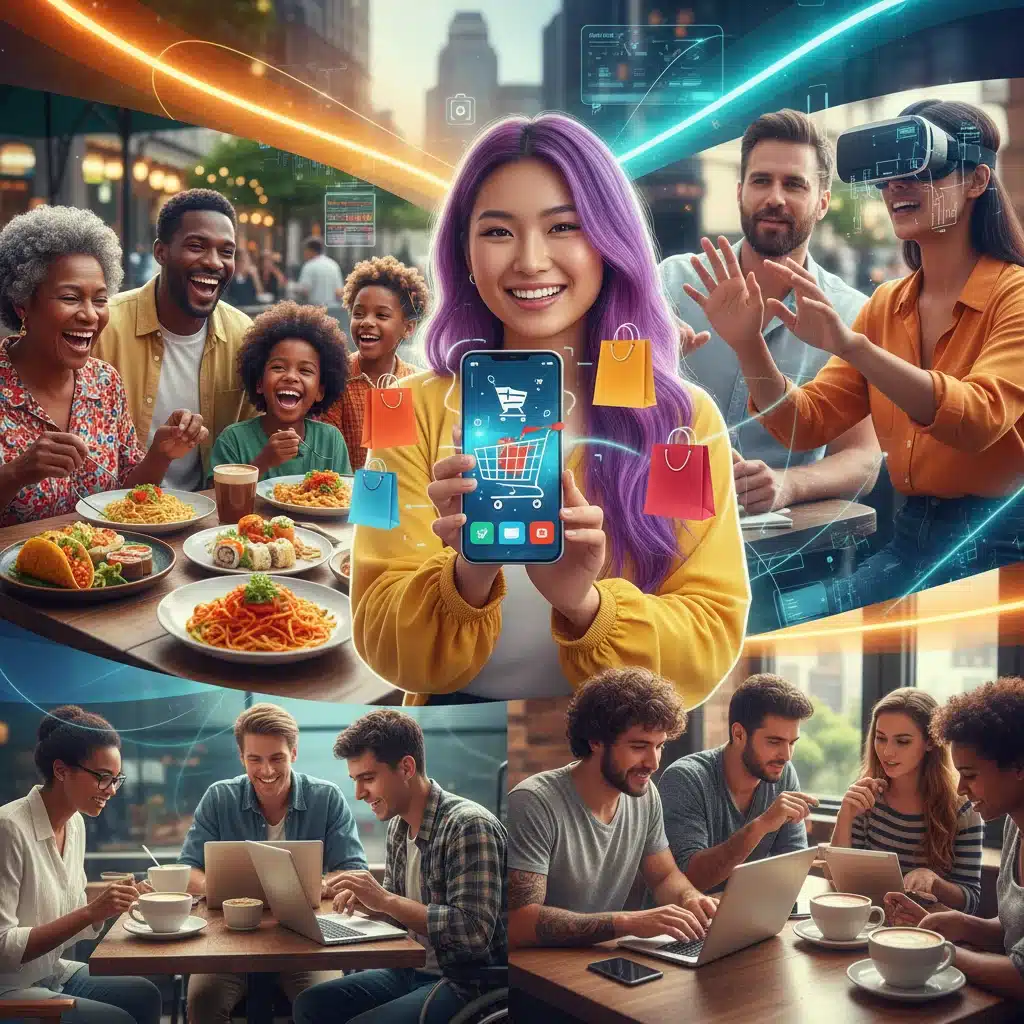
The shift from owning possessions to valuing experiences is expected to intensify. Consumers, particularly younger generations, are increasingly prioritizing travel, entertainment, dining out, and unique events over material goods. This trend necessitates a recalibration for businesses, urging them to offer compelling experiences, whether through innovative retail environments, personalized services, or immersive entertainment options. The experience economy will be a significant beneficiary of increased consumer spending 2026.
Sustainability and Ethical Consumption
Environmental consciousness and ethical considerations are no longer niche concerns; they are mainstream drivers of purchasing decisions. Consumers are increasingly seeking out brands that demonstrate a genuine commitment to sustainability, fair labor practices, and social responsibility. This includes demand for eco-friendly products, transparent supply chains, and companies with strong corporate social responsibility (CSR) initiatives. Brands that align with these values will likely capture a larger share of the growing consumer spending 2026.
Personalization and Hyper-Convenience
In an age of abundant choice, personalization stands out. Consumers expect tailored recommendations, customized products, and services that anticipate their needs. Coupled with this is the demand for hyper-convenience – instant gratification, seamless delivery, and effortless purchasing processes. Businesses leveraging data analytics and AI to offer personalized experiences and streamline their operations will gain a significant competitive edge. This focus on individual needs and ease of access will profoundly influence consumer spending 2026 patterns.
Digital Health and Wellness Boom
The pandemic accelerated a focus on health and wellness that continues to expand. This trend encompasses not just physical fitness and nutrition but also mental well-being, preventative care, and digital health solutions. Spending on wearable technology, online fitness subscriptions, healthy food options, and mental health apps is projected to rise. Companies in the health and wellness sector are well-positioned to benefit from this sustained interest in personal well-being, driving a significant portion of consumer spending 2026.
Sector-Specific Insights for 2026
While overall consumer spending 2026 is expected to grow, certain sectors are poised for more significant expansion than others.
Retail: E-commerce Dominance and Experiential Stores
E-commerce will continue its upward trajectory, driven by convenience and technological innovation. However, brick-and-mortar retail is far from obsolete. Successful physical stores will increasingly become experiential hubs, offering unique in-store events, personalized shopping assistance, and seamless integration with online channels (e.g., buy online, pick up in-store). Retailers that master omnichannel strategies will be best equipped to capture the evolving consumer spending 2026.
Travel and Hospitality: Rebounding and Evolving
Following periods of restriction, the travel and hospitality sectors are expected to see sustained recovery and growth. Consumers are eager to explore, and demand for both domestic and international travel, as well as unique accommodation experiences, will be high. Personalization, sustainable tourism options, and health and safety assurances will be key differentiators for businesses in this sector. This rebound will be a strong contributor to consumer spending 2026.
Automotive: Electric Vehicles and Smart Mobility
The automotive industry will continue its rapid transformation, with electric vehicles (EVs) at the forefront. Government incentives, technological advancements, and growing environmental awareness will drive significant consumer adoption of EVs. Beyond vehicle purchases, spending on smart mobility solutions, including ride-sharing, car-sharing, and autonomous driving features, will also see growth. This sector’s innovation will be a notable factor in consumer spending 2026.
Technology and Electronics: Innovation Fuels Demand
The insatiable demand for the latest technology, from smartphones and smart home devices to virtual reality (VR) and augmented reality (AR) gadgets, will continue to drive spending. Rapid innovation cycles and the integration of AI into everyday devices will encourage consumers to upgrade and invest in new tech. Subscription services for software, cloud storage, and entertainment will also remain a strong component of consumer spending in this category.
Food and Beverage: Health, Convenience, and Ethical Choices
Consumers are increasingly demanding healthier, more convenient, and ethically sourced food options. This translates to growth in organic products, plant-based alternatives, meal kit delivery services, and sustainable packaging. The food service industry will also benefit from a renewed interest in dining out and unique culinary experiences. Businesses that can cater to these diverse preferences will see significant gains in consumer spending 2026.
Challenges and Considerations for 2026
While the outlook for consumer spending 2026 is positive, several challenges and considerations warrant attention.
Persistent Inflationary Pressures
While inflation is expected to moderate, unforeseen global events or supply chain disruptions could reignite inflationary pressures. Businesses must remain agile in their pricing strategies and supply chain management to mitigate potential impacts on consumer purchasing power.
Geopolitical Instability
Global political tensions and conflicts can have far-reaching economic consequences, impacting everything from energy prices to consumer confidence. Businesses should monitor geopolitical developments closely and build resilience into their operations.
Regulatory Changes and Data Privacy
The increasing focus on data privacy and consumer protection could lead to new regulations. Businesses must ensure compliance while still leveraging data to offer personalized experiences. Adapting to evolving regulatory landscapes will be crucial for maintaining consumer trust and driving consumer spending 2026.
Rising Interest Rates and Debt Levels
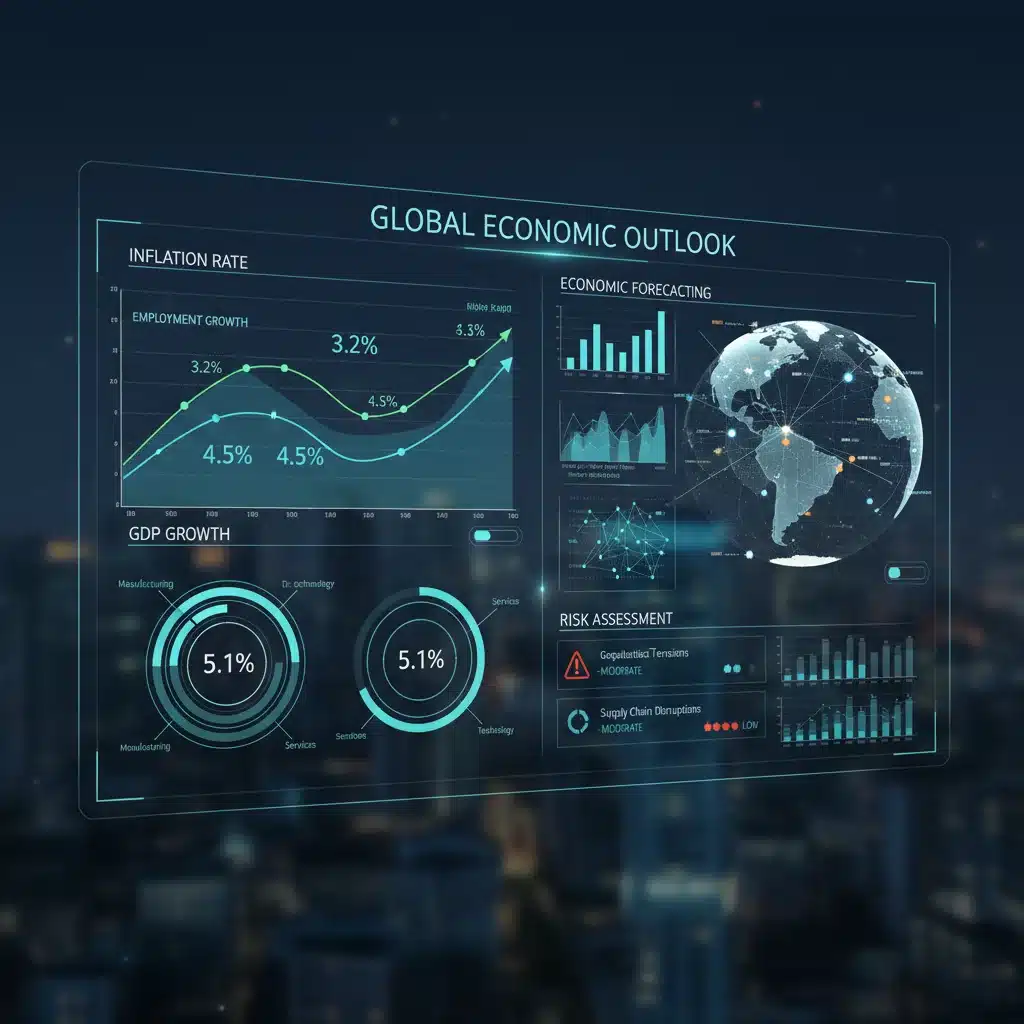
While a strong labor market supports spending, rising interest rates can increase the cost of borrowing for both consumers and businesses. High household debt levels could also limit discretionary spending, especially if economic conditions tighten. Monitoring consumer debt trends will be important for understanding the full picture of consumer spending 2026.
Strategies for Businesses to Capitalize on Growth
To effectively leverage the projected 4% growth in consumer spending 2026, businesses should consider the following strategies:
- Invest in Digital Transformation: Enhance e-commerce capabilities, optimize mobile experiences, and utilize data analytics for personalized marketing and customer service.
- Focus on Value and Transparency: Clearly communicate the value proposition of products and services, and be transparent about sourcing, production, and pricing.
- Embrace Sustainability: Integrate sustainable practices throughout the business model, from product design to packaging and supply chain, and communicate these efforts to consumers.
- Innovate with Experiences: Develop unique and memorable customer experiences, whether online or in physical spaces, to cater to the growing experience economy.
- Personalize Customer Journeys: Utilize AI and machine learning to offer highly personalized product recommendations, content, and customer support.
- Diversify Offerings: Explore new product categories or service lines that align with emerging consumer trends, such as health and wellness or smart home technology.
- Strengthen Supply Chains: Build resilient and diversified supply chains to minimize disruptions and ensure product availability.
- Invest in Workforce Development: A skilled and motivated workforce is essential for delivering quality products and services, especially in a competitive labor market.
Conclusion
The projected 4% growth in consumer spending 2026 presents a significant opportunity for economic expansion and business prosperity in the United States. This data-driven forecast is underpinned by a strong labor market, moderating inflation, and continuous technological advancements. However, businesses must remain vigilant to potential challenges such as geopolitical instability and rising interest rates.
By understanding the evolving preferences of diverse consumer segments – particularly their demand for experiences, sustainability, and personalization – businesses can strategically position themselves for success. Adapting to these trends through digital transformation, ethical practices, and innovative offerings will be key to capturing a share of the expanding consumer wallet. The future of US consumer spending is bright, and those who are prepared to adapt and innovate will reap the greatest rewards.
Author