2026 U.S. Housing Market: 6% Mortgage Rates Impact
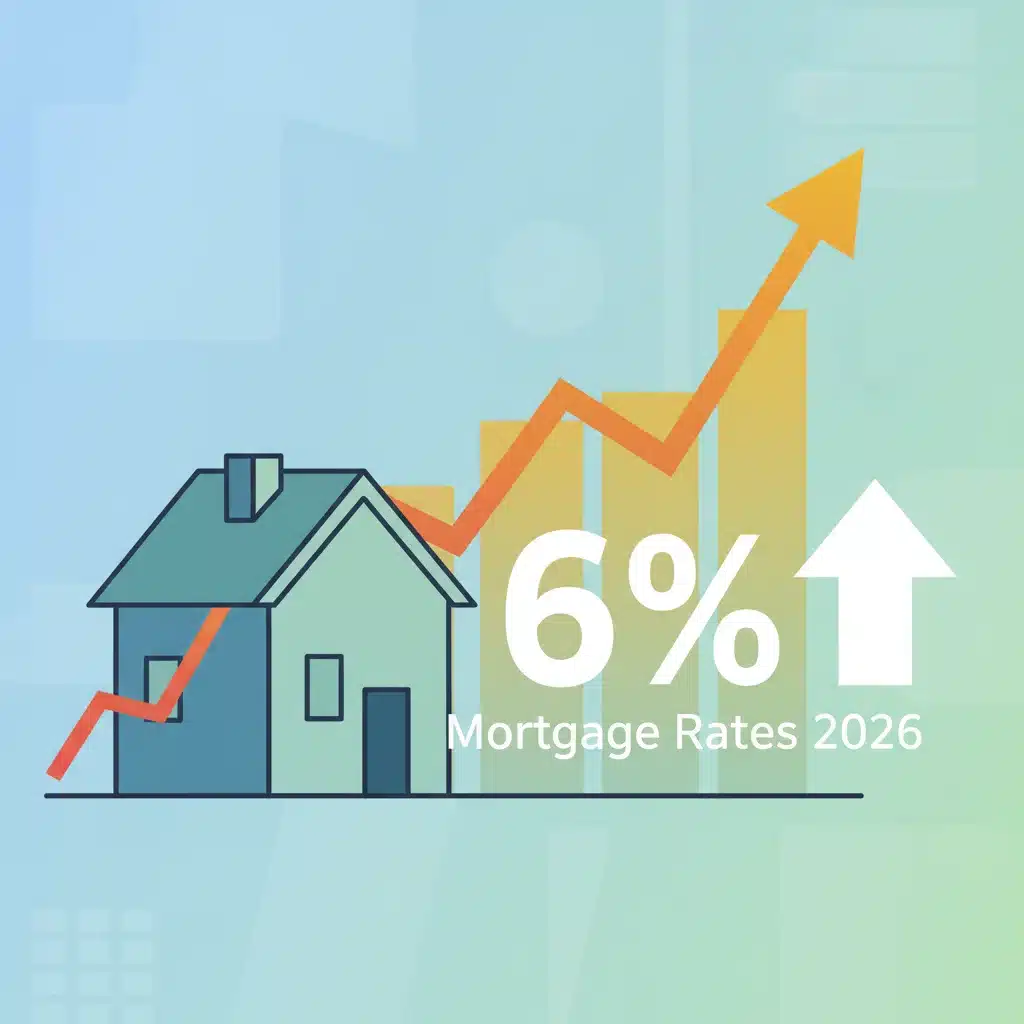
The United States housing market is a dynamic and often unpredictable entity, influenced by a myriad of economic forces. As we look ahead to 2026, one of the most critical economic indicators to watch is the trajectory of mortgage rates. Specifically, the prospect of a 6% increase in mortgage rates could significantly reshape the landscape of the 2026 Housing Market, affecting everything from buyer demand and affordability to housing inventory and investment strategies. This comprehensive analysis will delve into the potential ramifications of such a shift, examining the underlying economic factors, historical precedents, and expert forecasts to provide a clearer picture of what lies ahead.
Understanding the sensitivity of the housing market to interest rate fluctuations is paramount. Mortgage rates are the lifeblood of real estate transactions, directly impacting the monthly cost of homeownership. A substantial increase, such as reaching or exceeding 6%, would not merely be a minor adjustment; it would represent a significant hurdle for many prospective homebuyers and could trigger a ripple effect across the entire economy. This article aims to decode the complexities of this potential scenario, offering insights for homeowners, buyers, sellers, and investors navigating the evolving 2026 Housing Market.
The Mechanics of Mortgage Rates: Why 6% Matters
Before we can fully grasp the impact of a 6% mortgage rate, it’s essential to understand how these rates are determined and what makes this particular threshold so significant. Mortgage rates are primarily influenced by the federal funds rate set by the Federal Reserve, inflation expectations, and the bond market, particularly the yield on 10-year Treasury notes. When the Federal Reserve tightens monetary policy to combat inflation, it typically leads to higher borrowing costs across the board, including mortgages.
A 6% mortgage rate is not just a number; it represents a psychological and financial barrier for many. Historically, rates below 5% have been considered highly attractive, fueling robust demand. As rates climb towards and surpass 6%, the cost of borrowing becomes noticeably higher, reducing purchasing power and making homeownership less accessible for a substantial portion of the population. For instance, on a $400,000 loan, moving from a 4% to a 6% interest rate can increase the monthly payment by hundreds of dollars, a sum that can be prohibitive for many household budgets. This direct impact on affordability is why a 6% mortgage rate is a critical economic indicator for the 2026 Housing Market.
Moreover, the perception of rates plays a crucial role. When rates are perceived as rising rapidly or being at an unsustainable level, potential buyers may pull back, waiting for more favorable conditions. This hesitation can cool demand, increase inventory, and potentially lead to price adjustments. Therefore, understanding the intricate relationship between monetary policy, economic conditions, and borrower behavior is key to anticipating the future of the 2026 Housing Market.
Economic Indicators and the Path to 6%
Several economic indicators could pave the way for mortgage rates to reach or exceed 6% by 2026. Inflation is arguably the most significant driver. Persistent high inflation often compels the Federal Reserve to maintain or increase interest rates to cool down the economy. If inflationary pressures remain strong due to supply chain disruptions, geopolitical events, or robust consumer demand, the Fed may continue its hawkish stance, pushing mortgage rates higher.
Another crucial factor is the overall health of the U.S. economy. A strong economy, characterized by low unemployment and steady GDP growth, can also contribute to higher rates. While a strong economy is generally positive, it can also lead to increased demand for credit, which, coupled with inflationary concerns, can drive up borrowing costs. Conversely, an economic slowdown or recession could lead the Fed to lower rates to stimulate growth, but this is often accompanied by other challenges in the housing market, such as job losses and reduced consumer confidence.
The bond market also plays a pivotal role. The yield on the 10-year Treasury note is a benchmark for long-term interest rates, including mortgages. Factors influencing bond yields include inflation expectations, government borrowing, and global economic conditions. If investors anticipate higher inflation or perceive greater risk in the economy, they will demand higher yields, which translates to higher mortgage rates. Monitoring these indicators will be crucial for predicting the trajectory of the 2026 Housing Market.
Geopolitical stability and global economic trends also have an indirect but significant impact. International conflicts, trade disputes, or economic downturns in major global economies can create uncertainty, influencing investor sentiment and capital flows, which in turn affect bond yields and, consequently, mortgage rates. Therefore, a holistic view of both domestic and international economic landscapes is necessary for a comprehensive forecast of the 2026 Housing Market.
Impact on Housing Affordability and Demand
The most immediate and profound effect of a 6% mortgage rate will be on housing affordability. As mortgage payments increase, the pool of eligible buyers shrinks. This is particularly true for first-time homebuyers who often have tighter budgets and are more sensitive to monthly payment fluctuations. Higher rates mean that for the same monthly payment, buyers can afford a significantly smaller loan amount, forcing them to either compromise on the size or location of their home or delay their purchase altogether.
This reduction in purchasing power can lead to a noticeable drop in buyer demand. When demand wanes, housing inventory tends to increase as homes stay on the market longer. This shift from a seller’s market to a more balanced or even buyer’s market could lead to a moderation or even a decline in home prices in certain areas. Regions that have experienced rapid price appreciation in recent years, fueled by low rates and high demand, might be particularly vulnerable to price corrections.

Moreover, higher rates can impact existing homeowners. Those with adjustable-rate mortgages (ARMs) could see their monthly payments increase, potentially leading to financial strain. While the majority of U.S. mortgages are fixed-rate, a significant number of homeowners could still be affected, especially those who purchased during periods of historically low rates and might now consider refinancing or selling. The overall sentiment of the 2026 Housing Market will be heavily influenced by these affordability concerns.
The rental market could also experience changes. If homeownership becomes less accessible, more people will remain renters, potentially driving up rental demand and prices. This could create a cascading effect, where rising housing costs, whether through ownership or rent, strain household budgets and impact overall consumer spending. The delicate balance between buying and renting will be a key dynamic to observe in the 2026 Housing Market.
Supply Dynamics and Inventory Levels
The supply side of the housing market is equally sensitive to interest rate changes. Higher mortgage rates can disincentivize current homeowners from selling. Many homeowners locked in historically low rates during the pandemic-era boom. The prospect of selling their current home, only to buy a new one at a significantly higher mortgage rate, can act as a powerful deterrent, leading to what some call the ‘golden handcuff’ effect. This reluctance to sell can further constrain housing inventory, even as buyer demand softens.
For new construction, higher interest rates translate to increased borrowing costs for developers and builders. This can make new projects less profitable, potentially leading to a slowdown in construction activity. Coupled with persistent challenges like labor shortages, supply chain issues, and rising material costs, higher rates could exacerbate the existing housing supply deficit, particularly for affordable housing options. A constrained supply, even with reduced demand, could prevent a significant downturn in prices in some areas, creating a complex scenario for the 2026 Housing Market.
The balance between existing home sales and new construction will be crucial. If existing homeowners are hesitant to sell, new construction becomes even more vital to meet housing needs. However, if new construction slows due to higher financing costs, the overall inventory problem could persist, keeping upward pressure on prices in some segments despite reduced affordability. The interplay of these supply dynamics will define much of the 2026 Housing Market.
Furthermore, the geographic distribution of housing supply will likely become more pronounced. Areas with strong job growth and limited existing inventory may continue to see price stability or even modest gains, while regions with an oversupply or less robust economic fundamentals could experience more significant adjustments. Developers will need to be strategic in their project planning, focusing on markets with demonstrated resilience and demand, even in a higher-rate environment.
Regional Variations and Market Segmentation
It’s crucial to remember that the U.S. housing market is not monolithic. The impact of a 6% mortgage rate will vary significantly across different regions and market segments. High-cost coastal markets, which often see higher home prices and larger mortgage amounts, will likely feel the pinch of higher rates more acutely. Buyers in these areas might find their purchasing power severely diminished, leading to a more pronounced cooling of demand and potential price adjustments.
Conversely, more affordable markets in the Midwest or certain Southern states might be more resilient. While affordability will still be a concern, the absolute increase in monthly payments might be less prohibitive, allowing demand to persist at a more stable level. Local economic conditions, such as job growth, population migration, and the availability of diverse industries, will play a significant role in how individual markets respond to higher rates in the 2026 Housing Market.
Market segmentation also matters. The luxury housing market, often less reliant on conventional mortgages and more on cash transactions or jumbo loans, might be somewhat insulated from the direct impact of higher rates. However, even high-net-worth individuals can be influenced by overall economic sentiment and investment opportunities elsewhere. The starter home market, on the other hand, will likely face the most significant challenges, as first-time buyers are typically the most sensitive to interest rate increases.
Investors will also need to re-evaluate their strategies. Higher borrowing costs can reduce the profitability of rental properties and fix-and-flip ventures. This could lead to a decrease in investor activity, which in some markets, has been a significant driver of demand and price appreciation. The shift in investor behavior will be another critical aspect shaping the 2026 Housing Market.
Implications for Buyers, Sellers, and Investors
For Prospective Buyers:
For those looking to buy in the 2026 Housing Market, a 6% mortgage rate environment necessitates a strategic approach. Affordability will be the primary challenge, making it essential to thoroughly assess your budget and consider all associated costs beyond the mortgage payment, such as property taxes, insurance, and maintenance. Buyers may need to adjust their expectations regarding home size, location, or features. Exploring different loan products, such as adjustable-rate mortgages (ARMs) for those with short-term plans, or government-backed loans, could offer some flexibility, though caution is advised.
Patience might also be a virtue. As demand cools and inventory potentially increases, buyers might find themselves with more negotiating power than in recent years. However, waiting too long could mean missing out if rates climb even higher or if supply remains stubbornly low. Staying informed about local market conditions and working with experienced real estate professionals will be paramount.
For Homeowners and Potential Sellers:
Current homeowners considering selling in the 2026 Housing Market will face a different set of considerations. If you have a low fixed-rate mortgage, selling and buying a new home with a higher rate could significantly increase your monthly housing costs. This ‘rate lock-in’ effect could lead to fewer homes coming onto the market, maintaining some level of supply constraint.
Sellers who do decide to list their homes might need to adjust their pricing expectations. The days of multiple offers above asking price could become less common, and homes may take longer to sell. Focusing on home improvements that offer a strong return on investment, staging, and strategic pricing will be more important than ever. Understanding your local market dynamics and being realistic about valuations will be key to a successful sale.
For Real Estate Investors:
Investors in the 2026 Housing Market will need to recalibrate their strategies. Higher borrowing costs will impact the cap rates and cash flow of rental properties, making it harder to find deals that meet desired returns. Due diligence on potential rental income, vacancy rates, and operating expenses will be more critical than ever. Diversifying investment portfolios, exploring different property types, or focusing on markets with strong rental demand and favorable landlord-tenant laws could be prudent.
For fix-and-flip investors, higher rates mean a greater emphasis on acquiring properties at a deep discount and accurately forecasting renovation costs and after-repair values. The carrying costs of holding a property for renovation will increase, adding pressure to complete projects efficiently. Long-term investors might still find opportunities, especially in markets with strong underlying fundamentals, but patience and a long-term perspective will be essential.
Historical Context and Future Outlook
Looking back at historical trends can provide valuable context for the 2026 Housing Market. The U.S. has experienced periods of much higher mortgage rates, even reaching double digits in the late 1970s and early 1980s. While a return to those levels is unlikely without extreme economic shifts, the current generation of homebuyers has largely enjoyed a prolonged period of historically low rates. The adjustment to a 6% or higher rate environment will therefore feel particularly sharp.
In previous periods of rising rates, the housing market has typically seen a slowdown in sales volume, a moderation in price appreciation, and in some cases, modest price declines. However, significant, widespread price crashes are usually associated with broader economic downturns, high unemployment, or a glut of inventory, rather than just rising rates alone. The current market, while facing affordability challenges, still contends with an underlying housing shortage in many areas, which could act as a floor for prices.
Forecasting the future of the 2026 Housing Market involves navigating a complex interplay of economic variables. While a 6% mortgage rate would undoubtedly present challenges, it doesn’t necessarily signal a catastrophic collapse. Instead, it likely points to a more balanced market, where buyers have more options, sellers need to be more strategic, and price appreciation becomes more sustainable and localized. The market will adapt, as it always does, but the terms of engagement will certainly change.
Technological advancements, demographic shifts (such as the aging population and the rise of millennial homebuyers), and evolving work patterns (remote work influencing migration) will also continue to shape the housing landscape. These factors, combined with interest rate movements, will dictate the overall health and direction of the 2026 Housing Market. Adaptability and informed decision-making will be key for all participants.
Conclusion: Navigating the Evolving 2026 Housing Market
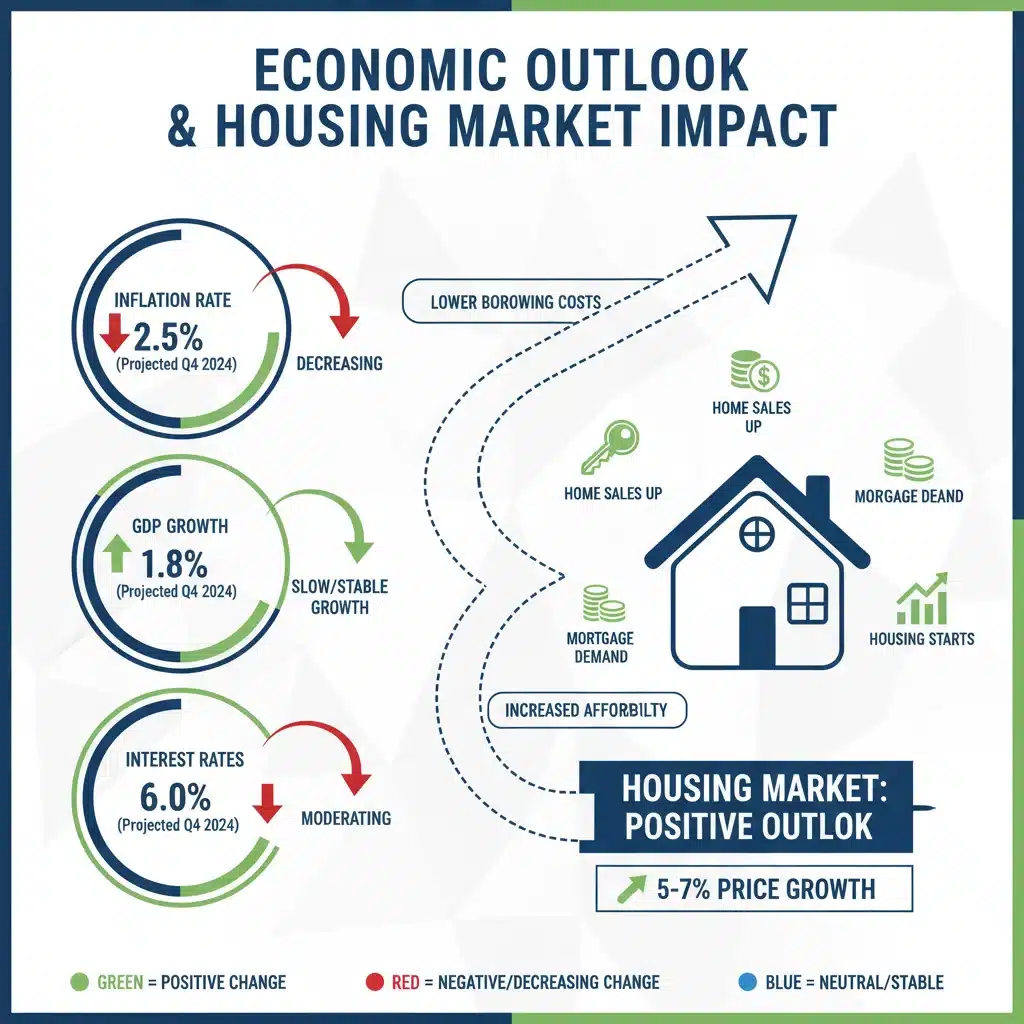
The prospect of a 6% increase in U.S. mortgage rates by 2026 is indeed a critical economic indicator that demands careful attention. Such a shift would fundamentally alter the dynamics of the 2026 Housing Market, making affordability a more pressing concern for buyers, potentially cooling demand, and influencing inventory levels. While it would undoubtedly create headwinds, it also signifies a move towards a more normalized market environment after years of unprecedented low rates.
For prospective homebuyers, meticulous financial planning and realistic expectations will be paramount. For sellers, strategic pricing and a willingness to adapt to a less frenzied market will be essential. Investors will need to refine their models to account for higher borrowing costs and seek out value in a more competitive landscape. Ultimately, the 2026 Housing Market will be characterized by greater equilibrium, requiring all participants to be agile, well-informed, and prepared for a different economic reality.
Staying abreast of inflation data, Federal Reserve policy, and broader economic trends will be crucial for anyone involved in real estate. The journey to 2026 promises to be an interesting one for the housing market, and understanding the potential impact of a 6% mortgage rate is the first step in navigating its complexities successfully.
Author