Mastering Digital Interviews: Land Your Dream US Job in 2026
Mastering Digital Interviews: Land Your Dream US Job in 2026
The global pandemic irrevocably reshaped the landscape of job searching, thrusting digital interviews into the spotlight as the primary gateway to career opportunities. As we look towards 2026, this trend is not only here to stay but continues to evolve, demanding a refined set of skills from job seekers. For those aspiring to land a dream job in the United States, mastering the art of the digital interview success is no longer an option but a necessity. This comprehensive guide will equip you with the knowledge and strategies to excel in your virtual interviews, ensuring you make a lasting impression and secure your desired role.
The shift to remote and hybrid work models has made the digital interview an indispensable tool for recruiters across various industries. Companies are increasingly recognizing the efficiency and broader talent pool accessible through virtual hiring processes. This means that your ability to present yourself effectively through a screen, convey your personality, and demonstrate your skills digitally will be paramount. Understanding the nuances of this format, from technical preparations to communication strategies, is the cornerstone of achieving digital interview success.
In this article, we will delve into critical aspects of preparing for and acing your digital interviews for US-based positions. We’ll cover everything from technical setup and environmental control to non-verbal communication and follow-up strategies. By the end of this read, you will have a clear roadmap to navigate the complexities of virtual hiring and emerge as a top candidate.
Understanding the Evolving Digital Interview Landscape in 2026
The year 2026 brings with it further advancements in interview technology and expectations. While the core principles of interviewing remain, the digital format has introduced new layers of complexity and opportunity. Recruiters are now more accustomed to virtual interactions and expect candidates to be equally proficient. This means that a casual approach to your digital presence simply won’t cut it. The emphasis is on professionalism, preparedness, and the ability to connect authentically through a digital medium.
The Rise of AI and Automated Screening Tools
One significant evolution is the increased integration of Artificial Intelligence (AI) and automated screening tools. Many companies now use AI-powered platforms for initial video screenings, analyzing everything from your tone of voice and facial expressions to keyword usage. While this can seem daunting, understanding how these tools work can give you an edge. Practice speaking clearly, maintaining good eye contact with your camera, and using keywords relevant to the job description. This early stage of the interview process is crucial for achieving initial digital interview success.
Hybrid Interview Models
Another trend is the emergence of hybrid interview models, where some stages might be virtual, and others in-person. Even if your final interview is in person, the initial stages are highly likely to be digital. This reinforces the importance of mastering virtual communication skills. Each digital interaction is a chance to showcase your adaptability and technical proficiency, qualities highly valued in today’s workforce.
Tip 1: Master Your Technical Setup and Environment
The first impression in a digital interview is often technical. A glitchy connection, poor audio, or distracting background can derail your chances before you even speak. Ensuring a flawless technical setup is fundamental to digital interview success.
Reliable Internet Connection
This is non-negotiable. A stable, high-speed internet connection is paramount. If possible, use a wired Ethernet connection rather than Wi-Fi to minimize latency and dropped signals. Test your connection well in advance of the interview. Have a backup plan, such as a mobile hotspot, in case of unexpected outages.
High-Quality Audio and Video
Invest in a good quality webcam and a headset with a microphone. Built-in laptop microphones can pick up ambient noise and often sound muffled. A dedicated headset ensures clear audio for both you and the interviewer. Position your webcam at eye level to simulate natural eye contact. Use books or a monitor stand to raise your laptop if necessary.
Lighting is Key
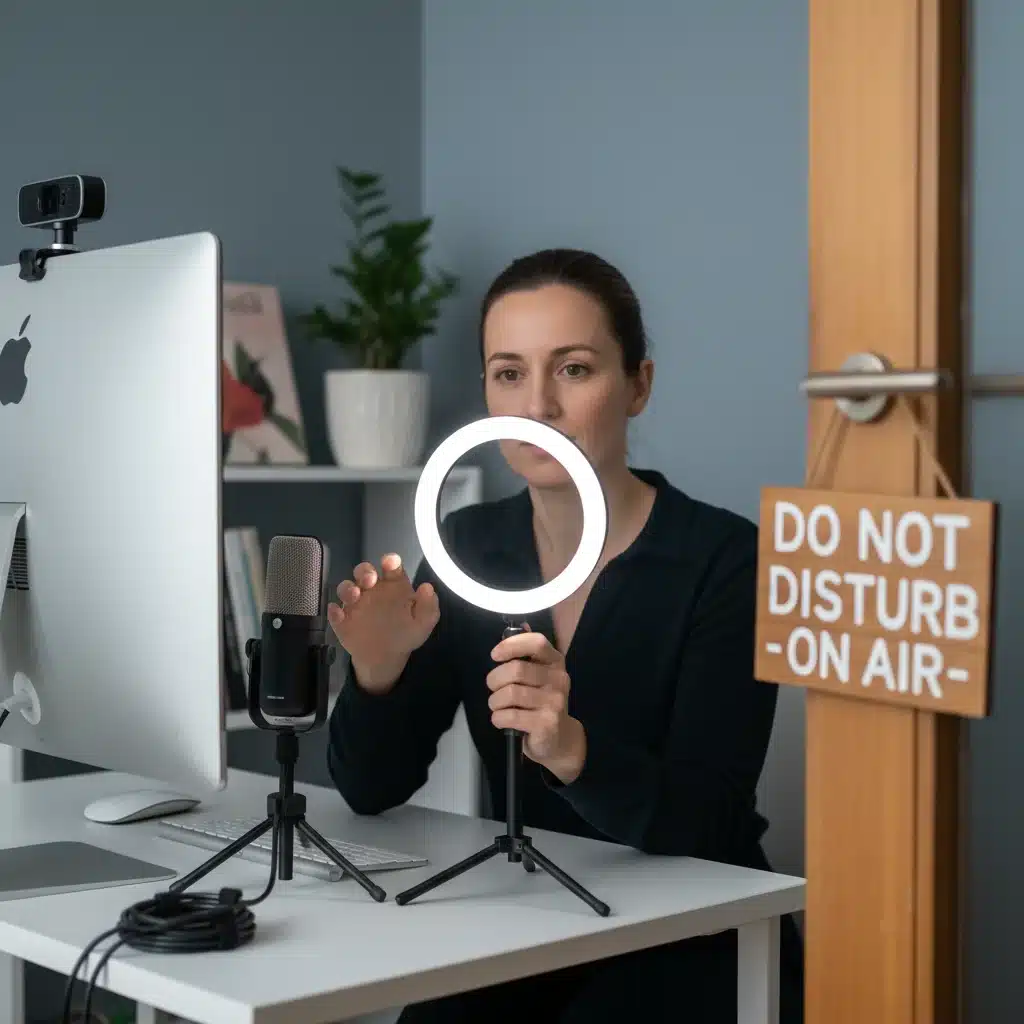
Good lighting can dramatically improve your video quality. Avoid backlighting, which will make you appear as a silhouette. Position yourself facing a window or use a soft, diffused light source in front of you. Ring lights are an affordable and effective solution for professional lighting.
Professional Background
Your background should be clean, uncluttered, and professional. A plain wall is ideal. If you must use a virtual background, ensure it is static, professional, and doesn’t distort your image. Test it thoroughly beforehand. Remove any distracting items that might draw the interviewer’s attention away from you. This attention to detail contributes significantly to your overall presentation and digital interview success.
Minimize Distractions
Inform household members about your interview schedule to minimize interruptions. Turn off notifications on your phone and computer. Close unnecessary tabs and applications to free up bandwidth and prevent pop-ups. A quiet, uninterrupted environment allows you to focus entirely on the conversation.
Tip 2: Practice Your Digital Presence and Non-Verbal Cues
In a digital interview, your non-verbal cues are magnified. Without the full context of a physical room, interviewers rely heavily on what they can see and hear through the screen. Cultivating a strong digital presence is crucial for digital interview success.
Eye Contact with the Camera
It feels unnatural, but try to look directly into your webcam as much as possible, especially when speaking. This simulates direct eye contact and conveys confidence and engagement. If you need to look at notes, keep them close to the camera lens so your gaze doesn’t shift too drastically.
Body Language and Posture
Sit up straight with your shoulders back. Lean slightly forward to show engagement. Avoid fidgeting or slouching. Use hand gestures naturally, but avoid overly animated movements that might be distracting. Your body language should communicate attentiveness and enthusiasm.
Facial Expressions
Smile! A genuine smile can make you appear approachable and enthusiastic. Practice maintaining a pleasant and engaged expression throughout the interview. Nod occasionally to show you are listening and understanding. These subtle cues are vital for building rapport in a digital setting and are key to digital interview success.
Dress for Success
Just because you’re at home doesn’t mean you should dress casually. Dress as you would for an in-person interview – professional attire from head to toe. This not only makes a good impression on the interviewer but also helps you get into the right mindset for the interview.
Practice Recording Yourself
Record yourself answering common interview questions. Review the footage to identify areas for improvement in your lighting, audio, eye contact, and body language. This self-assessment is incredibly valuable for refining your digital presence.
Tip 3: Prepare Thoroughly and Strategically
Preparation is the bedrock of any successful interview, and digital interviews are no exception. In fact, the digital format might require even more meticulous planning. Strategic preparation is a major component of digital interview success.
Research the Company and Role Extensively
Go beyond the basics. Understand the company’s mission, values, recent news, and market position. Identify key projects or initiatives that align with your skills. For the role, thoroughly analyze the job description, identifying core competencies and responsibilities. Tailor your answers to demonstrate how your experience directly addresses their needs.
Anticipate Questions and Prepare STAR Stories
Prepare for common behavioral and technical questions. Use the STAR (Situation, Task, Action, Result) method to structure your answers, providing concrete examples of your skills and achievements. Have 5-7 compelling stories ready that showcase your problem-solving abilities, teamwork, leadership, and resilience. This structured approach helps ensure clarity and impact in your responses, crucial for digital interview success.
Have Your ‘Why’ Ready
Be prepared to articulate why you are interested in this specific company and role, and why you are the best fit. Your ‘why’ should be genuine and demonstrate a deep understanding of what the company does and how you can contribute.
Prepare Thoughtful Questions for the Interviewer
Asking insightful questions demonstrates your engagement and interest. Prepare 3-5 questions that show you’ve done your research and are thinking critically about the role and company culture. Avoid questions that can be easily answered by a quick search on their website.
Keep Notes Handy (Discreetly)
One advantage of digital interviews is the ability to have discreet notes. Keep a concise bullet-point list of key points you want to cover, questions to ask, and specific achievements you want to highlight. Avoid reading directly from your notes; use them as prompts to keep you on track.
Tip 4: Master Digital Communication and Engagement
Effective communication in a digital setting requires conscious effort. It’s not just about what you say, but how you say it, and how you engage with your interviewer through the screen. This is where true digital interview success is forged.
Speak Clearly and Concisely
Enunciate your words and speak at a moderate pace. Avoid jargon unless you’re certain the interviewer understands it. Practice active listening – really hear what the interviewer is asking before responding. Don’t interrupt; wait for a natural pause.
Active Listening and Engagement
Show you are actively listening by nodding, smiling, and offering verbal affirmations like "I understand" or "That’s a great point." This non-verbal feedback is even more important in a digital setting where visual cues can be limited. Ask clarifying questions if something is unclear. Demonstrate genuine interest in the conversation.
Manage Pauses and Delays
Internet lag can create awkward silences or lead to people talking over each other. Be patient. If there’s a slight delay, wait a moment before responding. If you accidentally interrupt, quickly apologize and invite the other person to continue. This demonstrates professionalism and adaptability.
Convey Enthusiasm Authentically
Enthusiasm is contagious. Let your passion for the role and the company shine through. Use varied vocal tones to avoid sounding monotone. Your energy can translate even through a screen, making a significant impact on your digital interview success.
Be Mindful of Time
Keep an eye on the clock. Be respectful of the interviewer’s time by keeping your answers concise and to the point. If you are asked an open-ended question, provide a focused answer and then pause, allowing the interviewer to guide the conversation further.
Tip 5: Strategic Follow-Up and Post-Interview Etiquette
The interview doesn’t end when you click ‘leave meeting’. A thoughtful and strategic follow-up can reinforce your candidacy and demonstrate your professionalism, cementing your digital interview success.
Send a Prompt Thank-You Note
Within 24 hours of your interview, send a personalized thank-you email to each interviewer. Reiterate your interest in the position and the company. Mention specific points discussed during the interview to show you were attentive and engaged. This personalization makes your thank-you note stand out.
Reiterate Key Qualifications
Use the thank-you note as an opportunity to briefly re-emphasize one or two key qualifications or experiences that directly relate to the job requirements. This reinforces why you are a strong candidate and can address any points you feel you didn’t fully elaborate on during the interview.
Maintain Professionalism
Ensure your follow-up communication is error-free, professional, and concise. Avoid overly informal language or emojis. Your written communication should mirror the professionalism you displayed during the interview.
Be Patient (But Not Passive)
Recruiting processes can take time. If you haven’t heard back within the timeframe specified by the interviewer (or within two weeks if no timeframe was given), a polite follow-up email inquiring about the status of your application is acceptable. Keep it brief and respectful.
Reflect and Learn
After each interview, take time to reflect on what went well and what could be improved. Did you answer all questions effectively? Were there any technical glitches? What could you do differently next time? This continuous learning process is invaluable for long-term digital interview success.
Common Pitfalls to Avoid in Digital Interviews
While focusing on best practices is essential, being aware of common mistakes can help you steer clear of potential missteps that could hinder your digital interview success. Many of these pitfalls are unique to the digital format.
Reading Directly from Notes
While having notes is helpful, reading verbatim from them makes you sound robotic and disengaged. It also prevents you from making natural eye contact. Use notes as prompts, not scripts.
Multitasking During the Interview
It might be tempting to check emails or browse other tabs, but this is immediately noticeable. Your eyes will dart around, and your attention will be divided. Give the interviewer your undivided attention.
Poor Time Management
Joining late, running over time with your answers, or not leaving room for questions can all reflect poorly on your professionalism. Be punctual and mindful of the interview schedule.
Lack of Energy or Enthusiasm
It’s harder to convey energy through a screen. A flat tone or bored expression can be misconstrued as a lack of interest. Consciously project enthusiasm and engagement.
Technical Complacency
Assuming your tech will work perfectly is a risky gamble. Always test everything beforehand. Don’t wait until five minutes before the interview to realize your microphone isn’t working.
Forgetting the Camera is Always On
Remember that you are on camera from the moment the call starts until it ends. Avoid making faces, checking your phone, or doing anything you wouldn’t do in an in-person interview. This sustained awareness is part of achieving complete digital interview success.
The Future of Digital Interviews: What to Expect Beyond 2026
Looking beyond 2026, the digital interview landscape will continue to evolve. We can anticipate even more sophisticated AI tools, potentially including virtual reality (VR) or augmented reality (AR) elements for immersive assessments. Gamified interviews might become more prevalent, testing skills in interactive, simulated environments. The emphasis will increasingly be on demonstrating soft skills like adaptability, emotional intelligence, and critical thinking in a digital context.
Companies will also likely refine their approaches to ensure fairness and reduce bias in AI-driven screenings. For job seekers, this means a continuous need to adapt, learn new technologies, and hone their digital communication prowess. The core principles of preparation, professionalism, and authentic engagement will remain constant, but the tools and platforms for showcasing these qualities will undoubtedly advance.
Embracing these changes with an open mind and a proactive approach will be key to long-term digital interview success in an ever-changing job market.
Conclusion
Securing your dream US job in 2026 largely hinges on your ability to master the digital interview. This isn’t just about answering questions; it’s about presenting a polished, professional, and engaged version of yourself through a screen. From meticulously preparing your technical setup and environment to refining your non-verbal cues and engaging communication style, every detail contributes to your overall impression.
By following the five key tips outlined in this guide – mastering your technical setup, practicing your digital presence, preparing thoroughly, mastering digital communication, and strategic follow-up – you significantly increase your chances of achieving digital interview success. Remember that each digital interaction is an opportunity to showcase your skills, personality, and genuine interest in the role.
The future of work is digital, and your ability to thrive in this environment begins with excelling in your virtual interviews. Approach each opportunity with confidence, preparation, and a keen understanding of the digital medium, and you will be well on your way to landing that coveted US job. Good luck!
Author