U.S. Unemployment Trends 2026: How the Current 3.9% Rate Impacts Job Market Opportunities
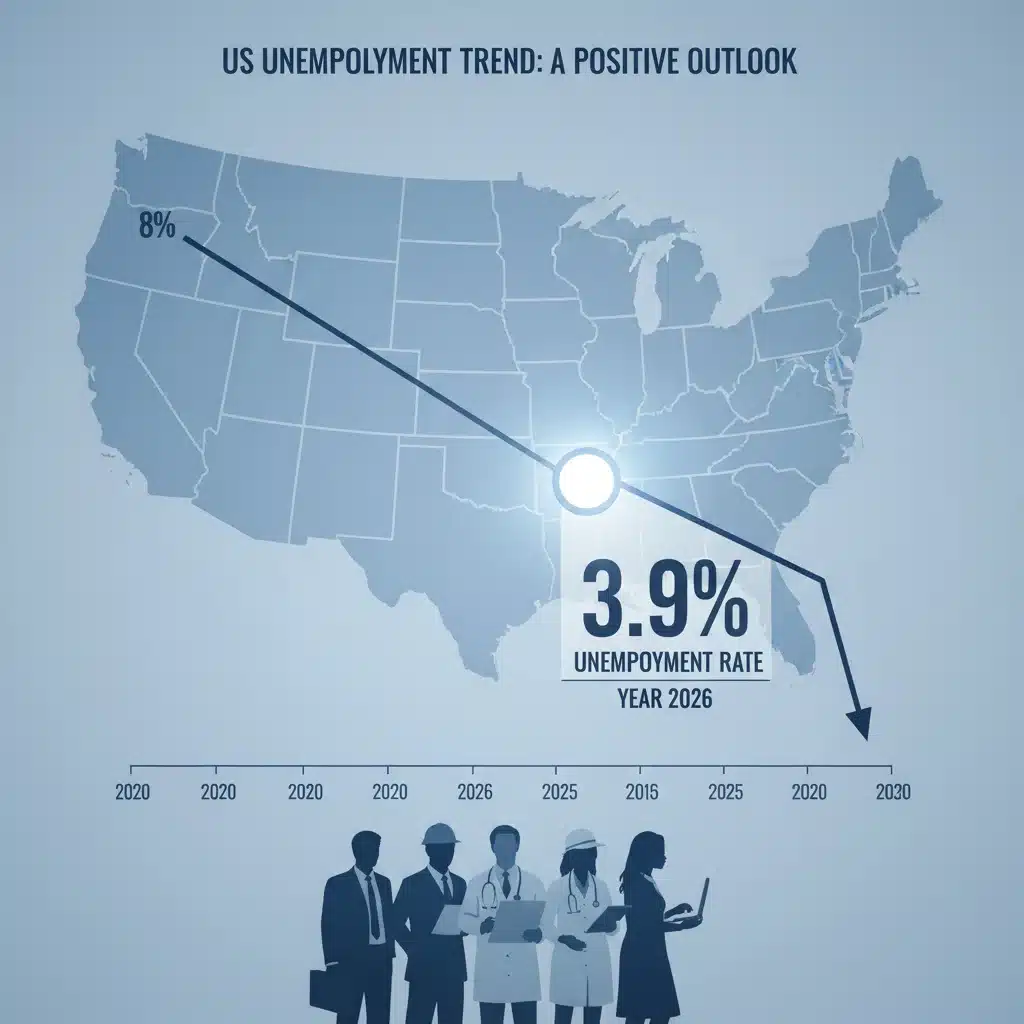
The landscape of employment in the United States is a dynamic and ever-evolving entity, constantly shaped by a myriad of economic, technological, and social forces. As we look ahead to 2026, understanding the projected US unemployment trends becomes paramount for job seekers, employers, policymakers, and economists alike. The current unemployment rate, hovering around 3.9%, offers a crucial snapshot, but its implications for the future job market are far more complex than a single number suggests. This comprehensive analysis will delve into the factors influencing these trends, explore their potential impact on various sectors, and provide strategic insights for navigating the evolving employment landscape.
Understanding the Current Economic Climate and Its Foundations
Before projecting into 2026, it’s essential to grasp the economic conditions underpinning the current 3.9% unemployment rate. This rate, historically low by many standards, reflects a relatively robust labor market characterized by strong consumer demand, corporate investment, and a degree of labor scarcity in certain high-skill areas. However, this stability is not without its nuances. Inflationary pressures, global supply chain disruptions, geopolitical tensions, and the lingering effects of post-pandemic economic adjustments all play a role in shaping the current economic narrative. The Federal Reserve’s monetary policy, particularly interest rate adjustments, also significantly influences borrowing costs for businesses and consumers, thereby affecting hiring decisions and overall economic growth.
Key Economic Indicators Beyond the Unemployment Rate
While the unemployment rate is a headline figure, a holistic understanding of US unemployment trends requires examining other vital economic indicators. These include:
- Labor Force Participation Rate: This metric indicates the percentage of the working-age population that is either employed or actively looking for work. Fluctuations here can reveal underlying structural issues or demographic shifts.
- Wage Growth: Sustained wage growth is crucial for consumer spending and economic health. Stagnant wages, even with low unemployment, can signal a lack of upward mobility or inflationary pressures eroding purchasing power.
- Job Openings and Hires: The number of available jobs and actual hires provides insight into employer demand and the efficiency of the job matching process. A high number of job openings coupled with low unemployment can indicate skills gaps.
- Underemployment: This refers to individuals working part-time who desire full-time employment, or those working in jobs below their skill level. High underemployment can mask the true health of the labor market.
- Inflation and Interest Rates: These macroeconomic factors directly influence business investment and consumer spending, which in turn affect hiring and job creation.
Analyzing these indicators in conjunction with the headline unemployment rate provides a more nuanced picture of the current economic health and helps in forecasting future US unemployment trends for 2026.
Forecasting US Unemployment Trends for 2026: What to Expect
Projecting US unemployment trends for 2026 involves considering a confluence of factors that could either bolster or challenge the current low rate. Economic forecasts are inherently uncertain, but several key drivers can help us anticipate the future employment landscape.
Technological Advancements and Automation
The relentless march of technology, particularly in artificial intelligence, automation, and robotics, will continue to be a dominant force shaping the job market. While some fear widespread job displacement, history suggests a more complex outcome: technology often creates new jobs even as it transforms existing ones. For 2026, we can expect continued automation in manufacturing, logistics, and administrative tasks. However, this will likely be balanced by an increased demand for roles in AI development, data science, cybersecurity, and roles requiring uniquely human skills such as creativity, critical thinking, and emotional intelligence. The impact on US unemployment trends will depend heavily on the adaptability of the workforce and the effectiveness of reskilling initiatives.
Demographic Shifts and Labor Supply
Demographics play a significant role in labor supply. An aging population means a growing number of retirements, potentially leading to labor shortages in certain sectors. Immigration policies also influence the availability of workers. For 2026, the ongoing retirement of baby boomers will continue to exert pressure on the labor supply, especially in skilled trades and healthcare. This demographic shift could keep unemployment rates relatively low, assuming demand remains stable, but it could also exacerbate skills gaps if not adequately addressed through training and recruitment.

Global Economic Conditions and Geopolitical Stability
The US economy does not exist in a vacuum. Global economic growth, trade relations, and geopolitical stability significantly influence domestic employment. A slowdown in major global economies, increased trade protectionism, or significant geopolitical conflicts could disrupt supply chains, reduce export demand, and dampen business investment, all of which could push US unemployment trends upwards. Conversely, a period of global stability and robust international trade could further strengthen the US job market.
Policy Decisions: Fiscal and Monetary
Government fiscal policy (spending and taxation) and the Federal Reserve’s monetary policy (interest rates and money supply) are powerful tools that can influence employment. In 2026, decisions regarding infrastructure spending, investments in green energy, tax reforms, and the Fed’s approach to inflation control will all have direct implications for job creation and stability. For instance, substantial government investment in new industries could stimulate job growth, while aggressive interest rate hikes to combat inflation could slow economic activity and potentially lead to higher unemployment.
Impact on Job Market Opportunities Across Sectors
The projected US unemployment trends for 2026 will not affect all industries equally. Some sectors are poised for growth, while others may face significant transformations or contractions.
Growth Sectors
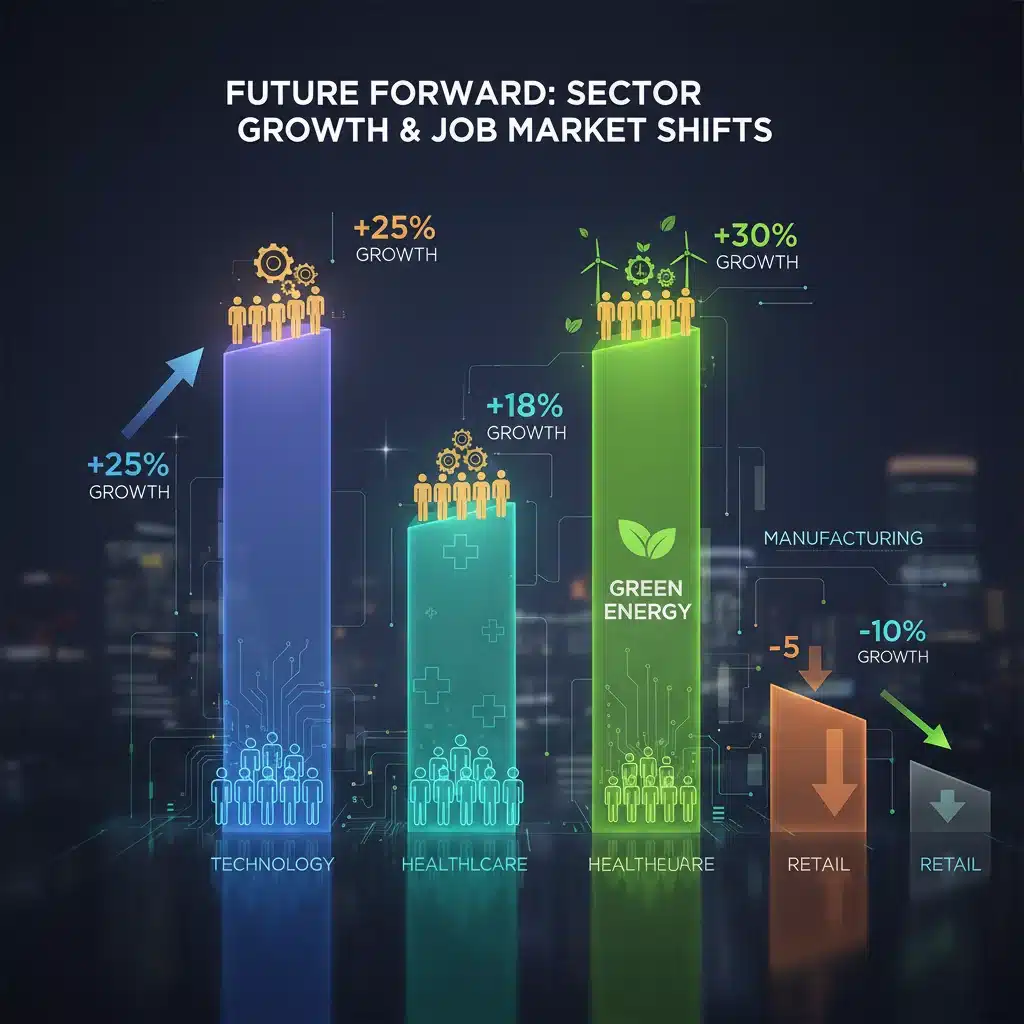
- Technology and AI: This sector is expected to continue its robust growth. Roles in AI engineering, machine learning, data science, cybersecurity, cloud computing, and software development will remain in high demand. Companies will increasingly invest in AI solutions, creating new opportunities for those with specialized skills.
- Healthcare and Social Assistance: Driven by an aging population and advancements in medical technology, this sector will see sustained demand for nurses, doctors, therapists, home health aides, and medical researchers. The need for personalized care and mental health services will also contribute to job growth.
- Renewable Energy and Green Technology: As the world shifts towards sustainable practices, jobs in renewable energy installation, maintenance, research, and development (solar, wind, geothermal) are projected to expand significantly. This sector will be a key driver of new job creation.
- Logistics and Supply Chain Management: The complexities of global trade and e-commerce will continue to fuel demand for professionals in logistics, supply chain analytics, and operations management.
Transforming and Challenged Sectors
- Manufacturing: While advanced manufacturing will see growth in high-skill areas, traditional manufacturing roles may continue to be impacted by automation and offshoring. The focus will be on highly skilled technicians capable of operating and maintaining advanced machinery.
- Retail: The shift to e-commerce will continue to transform the retail sector. While online retail will create jobs in logistics and digital marketing, brick-and-mortar retail may see further consolidation and a focus on experiential shopping, requiring different skill sets from employees.
- Administrative and Office Support: Many routine administrative tasks are prime candidates for automation through AI and robotic process automation. This could lead to a decline in demand for some traditional office support roles, necessitating a pivot towards roles requiring more complex problem-solving and interpersonal skills.
- Transportation: The advent of autonomous vehicles could significantly impact the transportation sector, particularly for truck drivers and taxi services. While the full impact by 2026 might not be complete, the trend towards automation will be undeniable.
Skills for the Future: Adapting to Evolving Job Market Opportunities
Given the projected US unemployment trends and the evolving nature of work, certain skills will become increasingly valuable. For individuals and organizations, investing in these areas will be crucial for success.
In-Demand Hard Skills
- Data Literacy and Analytics: The ability to collect, interpret, and make decisions based on data will be essential across almost all industries.
- Artificial Intelligence and Machine Learning: Understanding and applying AI technologies, from development to implementation and ethical considerations.
- Cybersecurity: With increasing digital threats, expertise in protecting data and systems will be paramount.
- Cloud Computing: Proficiency in cloud platforms (AWS, Azure, Google Cloud) for infrastructure, development, and data management.
- Green Technologies: Skills related to renewable energy, sustainability, and environmental engineering.
Crucial Soft Skills
- Critical Thinking and Problem-Solving: The ability to analyze complex situations and develop innovative solutions will be highly valued.
- Creativity and Innovation: As routine tasks are automated, human creativity will become a key differentiator.
- Adaptability and Flexibility: The capacity to learn new skills and adjust to changing work environments will be vital.
- Emotional Intelligence: Understanding and managing one’s own emotions, and those of others, is crucial for effective collaboration and leadership.
- Collaboration and Teamwork: Working effectively in diverse and often remote teams will be a fundamental requirement.
- Communication: Clear and effective communication, both written and verbal, remains indispensable.
Strategies for Job Seekers in 2026
Navigating the 2026 job market, shaped by emerging US unemployment trends, requires a proactive and strategic approach. Job seekers who anticipate these changes and prepare accordingly will be best positioned for success.
Continuous Learning and Upskilling
The days of a single career path defined by an initial degree are largely over. Lifelong learning is now a necessity. Job seekers should actively pursue opportunities for upskilling and reskilling through online courses, certifications, bootcamps, and vocational training programs. Focus on acquiring skills that are projected to be in high demand, particularly in technology, data, and green sectors. Micro-credentials and demonstrable project-based experience are becoming increasingly valuable.
Networking and Personal Branding
In a competitive market, strong professional networks and a well-defined personal brand can make a significant difference. Attend industry events, join professional organizations, engage on platforms like LinkedIn, and cultivate relationships with mentors and peers. Your personal brand should clearly articulate your unique value proposition and the skills you bring to the table.
Embrace Remote and Hybrid Work Models
The shift towards remote and hybrid work is likely to continue, offering both challenges and opportunities. Develop skills in virtual collaboration tools, independent work management, and digital communication. Being open to remote positions can significantly broaden your job search geographically and increase your options.
Consider Niche Markets and Entrepreneurship
As industries transform, new niche markets emerge. Research these areas for untapped opportunities. Furthermore, with the rise of the gig economy and readily available digital tools, entrepreneurship and freelancing offer viable career paths for those with the right skills and mindset. This can provide flexibility and control over one’s career trajectory, independent of traditional US unemployment trends.
Implications for Employers and Policymakers
The projected US unemployment trends for 2026 also present significant considerations for employers and policymakers.
For Employers: Attracting and Retaining Talent
Employers will face continued challenges in attracting and retaining skilled talent, especially in high-growth sectors. Strategies will need to include:
- Competitive Compensation and Benefits: Offering attractive salary packages, comprehensive health benefits, and retirement plans will remain crucial.
- Investment in Employee Development: Providing opportunities for continuous learning, upskilling, and career advancement will not only retain talent but also ensure the workforce remains relevant.
- Flexible Work Arrangements: Embracing remote, hybrid, and flexible schedules can enhance employee satisfaction and broaden the talent pool.
- Cultivating a Positive Work Culture: A strong company culture that prioritizes employee well-being, diversity, equity, and inclusion will be a significant differentiator.
- Leveraging Technology for Recruitment: Utilizing AI-powered recruitment tools and data analytics to efficiently identify and attract suitable candidates.
For Policymakers: Fostering a Resilient Workforce
Policymakers have a critical role in shaping the future of work and mitigating potential negative impacts of evolving US unemployment trends. Key areas of focus should include:
- Investing in Education and Training: Funding and promoting vocational training, community colleges, and lifelong learning initiatives to equip the workforce with in-demand skills.
- Supporting Small Businesses: Creating an environment conducive to small business growth, as they are often significant job creators.
- Addressing Skills Gaps: Collaborating with industries to identify future skill needs and developing targeted programs to address these gaps.
- Ensuring Social Safety Nets: Strengthening unemployment benefits, healthcare access, and other social programs to provide a safety net during periods of economic transition.
- Promoting Innovation: Investing in research and development to foster new industries and job creation.
- Adapting Immigration Policies: Reviewing immigration policies to ensure they meet the labor demands of a growing economy.
Conclusion: Navigating the Future of Work with Foresight
The projected US unemployment trends for 2026, building on the current 3.9% rate, point towards a labor market characterized by ongoing transformation. While the overall unemployment rate may remain relatively low, underlying shifts in technology, demographics, and global economics will redefine job roles and demand new skill sets. For individuals, this necessitates a commitment to continuous learning, adaptability, and strategic career planning. For employers, it means investing in their workforce, fostering inclusive cultures, and embracing flexibility. For policymakers, the challenge lies in creating supportive frameworks that enable a resilient, skilled, and adaptable workforce capable of thriving in the economy of tomorrow.
By understanding these complex dynamics and taking proactive steps, we can collectively navigate the evolving job market, turning potential challenges into opportunities for growth and prosperity for all Americans.