US Inflation Forecast Q1 2026: 3.5% Rate Impact on Purchasing Power
The Latest U.S. Inflation Forecast for Q1 2026: What a 3.5% Rate Means for Your Purchasing Power
As we look ahead to the first quarter of 2026, economic projections are beginning to crystallize, offering a glimpse into the financial landscape that awaits us. Among the most critical figures for consumers, businesses, and investors alike is the US inflation forecast. Current analyses suggest a projected inflation rate of 3.5% for Q1 2026. While this might seem like a mere statistic, its implications for your purchasing power are profound and far-reaching. Understanding this US inflation forecast is not just an academic exercise; it’s a vital step in safeguarding your financial future.
Inflation, at its core, is the rate at which the general level of prices for goods and services is rising, and subsequently, the purchasing power of currency is falling. A 3.5% US inflation forecast for Q1 2026 means that, on average, the same basket of goods and services that cost $100 at the beginning of 2025 will cost approximately $103.50 by the end of Q1 2026. This seemingly small percentage can erode savings, impact investment returns, and necessitate adjustments in budgeting and financial planning for every household and business in the United States.
This comprehensive guide will delve into the various facets of this US inflation forecast, exploring the factors contributing to it, its specific impacts on different sectors, and most importantly, actionable strategies you can employ to protect and even enhance your purchasing power. From understanding the underlying economic forces to making informed investment decisions, we will equip you with the knowledge needed to navigate the financial environment of Q1 2026 and beyond.
Understanding the US Inflation Forecast: What Drives a 3.5% Rate?
To grasp the significance of a 3.5% US inflation forecast, it’s essential to first understand the mechanisms that drive inflation. Numerous factors contribute to price increases, and a combination of these is likely to be at play leading into Q1 2026.
Supply Chain Dynamics and Global Events
One of the most persistent drivers of inflation in recent years has been disruptions in global supply chains. Geopolitical tensions, natural disasters, and unforeseen events can all lead to bottlenecks in production and distribution, driving up the cost of raw materials and finished goods. If these issues persist or new ones emerge, they will undoubtedly contribute to the US inflation forecast. For instance, a disruption in a key manufacturing region could send ripples across various industries, from electronics to automotive, directly impacting consumer prices.
Consumer Demand and Economic Growth
A robust economy with strong consumer demand can also be a significant inflationary factor. When people have more disposable income and confidence in the economy, they tend to spend more. This increased demand, if not met by an equivalent increase in supply, can push prices upwards. The US inflation forecast for Q1 2026 will heavily depend on the trajectory of economic growth and consumer spending habits in the preceding quarters. Government stimulus packages or sustained wage growth could fuel this demand-side inflation.
Monetary Policy and the Federal Reserve
The Federal Reserve plays a crucial role in managing inflation through its monetary policy. Interest rates, quantitative easing, and other tools are used to either stimulate or cool down the economy. If the Fed maintains an accommodative stance (lower interest rates, increased money supply), it can contribute to inflationary pressures. Conversely, a hawkish stance (higher interest rates, reduced money supply) aims to curb inflation. The US inflation forecast for Q1 2026 will reflect the market’s expectation of the Fed’s actions in the preceding months, balancing economic growth with price stability.
Wage Growth and Labor Costs
Rising wages, while beneficial for workers, can also contribute to inflation. When businesses face higher labor costs, they often pass these costs on to consumers in the form of higher prices for their goods and services. This phenomenon is sometimes referred to as a ‘wage-price spiral.’ The state of the labor market, including unemployment rates and average wage increases, will be a critical component in shaping the US inflation forecast.
Energy Prices
Energy costs are a foundational element of almost every industry. Fluctuations in oil prices and gas prices, whether due to geopolitical events, production cuts, or increased demand, can have a pervasive impact on inflation. Higher energy prices translate to higher transportation costs, manufacturing costs, and ultimately, higher prices for consumers. The stability of global energy markets will be a key determinant of the US inflation forecast for Q1 2026.
The Direct Impact on Your Purchasing Power
A 3.5% US inflation forecast means that your money will buy less than it does today. This erosion of purchasing power affects various aspects of your daily life and long-term financial planning.
Everyday Expenses
The most immediate and noticeable impact of inflation is on the cost of everyday goods and services. Groceries, gasoline, utilities, and even the price of a cup of coffee are likely to increase. For a household with a fixed income or wages that don’t keep pace with inflation, this means a tighter budget and potentially difficult choices. The 3.5% US inflation forecast highlights the need for careful budgeting and an understanding of where your money is going.
Housing Costs
Housing, whether rented or owned, is a significant expense for most individuals and families. Inflation can lead to increased rents, higher property taxes, and elevated maintenance costs for homeowners. For those looking to buy, rising interest rates – often a response to inflation – can make mortgages more expensive, reducing affordability. The US inflation forecast will play a role in the housing market’s dynamics.
Transportation
Beyond the direct cost of gasoline, inflation impacts car prices, insurance premiums, and public transportation fares. Maintaining a vehicle becomes more expensive, and commuting costs rise, further straining household budgets. This is a critical area where the 3.5% US inflation forecast can directly hit your wallet.
Healthcare
Healthcare costs have historically outpaced general inflation. A sustained period of inflation, even at 3.5%, could exacerbate this trend, leading to higher insurance premiums, co-pays, and prescription drug prices. Planning for healthcare expenses becomes even more crucial in an inflationary environment.
Education
The cost of higher education, including tuition fees, textbooks, and living expenses for students, is also susceptible to inflationary pressures. Families saving for college will find that their savings may not stretch as far as originally anticipated, emphasizing the importance of inflation-adjusted savings goals.
Investment Implications of a 3.5% US Inflation Forecast
Inflation significantly impacts investment portfolios. What might seem like a good return in nominal terms could be considerably less impressive after accounting for the erosion of purchasing power. A 3.5% US inflation forecast demands a review of your investment strategies.
Fixed-Income Investments
Bonds and other fixed-income investments are particularly vulnerable to inflation. If a bond pays a fixed interest rate of, say, 2%, and inflation is 3.5%, the real return on that investment is negative. This means your money is losing purchasing power over time. Investors in fixed-income assets need to consider inflation-protected securities (TIPS) or shorter-duration bonds to mitigate this risk.
Equity Markets
The impact of inflation on stocks is more nuanced. Some companies can pass on rising costs to consumers, maintaining profit margins and potentially benefiting from higher nominal revenues. Others, particularly those in highly competitive industries or with significant fixed costs, may struggle. Growth stocks can sometimes be more vulnerable if higher interest rates (used to combat inflation) make their future earnings less valuable. Value stocks, particularly those in sectors with pricing power, might fare better. 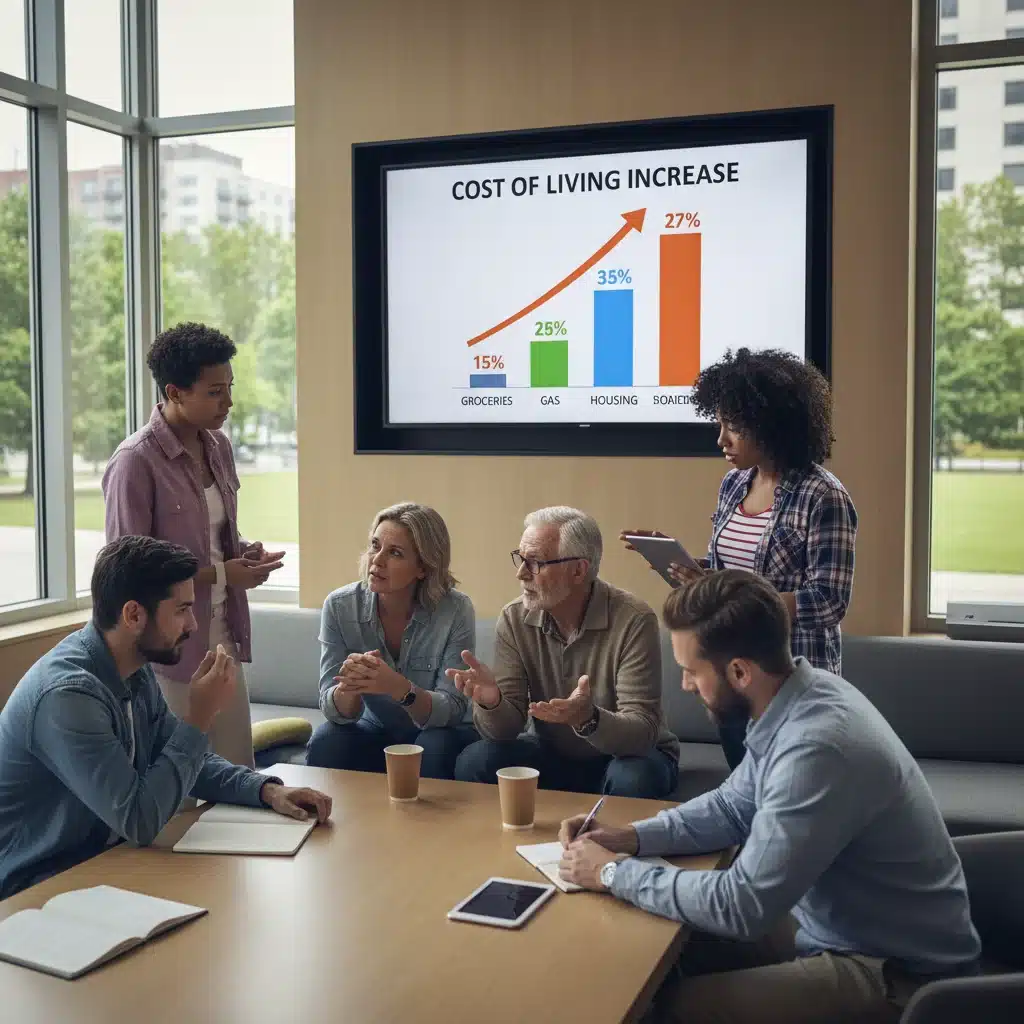
Real Estate
Real estate is often considered a hedge against inflation. Property values and rental income tend to rise with inflation, offering a degree of protection for investors. However, rising interest rates can make financing more expensive, potentially cooling demand and moderating price appreciation. The balance between these factors will determine how real estate performs under a 3.5% US inflation forecast.
Commodities
Commodities like gold, silver, and other raw materials are often seen as inflation hedges. As the cost of goods rises, so too do the prices of the materials used to produce them. Investing in commodities or commodity-related funds can be a way to protect against the erosion of purchasing power, though these investments can also be volatile.
Alternative Investments
Consideration of alternative investments, such as private equity, infrastructure, or even certain digital assets, might become more appealing in an inflationary environment. These assets often have different drivers than traditional stocks and bonds and can offer diversification benefits.
Strategies to Protect Your Purchasing Power Amidst a 3.5% US Inflation Forecast
Navigating a period of 3.5% inflation requires proactive financial planning. Here are several strategies to help protect and even grow your purchasing power:
1. Review and Adjust Your Budget
The first step is to thoroughly review your current budget. Identify areas where you can cut back or optimize spending. Track your expenses meticulously to understand where inflation is hitting you hardest. Adjust your budget to reflect the higher costs of goods and services, ensuring you’re not overspending or accumulating debt.
2. Seek Income Growth
If your income is not keeping pace with inflation, your purchasing power will inevitably decline. Explore opportunities for salary increases, negotiate for better compensation, or consider taking on additional income streams. For businesses, this means carefully managing pricing strategies and ensuring that revenue growth outpaces cost increases.
3. Re-evaluate Your Investment Portfolio
As discussed, inflation has varying impacts on different asset classes. Work with a financial advisor to re-evaluate your investment portfolio. Consider increasing your exposure to inflation-hedging assets such as TIPS, certain commodities, or real estate. Diversification across various asset classes remains crucial to mitigate risks.
4. Minimize Cash Holdings
While having an emergency fund is essential, holding excessive amounts of cash in low-interest-bearing accounts during an inflationary period means your money is losing value. Invest any surplus cash in assets that have the potential to grow at or above the rate of inflation.
5. Pay Down High-Interest Debt
Rising interest rates, often a consequence of inflation, can make variable-rate debt more expensive. Prioritize paying down high-interest debt, such as credit card balances, to reduce your financial burden and free up cash flow that can be used to combat inflation’s effects.
6. Invest in Yourself (Skills and Education)
One of the best long-term hedges against inflation is investing in your human capital. Acquiring new skills or furthering your education can lead to higher-paying jobs, making you more resilient to economic fluctuations and ensuring your income grows faster than the cost of living.
7. Consider Long-Term Fixed-Rate Debt
While rising interest rates are a concern, securing long-term fixed-rate debt (like a fixed-rate mortgage) before rates climb significantly can be advantageous. The real value of your debt decreases over time as inflation erodes the purchasing power of the money you repay.
8. Be Mindful of Purchases
In an inflationary environment, making informed purchasing decisions becomes even more critical. Compare prices, look for sales, buy in bulk when practical, and consider generic brands. Delay non-essential purchases if prices are expected to stabilize or fall. 
Broader Economic Implications of a 3.5% US Inflation Forecast
Beyond individual finances, a 3.5% US inflation forecast has significant implications for the broader economy.
Monetary Policy Response
The Federal Reserve will be closely monitoring the US inflation forecast. A sustained 3.5% rate might prompt the Fed to continue or even accelerate its tightening of monetary policy, potentially leading to further interest rate hikes. This could slow economic growth, which is a trade-off often made to bring inflation under control.
Business Planning and Profitability
Businesses will face increased costs for raw materials, labor, and transportation. They will need to carefully manage their pricing strategies to remain competitive while maintaining profitability. Companies with strong pricing power and efficient supply chains are likely to fare better. Those unable to pass on increased costs may see their profit margins squeezed.
International Trade
Inflation can affect a country’s competitiveness in international trade. If US inflation is higher than that of its trading partners, American exports become more expensive, and imports become relatively cheaper. This can impact the balance of trade and the value of the dollar.
Government Spending and Debt
Inflation can impact government finances in several ways. While it can erode the real value of existing government debt (making it easier to repay), it also increases the cost of government programs and services. Policymakers must balance these factors when making fiscal decisions.
The Role of Expectations in the US Inflation Forecast
One often-overlooked aspect of inflation is the role of expectations. If consumers and businesses expect prices to rise, they may adjust their behavior accordingly. Consumers might accelerate purchases to beat future price increases, while businesses might raise prices preemptively. This can create a self-fulfilling prophecy, making inflation more persistent. The Federal Reserve pays close attention to inflation expectations when formulating its policy.
Looking Beyond Q1 2026: Long-Term Inflation Trends
While our focus is on the US inflation forecast for Q1 2026, it’s crucial to consider the longer-term trends. Is the 3.5% rate an anomaly, or does it signal a new era of higher inflation? Factors such as de-globalization, demographic shifts (e.g., an aging workforce), and the transition to green energy could all have long-term inflationary or disinflationary impacts. Understanding these structural changes is vital for sustained financial health.
De-globalization and Reshoring
The trend of companies moving production closer to home (reshoring) or diversifying supply chains away from single points of failure can increase production costs, potentially contributing to higher long-term inflation. While this enhances supply chain resilience, it may come at the cost of cheaper goods previously produced in lower-wage economies.
Demographic Shifts
An aging population in many developed economies can lead to a shrinking workforce relative to the number of retirees. This can create labor shortages and upward pressure on wages, contributing to inflation. Conversely, a larger retiree population may also lead to lower overall consumption, which could be disinflationary.
Energy Transition
The global transition to renewable energy sources, while critical for environmental sustainability, involves significant investment and can initially lead to higher energy costs. As new infrastructure is built and older, cheaper (but dirtier) energy sources are phased out, there could be inflationary pressures in the energy sector, impacting the overall US inflation forecast.
Conclusion: Preparing for the 3.5% US Inflation Forecast
The projected 3.5% US inflation forecast for Q1 2026 is a significant economic indicator that demands attention. It underscores the ongoing challenges of price stability and the importance of proactive financial planning. While inflation erodes purchasing power, understanding its dynamics and implementing sound strategies can help individuals and businesses mitigate its negative effects and even find opportunities.
By reviewing your budget, optimizing investments, seeking income growth, and making informed financial decisions, you can navigate the inflationary environment of Q1 2026 and safeguard your financial well-being. Stay informed, remain adaptable, and consult with financial professionals to tailor strategies that align with your specific circumstances. The future of your purchasing power depends on your preparedness today.
Author