Global Economic Headwinds 2026: Trade Slowdown Impacts US
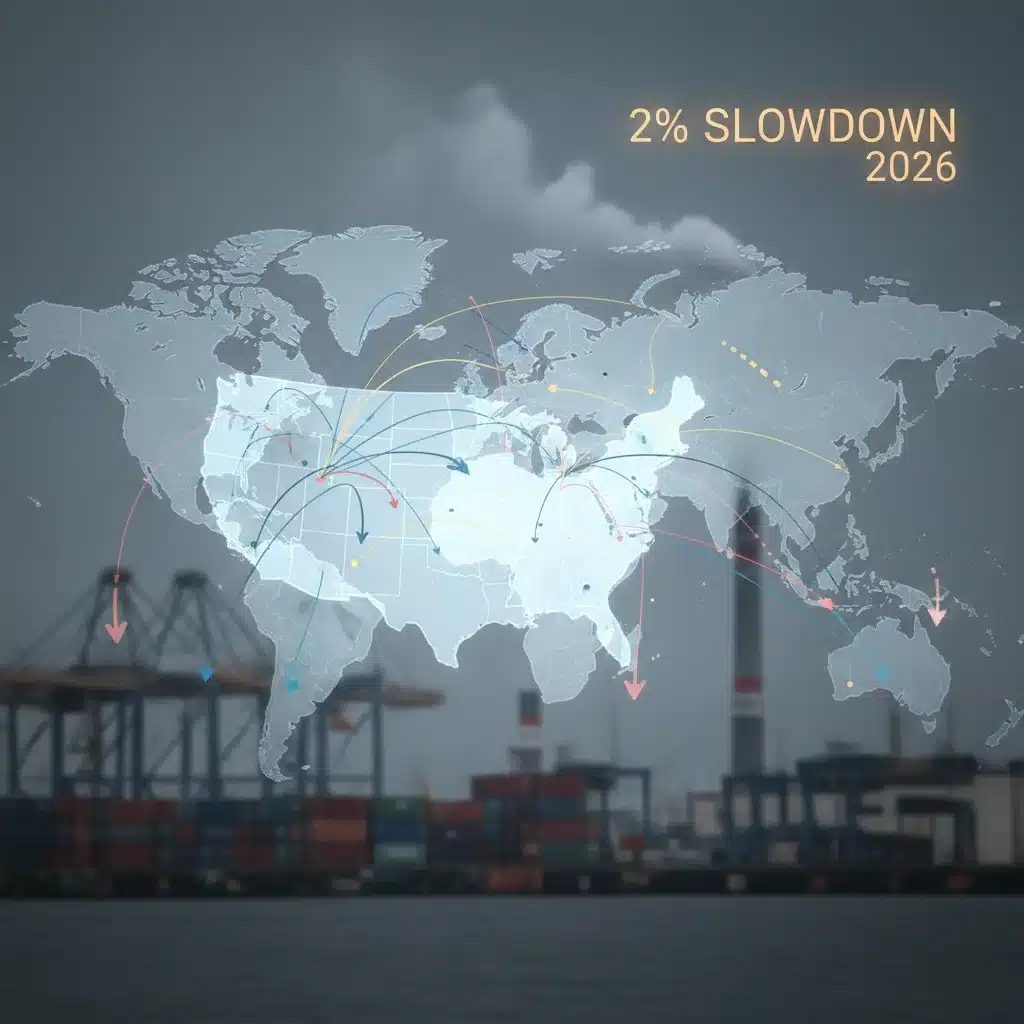
Global Economic Headwinds in 2026: How a 2% Slowdown in International Trade Affects the U.S.
The global economy is a complex, interconnected web, where a minor tremor in one region can send significant ripples across continents. As we look towards 2026, projections suggest a potential 2% slowdown in international trade. While seemingly small, such a deceleration in global trade slowdown can have profound and multifaceted consequences for major economies, none more so than the United States. The U.S., with its vast consumer market, robust industrial base, and deep integration into global supply chains, stands particularly vulnerable to shifts in worldwide commercial activity. Understanding these potential impacts is crucial for policymakers, businesses, and consumers alike to prepare and mitigate the adverse effects.
This article delves into the various channels through which a 2% global trade slowdown could affect the U.S. economy. We will explore the direct and indirect implications across different sectors, analyze the potential for inflationary pressures or deflationary spirals, examine the labor market ramifications, and consider the policy responses available to navigate these challenging economic headwinds. The interconnectedness of modern trade means that even a modest contraction can amplify existing vulnerabilities and create new ones, making proactive analysis and strategic planning indispensable.
Understanding the Mechanism of a Global Trade Slowdown
Before diving into the specific impacts, it’s essential to grasp why a 2% global trade slowdown is significant. International trade is not merely about exchanging goods; it’s a critical engine for economic growth, fostering efficiency, specialization, and innovation. When trade slows, it implies reduced demand for goods and services globally, disruptions in supply chains, and a potential decrease in foreign direct investment. This deceleration can stem from various factors: geopolitical tensions, protectionist policies, reduced consumer demand in major economies, higher transportation costs, or even a global economic recession.
For the U.S., a global trade slowdown directly affects its export-oriented industries. American manufacturers, agricultural producers, and service providers rely heavily on international markets. A decrease in global demand means fewer orders, which translates into lower revenues and potentially reduced production. Furthermore, the U.S. is a major importer. While a slowdown might seem to benefit domestic producers by reducing competition, it can also signal a contraction in global economic activity, which ultimately reduces the purchasing power of key trading partners, thereby shrinking the overall market for U.S. goods and services. The intricate dance between exports and imports, and their contribution to GDP, means that even a slight imbalance can have magnified effects.
The multiplier effect is also a critical consideration. A slowdown in one sector due to reduced trade can cascade through the economy. For example, if manufacturing output declines, it affects suppliers of raw materials, logistics companies, and even local businesses that cater to manufacturing employees. This ripple effect underscores the importance of understanding the comprehensive impact of a global trade slowdown rather than isolating its effects to specific trade figures.
Impact on U.S. Manufacturing and Industrial Output
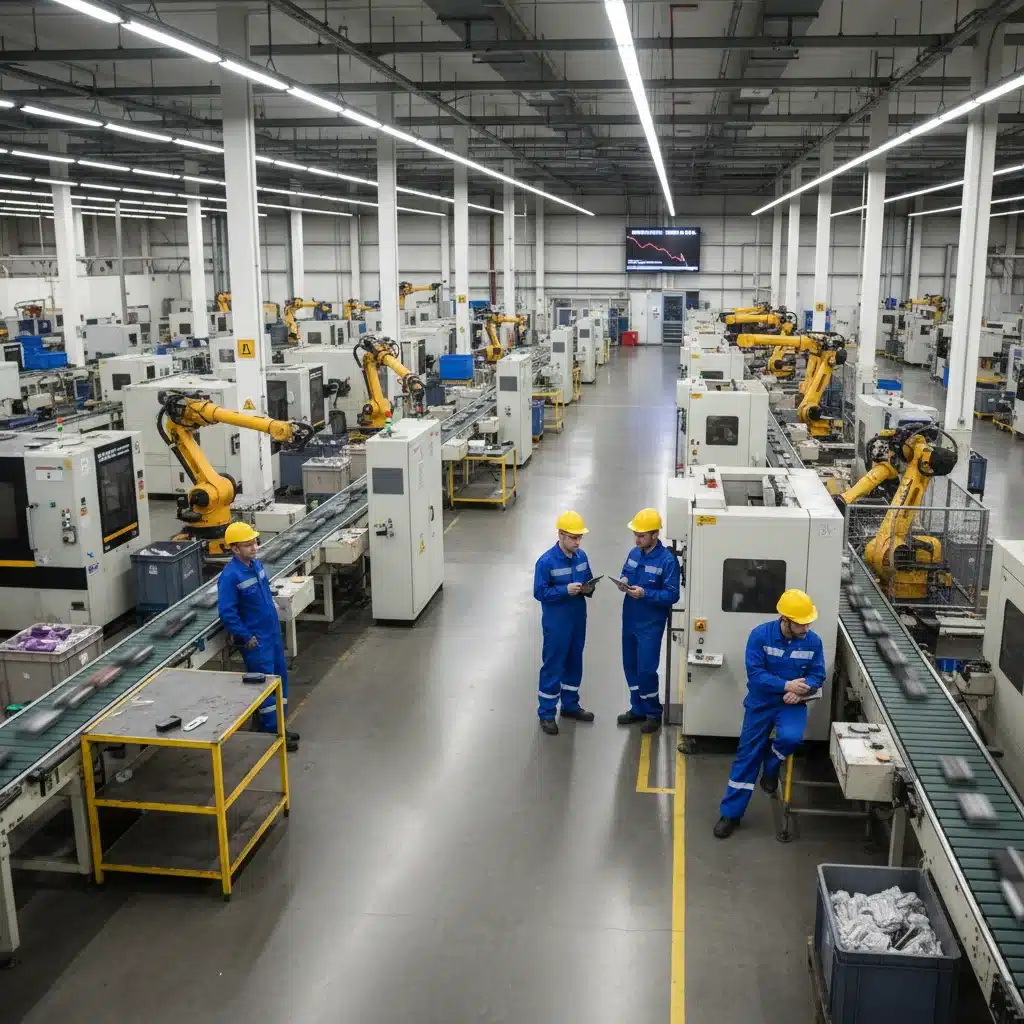
The manufacturing sector is often the first to feel the pinch of a global trade slowdown. Many U.S. industries, from automotive to electronics and machinery, are deeply integrated into global supply chains, both as exporters of finished goods and components, and as importers of raw materials and intermediate products. A 2% reduction in global trade can translate into a more significant percentage drop in specific export categories for U.S. manufacturers.
Reduced demand from international buyers will lead to decreased production schedules, potential factory slowdowns, and even plant closures. This directly impacts employment in these sectors, leading to layoffs or reduced working hours. Furthermore, the competitiveness of U.S. goods in international markets could be hampered if other nations resort to protectionist measures or if currency fluctuations make American products more expensive abroad. The intricate network of suppliers and distributors means that a disruption anywhere in the chain can cause bottlenecks and increase costs for U.S. producers, even if their direct exports remain stable.
Consider the automotive industry, which relies on a global network for parts and components. A slowdown in trade could mean delays in receiving critical parts, forcing production cuts. Similarly, technology companies that export high-value components might see their order books shrink as international consumer and business spending tightens. The steel and aluminum industries, often at the forefront of trade disputes, could face reduced global demand, impacting their output and profitability. The long-term implications include reduced investment in research and development, slower adoption of new technologies, and a general dampening of innovation as companies prioritize cost-cutting over growth initiatives.
Agricultural Sector Vulnerabilities
The U.S. agricultural sector is a significant exporter, with a substantial portion of its production destined for international markets. A global trade slowdown poses considerable risks to American farmers. Countries facing economic contraction due to reduced trade might scale back their food imports, prioritizing domestic production or seeking cheaper alternatives. This reduced demand can lead to lower commodity prices for U.S. agricultural products, squeezing farmers’ already thin profit margins.
Trade barriers, such as tariffs or quotas, which often accompany periods of economic nationalism, could further exacerbate the situation. If key export markets become less accessible, American farmers would face surpluses, driving down prices domestically and potentially leading to significant financial distress. The ripple effect extends beyond the farm gate, impacting agricultural equipment manufacturers, fertilizer suppliers, and rural economies that depend heavily on agricultural prosperity. For instance, soybeans, corn, and wheat are major U.S. exports. A dip in demand from China or Europe due to their own economic struggles could have devastating consequences for American farmers, who have often borne the brunt of trade disputes.
Furthermore, the agricultural sector is susceptible to non-tariff barriers, such as sanitary and phytosanitary measures, which can be used to restrict imports during times of economic stress. These measures, while ostensibly for health and safety, can effectively reduce trade flows. The U.S. Department of Agriculture closely monitors these trends, but the ability to counteract widespread protectionism can be limited. The long-term effects could include a shift in crop patterns, reduced investment in agricultural technology, and increased consolidation within the farming industry as smaller farms struggle to survive.
Supply Chain Disruptions and Resilience
The COVID-19 pandemic highlighted the fragility of global supply chains. A 2% global trade slowdown could reintroduce or exacerbate similar vulnerabilities. Reduced trade volumes might lead to fewer shipping routes, increased transit times, and higher logistics costs as carriers consolidate services. This can create bottlenecks and delays, impacting the timely delivery of goods and components to U.S. businesses and consumers.
Companies that rely on just-in-time inventory management systems could find themselves particularly exposed. Delays in receiving critical parts can halt production lines, leading to lost revenue and increased operational costs. Moreover, a slowdown in trade can reduce the diversity of suppliers, making companies more reliant on fewer sources and thus more vulnerable to disruptions from any single point of failure. The drive for supply chain resilience, which gained traction post-pandemic, might accelerate further as businesses seek to de-risk their operations by diversifying suppliers, nearshoring, or reshoring production, though these strategies often come with higher costs.
The U.S. economy’s reliance on global supply chains for everything from consumer electronics to pharmaceuticals means that these disruptions can have widespread effects. A shortage of a particular component, for example, could impact multiple industries simultaneously. The increased uncertainty in global trade also makes long-term planning more difficult for businesses, potentially leading to delayed investments and slower economic growth. The ability of U.S. businesses to adapt and build more robust, diversified supply chains will be critical in mitigating these impacts. This involves not only geographical diversification but also exploring alternative materials and production methods, investing in automation, and leveraging advanced analytics to predict and preempt disruptions.
Inflationary Pressures or Deflationary Risks?
The impact of a global trade slowdown on prices is complex and can lead to either inflationary pressures or deflationary risks, depending on the specific mechanisms at play. On one hand, supply chain disruptions and increased costs associated with reduced trade volumes (e.g., higher shipping costs, less efficient logistics) can push up the prices of imported goods and components. If U.S. companies are forced to source domestically at higher costs due to international supply issues, this can also contribute to inflation.
Furthermore, if a global trade slowdown is accompanied by protectionist measures like tariffs, these directly increase the cost of imported goods, which is then passed on to consumers. Reduced competition from foreign producers might also allow domestic firms to raise prices. This cost-push inflation could erode consumer purchasing power and stifle economic activity.
On the other hand, a significant global trade slowdown often signals a broader contraction in global demand. If consumer and business spending falls sharply worldwide, this could lead to an oversupply of goods relative to demand. In such a scenario, companies might be forced to lower prices to move inventory, leading to deflationary pressures. A prolonged period of deflation can be detrimental to economic growth, as consumers postpone purchases in anticipation of further price drops, and businesses struggle with declining revenues and increasing real debt burdens. The specific balance between these forces will depend on the underlying causes of the trade slowdown and the overall state of global demand. For instance, if the slowdown is primarily driven by supply-side constraints, inflation is more likely. If it’s demand-driven, deflation becomes a greater concern.

Labor Market Implications
The U.S. labor market is highly sensitive to economic shifts, and a global trade slowdown can have significant ramifications. As discussed, reduced demand for U.S. exports and disruptions in manufacturing can lead to job losses in directly affected sectors. Manufacturing, agriculture, and logistics industries are particularly vulnerable. Companies facing reduced revenue and increased uncertainty may implement hiring freezes, reduce overtime, or resort to layoffs to cut costs. This can lead to an increase in the unemployment rate and a slowdown in wage growth.
Beyond direct job losses, the quality of employment could also be affected. As businesses seek to optimize costs, there might be a shift towards temporary or contract work, offering less job security and fewer benefits. The long-term implications include a potential widening of income inequality, as workers in trade-exposed sectors bear a disproportionate share of the economic burden. Training and reskilling programs could become even more critical to help displaced workers transition into new industries or roles.
However, some sectors might experience indirect benefits, such as those involved in domestic supply chain strengthening or import-competing industries that gain market share if foreign goods become less competitive. The overall net effect on the labor market will depend on the scale of job losses in export-oriented sectors versus any gains in domestic-focused industries. The government’s response through unemployment benefits and retraining initiatives will also play a crucial role in mitigating the human cost of a global trade slowdown.
Broader Economic Growth and GDP
Ultimately, a 2% global trade slowdown will likely translate into a measurable impact on U.S. Gross Domestic Product (GDP). Exports contribute directly to GDP, and a reduction in export volumes will subtract from economic growth. While imports are subtracted from GDP calculations, a slowdown in imports can also signal weaker domestic demand or supply chain issues that ultimately hinder production and consumption, indirectly affecting GDP.
The confidence factor is also critical. Economic uncertainty stemming from a global trade slowdown can deter business investment and consumer spending. Businesses might postpone expansion plans, delay capital expenditures, and reduce hiring, while consumers might save more and spend less, fearing job insecurity or future economic downturns. This reduction in aggregate demand can further depress economic growth. The slowdown in trade also impacts foreign direct investment (FDI). If global trade becomes less predictable or profitable, foreign companies might be less inclined to invest in the U.S., and American companies might be less inclined to invest abroad, both of which can reduce capital flows and economic dynamism.
Economic models often show that even a small percentage change in global trade can have a magnified impact on national GDPs, especially for highly open economies like the U.S. The exact magnitude of the impact will depend on the duration and depth of the slowdown, as well as the policy responses implemented by the U.S. government and its international partners. A coordinated global response could help cushion the blow, while unilateral actions could exacerbate the problem.
Policy Responses and Mitigation Strategies
Navigating a period of global trade slowdown requires a multi-pronged approach involving monetary, fiscal, and trade policies. The Federal Reserve would likely monitor inflationary/deflationary pressures and employment trends closely. In a deflationary scenario with weak demand, interest rate cuts or quantitative easing might be considered to stimulate economic activity. Conversely, if supply chain issues lead to persistent inflation, the Fed might face the difficult choice of maintaining tighter monetary policy, potentially slowing growth further.
Fiscal policy tools, such as government spending on infrastructure projects, unemployment benefits, or tax cuts, could be deployed to support demand and employment. Targeted aid to industries most affected by the trade slowdown could also be considered. However, these measures must be carefully calibrated to avoid exacerbating national debt or creating excessive inflationary pressures.
On the trade policy front, the U.S. might face pressure to engage in bilateral trade agreements to secure markets or to implement protectionist measures to safeguard domestic industries. The challenge lies in balancing domestic interests with the need to maintain a stable and open global trading system. International cooperation, through bodies like the WTO, G7, and G20, will be crucial to prevent a race to the bottom in trade protectionism, which would only worsen the global trade slowdown. Investing in domestic infrastructure, promoting innovation, and supporting small and medium-sized enterprises (SMEs) to diversify their markets can also build resilience against external shocks.
Long-Term Structural Changes
A sustained global trade slowdown could accelerate several long-term structural changes already underway in the U.S. economy. There might be a stronger push towards reshoring or nearshoring production, driven by a desire for greater supply chain security rather than just cost efficiency. This could lead to a revitalization of some domestic manufacturing sectors, but potentially at higher production costs, which could then be passed on to consumers or reduce corporate profits.
Furthermore, the slowdown could spur greater investment in automation and artificial intelligence to reduce reliance on labor and increase efficiency in domestic production. This could have significant implications for the future of work, requiring new skills and potentially displacing workers in traditional roles. The energy transition and climate change initiatives could also be affected. A trade slowdown might disrupt the supply of critical materials for renewable energy technologies, or it could reduce global demand for fossil fuels, impacting energy-exporting states.
The geopolitical landscape will also play a role. A fragmented global trade environment could lead to the formation of new economic blocs and alliances, reshaping global power dynamics. The U.S. will need to strategically position itself within this evolving landscape, balancing economic interests with national security concerns. This could mean a more diversified foreign policy approach, emphasizing economic diplomacy alongside traditional security alliances. The pressure to innovate and maintain technological leadership will intensify as nations compete for market share in a shrinking global pie.
Conclusion
A projected 2% global trade slowdown in 2026, while seemingly modest, presents a significant challenge for the U.S. economy. Its effects would likely reverberate across manufacturing, agriculture, supply chains, labor markets, and overall economic growth. From potential inflationary pressures due to disrupted supply lines to deflationary risks stemming from weakened global demand, the economic landscape could become increasingly unpredictable.
Policymakers, businesses, and individuals must prepare for these global economic headwinds. Strategic responses involving agile monetary and fiscal policies, coupled with thoughtful trade diplomacy, will be essential to mitigate the adverse impacts. Building resilient supply chains, fostering domestic innovation, and investing in workforce development will be crucial long-term strategies. The future success of the U.S. economy will depend on its ability to adapt to a changing global trade environment, transforming potential vulnerabilities into opportunities for renewed growth and stability. The interconnected nature of the global economy means that no nation can truly insulate itself from these shifts, underscoring the importance of international cooperation and proactive domestic strategies.
Author