
The 2026 Energy Market Outlook in the U.S.: A Practical Guide to Understanding Oil Price Volatility and its 15% Impact on Household Budgets
The year 2026 is rapidly approaching, and with it comes a renewed focus on the United States energy market. As consumers and businesses alike brace for potential shifts, one of the most pressing concerns is the anticipated oil price volatility and its significant impact on household budgets. Projections indicate that fluctuations in oil prices could lead to an average 15% increase in household energy expenditures, a figure that demands careful consideration and strategic planning. This comprehensive guide aims to demystify the complex dynamics of the 2026 energy outlook, providing a practical understanding of the forces at play and offering actionable insights for navigating these challenging times.
Understanding the 2026 energy outlook requires a deep dive into various interconnected factors, from global geopolitical tensions to domestic policy shifts and the accelerating transition towards renewable energy sources. The interplay of these elements creates a volatile environment where predicting the exact trajectory of oil prices is an intricate dance. However, by dissecting the core drivers and potential scenarios, we can better prepare for the financial implications and adapt our strategies to mitigate the impact on our daily lives. The 2026 energy outlook is not just about abstract market forces; it’s about real people, real budgets, and the decisions we make today to secure our financial future.
The Anatomy of Oil Price Volatility: What Drives the Swings in the 2026 Energy Outlook?
Oil prices are notoriously fickle, influenced by a myriad of factors that can change rapidly. For the 2026 energy outlook, several key drivers are expected to exert significant pressure on global crude markets, leading to the anticipated volatility. Grasping these underlying mechanisms is crucial for anyone looking to understand the broader energy landscape and its direct effects on their finances.
Global Supply and Demand Dynamics
At its core, oil price volatility is a function of supply and demand. On the supply side, major oil-producing nations and cartels, most notably OPEC+, play a pivotal role. Their decisions regarding production quotas can dramatically swing prices. In the context of the 2026 energy outlook, any unexpected production cuts, expansions, or disruptions from these key players will have immediate repercussions. For instance, political instability in major oil-producing regions, natural disasters affecting infrastructure, or even technological advancements in extraction methods can all alter the supply equation.
Conversely, global demand for oil is heavily tied to economic growth. A robust global economy typically translates to higher demand for transportation fuels, industrial lubricants, and petrochemicals, pushing prices upward. A slowdown, recession, or geopolitical event that dampens economic activity can lead to a drop in demand and, consequently, lower prices. As we look towards 2026, the post-pandemic economic recovery trajectory, coupled with emerging market growth, will be critical determinants of demand. The rapid adoption of electric vehicles (EVs) and renewable energy sources also introduces a new layer of complexity, potentially capping demand growth in the long run but not necessarily eliminating short-term volatility.
Geopolitical Tensions and Regional Instability
History has repeatedly shown that geopolitical events are powerful catalysts for oil price volatility. Conflicts in the Middle East, sanctions against oil-producing nations, or even trade disputes between major economic powers can disrupt supply chains, create uncertainty, and drive speculative trading. The 2026 energy outlook will undoubtedly be shaped by the ongoing geopolitical landscape. Any escalation of existing conflicts or emergence of new ones could rapidly tighten global supply, sending prices soaring. Conversely, diplomatic resolutions or increased stability could have the opposite effect. The strategic importance of oil ensures that it remains deeply intertwined with international relations, making it a constant factor in price fluctuations.

Domestic Policies and Regulations in the U.S.
While global factors are significant, domestic policies within the United States also wield considerable influence over the 2026 energy outlook. Government regulations concerning drilling permits, environmental standards, and infrastructure projects (like pipelines) can impact domestic production and refining capacity. Additionally, strategic petroleum reserve releases or replenishments can be used as tools to stabilize prices, though their long-term effectiveness is debated. The current administration’s stance on fossil fuels versus renewable energy, tax incentives for certain energy sectors, and investments in energy infrastructure will all contribute to the overall supply-demand balance and, consequently, oil price stability or volatility within the U.S. market.
The Role of Financial Markets and Speculation
Beyond the fundamental forces of supply and demand, financial markets play a substantial role in oil price volatility. Crude oil is a heavily traded commodity, and its price is influenced by futures contracts, options, and other financial instruments. Speculators, hedge funds, and institutional investors can drive prices up or down based on their perceptions of future supply and demand, often amplifying market movements. Economic indicators, interest rate decisions by central banks, and the strength of the U.S. dollar can all influence investor sentiment and, by extension, oil prices. In the 2026 energy outlook, the interplay between these financial forces and real-world supply-demand dynamics will be crucial in determining the extent of price swings.
The 15% Impact on Household Budgets: Where Will You Feel It Most?
The projected 15% impact on household budgets due to oil price volatility is not a uniform burden; it will manifest differently across various categories of expenditure. Understanding these specific areas is vital for effective financial planning and mitigation strategies. This anticipated increase underscores the critical need for families to re-evaluate their spending habits and explore avenues for greater energy efficiency and cost savings.
Transportation Costs: The Immediate Hit
Unsurprisingly, transportation costs will be the most immediate and noticeable area affected by rising oil prices. For the average American household, gasoline is a significant regular expense. A 15% increase in overall energy costs translates directly into higher prices at the pump. This means more expensive daily commutes, pricier road trips, and increased costs for businesses reliant on transportation, which often pass these expenses on to consumers through higher goods and services prices. Households with longer commutes, multiple vehicles, or older, less fuel-efficient cars will feel this impact disproportionately in the 2026 energy outlook. The decision to invest in a more fuel-efficient vehicle, explore public transportation, or embrace remote work options will become increasingly pertinent.
Home Heating and Cooling: Seasonal Spikes
Beyond the gas tank, oil price volatility also affects home heating and cooling. While many homes use natural gas or electricity for climate control, oil prices can indirectly influence these energy sources. For instance, electricity generation from oil-fired power plants becomes more expensive, leading to higher electricity bills. Homes that rely directly on heating oil will experience the most direct impact, especially during peak winter months. A 15% increase in these costs can add hundreds of dollars to annual utility bills, especially in regions with extreme weather. The 2026 energy outlook suggests that families should consider improving home insulation, upgrading to energy-efficient appliances, and adjusting thermostat settings to minimize this impact.
Goods and Services: The Ripple Effect
The ripple effect of higher oil prices extends far beyond direct energy consumption. Nearly every good and service we consume has an energy component in its production, transportation, or delivery. Manufacturing processes require energy, raw materials are often transported using fossil fuels, and finished products need to reach store shelves. When oil prices surge, these operational costs increase for businesses, which are then often passed on to consumers in the form of higher prices for everything from groceries and clothing to electronics and construction materials. This inflationary pressure means that the 15% impact on household budgets isn’t just about energy bills; it’s about a general erosion of purchasing power across the board. The 2026 energy outlook highlights the interconnectedness of global markets and local economies.
Inflationary Pressures and Disposable Income
The cumulative effect of increased transportation, heating, and goods costs is higher overall inflation. This means that the same amount of money buys less, effectively reducing household disposable income. Families will find themselves with less money for savings, entertainment, or discretionary spending. This can lead to difficult choices, potentially forcing households to cut back on non-essential items or delay major purchases. The 2026 energy outlook, therefore, has significant implications for overall economic stability and individual financial well-being. Understanding this broad inflationary pressure is key to developing a robust financial resilience plan.
Navigating the 2026 Energy Outlook: Strategies for Financial Resilience
Given the anticipated oil price volatility and its 15% impact on household budgets, proactive measures are essential. Building financial resilience requires a multi-faceted approach, combining smart consumption habits with long-term investment in energy efficiency and alternative solutions. The 2026 energy outlook calls for both immediate adjustments and strategic foresight.
Short-Term Adjustments: Immediate Savings
In the short term, households can implement several strategies to mitigate the impact of rising energy costs. These often involve behavioral changes and small investments that yield immediate returns:
- Optimize Transportation: Carpooling, using public transportation, combining errands, walking or biking for short distances, and maintaining proper tire pressure can significantly reduce fuel consumption. Consider using fuel-efficient driving techniques like avoiding rapid acceleration and braking.
- Energy-Efficient Home Practices: Adjusting thermostats by a few degrees (cooler in winter, warmer in summer), sealing drafts around windows and doors, unplugging electronics when not in use (phantom load), and using energy-efficient lighting (LEDs) can lead to noticeable savings on utility bills.
- Mindful Consumption: Being more conscious of purchases, opting for locally sourced goods to reduce transportation costs, and extending the lifespan of existing items can indirectly help manage the ripple effect of higher energy prices on goods and services.
Long-Term Investments: Sustainable Savings
For more substantial and lasting savings, long-term investments in energy efficiency and alternative energy sources are paramount. While these may require initial capital, their payback period can be surprisingly quick, especially with the 2026 energy outlook pointing towards continued volatility:
- Home Energy Audits and Upgrades: A professional energy audit can identify areas of significant energy loss in your home. Investments in better insulation, energy-efficient windows, and upgrading to high-efficiency HVAC systems can drastically reduce heating and cooling costs.
- Renewable Energy Adoption: Installing solar panels, if feasible, can significantly reduce or even eliminate electricity bills, providing a hedge against rising energy costs. Government incentives and tax credits often make these investments more attractive.
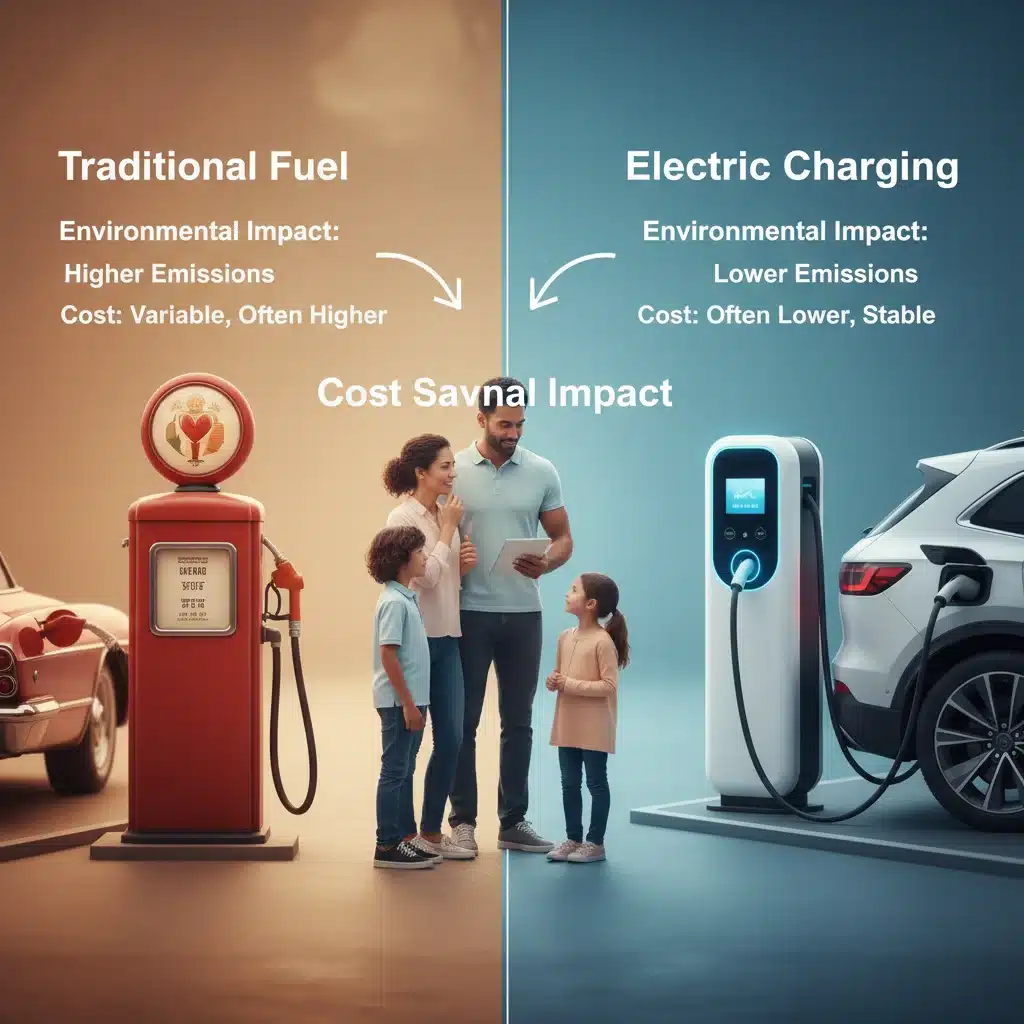
- Electric Vehicles (EVs): While the initial cost of an EV can be higher, the long-term savings on fuel and maintenance, especially with rising gasoline prices, can be substantial. The 2026 energy outlook will likely see continued growth in EV infrastructure and affordability.
- Smart Home Technology: Programmable thermostats, smart lighting systems, and energy monitoring devices allow for greater control over energy consumption, optimizing usage based on occupancy and time of day.
The Role of Renewable Energy in the 2026 Energy Outlook
The increasing prominence of renewable energy sources is a critical factor shaping the 2026 energy outlook. As nations worldwide commit to decarbonization goals, investments in solar, wind, hydropower, and geothermal energy are accelerating. This transition has a dual impact on oil price volatility: it can reduce overall demand for fossil fuels in the long run, potentially stabilizing prices, but also introduce new forms of grid instability and infrastructure challenges in the short to medium term.
Decarbonization Efforts and Policy Support
Government policies, such as tax credits, subsidies, and regulatory mandates, are driving the expansion of renewable energy. The U.S. government, through various initiatives, aims to boost renewable energy generation and adoption, which will undoubtedly influence the energy mix by 2026. This shift is not just about environmental concerns; it’s also about energy independence and reducing vulnerability to volatile global oil markets. The 2026 energy outlook will see continued policy support for renewables, which could gradually lessen the impact of oil price spikes on electricity generation.
Technological Advancements and Cost Reductions
Rapid technological advancements have made renewable energy more efficient and cost-effective than ever before. The declining costs of solar panels and wind turbines, coupled with improvements in battery storage technology, are making renewables increasingly competitive with traditional fossil fuels. This trend is expected to continue leading up to 2026, making renewable energy a more attractive option for both utility-scale projects and individual households. These advancements offer a crucial pathway for reducing reliance on fossil fuels and mitigating the financial burden of oil price volatility.
Challenges and Integration Hurdles
Despite the immense potential of renewables, challenges remain. Integrating intermittent sources like solar and wind into existing grid infrastructure requires significant upgrades and smart grid technologies. Energy storage solutions are still evolving, and ensuring a reliable power supply during periods of low renewable generation remains a key hurdle. Furthermore, the supply chains for critical minerals used in renewable technologies and batteries are subject to their own geopolitical and economic pressures. The 2026 energy outlook will need to address these integration challenges to fully realize the benefits of a renewable-dominated energy system and ensure a stable transition.
Beyond 2026: Long-Term Trends and Future Preparedness
While our immediate focus is on the 2026 energy outlook and its anticipated 15% impact, it’s crucial to consider the longer-term trends that will continue to shape the energy landscape. The decisions made and investments undertaken now will have lasting implications for future energy security and affordability.
Electrification of Transportation and Industry
The trend towards electrification across various sectors, particularly transportation and industry, is gaining momentum. As battery technology improves and charging infrastructure expands, electric vehicles are becoming more mainstream. Similarly, industries are exploring electric alternatives for processes traditionally powered by fossil fuels. This widespread electrification will shift energy demand from oil and gas to electricity, placing greater emphasis on the source and stability of the electrical grid. The long-term trajectory beyond the 2026 energy outlook suggests a decreasing reliance on oil for direct consumption in these sectors, though oil will likely remain crucial for petrochemicals and aviation for some time.
Hydrogen and Advanced Nuclear Technologies
Looking further into the future, emerging technologies like green hydrogen production and advanced modular nuclear reactors could play a significant role in diversifying the energy mix and further reducing reliance on fossil fuels. While these technologies may not have a massive impact by 2026, their development and pilot projects will be crucial indicators of future energy resilience. Investments in research and development in these areas are essential for ensuring a robust and sustainable energy future beyond the immediate 2026 energy outlook.
Global Energy Cooperation and Diplomacy
The interconnectedness of global energy markets means that international cooperation and diplomacy will remain vital. Addressing climate change, ensuring stable supply chains, and managing geopolitical risks associated with energy resources will require concerted efforts from nations worldwide. The 2026 energy outlook will be a stepping stone in a longer journey towards a more stable, sustainable, and equitable global energy system. Continued dialogue and strategic partnerships will be key to navigating future energy challenges.
Conclusion: Adapting to the 2026 Energy Outlook
The 2026 energy outlook presents a complex picture of potential oil price volatility and a significant, estimated 15% impact on household budgets in the U.S. This forecast is not a cause for panic, but rather a call to action. By understanding the multifaceted drivers of oil price fluctuations—from global supply-demand dynamics and geopolitical tensions to domestic policies and financial market speculation—individuals and families can better prepare for the challenges ahead.
The financial implications will be felt across transportation, home heating and cooling, and the broader cost of goods and services due to inflationary pressures. However, by adopting both short-term behavioral adjustments and making strategic long-term investments in energy efficiency and renewable technologies, households can build substantial financial resilience. The accelerating transition to renewable energy, while facing its own integration hurdles, offers a promising path towards greater energy independence and stability beyond the immediate 2026 energy outlook.
Ultimately, navigating the 2026 energy outlook successfully requires a combination of awareness, adaptability, and proactive planning. By taking steps today to reduce energy consumption, explore alternative energy solutions, and manage personal finances prudently, Americans can mitigate the impact of future oil price volatility and secure a more sustainable and economically stable future for their households.
