Inflation Rate Drops to 2.8%: Consumer Spending Outlook
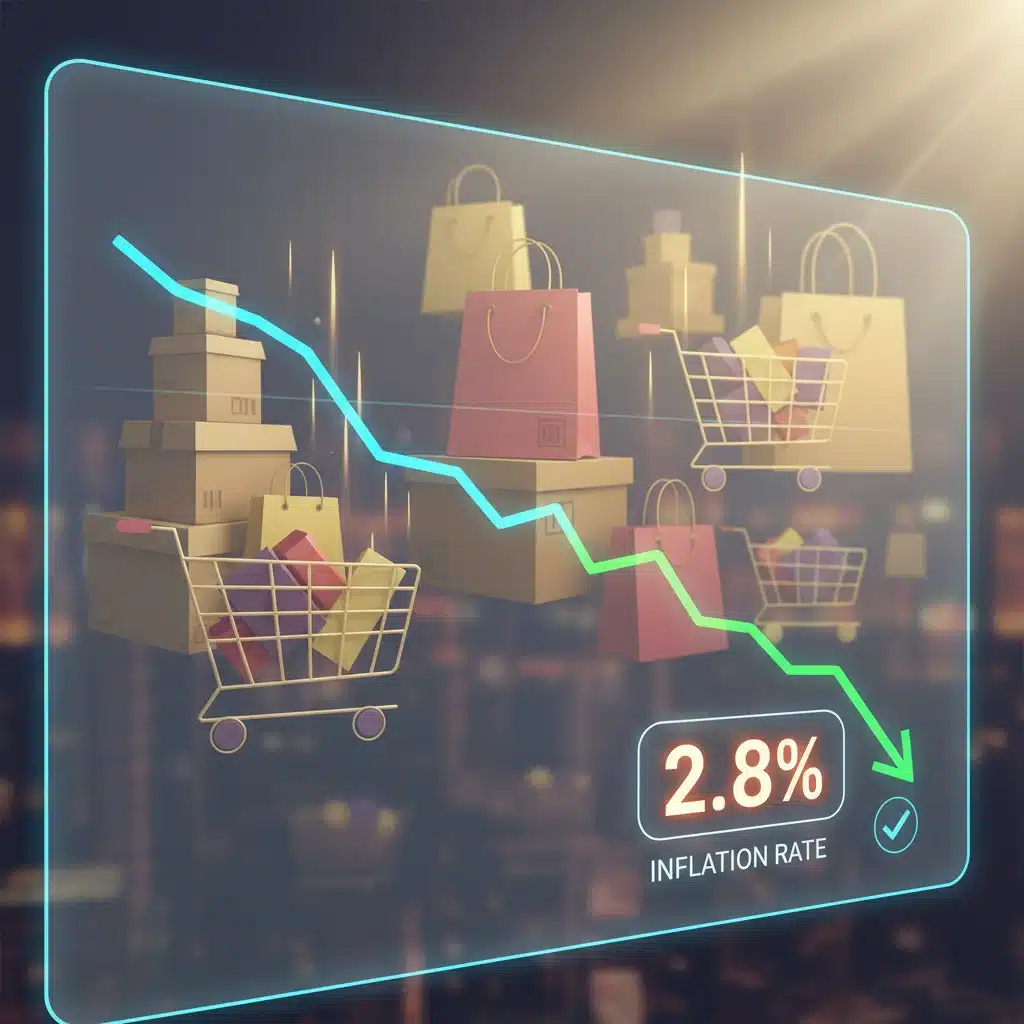
New Report: Inflation Rate Drops to 2.8% Nationally – What This Means for Consumer Spending in the Next 6 Months
The economic landscape is constantly shifting, and few metrics capture the public’s attention quite like the inflation rate. Recently, a significant announcement has sent ripples of discussion and cautious optimism across the nation: the inflation rate has dropped to a promising 2.8% nationally. This figure represents a considerable move towards economic stability and has profound implications for how consumers will spend their money in the coming months. Understanding this inflation rate impact is crucial for households, businesses, and policymakers alike. This comprehensive analysis will delve into the factors contributing to this decline, explore its potential effects on consumer behavior, and offer a forecast for the next six months.
Understanding the Drop in the Inflation Rate
For many months, consumers have grappled with elevated prices across various sectors, from groceries to gasoline. The journey from peak inflation to the current 2.8% has been arduous, marked by strategic monetary policies and evolving global economic conditions. Several key factors have contributed to this welcome decline in the inflation rate.
Monetary Policy Effectiveness
Central banks, primarily the Federal Reserve in the United States, have been aggressively raising interest rates over the past year and a half. The primary goal of these rate hikes is to cool down an overheated economy by making borrowing more expensive, thereby reducing demand and, consequently, price pressures. The 2.8% figure suggests that these policies are finally taking hold, albeit with a lag. Higher interest rates discourage both consumer borrowing for large purchases (like homes and cars) and business investment, which helps to rein in overall economic activity and bring supply and demand into better balance. The careful calibration of these policies has been a tightrope walk, aiming to curb inflation without triggering a severe recession. The current data indicates a degree of success in this delicate balancing act.
Supply Chain Normalization
The COVID-19 pandemic exposed severe vulnerabilities in global supply chains, leading to shortages and contributing significantly to inflationary pressures. Over the past year, many of these kinks have been worked out. Shipping costs have decreased, production bottlenecks have eased, and the flow of goods has become more consistent. This normalization means that businesses are facing fewer cost pressures from their inputs, which they can then pass on to consumers in the form of more stable or even declining prices. The improved efficiency in getting products from manufacturers to shelves directly contributes to a lower inflation rate.
Energy Price Moderation
Energy prices, particularly oil and natural gas, have a pervasive impact on the entire economy. They affect transportation costs for goods, utility bills for households, and production costs for industries. After significant volatility, global energy markets have seen some moderation. While geopolitical events can always introduce uncertainty, the general trend has been towards more stable and, in some cases, lower energy costs compared to their peaks. This reduction in a fundamental cost component helps to bring down the overall inflation rate.
Weakening Demand in Certain Sectors
While overall consumer spending has remained resilient, some sectors have experienced a softening in demand, partly due to higher interest rates and a general sense of economic uncertainty. This reduced demand gives businesses less leverage to raise prices, further contributing to the disinflationary trend. For instance, discretionary spending on certain goods or services might have seen a dip, forcing businesses to compete more aggressively on price.
Implications for Consumer Spending in the Next 6 Months
A lower inflation rate is generally good news for consumers, as it means their purchasing power is eroding less quickly. However, the exact impact on consumer spending is nuanced and depends on several factors. Let’s break down what we can expect over the next half-year regarding the inflation rate impact on consumer behavior.
Increased Purchasing Power and Confidence
The most direct benefit of a lower inflation rate is the preservation of purchasing power. When prices rise more slowly, each dollar in a consumer’s wallet can buy relatively more goods and services. This can lead to increased consumer confidence, as people feel more secure about their financial future and less squeezed by rising costs. Higher confidence often translates into a greater willingness to spend, especially on non-essential items that might have been deferred during periods of high inflation. This psychological shift is critical for stimulating economic activity.

Potential for Reduced Interest Rates
If the inflation rate continues its downward trajectory and remains within or close to the central bank’s target range (typically around 2%), there is a strong possibility that interest rates could stabilize or even begin to decline. Lower interest rates would make borrowing cheaper for consumers, stimulating demand for big-ticket items like homes, cars, and other financed purchases. Mortgage rates, credit card interest, and personal loan rates could all see a decrease, freeing up more disposable income for other forms of spending. This prospect alone can significantly influence consumer decisions over the next six months, especially for those considering large investments.
Shifts in Savings vs. Spending Habits
During periods of high inflation, many consumers prioritize saving to protect their assets from devaluation or to build a buffer against economic uncertainty. With a lower inflation rate, the urgency to save might diminish slightly, potentially leading to a reallocation of funds towards spending. However, it’s also possible that after a period of economic strain, consumers might continue to prioritize savings to rebuild their financial foundations. The balance between saving and spending will be a key indicator of consumer sentiment and the overall inflation rate impact.
Sector-Specific Impacts
While the overall picture suggests a positive shift, the impact will not be uniform across all sectors. Essential goods and services, which saw significant price increases, might experience more stable prices, benefiting lower-income households disproportionately. Discretionary sectors, such as travel, entertainment, and certain retail segments, could see a rebound as consumers feel more comfortable loosening their purse strings. Luxury goods might also see a resurgence as higher-income households feel more financially secure. Conversely, sectors that thrived during the inflationary period due to inelastic demand might see a slight moderation in their growth.
Challenges and Headwinds to Consider
While the 2.8% inflation rate is a positive development, it’s important to acknowledge that the economic landscape is complex and not without its challenges. Several factors could still influence the trajectory of consumer spending and the overall economy.
Persistent Wage Growth vs. Productivity
One of the ongoing debates in economic circles is the relationship between wage growth and inflation. While wage increases are beneficial for workers, if they outpace productivity gains significantly, they can contribute to inflationary pressures. The current labor market remains relatively tight, with continued demand for workers in many sectors. Monitoring how wage growth evolves alongside productivity will be crucial in determining if the 2.8% inflation rate is sustainable or if there’s a risk of it creeping back up. A healthy balance is essential to avoid a wage-price spiral.
Global Economic Instability
The global economy is interconnected, and events in other parts of the world can quickly impact domestic conditions. Geopolitical conflicts, new supply chain disruptions, or economic slowdowns in major trading partners could all introduce new inflationary pressures or dampen consumer demand. For instance, a sudden spike in global energy prices due to an unforeseen event could quickly reverse some of the progress made in bringing down the inflation rate impact.
Consumer Debt Levels
Despite increased purchasing power, many households are still contending with significant levels of debt, particularly from credit cards, which have seen interest rates climb alongside the central bank’s hikes. While a lower inflation rate helps, the burden of existing high-interest debt could still limit discretionary spending for a substantial portion of the population. The ability of consumers to manage or reduce this debt will play a role in how much of their increased purchasing power translates into new spending.
Housing Market Dynamics
The housing market remains a critical component of consumer wealth and spending. While mortgage rates might see a slight dip if the central bank eases its stance, housing affordability remains a significant challenge in many regions. High home prices and still-elevated mortgage rates can tie up a substantial portion of household budgets, leaving less for other forms of consumption. The stability and accessibility of the housing market will continue to be a key determinant of overall economic health and the broader inflation rate impact.
Strategies for Consumers in a Lower Inflation Environment
With the inflation rate at 2.8%, consumers have an opportunity to reassess their financial strategies. Here are some proactive steps to maximize the benefits and navigate the remaining uncertainties:
Review and Adjust Budgets
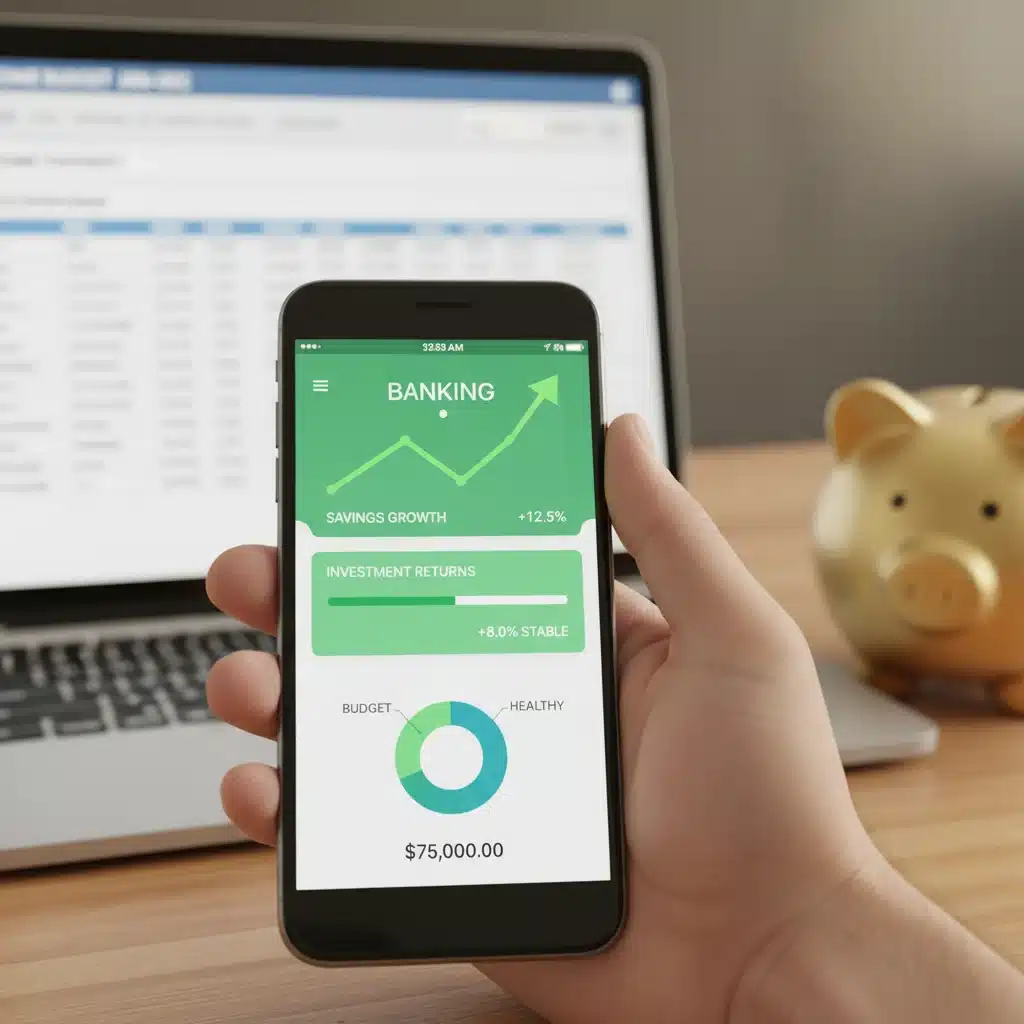
The first step is to revisit your household budget. With prices stabilizing or even decreasing in some areas, you might find that your essential expenses are no longer consuming as large a portion of your income. This creates an opportunity to reallocate funds. Consider increasing contributions to savings, paying down high-interest debt, or investing in long-term goals. Understanding the current inflation rate impact on your personal finances is paramount.
Prioritize Debt Reduction
Even with potential interest rate cuts, existing high-interest debt remains a drain on financial resources. Utilize any newfound breathing room from lower inflation to aggressively pay down credit card balances or other variable-rate loans. Reducing debt frees up more disposable income in the long run and improves your overall financial health.
Reassess Savings and Investments
With inflation closer to the central bank’s target, the real return on savings accounts and conservative investments might improve. Evaluate your savings vehicles to ensure you’re getting the best possible interest rates. For investors, a more stable economic environment can present opportunities for growth, but it’s always wise to consult with a financial advisor to align your portfolio with your risk tolerance and long-term goals, taking into account the nuanced inflation rate impact.
Consider Major Purchases Carefully
If you’ve been delaying a major purchase like a car or a home due to high prices and interest rates, the next six months might offer a more favorable environment. Keep a close eye on interest rate trends and market conditions. While prices might not drop significantly, more stable pricing and potentially lower borrowing costs could make these purchases more manageable. However, always ensure the purchase aligns with your long-term financial stability.
Support Local Businesses
As the economy stabilizes, supporting local businesses becomes even more impactful. Many small businesses have faced significant challenges during inflationary periods. Your spending can help these businesses recover and thrive, contributing to local job creation and community prosperity. This indirect inflation rate impact on local economies is often overlooked.
The Road Ahead: Economic Forecast for the Next 6 Months
Forecasting the economy is always an exercise in probability, but based on the current 2.8% inflation rate and other indicators, we can make some educated predictions for the next six months.
Continued Disinflationary Trend
Barring unforeseen major shocks, the expectation is for the disinflationary trend to continue, potentially bringing the inflation rate even closer to the central bank’s 2% target. This doesn’t necessarily mean widespread price drops, but rather a slower pace of price increases. The momentum from past rate hikes and supply chain improvements is likely to persist.
Stabilization of Interest Rates
With inflation under better control, central banks are likely to pause further rate hikes. There’s even a growing consensus that rate cuts could be on the horizon in the latter part of the forecast period, especially if economic growth shows signs of slowing. This stabilization or reduction in rates would be a significant boon for consumer spending, particularly for those reliant on credit.
Modest Economic Growth
The economy is expected to continue growing, albeit perhaps at a more modest pace than during the post-pandemic recovery boom. A lower inflation rate removes a major headwind for both consumers and businesses, allowing for more sustainable growth. However, the effects of past tightening will still be felt, preventing an immediate surge in activity. The overall inflation rate impact on GDP will be positive but tempered.
Resilient Labor Market
While some sectors might experience adjustments, the overall labor market is projected to remain relatively resilient. Unemployment rates are likely to stay low, providing a solid foundation for consumer confidence and spending. A strong job market ensures that consumers have the income necessary to participate in the economy, even as they adjust to new price realities.
Increased Business Investment
As economic uncertainty recedes and borrowing costs potentially decrease, businesses may feel more confident in making new investments. This could lead to job creation, innovation, and ultimately, a more robust economic environment. The positive inflation rate impact extends beyond individual consumers to the corporate sector.
Conclusion: A Cautiously Optimistic Outlook
The national inflation rate dropping to 2.8% is undoubtedly a positive development, signaling that efforts to stabilize the economy are yielding results. For consumers, this means a potential reprieve from persistent price hikes, leading to increased purchasing power and a renewed sense of financial confidence. The next six months are likely to be characterized by continued disinflation, potentially stable or falling interest rates, and modest economic growth. While challenges remain, particularly concerning global stability and existing debt levels, the overall outlook for consumer spending is cautiously optimistic. By understanding the intricate inflation rate impact, individuals and businesses can better position themselves to thrive in this evolving economic climate.
It is crucial for individuals to remain vigilant in managing their personal finances, adapting their budgets, and making informed spending and saving decisions. For businesses, this period offers an opportunity to re-evaluate pricing strategies, invest in efficiency, and cater to a consumer base that may be more willing to spend but remains value-conscious. The journey to complete economic equilibrium is ongoing, but the 2.8% inflation rate provides a significant milestone and a hopeful indicator for the future.
Author