Maximize Employer Health Benefits 2026: Unlock Over $5,000 in Coverage

Unlocking Over $5,000 in Employer-Sponsored Health Benefits: A 2026 Guide to Maximizing Your Coverage
In an ever-evolving healthcare landscape, understanding and maximizing your employer health benefits is more crucial than ever. For 2026, many employees have the potential to unlock over $5,000 in value from their company-sponsored health plans and associated wellness programs. This isn’t just about choosing a plan; it’s about strategically utilizing every available resource to safeguard your health and financial well-being. This comprehensive guide will walk you through the intricacies of employer health benefits, offering actionable insights to ensure you get the most out of your coverage.
The cost of healthcare continues to rise, making robust employer health benefits a cornerstone of financial stability for many families. Beyond the monthly premiums, the true value of your benefits package lies in preventative care, access to specialists, prescription drug coverage, and a myriad of wellness initiatives designed to keep you healthy and productive. By understanding the nuances of your 2026 options, you can make informed decisions that can literally save you thousands of dollars and provide peace of mind.
This article will delve into various aspects, from deciphering different plan types to leveraging tax-advantaged accounts and participating in wellness programs. We’ll explore how to navigate open enrollment with confidence, ask the right questions, and identify hidden perks that can significantly enhance your overall benefits experience. Prepare to transform the way you approach your employer health benefits.
Understanding Your Employer Health Benefits Landscape in 2026
Before you can maximize your employer health benefits, you need to understand the fundamental components. Employer-sponsored health plans are typically categorized into a few main types, each with its own structure, advantages, and limitations. Familiarizing yourself with these will be your first step towards making an educated choice during open enrollment.
Common Health Plan Types Offered by Employers
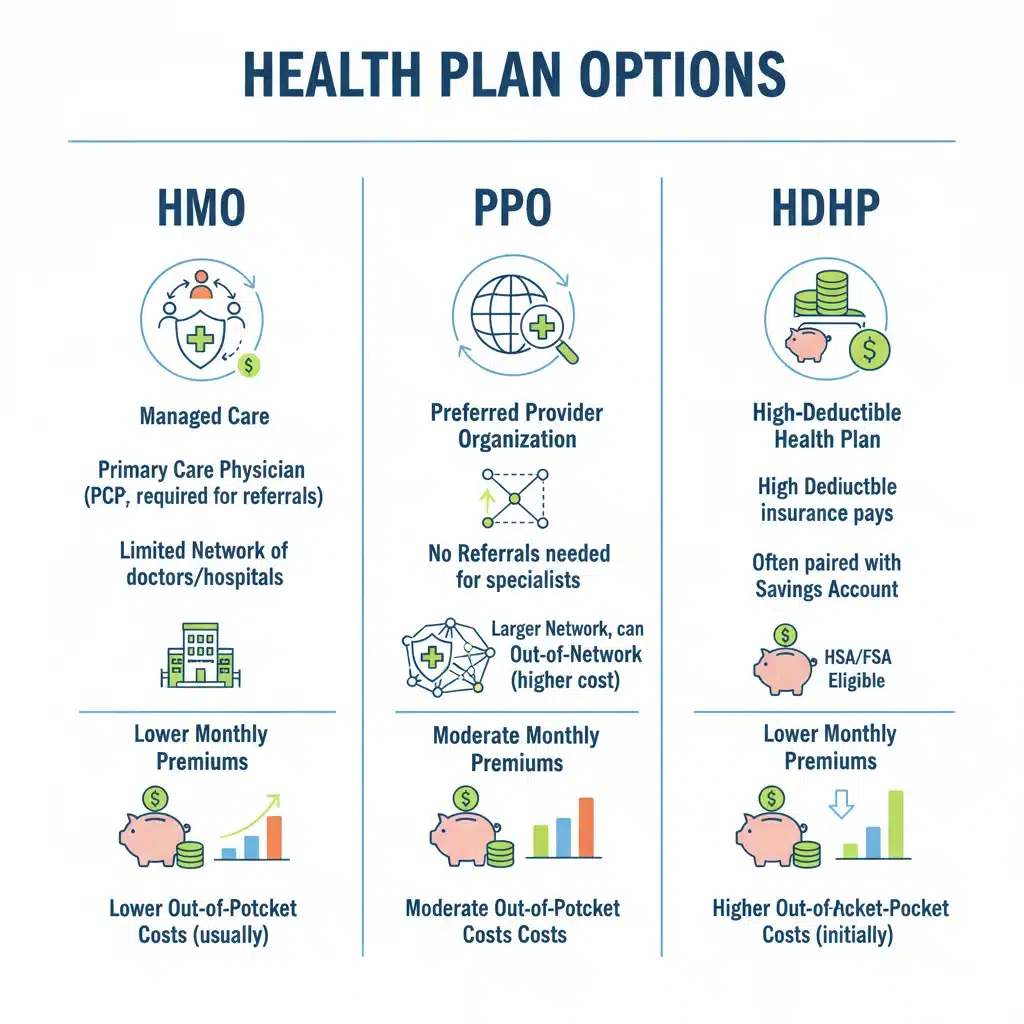
- HMO (Health Maintenance Organization): HMOs typically offer lower premiums and out-of-pocket costs but require you to choose a primary care physician (PCP) within their network. This PCP then refers you to specialists. Out-of-network care is generally not covered, except in emergencies.
- PPO (Preferred Provider Organization): PPOs offer more flexibility. You don’t usually need a PCP referral to see a specialist, and you can see out-of-network providers, though at a higher cost. Premiums and deductibles tend to be higher than HMOs.
- POS (Point of Service): A hybrid of HMO and PPO. You typically choose a PCP within the network but can go out-of-network for a higher cost. Referrals for specialists are usually required.
- HDHP (High-Deductible Health Plan) with HSA: HDHPs have higher deductibles than traditional plans but come with lower monthly premiums. Crucially, they are often paired with a Health Savings Account (HSA), a tax-advantaged savings account that you can use for qualified medical expenses. This combination is a powerful tool for maximizing your employer health benefits.
Each plan type has implications for your access to care, your out-of-pocket expenses, and your overall healthcare experience. Consider your typical healthcare usage, your family’s needs, and your financial situation when evaluating these options. For instance, if you rarely visit the doctor and want lower premiums, an HDHP with an HSA might be ideal. If you have chronic conditions and prefer predictable co-pays, an HMO or PPO might be a better fit.
Decoding the Dollars: Premiums, Deductibles, Co-pays, and Coinsurance
To truly unlock the value of your employer health benefits, you must grasp the financial jargon associated with health insurance. These terms directly impact your out-of-pocket costs and, consequently, how much value you derive from your plan.
- Premium: This is the amount you pay, usually monthly, to have health insurance coverage. Your employer typically covers a significant portion of this, but your contribution is deducted from your paycheck.
- Deductible: The amount you must pay out-of-pocket for covered healthcare services before your insurance plan starts to pay. For example, if your deductible is $2,000, you’ll pay the first $2,000 in medical costs before your insurer begins to contribute.
- Co-payment (Co-pay): A fixed amount you pay for a covered healthcare service after you’ve paid your deductible. For example, you might pay a $30 co-pay for a doctor’s visit.
- Coinsurance: Your share of the costs of a covered healthcare service, calculated as a percentage of the allowed amount for the service. For example, if your plan’s coinsurance is 20%, you pay 20% of the cost, and your insurance pays 80%, after your deductible is met.
- Out-of-Pocket Maximum: The most you’ll have to pay for covered services in a plan year. Once you reach this amount, your health plan pays 100% of the costs for covered benefits. This is a critical figure to consider when evaluating the financial risk associated with different employer health benefits plans.
Understanding these terms helps you estimate your potential out-of-pocket expenses and choose a plan that aligns with your budget and anticipated healthcare needs. A lower premium might seem appealing, but a high deductible and coinsurance could lead to significant costs if you experience an unexpected illness or injury. Conversely, a higher premium might offer lower deductibles and co-pays, providing more predictable expenses.
Strategic Enrollment for Maximum Employer Health Benefits in 2026
Open enrollment is your annual opportunity to review and select your employer health benefits. Don’t treat it as a mere formality. This is where you can make decisions that directly impact your financial and physical health for the upcoming year. Here’s how to approach it strategically:
Review Your Current Health Needs and Usage
Look back at your healthcare usage from the past year. How many doctor visits did you have? Did you fill many prescriptions? Did anyone in your family have a significant medical event? Project these needs into 2026. If you anticipate a surgery, pregnancy, or ongoing treatment, a plan with a lower deductible and out-of-pocket maximum might be more beneficial, even if it has higher premiums.
Compare Plan Options Meticulously
Don’t just default to your previous plan. Your employer might have introduced new options, or your needs might have changed. Create a comparison chart for each plan, noting: Premiums, Deductibles, Co-pays (for doctor visits, specialists, ER), Coinsurance, Out-of-Pocket Maximum, and Prescription Drug Coverage (formulary and tiers).
Consider the Network of Providers
If you have preferred doctors, specialists, or hospitals, ensure they are in-network for any plan you consider. Switching plans only to find your trusted physician isn’t covered can be a significant setback and lead to unexpected costs. Verify network participation for all key providers, especially with HMOs.
Leverage Tax-Advantaged Accounts: HSA and FSA
This is where significant value, potentially thousands of dollars, can be unlocked. Many employer health benefits packages include access to these accounts:
- Health Savings Account (HSA): Available only with HDHPs. Contributions are tax-deductible, grow tax-free, and withdrawals for qualified medical expenses are tax-free. HSAs are portable and can be invested, making them a powerful long-term savings vehicle for healthcare costs, even into retirement. Your employer might also contribute to your HSA, adding direct value.
- Flexible Spending Account (FSA): Available with most health plans. You contribute pre-tax dollars, reducing your taxable income. Funds must generally be used within the plan year (some plans allow a small rollover or grace period), or they are forfeited. FSAs are excellent for covering predictable out-of-pocket medical, dental, and vision expenses.
Max out contributions to these accounts if possible. The tax savings alone can amount to hundreds, if not thousands, of dollars annually, significantly increasing the value of your employer health benefits.
Maximizing Value Beyond Basic Coverage: Wellness Programs and Additional Perks
Many employers offer more than just medical, dental, and vision insurance. These additional programs and benefits can add substantial value, often exceeding $5,000 when fully utilized. Don’t overlook these components of your employer health benefits package.
Employer-Sponsored Wellness Programs
These programs are designed to promote a healthier workforce and often come with financial incentives. Look for:
- Health Risk Assessments (HRAs): Completing an HRA might earn you a discount on your premiums or a contribution to your HSA/FSA.
- Biometric Screenings: Similar to HRAs, these screenings can identify potential health risks and often come with rewards for participation.
- Fitness Challenges and Subsidies: Many companies offer discounts on gym memberships, fitness trackers, or even cash incentives for participating in wellness challenges.
- Smoking Cessation Programs: Free or subsidized programs to help you quit smoking, often with significant financial rewards for success.
- Weight Management Programs: Access to dietitians, weight loss apps, or programs like Weight Watchers at a reduced cost or for free.
- Mental Health Resources: Employee Assistance Programs (EAPs) offering free counseling sessions, stress management tools, and mental health support.
Participating in just a few of these programs can easily add hundreds or even thousands of dollars in direct savings or value to your employer health benefits. Beyond the monetary aspect, they contribute to your overall well-being, which is invaluable.
Other Valuable Employer Benefits
- Telemedicine Services: Many plans now offer virtual doctor visits for common ailments, often at a lower co-pay than in-person visits. This saves time and money.
- Prescription Drug Programs: Understand your plan’s formulary (list of covered drugs) and explore mail-order pharmacy options for maintenance medications, which can often be cheaper.
- Dental and Vision Plans: Don’t neglect these. Regular check-ups and cleanings can prevent more serious (and costly) issues down the line. Maximize your cleanings and eye exams.
- Disease Management Programs: If you have chronic conditions like diabetes or asthma, your employer might offer specialized programs with education, coaching, and support, improving your health outcomes and potentially reducing emergency care needs.
- On-site Clinics or Health Centers: Some larger employers provide convenient on-site clinics for basic medical care, immunizations, and health screenings, often at no cost.

Navigating the Specifics of 2026 Employer Health Benefits
While the core principles of employer health benefits remain consistent, each year brings potential changes. For 2026, be vigilant about any new regulations, plan changes, or benefit enhancements your employer communicates.
Key Areas to Scrutinize for 2026
- Premium Changes: Are your contributions increasing or decreasing? How does this impact your overall budget?
- Deductible and Out-of-Pocket Maximum Adjustments: These figures directly affect your financial exposure. Even small changes can have a big impact.
- Network Updates: Have any providers left or joined the network? This is crucial if you have specific doctors you wish to continue seeing.
- Formulary Changes: If you take regular medications, check if they are still covered and at what tier. Generic alternatives are often available and significantly cheaper.
- New Wellness Incentives: Employers frequently update their wellness programs to encourage participation. Look for new challenges, higher rewards, or expanded offerings.
- Technology and Digital Health Tools: Many plans are integrating more digital health platforms, from virtual primary care to mental health apps. Understand what’s available and how to use it.
Your employer’s HR or benefits department is your primary resource for information. Attend any informational sessions they offer, read all provided materials carefully, and don’t hesitate to ask specific questions about your employer health benefits.
Case Study: Unlocking $5,000+ in Value from Employer Health Benefits
Let’s illustrate how an employee, Sarah, could unlock significant value from her employer health benefits in 2026:
Sarah’s employer offers a choice between a PPO and an HDHP with an HSA. She currently has the PPO but decides to re-evaluate.
Scenario 1: Sarah’s Current PPO Plan
- Annual Premium (employee share): $2,400 ($200/month)
- Deductible: $1,000
- Co-pays: $30 for PCP, $60 for specialist
- Coinsurance: 20% after deductible
- Out-of-Pocket Max: $5,000
- Wellness Participation: None
In 2025, Sarah had four PCP visits, two specialist visits, and one minor ER visit (after deductible met). Her total out-of-pocket was around $1,800 (deductible + co-pays + coinsurance).
Scenario 2: Sarah Switches to HDHP with HSA for 2026
- Annual Premium (employee share): $1,200 ($100/month) – Savings: $1,200
- Deductible: $2,500
- Employer HSA Contribution: $500
- Sarah’s HSA Contribution: She decides to contribute $2,000 (pre-tax, saving her ~$500 in taxes based on her income bracket)
- Wellness Program Incentives:
- HRA Completion: $100 bonus
- Biometric Screening: $150 bonus
- Fitness Challenge: $250 gift card
- Gym Membership Reimbursement: $300
Total Wellness Value: $800
Sarah’s Projected 2026 Outcomes:
Assuming similar healthcare usage as 2025, Sarah’s initial out-of-pocket costs would be higher until she meets her deductible. However, the benefits stack up:
- Premium Savings: $1,200
- Employer HSA Contribution: $500
- Tax Savings on HSA Contribution: ~$500
- Wellness Incentives: $800
- Total Immediate Value/Savings: $1,200 + $500 + $500 + $800 = $3,000
Even if Sarah incurs $2,500 in medical expenses to meet her deductible, she has $2,500 in her HSA (employer + her contributions). The net cost to her is effectively $0 for those initial expenses, *plus* she saved $3,000 upfront. If she has fewer medical expenses, the HSA funds roll over and grow tax-free.
This example demonstrates how strategic choices and active participation in available programs can significantly elevate the value of your employer health benefits, easily surpassing the $5,000 mark.
Essential Questions to Ask During Open Enrollment
Don’t be afraid to engage with your HR department or benefits administrator. Asking the right questions can clarify uncertainties and help you make the best decisions for your employer health benefits.
- “What are the significant changes to our health plans for 2026 compared to 2025?” This helps you quickly identify critical differences in costs or coverage.
- “Are there any new wellness programs or incentives being offered in 2026?” Stay updated on opportunities to earn rewards or save money.
- “Can you provide a detailed comparison chart of all plan options, including premiums, deductibles, co-pays, coinsurance, and out-of-pocket maximums?” A clear, side-by-side comparison is invaluable.
- “What are the employer contributions to HSAs or FSAs, if applicable?” Knowing your employer’s contribution helps you calculate the total value.
- “How do I verify if my current doctors and specialists are in-network for each plan option?” Get clear instructions on using the provider search tools.
- “What are the specific details of the prescription drug coverage for each plan, including the formulary and mail-order options?” This is crucial for managing medication costs.
- “What resources are available if I have questions or need assistance navigating my benefits throughout the year?” Know who to contact when issues arise.
- “Are there any telemedicine or virtual care options available, and what are their associated costs?” Telemedicine can be a convenient and cost-effective alternative.
Long-Term Strategies for Maximizing Your Employer Health Benefits
Maximizing your employer health benefits isn’t just an annual task; it’s an ongoing strategy. By adopting a proactive approach, you can ensure sustained value and better health outcomes.
Proactive Health Management
- Utilize Preventative Care: Most plans cover preventative services (annual physicals, screenings, vaccinations) at 100% with no co-pay or deductible. These are essential for early detection and prevention of serious health issues.
- Stay Informed: Regularly review your Explanation of Benefits (EOB) statements to ensure accuracy and understand how your plan is paying for services.
- Ask for Generic Prescriptions: Always ask your doctor if a generic alternative is available for your medications. Generics are chemically identical and significantly cheaper.
- Consider Urgent Care vs. ER: For non-life-threatening issues, urgent care centers are far less expensive than emergency rooms. Know the difference and use them appropriately.
Financial Planning and Health Savings
- Max Out HSA Contributions: If you have an HDHP, prioritize contributing the maximum allowed to your HSA. It’s a triple-tax-advantaged account that can serve as a powerful retirement savings vehicle specifically for healthcare costs. The funds never expire, and you can invest them.
- Plan FSA Usage Carefully: For FSAs, estimate your annual out-of-pocket expenses for medical, dental, and vision carefully to avoid forfeiting funds at the end of the year.
- Understand Your Out-of-Pocket Maximum: Knowing this number helps you budget for worst-case scenarios and provides peace of mind that your financial exposure is capped.
Conclusion: Take Control of Your Employer Health Benefits in 2026
The opportunity to unlock over $5,000 in value from your employer health benefits in 2026 is real and achievable. It requires more than just passively accepting your company’s offerings; it demands proactive engagement, informed decision-making, and consistent utilization of available resources.
By thoroughly researching your plan options, understanding the financial implications of premiums, deductibles, co-pays, and coinsurance, and strategically leveraging tax-advantaged accounts like HSAs and FSAs, you lay a strong foundation. Furthermore, actively participating in wellness programs and taking advantage of additional perks like telemedicine and preventative care can significantly amplify the value you receive.
Don’t let open enrollment pass you by without a thorough review. Your health and your finances are too important to leave to chance. Take the time, ask the questions, and make the choices that will secure your well-being and maximize the substantial investment your employer makes in your health. The $5,000+ in value is there for the taking – it’s up to you to unlock it.