The CARES Act Sunset: Understanding Changes to Unemployment Benefits in Early 2026
The economic landscape of the Uniteds States underwent a seismic shift in early 2020 with the onset of the COVID-19 pandemic. In response to unprecedented job losses and economic uncertainty, Congress swiftly enacted the Coronavirus Aid, Relief, and Economic Security (CARES) Act. This landmark legislation introduced a suite of emergency measures designed to provide a financial safety net for millions of Americans, most notably through significant enhancements to unemployment benefits. However, as with all emergency provisions, the CARES Act had a finite lifespan. While many of its components have already expired, a critical aspect – the underlying framework that influenced state-level unemployment systems – is slated for a more definitive CARES Act sunset in early 2026. This impending change carries profound implications for individuals, families, and the broader economy, necessitating a thorough understanding of what’s to come and how to prepare.
The purpose of this comprehensive article is to dissect the upcoming CARES Act sunset and its anticipated effects on unemployment benefits. We will delve into the historical context of the CARES Act, outlining the key provisions that temporarily transformed the unemployment insurance (UI) system. Furthermore, we will explore the specific changes expected in early 2026, analyzing the potential economic and social consequences. Ultimately, this piece aims to equip readers with the knowledge needed to navigate these shifts, offering insights for both individuals who might be affected and policymakers grappling with the future of social safety nets.
The Genesis of the CARES Act: A Response to Crisis
To fully grasp the significance of the CARES Act sunset, it’s essential to revisit the circumstances that necessitated its creation. In March 2020, as the COVID-19 pandemic swept across the globe, the U.S. economy experienced an abrupt and severe downturn. Businesses shuttered, travel ceased, and millions of Americans found themselves suddenly unemployed. Traditional state unemployment insurance programs, designed for more localized and cyclical downturns, were ill-equipped to handle the scale and speed of this crisis.
Key Unemployment Provisions of the CARES Act
The CARES Act, signed into law on March 27, 2020, was an unprecedented legislative response. It introduced several temporary, but highly impactful, programs and enhancements to the unemployment insurance system:
- Federal Pandemic Unemployment Compensation (FPUC): This provided an additional $600 per week to all recipients of unemployment benefits, significantly boosting their weekly income. While this particular provision saw several iterations and eventually expired, its initial impact was monumental in providing immediate financial relief.
- Pandemic Unemployment Assistance (PUA): This was a groundbreaking program that extended unemployment benefits to individuals who traditionally would not qualify for regular state UI, such as self-employed workers, independent contractors, gig workers, and those with limited work history. PUA recognized the unique nature of the pandemic’s impact on diverse sectors of the workforce.
- Pandemic Emergency Unemployment Compensation (PEUC): This program provided additional weeks of unemployment benefits to individuals who had exhausted their regular state UI benefits. It effectively extended the duration of support during a period of prolonged job market disruption.
- Temporary Full Federal Funding of the First Week of Compensable Unemployment: This provision encouraged states to waive the typical one-week waiting period for unemployment benefits, allowing individuals to receive aid more quickly.
- Emergency Unemployment Relief for Governmental Entities and Nonprofit Organizations: The act also provided federal funding to cover 50% of the costs for states to reimburse governmental entities and nonprofits for unemployment benefits paid to their employees.
These provisions collectively represented a massive federal intervention into the unemployment insurance system, designed to prevent a deeper economic collapse and provide a critical lifeline to millions of Americans. The enhanced benefits and expanded eligibility criteria helped to maintain consumer spending, reduce poverty, and stabilize local economies during a period of extreme volatility. Understanding these temporary measures is crucial for comprehending the true scope of the impending CARES Act sunset.
The Phased Rollback: What Has Already Happened
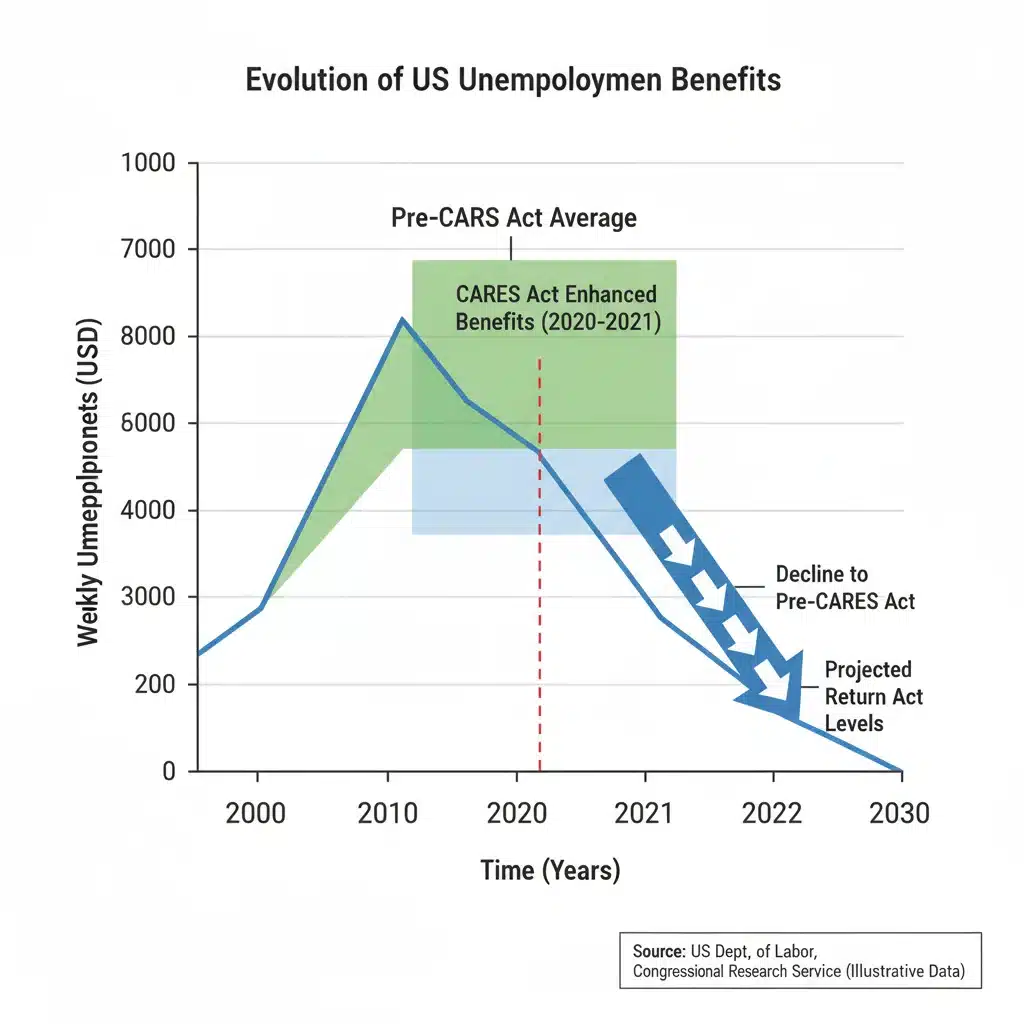
It’s important to note that the CARES Act sunset isn’t a sudden, single event. Many of the most expansive unemployment benefit enhancements, such as the $600 FPUC, were designed with specific expiration dates or were subject to extensions through subsequent legislation. The initial FPUC benefit, for instance, expired in July 2020, though it was later replaced with a $300 weekly supplement under different legislation. PUA and PEUC also saw multiple extensions before ultimately expiring in September 2021.
This phased rollback has already provided a glimpse into the economic adjustments that occur when federal support is withdrawn. While the immediate and dramatic impact of these earlier expirations was felt acutely by millions, the upcoming CARES Act sunset in early 2026 refers to the complete cessation of the underlying authority and framework that enabled these temporary programs. It signifies a full return to the pre-pandemic unemployment insurance structure, absent any lingering federal emergency provisions.
The Impending CARES Act Sunset: Early 2026
While the most visible and direct federal unemployment benefits have long since expired, the early 2026 CARES Act sunset marks the final expiration of certain foundational authorities and reimbursement mechanisms that were temporarily put in place. This includes the complete cessation of any remaining federal funding or authorization for pandemic-era unemployment programs, effectively reverting the unemployment insurance system entirely to its pre-COVID-19 state. This means that states will no longer have the federal framework or financial incentives to offer expanded eligibility or extended benefits beyond what their individual state laws permit.
Specific Changes Expected
The primary changes anticipated with the CARES Act sunset include:
- End of Federal Reimbursement for Extended Benefits: During the pandemic, the federal government provided significant funding to states to cover a portion of the costs of extended benefits. With the sunset, states will be solely responsible for funding any extended benefits beyond the standard 26 weeks (or fewer, depending on state law), making them less likely to offer them unless their own state triggers are met and budgets allow.
- Full Reversion to State-Specific Eligibility Criteria: The PUA program temporarily expanded eligibility to include self-employed individuals, gig workers, and others not typically covered. While PUA itself has expired, the CARES Act sunset solidifies the return to traditional state UI eligibility rules, which generally exclude these categories of workers.
- Elimination of Any Remaining Administrative Support: The CARES Act also provided funding and flexibility for states to administer the expanded UI programs. The sunset will remove any lingering federal support in this area, potentially impacting state UI agencies’ capacity if not adequately addressed.
- No Federal Authority for Emergency Programs: Crucially, the sunset means there will be no readily available federal legislative framework to quickly re-establish emergency unemployment programs in response to a future economic downturn, at least not without new legislation.
In essence, the CARES Act sunset is not about the immediate termination of a weekly check for millions, as those programs largely ended years prior. Instead, it’s about the complete removal of the extraordinary federal scaffolding that was erected to support and expand the unemployment insurance system during the pandemic. This will leave states entirely to their own devices, operating under their pre-pandemic statutes and funding mechanisms.
Economic and Social Implications of the CARES Act Sunset
The full CARES Act sunset, though primarily a return to normalcy in terms of legislative authority, carries significant economic and social implications, particularly if the economy experiences another downturn without a robust federal response mechanism in place.
Potential Impact on Unemployed Individuals
For individuals who find themselves unemployed after early 2026, the absence of CARES Act provisions means:
- Stricter Eligibility: Those who are self-employed or gig workers will likely find it much harder, if not impossible, to qualify for traditional unemployment benefits, as they did under PUA.
- Shorter Duration of Benefits: Without federal extensions like PEUC, individuals will be limited to the duration of benefits provided by their state, which can be as short as 12-14 weeks in some states, compared to the potentially much longer periods available during the pandemic.
- Lower Benefit Amounts: The absence of any federal supplements means that weekly benefit amounts will revert solely to state-determined levels, which are often significantly lower than what many received during the CARES Act era.
- Increased Financial Precarity: Without the expanded safety net, future periods of unemployment could lead to greater financial hardship, increased debt, and a more rapid depletion of savings for affected individuals and families.
Broader Economic Effects
The broader economic implications of the CARES Act sunset are also noteworthy:
- Reduced Automatic Stabilizers: The CARES Act’s unemployment provisions acted as powerful automatic stabilizers, injecting money directly into the economy during a crisis. With their full sunset, the U.S. economy will have a less robust built-in mechanism to cushion future shocks, potentially making recessions deeper and longer.
- Increased State Burden: States will bear the full financial and administrative burden of their unemployment systems. In times of high unemployment, this could strain state budgets, potentially leading to calls for cuts in other public services or increases in state taxes.
- Impact on Consumer Spending: Lower and shorter-duration unemployment benefits could lead to a more significant drop in consumer spending during future economic downturns, slowing recovery.
- Labor Market Dynamics: Some argue that generous unemployment benefits can disincentivize work. Conversely, a less generous system might push individuals to accept lower-paying jobs or jobs outside their skill set more quickly, potentially impacting wage growth and labor market efficiency in the long run.
The CARES Act sunset represents a return to a more traditional, state-centric unemployment insurance system. While this might be seen by some as a return to fiscal prudence, it undeniably removes a significant layer of federal protection that proved crucial during the pandemic. The true test of this change will come during the next economic challenge.
Preparing for the CARES Act Sunset: Recommendations and Strategies
Given the impending CARES Act sunset, proactive preparation is key for both individuals and policymakers. Understanding the limitations of the post-CARES Act unemployment system can inform better financial planning and policy discussions.
For Individuals and Families
- Build an Emergency Fund: This is perhaps the most critical step. Aim for at least 3-6 months’ worth of living expenses in an easily accessible savings account. This fund will serve as a buffer in case of job loss, especially with potentially shorter benefit durations.
- Understand Your State’s UI Rules: Familiarize yourself with your state’s specific unemployment insurance eligibility requirements, benefit amounts, and duration. These vary widely and will be the sole determinants of your benefits post-sunset.
- Diversify Income Streams: For self-employed individuals, gig workers, and those in precarious employment, exploring multiple income sources can provide greater financial stability.
- Invest in Skills and Education: Continuously updating skills and seeking opportunities for professional development can enhance employability and reduce the risk of long-term unemployment.
- Review Health Insurance Options: Losing a job often means losing employer-sponsored health insurance. Understand your options for COBRA, marketplace plans under the Affordable Care Act, or Medicaid.
- Manage Debt Prudently: High levels of consumer debt can exacerbate financial stress during unemployment. Focus on paying down high-interest debt and maintaining a good credit score.
For Policymakers and Governments
- Modernize State UI Systems: Many state UI systems are outdated and underfunded. Policymakers should consider reforms to improve efficiency, expand eligibility where appropriate, and ensure adequate funding mechanisms to withstand future downturns.
- Consider Federal Role in Future Crises: The experience of the CARES Act demonstrated the vital role of federal intervention during national crises. Discussions are needed on how best to structure future federal support for unemployment benefits without waiting for ad-hoc legislation.
- Strengthen Workforce Development Programs: Investing in robust job training and placement programs can help individuals transition quickly between jobs and adapt to changing labor market demands.
- Explore Universal Basic Income (UBI) or Other Safety Nets: The pandemic reignited debates about alternative safety nets. Policymakers might explore pilot programs or discussions around UBI or other forms of direct cash assistance to provide a more stable foundation for all citizens, especially in light of the CARES Act sunset.
- Enhance Data Collection and Analysis: Better data on labor market trends, unemployment duration, and the effectiveness of various support programs can inform more targeted and efficient policy responses.
The CARES Act sunset presents an opportunity to reflect on the lessons learned from the pandemic and to build a more resilient and equitable economic future. Proactive measures now can mitigate potential hardships later.

The Broader Context: Future of Social Safety Nets
The discussion around the CARES Act sunset is intrinsically linked to a larger, ongoing debate about the future of social safety nets in the United States. The pandemic exposed both the strengths and weaknesses of the existing unemployment insurance system. While the CARES Act provided unprecedented relief, its temporary nature and the subsequent political wrangling over extensions highlighted the need for a more sustainable and adaptable framework.
Lessons Learned from the CARES Act Era
- The Need for Flexibility: The pandemic demonstrated that traditional UI systems are often too rigid to respond effectively to sudden, widespread economic shocks.
- The Importance of Inclusivity: PUA highlighted the significant portion of the workforce (gig workers, self-employed) who are typically excluded from UI benefits, yet are equally vulnerable to economic downturns.
- The Power of Federal Intervention: The sheer scale of the CARES Act’s unemployment provisions underscores the federal government’s capacity to stabilize the economy and prevent widespread poverty during a crisis.
- Administrative Challenges: States faced immense administrative challenges in implementing the new programs, revealing the need for modernization and better federal-state coordination.
As the U.S. moves past the immediate crisis, the CARES Act sunset forces a critical re-evaluation. Should the federal government establish permanent mechanisms for expanded unemployment benefits during severe recessions? How can states be incentivized and supported to modernize their UI systems? What role should programs like UBI or other forms of direct aid play in a future economy increasingly shaped by automation and global shocks?
These are complex questions with no easy answers, but the experience of the CARES Act has provided invaluable data and insights. The early 2026 CARES Act sunset is not merely an administrative deadline; it’s a waypoint in the ongoing evolution of America’s approach to economic security and social welfare.
Conclusion: Navigating the Post-CARES Act Landscape
The impending CARES Act sunset in early 2026 marks a significant milestone in the post-pandemic economic recovery. While the most substantial federal unemployment benefits have long since expired, the full sunset signifies the complete return to the pre-COVID-19 unemployment insurance framework, devoid of the extraordinary federal scaffolding that supported millions during the crisis. This shift carries profound implications, particularly for those who rely on unemployment benefits during periods of joblessness.
For individuals, proactive financial planning, including building emergency savings and understanding state-specific UI rules, is paramount. For policymakers, the CARES Act sunset serves as a powerful reminder of the vulnerabilities within the existing social safety net and the critical need for modernization, flexibility, and a clear vision for how to respond to future economic challenges. The lessons learned from the CARES Act era must inform ongoing discussions about strengthening unemployment insurance, expanding eligibility, and exploring comprehensive approaches to economic security.
As we approach early 2026, staying informed about these changes and preparing accordingly will be crucial for navigating the evolving landscape of unemployment benefits and ensuring greater financial resilience for all Americans. The CARES Act sunset is not just an end; it’s a catalyst for rethinking and rebuilding a more robust and equitable system for the future.