STEM Education Initiatives 2026: A U.S. State-by-State Analysis
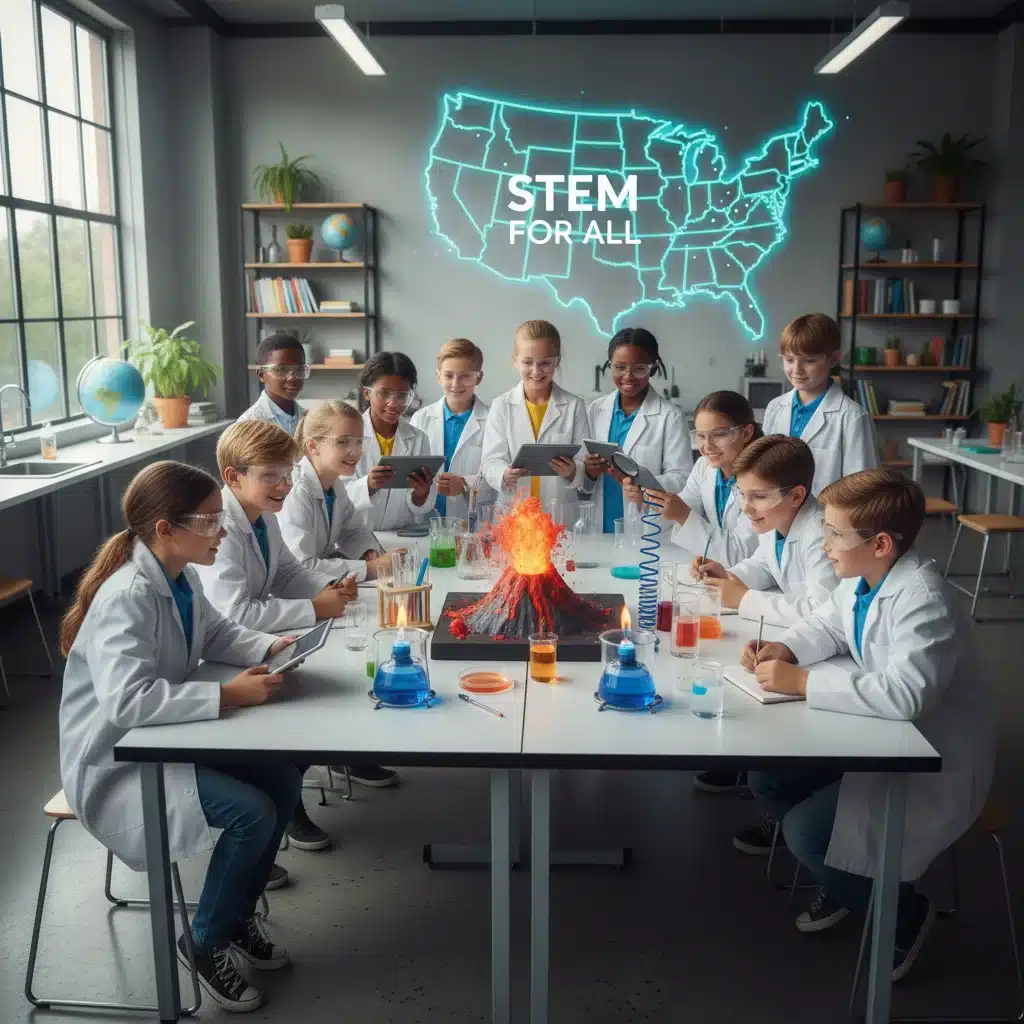
The landscape of education is continuously evolving, and perhaps nowhere is this more evident than in the realm of STEM—Science, Technology, Engineering, and Mathematics. As we look towards 2026, the United States is at a pivotal juncture, with states implementing a myriad of STEM education initiatives designed to prepare the next generation for an increasingly complex and technologically driven world. These initiatives are not merely about teaching subjects; they are about fostering critical thinking, problem-solving skills, and innovation, which are crucial for national competitiveness and economic growth. This comprehensive exploration delves into the diverse strategies, successes, and challenges faced by various U.S. states in their pursuit of robust STEM education.
The emphasis on STEM education initiatives has intensified over the past decade, driven by the recognition that a strong STEM workforce is essential for addressing global challenges, from climate change to public health, and for maintaining technological leadership. By 2026, many states have refined their approaches, moving beyond foundational concepts to integrate interdisciplinary learning, real-world applications, and equity-focused strategies. This article provides an in-depth analysis of these efforts, highlighting key trends and offering insights into what the future holds for STEM learning across the nation.
The National Imperative: Why STEM Matters More Than Ever
The global economy is increasingly reliant on innovation and technological advancement. Countries that excel in STEM fields are better positioned to drive economic growth, create high-paying jobs, and lead in scientific discovery. For the United States, maintaining its competitive edge requires a continuous pipeline of skilled STEM professionals. This national imperative is the bedrock upon which all state-level STEM education initiatives are built. The demand for STEM workers continues to outpace the supply, making it critical to engage students early and effectively in these subjects.
Furthermore, STEM literacy is not just for future scientists or engineers. It is a fundamental skill set for all citizens in the 21st century. Understanding basic scientific principles, technological concepts, and mathematical reasoning empowers individuals to make informed decisions, navigate complex information, and participate meaningfully in a democratic society. Therefore, STEM education initiatives aim to benefit not only the economy but also the broader societal well-being.
Key Trends Shaping STEM Education in 2026
Several overarching trends are defining the direction of STEM education initiatives across the U.S. in 2026. These trends reflect a deeper understanding of effective pedagogy, the evolving needs of the workforce, and a commitment to equitable access.
Interdisciplinary and Project-Based Learning
One of the most significant shifts is the move towards interdisciplinary and project-based learning. Rather than teaching science, technology, engineering, and math as isolated subjects, states are increasingly promoting curricula that integrate these disciplines. This approach mirrors real-world problem-solving, where solutions often require knowledge and skills from multiple fields. Project-based learning, in particular, allows students to tackle complex problems, often in teams, fostering collaboration, critical thinking, and creativity. For example, a project to design a sustainable urban garden might involve biology (science), CAD software (technology), structural design (engineering), and resource allocation calculations (mathematics).
Emphasis on Computer Science and AI Literacy
With the rapid advancements in artificial intelligence and automation, computer science literacy has become a cornerstone of modern STEM education initiatives. By 2026, many states have mandated computer science education at various grade levels, recognizing it as a foundational skill akin to reading and writing. This includes not only coding but also understanding computational thinking, data analysis, and the ethical implications of AI. States are investing in teacher training and curriculum development to ensure that all students have access to high-quality computer science instruction, preparing them for a future where AI will play an even more pervasive role.
Equity and Access: Bridging the Divide
A critical focus of current STEM education initiatives is addressing historical inequities in access and outcomes. There’s a concerted effort to engage underrepresented groups—including girls, students of color, and those from low-income backgrounds—in STEM fields. This involves targeted outreach programs, mentorship opportunities, culturally responsive teaching practices, and efforts to reduce barriers to participation. States are analyzing data to identify achievement gaps and implementing strategies to ensure that all students, regardless of their background or zip code, have the opportunity to pursue STEM pathways. This often includes providing resources to rural and underserved schools, enhancing internet access, and creating inclusive learning environments.
Career Pathways and Workforce Development
Connecting STEM education to future career opportunities is another vital trend. STEM education initiatives are increasingly designed with workforce development in mind, creating clear pathways from K-12 education to post-secondary training and high-demand STEM careers. This involves partnerships with local industries, internships, apprenticeships, and career counseling services. The goal is not just to teach STEM concepts but to show students how these concepts translate into fulfilling and impactful careers, motivating them to pursue further education and training in these fields.
State-by-State Spotlight: Innovative STEM Education Initiatives
While the national trends provide a broad overview, the implementation of STEM education initiatives varies significantly from state to state, reflecting local priorities, economic landscapes, and educational philosophies. Here, we highlight some exemplary state-level efforts and their impact in 2026.
California: Tech Innovation and Equity Focus
California, a global hub for technology and innovation, continues to lead with ambitious STEM education initiatives. The state has invested heavily in computer science education, aiming to integrate it into K-12 curricula statewide. Programs like the California Computer Science Standards and the Computer Science for All initiative provide frameworks and resources for districts. Furthermore, California is a pioneer in developing career technical education (CTE) pathways that connect high school STEM learning directly to high-tech industries, offering students early exposure to careers in engineering, biotechnology, and software development. A strong emphasis is placed on diversity and inclusion, with targeted programs to increase participation of women and underrepresented minorities in tech fields.
Massachusetts: Research and K-12 Integration
Known for its robust research universities and biotech industry, Massachusetts has focused its STEM education initiatives on fostering a strong research pipeline from an early age. The state promotes hands-on, inquiry-based science education starting in elementary school, with a focus on developing scientific literacy and critical thinking. Massachusetts also boasts strong partnerships between universities and K-12 schools, allowing students to engage in real-world research projects and benefit from university resources. The state’s STEM Advisory Council plays a crucial role in coordinating efforts across education, industry, and government to align educational outcomes with workforce needs.
Texas: Energy and Engineering Emphasis
Given its significant energy sector and rapidly growing population, Texas has channeled considerable resources into STEM education initiatives with a particular emphasis on engineering and energy-related fields. The Texas Education Agency (TEA) has developed comprehensive STEM academies and magnet schools that offer specialized curricula. Furthermore, the state has invested in training educators to deliver high-quality engineering instruction, often in collaboration with local energy companies and engineering firms. Efforts are also underway to expand access to advanced STEM courses in rural areas through virtual learning platforms and regional support centers.
North Carolina: Biotechnology and Life Sciences
North Carolina’s Research Triangle Park has driven significant investment in biotechnology and life sciences STEM education initiatives. The state has developed specialized high school programs focused on biotech, offering students laboratory experience and connections to industry professionals. North Carolina also emphasizes early college high schools that allow students to earn associate degrees in STEM fields while still in high school, accelerating their entry into the workforce or higher education. These initiatives are designed to feed the growing demand for skilled professionals in the state’s burgeoning life sciences sector.
Washington: Aerospace and Technology Workforce
With major aerospace and technology companies headquartered in the state, Washington’s STEM education initiatives are geared towards cultivating a highly skilled workforce for these industries. The state has implemented robust computer science standards and provides significant funding for STEM-focused CTE programs. Partnerships with companies like Boeing and Microsoft offer students mentorship, internships, and real-world project experience. There’s also a strong focus on cultivating entrepreneurial skills within STEM education, encouraging students to innovate and develop solutions to real-world problems.
Challenges and Opportunities for 2026 and Beyond
Despite significant progress, STEM education initiatives in the U.S. continue to face several challenges. Addressing these challenges presents opportunities for further innovation and improvement.
Teacher Shortages and Professional Development
One of the most persistent challenges is the shortage of qualified STEM teachers, particularly in subjects like computer science and physics, and in underserved districts. Many states are struggling to recruit and retain educators with strong STEM backgrounds. Opportunities exist in developing more robust teacher preparation programs, offering competitive salaries and incentives for STEM educators, and providing ongoing professional development that keeps teachers abreast of the latest advancements in their fields and in pedagogical best practices. Online learning platforms and partnerships with industry experts can also play a crucial role in upskilling the existing teaching workforce.
Funding and Resource Allocation
While many states have increased their investment in STEM education, equitable funding and resource allocation remain a challenge. Schools in low-income areas often lack the necessary equipment, technology, and facilities to offer comprehensive STEM programs. There’s an opportunity for states to implement more equitable funding formulas, seek private-public partnerships, and leverage federal grants to ensure that all schools have the resources needed to implement effective STEM education initiatives. This includes funding for advanced laboratory equipment, high-speed internet, and access to digital learning tools.
Measuring Impact and Efficacy
Accurately measuring the impact and efficacy of various STEM education initiatives is crucial for continuous improvement. States are increasingly focused on developing robust assessment tools that go beyond standardized test scores to evaluate critical thinking, problem-solving, and creativity. Data-driven decision-making allows states to identify what works, adapt strategies, and justify continued investment. There’s an opportunity to develop common metrics and data-sharing platforms across states to learn from each other’s successes and failures.
Maintaining Student Engagement and Interest
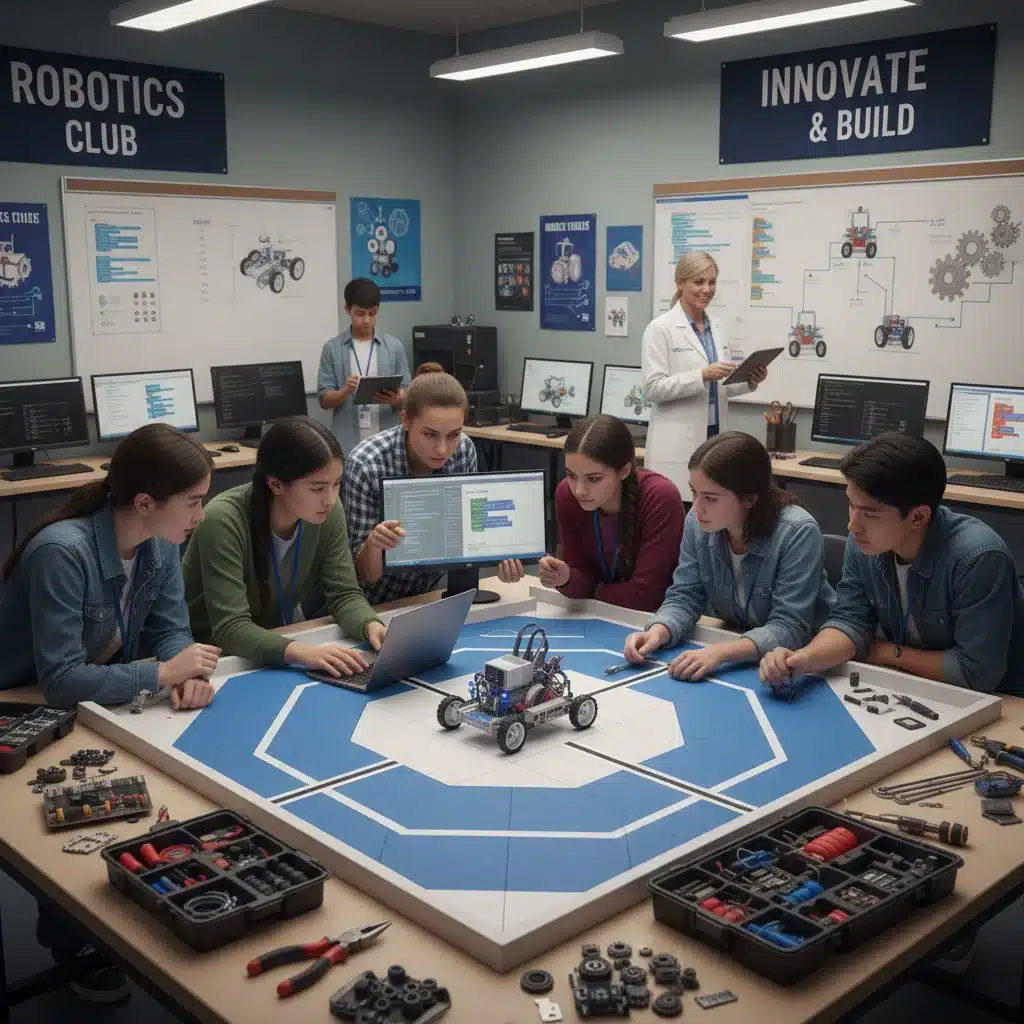
While early exposure to STEM is beneficial, maintaining student engagement and interest throughout their academic journey is equally important. Many students, particularly girls and underrepresented minorities, lose interest in STEM as they progress through middle and high school. Opportunities lie in making STEM learning more relevant, engaging, and personalized. This includes incorporating more real-world applications, offering diverse role models, fostering a sense of belonging in STEM fields, and providing opportunities for students to explore their passions within STEM. Mentorship programs and STEM clubs can play a significant role in sustaining interest.
Keeping Pace with Technological Advancements
The rapid pace of technological change presents both an opportunity and a challenge. Curricula and instructional practices must evolve continuously to keep pace with new discoveries and emerging technologies like quantum computing, biotechnology, and advanced robotics. States have an opportunity to create agile curriculum development processes that allow for rapid integration of new topics and skills. Partnerships with industry experts and research institutions can help ensure that educational content remains relevant and forward-looking.
The Role of Partnerships in Advancing STEM Education
Effective STEM education initiatives are rarely the sole responsibility of state education departments. They thrive on robust partnerships between various stakeholders. In 2026, these collaborations are more critical than ever.
Industry-Education Partnerships
Collaboration between industry and education is paramount. Businesses can provide valuable insights into current and future workforce needs, offer internships, apprenticeships, and mentorship opportunities, and contribute resources for STEM programs. Many states are facilitating these partnerships through tax incentives, grant programs, and dedicated liaison offices. These collaborations ensure that students are learning skills that are directly applicable to high-demand jobs, bridging the gap between academia and the professional world.
University-K-12 Collaborations
Universities play a vital role in supporting K-12 STEM education. They can offer professional development for teachers, develop innovative curricula, provide access to advanced laboratories and research facilities, and inspire students through outreach programs. Many universities host summer STEM camps, science fairs, and engineering competitions that expose younger students to higher-level concepts and career possibilities. These partnerships create a seamless pipeline from early education to advanced research and development.
Community and Non-Profit Engagement
Community organizations and non-profits often fill critical gaps in STEM education, particularly in providing informal learning experiences. After-school programs, science museums, libraries, and youth organizations offer hands-on activities, workshops, and events that complement formal schooling. These entities are crucial for fostering a lifelong love of STEM and providing additional support for students who may not have extensive resources at home or in school. States are increasingly recognizing the value of these informal learning environments and seeking ways to integrate them into broader STEM education initiatives.
Looking Ahead: The Future of STEM Education
As we navigate the complexities of the 21st century, the importance of strong STEM education initiatives will only grow. By 2026, the groundwork laid by various U.S. states is setting the stage for a future where STEM literacy is universal, and opportunities in STEM fields are accessible to all. The continuous evolution of technology and the emergence of new scientific frontiers demand an adaptive and forward-thinking approach to education.
The focus will likely intensify on personalized learning experiences, leveraging AI and data analytics to tailor educational content to individual student needs and learning styles. Virtual reality and augmented reality are also poised to transform STEM classrooms, offering immersive and interactive learning environments that were once unimaginable. Furthermore, the ethical dimensions of STEM—from data privacy to the responsible development of AI—will become an even more central component of curricula, preparing students not just to innovate but to innovate responsibly.
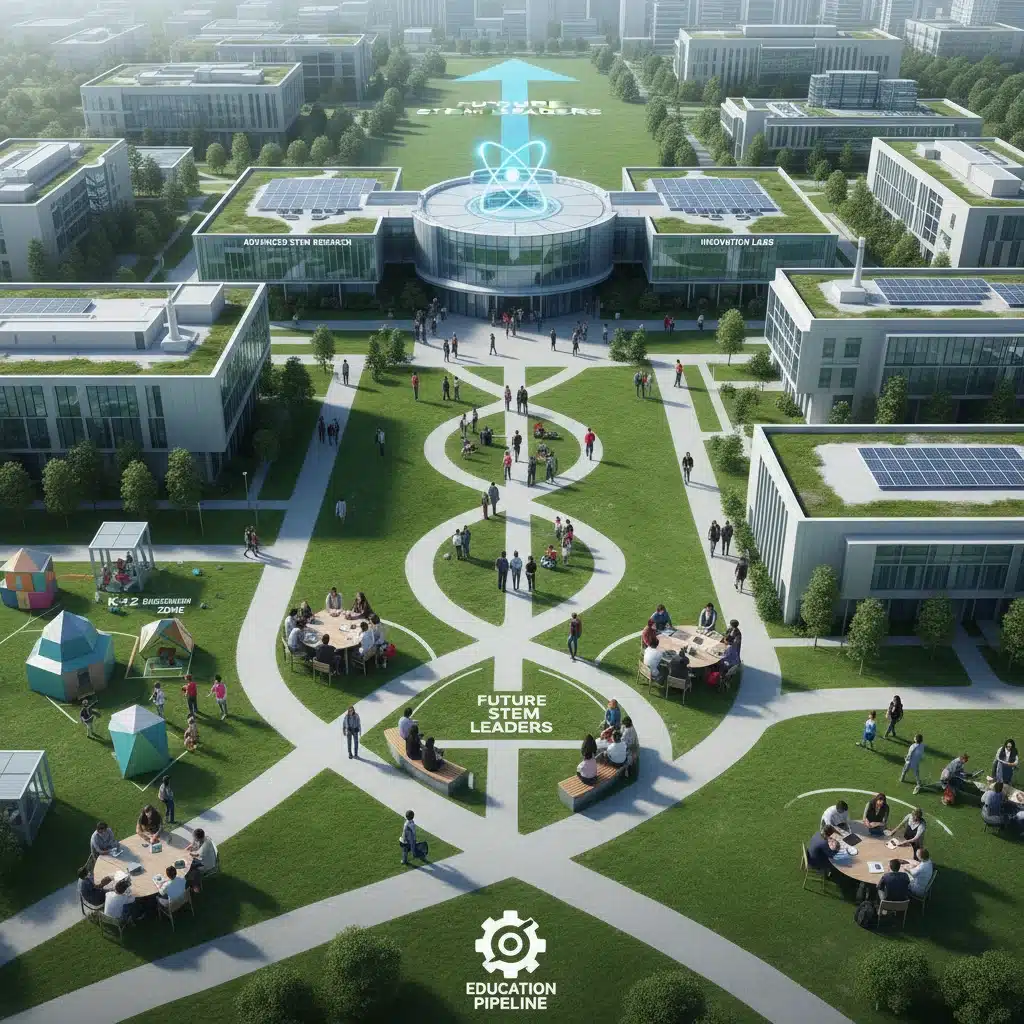
The collective efforts of educators, policymakers, industry leaders, and communities across the U.S. are shaping a future where every student has the opportunity to explore, engage with, and excel in STEM. The success of these STEM education initiatives will not only determine the nation’s economic prosperity but also its capacity to address the grand challenges of our time, fostering a society that is innovative, resilient, and scientifically literate. The journey is ongoing, but the commitment to empowering the next generation through robust STEM education is unwavering.
In conclusion, the 2026 landscape of STEM education initiatives across U.S. states is characterized by dynamic innovation, a strong commitment to equity, and a clear vision for workforce development. While challenges persist, the collaborative spirit and strategic investments being made offer immense promise for cultivating a generation of critical thinkers, problem-solvers, and innovators who will drive the future forward. The continuous adaptation to new technologies and pedagogical approaches will be crucial in ensuring that these initiatives remain effective and relevant for years to come.
The ongoing dialogue between stakeholders, the sharing of best practices, and the willingness to experiment with new educational models are all vital components of this evolving ecosystem. As states learn from each other and refine their strategies, the cumulative impact of these STEM education initiatives will undoubtedly strengthen the nation’s scientific and technological foundation, preparing its citizens for the opportunities and challenges of the 21st century and beyond. The future of STEM education in the U.S. is bright, fueled by a collective dedication to excellence and inclusion.