Unemployment Benefits 2026: A 6-Month Outlook for Job Seekers

The landscape of unemployment benefits is constantly evolving, influenced by economic conditions, legislative changes, and the dynamic nature of the labor market. For job seekers, understanding the potential trajectory of these benefits is crucial for financial planning and effective job searching. As we peer into the first half of 2026, several factors will shape the availability and duration of unemployment benefits. This comprehensive guide provides a 6-month outlook on unemployment benefits 2026, offering insights into potential extensions, eligibility requirements, and strategies for navigating this critical period.
Understanding the Current State of Unemployment Benefits
Before delving into the future, it’s essential to grasp the foundational structure of unemployment benefits in the United States. Primarily, these benefits are administered at the state level, funded by state and federal taxes on employers. Each state has its own specific rules regarding eligibility, weekly benefit amounts, and the maximum duration of benefits. Typically, standard unemployment insurance (UI) programs provide benefits for up to 26 weeks, though this can vary significantly.
Key Components of Unemployment Insurance (UI)
- State-Administered Programs: The core of unemployment benefits, these programs vary by state.
- Eligibility Requirements: Generally, individuals must have worked a certain amount of time or earned a certain amount of wages within a base period, be unemployed through no fault of their own, and be actively seeking work.
- Weekly Benefit Amount: Calculated based on prior earnings, with state-specific maximums.
- Duration of Benefits: Standard benefits typically last between 12 and 26 weeks, depending on the state.
Federal programs, often enacted during economic downturns, can supplement these state benefits through extensions or additional programs, such as the Pandemic Unemployment Assistance (PUA) and Pandemic Emergency Unemployment Compensation (PEUC) programs seen during the COVID-19 pandemic. However, these federal programs are typically temporary and tied to specific economic crises or legislative actions.
The Economic Forecast Shaping Unemployment Benefits 2026
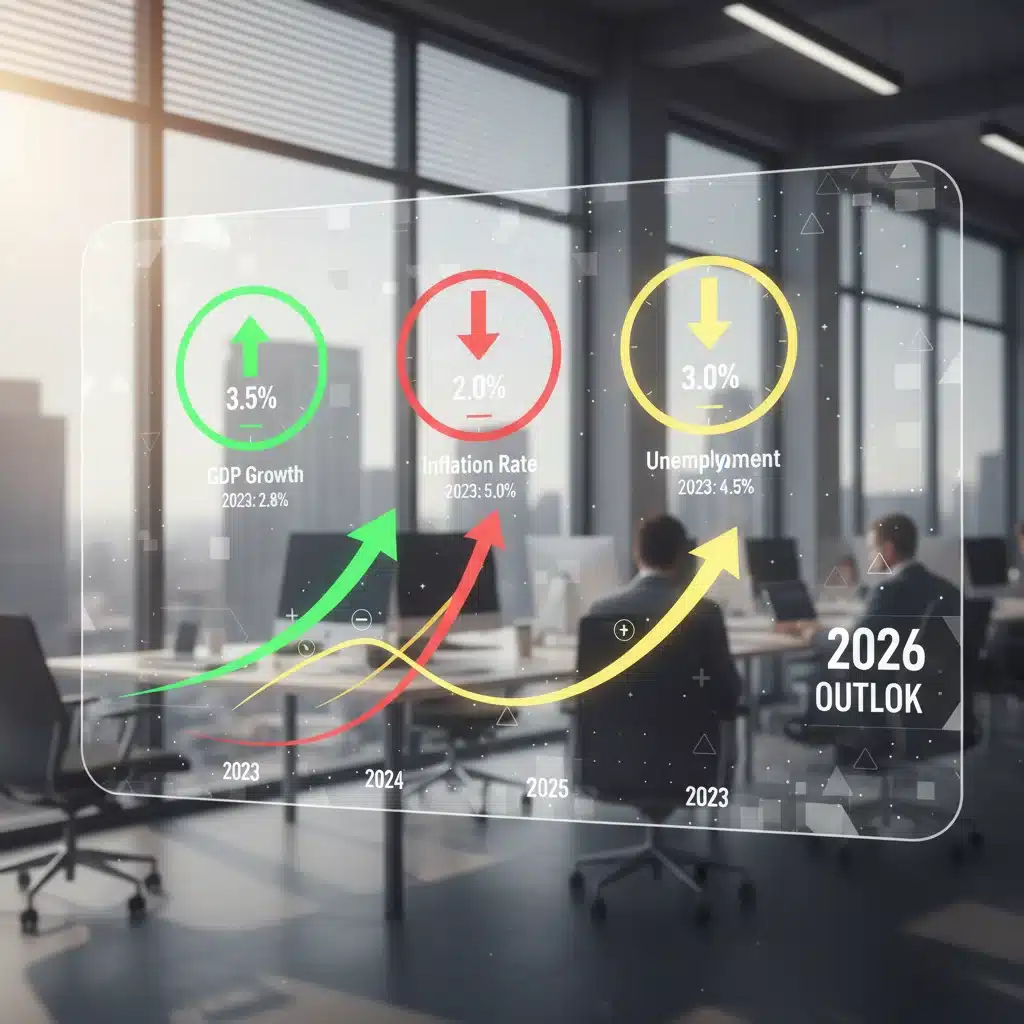
The economic climate is the most significant determinant of whether federal unemployment benefit extensions will be considered or implemented. As we look at the first half of 2026, several key economic indicators will be under scrutiny:
Inflation and Interest Rates
Central banks, particularly the Federal Reserve, will continue to monitor inflation closely. High inflation could lead to continued or elevated interest rates, potentially slowing economic growth and impacting the job market. A sustained period of high interest rates might contribute to a rise in unemployment, which could, in turn, trigger discussions about benefit extensions.
Labor Market Health
The health of the labor market, characterized by unemployment rates, job creation numbers, and labor force participation, will be paramount. A robust labor market with low unemployment and strong job growth would make federal extensions less likely. Conversely, a significant downturn, marked by rising unemployment and widespread layoffs, would increase the probability of federal intervention to support job seekers.
GDP Growth
Gross Domestic Product (GDP) growth is a broad measure of economic activity. Strong, consistent GDP growth typically correlates with a healthy economy and a demand for labor, reducing the need for extensive unemployment support. A stagnation or contraction in GDP could signal an impending recession, often a precursor to federal unemployment benefit extensions.
Sectoral Performance
Specific sectors of the economy can also influence the overall demand for unemployment benefits. For instance, if major industries experience significant disruption due to technological shifts, supply chain issues, or global events, localized or widespread job losses could occur, impacting the need for support programs.
Potential Scenarios for Unemployment Benefits 2026
Based on these economic factors, we can outline several potential scenarios for unemployment benefits 2026 during the first six months:
Scenario 1: Stable Economic Growth (Most Likely)
If the economy continues to experience stable growth, with moderate inflation, declining interest rates, and a healthy labor market, federal unemployment benefit extensions are highly unlikely. In this scenario, unemployment benefits would primarily revert to their standard state-level durations, typically up to 26 weeks. Job seekers would need to rely on their state’s UI program and focus intensely on re-employment.
Implications for Job Seekers:
- Standard State Benefits: Expect to receive benefits only for the duration allowed by your state.
- Focus on Re-employment: The emphasis will be on quickly finding new employment.
- Skills Development: Investing in skills relevant to in-demand sectors will be crucial.
Scenario 2: Moderate Economic Slowdown
A moderate economic slowdown, perhaps due to persistent inflation, a slight increase in interest rates, or geopolitical instability, could lead to a modest rise in unemployment. In this situation, there might be discussions about targeted federal assistance or limited extensions, but a broad-based, long-term federal program is less probable. States with higher unemployment rates might consider their own temporary extensions.
Implications for Job Seekers:
- Potential for Limited Extensions: Keep an eye on federal and state legislative news for any discussions of targeted aid.
- State-Specific Variations: Be aware that benefit durations might vary more significantly between states.
- Networking and Proactive Search: Intensify job search efforts and leverage professional networks.
Scenario 3: Significant Economic Downturn (Least Likely)
In the event of a severe economic downturn, characterized by a recession, widespread layoffs, and a sharp increase in the national unemployment rate, it is highly probable that Congress would consider and implement federal unemployment benefit extensions. These extensions could take various forms, similar to past programs like PEUC, offering additional weeks of benefits beyond the standard state limits.
Implications for Job Seekers:
- Federal Extensions Possible: Increased likelihood of federal programs extending benefit durations.
- Increased Competition: Be prepared for a more competitive job market.
- Utilize All Available Resources: Leverage career services, training programs, and financial counseling.
Key Factors Influencing Policy Decisions in 2026
Beyond economic indicators, several political and social factors will influence decisions regarding unemployment benefits 2026:
Political Climate and Legislative Priorities
The political composition of Congress and the White House will play a significant role. Different administrations and legislative bodies have varying philosophies on social safety nets and government intervention during economic crises. A divided government might find it harder to pass comprehensive benefit extension packages.
Budgetary Constraints
The national debt and ongoing budgetary concerns will always be a consideration. Large-scale federal unemployment programs come with substantial costs, and lawmakers will weigh these against the economic necessity and political will to provide support.
Precedent from Past Crises
The experiences and lessons learned from the COVID-19 pandemic and the 2008 financial crisis will likely inform future policy decisions. Policymakers will analyze the effectiveness and unintended consequences of past programs when considering new interventions.
Navigating Unemployment: Strategies for Job Seekers in 2026
Regardless of the economic scenario, proactive planning and strategic job searching are paramount for individuals seeking employment in 2026. Here are essential strategies:
1. Understand Your State’s UI Program
Each state has unique rules. Familiarize yourself with your state’s specific eligibility criteria, weekly benefit amounts, maximum duration, and reporting requirements. This knowledge is your first line of defense in managing your financial situation.
2. Monitor Economic and Legislative News
Stay informed about national and local economic trends. Pay attention to announcements from the Federal Reserve, the Bureau of Labor Statistics, and legislative bodies. This will help you anticipate potential changes to unemployment benefits and adjust your strategies accordingly.
3. Intensify Your Job Search Efforts
The longer you are unemployed, the more challenging it can become to re-enter the workforce. Treat your job search as a full-time job. This includes:
- Tailoring Resumes and Cover Letters: Customize your application materials for each job.
- Networking: Connect with professionals in your field, attend industry events (virtual or in-person), and leverage platforms like LinkedIn.
- Online Job Boards: Regularly check major job sites (Indeed, LinkedIn Jobs, Glassdoor) and industry-specific boards.
- Company Websites: Many companies list openings directly on their career pages.

4. Upskill and Reskill
The job market is constantly evolving. Identify in-demand skills in your target industry and invest in acquiring them. Many online platforms (Coursera, edX, LinkedIn Learning) offer certifications and courses. Vocational training programs and community colleges can also provide valuable new skills.
5. Consider Temporary or Gig Work
If finding a permanent position is taking longer than expected, consider temporary roles, contract work, or gig economy opportunities. These can provide income, maintain your skills, and expand your professional network while you continue your search for a long-term role.
6. Financial Planning and Budgeting
During a period of unemployment, rigorous financial planning is essential. Create a detailed budget, prioritize essential expenses, and look for ways to reduce discretionary spending. Explore any available community resources, food assistance programs, or utility aid if needed.
7. Seek Career Counseling and Support
Many states offer free career counseling services, resume workshops, and interview coaching through their workforce development agencies. Professional organizations and non-profits can also provide valuable support and resources.
The Role of Technology in the 2026 Job Search
Technology will continue to play a pivotal role in how individuals search for jobs and how employers find talent in 2026. Understanding and leveraging these tools are critical for success.
AI-Powered Job Platforms
Expect more sophisticated AI algorithms on job boards and professional networking sites. These algorithms will match candidates with roles based on skills, experience, and even cultural fit. Optimizing your online profiles and resumes with relevant keywords will be more important than ever.
Virtual Interviews and Remote Work
The prevalence of virtual interviews and remote work opportunities is likely to remain high. Job seekers should hone their virtual communication skills, ensure they have a professional home setup for interviews, and be open to remote positions which can expand their job search geographically.
Online Learning and Credentialing
Digital badges and micro-credentials from online learning platforms are gaining recognition. These can quickly demonstrate new skills to potential employers, making you more competitive in a rapidly changing job market.
Data Analytics for Job Search
Utilize data analytics tools (some integrated into job platforms or available as third-party apps) to identify trends in job openings, understand salary expectations, and pinpoint industries with high growth potential. This data-driven approach can make your job search more efficient and targeted.
Long-Term Outlook Beyond Mid-2026
While this article focuses on the first six months of 2026, it’s worth considering the broader long-term trends that will impact unemployment benefits and the labor market. Automation, artificial intelligence, and global economic shifts will continue to reshape industries and job roles. Governments and policymakers will likely face ongoing pressure to adapt unemployment insurance programs to these evolving realities, potentially exploring:
- Universal Basic Income (UBI) Discussions: While not a direct replacement for UI, discussions around UBI as a broader social safety net may continue, especially if technological unemployment becomes a more significant concern.
- Flexible Benefit Structures: Programs that better support gig workers, freelancers, and those in non-traditional employment may become more common.
- Increased Focus on Retraining: More robust federal and state programs focused on retraining and upskilling the workforce to meet new economic demands.
These long-term trends suggest that the future of unemployment support will likely be more dynamic and potentially more integrated with workforce development initiatives than ever before.
Conclusion: Preparing for the Future of Unemployment Benefits 2026
The 6-month outlook for unemployment benefits 2026 suggests a return to more standard state-level programs, assuming stable economic growth. Federal extensions are less likely unless a significant economic downturn occurs. For job seekers, this means that proactive engagement with the job market, continuous skill development, and meticulous financial planning will be more critical than ever.
Staying informed about economic indicators and legislative developments, coupled with a relentless and strategic job search, will empower individuals to navigate any challenges that arise. By taking control of their career path and adapting to the evolving economic landscape, job seekers can successfully transition back into employment and secure their financial well-being in the coming year.
Remember, unemployment is a temporary state, and with the right strategies and resources, re-employment is an achievable goal. Make the most of every available tool and continue to build your skills and network to emerge stronger in the dynamic job market of 2026.