Federal Housing Assistance Program 2026: What You Need to Know
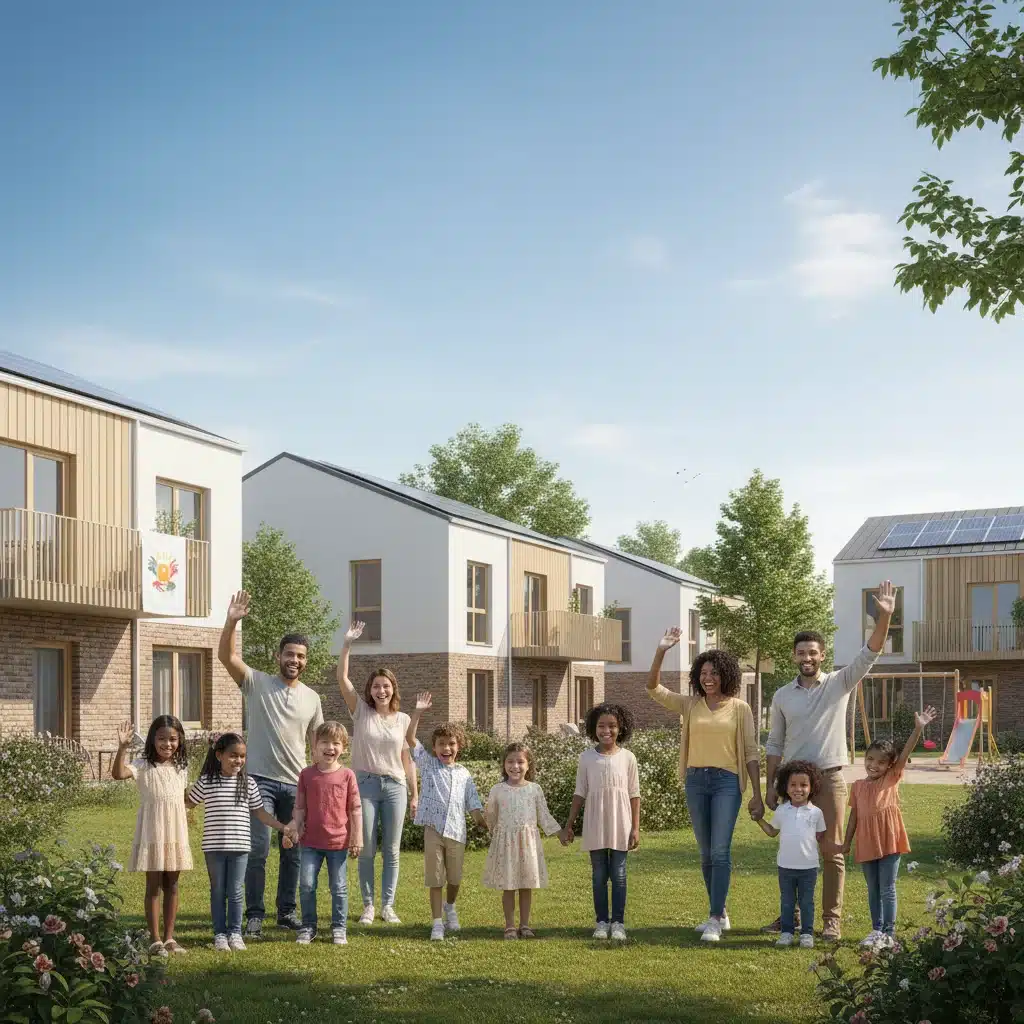
Federal Housing Assistance Program 2026: A New Dawn for 1 Million Families
The housing crisis has been a persistent challenge for millions of Americans, marked by escalating rents, stagnant wages, and a severe shortage of affordable living options. In response to this pressing national issue, the federal government has announced a groundbreaking initiative: the launch of a new Federal Housing Program scheduled for June 2026. This ambitious program aims to provide critical housing assistance to an estimated 1 million families across the nation, marking a significant step towards addressing housing insecurity and promoting economic stability. Understanding the intricacies of this new program is paramount for potential beneficiaries, housing advocates, and policy makers alike. This comprehensive guide will delve into the objectives, eligibility criteria, application process, and anticipated impact of this transformative federal housing program.
Understanding the Scope and Objectives of the New Federal Housing Program
The newly unveiled Federal Housing Program represents a monumental effort to alleviate the burden of housing costs for low-income and vulnerable families. At its core, the program seeks to enhance housing affordability, reduce homelessness, and improve living conditions for a substantial portion of the American population. The initiative is not merely about providing financial aid; it’s a holistic approach designed to create sustainable housing solutions and foster stronger communities.
Addressing the National Housing Crisis
For decades, the United States has grappled with a deepening housing affordability crisis. The gap between housing costs and median incomes has widened, pushing many families to the brink of financial instability. Rental prices have soared in urban and suburban areas, while the supply of affordable housing units has failed to keep pace with demand. This imbalance has led to increased instances of homelessness, overcrowding, and families spending an unsustainable portion of their income on housing. The Federal Housing Program aims to directly confront these challenges by injecting significant resources and policy changes into the housing market.
Key Objectives of the Program
- Increase Affordability: A primary goal is to make housing more affordable for low-income households through rental subsidies, down payment assistance, and support for affordable housing development.
- Reduce Homelessness: By providing stable housing options, the program seeks to significantly decrease the number of individuals and families experiencing homelessness.
- Improve Housing Quality: The program will also focus on ensuring that assisted housing meets basic quality and safety standards, promoting healthy living environments.
- Promote Economic Stability: By freeing up household income previously allocated to exorbitant housing costs, the program aims to enable families to invest in education, healthcare, and other essential needs, thereby fostering greater economic stability.
- Support Community Development: Beyond individual families, the program intends to stimulate local economies through construction and renovation projects, creating jobs and revitalizing neighborhoods.
The scale of this endeavor, targeting 1 million families, underscores the federal government’s commitment to tackling one of the nation’s most persistent socio-economic issues. The success of this Federal Housing Program will be measured not just by the number of families assisted, but by the lasting positive changes it brings to their lives and communities.
Eligibility Criteria: Who Qualifies for the Federal Housing Program?
A crucial aspect of any assistance program is its eligibility criteria. The new Federal Housing Program is designed to reach those most in need while ensuring responsible allocation of resources. While specific details are still being finalized and may be subject to minor adjustments before the June 2026 launch, general guidelines have been outlined to help potential beneficiaries understand if they might qualify.
Income Thresholds and Household Size
The program will primarily target low-to-moderate income households. Eligibility will likely be determined based on a percentage of the Area Median Income (AMI) for a given region. Typically, federal housing programs categorize income levels as follows:
- Extremely Low-Income: Households earning 30% or less of the AMI.
- Very Low-Income: Households earning between 30% and 50% of the AMI.
- Low-Income: Households earning between 50% and 80% of the AMI.
The exact AMI percentages for eligibility under this new Federal Housing Program will be specified closer to the launch date. Household size will also play a significant role, as AMI varies based on the number of individuals residing in a household. Larger families often have higher income thresholds for eligibility.
Specific Vulnerable Populations
In addition to income requirements, the program is expected to prioritize certain vulnerable populations. These may include:
- Families with Children: Particularly those experiencing housing instability.
- Elderly Individuals: Seniors often face fixed incomes and rising housing costs.
- Individuals with Disabilities: Ensuring access to accessible and affordable housing.
- Veterans: Providing support for those who have served the nation.
- Homeless Individuals and Families: A dedicated effort to transition people from homelessness to stable housing.
Specific set-asides or preferential treatment for these groups are common in federal assistance programs and are anticipated for this new Federal Housing Program. Documentation proving status within these categories will be required during the application process.
Residency and Other Requirements
Applicants will generally need to be U.S. citizens or eligible non-citizens. There may also be requirements regarding current housing status (e.g., currently homeless, at risk of homelessness, or living in substandard conditions) and a clean rental history, though provisions for those with past challenges are often included to ensure inclusivity.

The Application Process: Navigating the Federal Housing Program
The successful implementation of the Federal Housing Program hinges on an accessible and streamlined application process. While the full details of the application portal and procedures are still under development, preliminary information suggests a multi-faceted approach designed to make the program accessible to a broad demographic.
Anticipated Application Channels
It is expected that applications for the Federal Housing Program will be accepted through several channels to accommodate diverse needs:
- Online Portal: A dedicated federal website will likely serve as the primary hub for information and online applications. This portal will guide applicants through eligibility checks and required documentation.
- Local Housing Authorities (LHAs): Local public housing agencies often play a critical role in administering federal programs. They will likely be a key point of contact for in-person assistance, application submission, and support for individuals who may not have internet access or require language assistance.
- Community-Based Organizations (CBOs): Non-profit organizations specializing in housing assistance and social services are expected to partner with the government to provide outreach, pre-screening, and application support to vulnerable populations.
The goal is to ensure that no eligible family is left behind due to technological barriers or lack of information. The program’s success will depend heavily on robust outreach efforts to inform communities about its launch and how to apply for the new Federal Housing Program.
Required Documentation
Applicants should prepare to submit a range of documents to verify their eligibility. Common requirements for federal housing assistance programs include:
- Proof of Identity: Government-issued IDs for all adult household members.
- Proof of Income: Pay stubs, tax returns, benefit statements (e.g., Social Security, unemployment), or other income verification.
- Proof of Residency: Utility bills, lease agreements, or other documents confirming current address.
- Household Composition: Birth certificates for children, marriage certificates, or other documents to verify family size and relationships.
- Assets Verification: Bank statements, retirement accounts, or other financial asset documentation.
- Disability or Veteran Status: Relevant documentation if applying under these specific categories.
It is advisable for prospective applicants to start gathering these documents well in advance of the June 2026 launch to expedite the application process for the Federal Housing Program.
Timeline and Key Dates
While the official launch is set for June 2026, it is anticipated that a pre-registration or interest form period may open earlier to gauge demand and provide early information to potential applicants. Public awareness campaigns are also expected to ramp up in late 2025 and early 2026. Keeping an eye on official government announcements and local housing authority websites will be crucial for staying informed about specific dates and deadlines for the Federal Housing Program.
Anticipated Impact and Long-Term Vision of the Federal Housing Program
The introduction of the new Federal Housing Program is poised to have a profound and far-reaching impact on both individual families and the national economy. Beyond providing immediate relief, the program aims to foster long-term stability and address systemic issues within the housing sector.
Impact on Families and Communities
For the 1 million families directly benefiting from the program, the impact will be transformative. Stable and affordable housing is a cornerstone of well-being, influencing everything from health outcomes to educational attainment and employment stability. Children growing up in stable homes are more likely to succeed in school, while adults can pursue better job opportunities without the constant stress of housing insecurity. Communities will also benefit from reduced homelessness, fewer vacant properties, and increased local economic activity driven by construction and renovation projects associated with the program. This Federal Housing Program is not just about roofs over heads; it’s about building futures.
Economic Implications
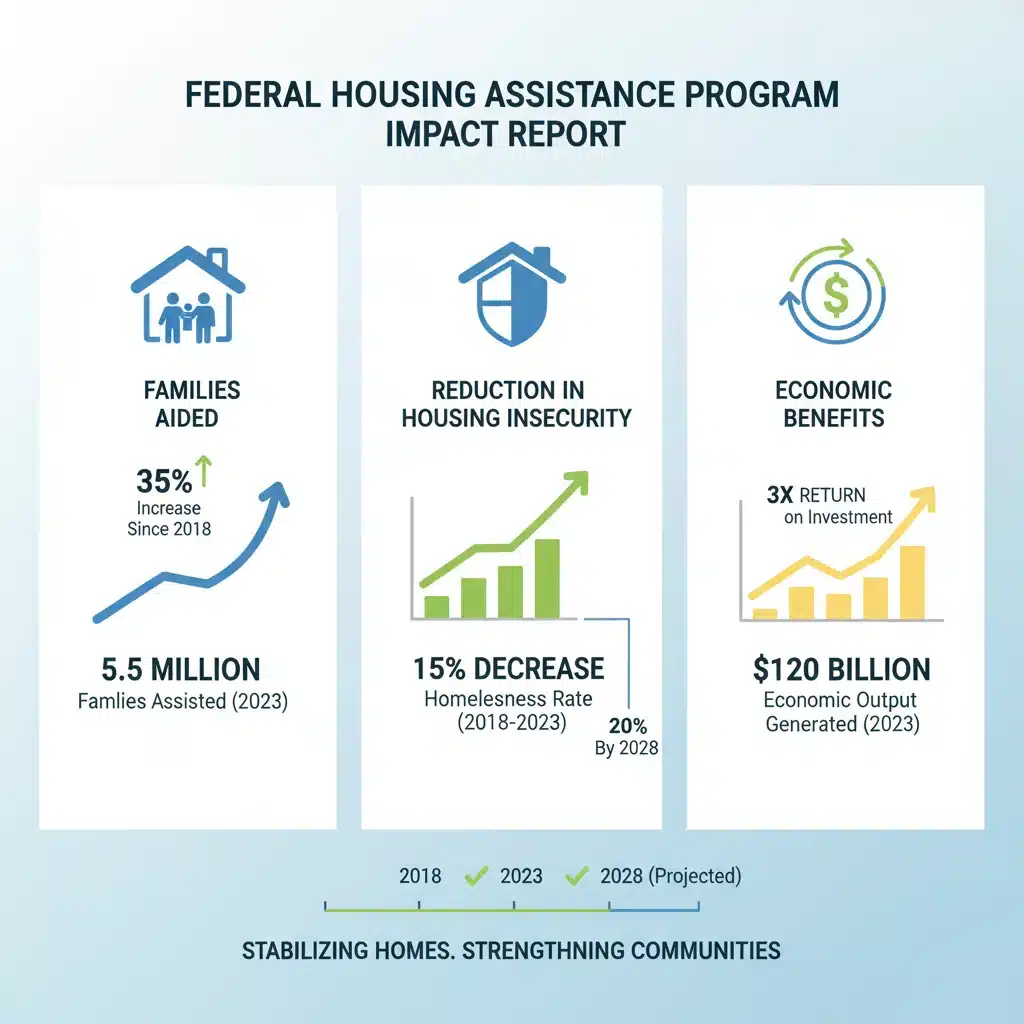
Economically, the Federal Housing Program is expected to generate significant positive ripple effects. Increased housing stability can lead to a more productive workforce, reduced healthcare costs associated with homelessness, and greater consumer spending as families have more disposable income. Investment in affordable housing development will create jobs in construction, real estate, and related industries. Furthermore, by addressing housing insecurity, the program can help mitigate broader economic inequalities and contribute to a more equitable distribution of wealth. The long-term economic benefits of a stable housing market are undeniable and are a key driver behind this ambitious Federal Housing Program.
Challenges and Future Outlook
While the intentions behind the Federal Housing Program are laudable, its implementation will not be without challenges. Ensuring equitable distribution of resources, managing bureaucratic hurdles, and adapting to regional housing market variations will require careful planning and continuous oversight. Critics may raise concerns about funding sustainability, potential market distortions, or the sheer logistical complexity of aiding 1 million families simultaneously. However, proponents emphasize that the long-term societal benefits far outweigh these challenges. The program is designed to be adaptable, with mechanisms for review and adjustment to ensure its effectiveness over time.
The long-term vision extends beyond simply providing housing. It aims to integrate housing assistance with other social services, such as job training, childcare, and healthcare, to create a more comprehensive support system for families. This integrated approach is crucial for breaking cycles of poverty and ensuring that the benefits of the Federal Housing Program are sustained for generations to come. It represents a commitment to the idea that safe, affordable housing is a fundamental human right and a cornerstone of a prosperous society.
Preparing for the 2026 Launch of the Federal Housing Program
With the June 2026 launch date approaching, proactive preparation is key for both potential beneficiaries and stakeholders involved in housing assistance. Understanding what steps can be taken now will help ensure a smoother transition once the program is officially underway.
For Potential Applicants
If you believe you might be eligible for the Federal Housing Program, there are several actions you can take today:
- Stay Informed: Regularly check official government websites (e.g., HUD.gov) and local housing authority pages for updates regarding the program. Subscribe to newsletters or alerts if available.
- Gather Documents: Start compiling all necessary identification, income verification, and residency documents. Having these ready will significantly speed up your application process.
- Assess Your Needs: Understand your current housing situation and what kind of assistance would be most beneficial (e.g., rental subsidy, homeownership support).
- Seek Local Guidance: Contact local housing counseling agencies or community organizations. They often have early information and can provide pre-screening advice.
Being prepared will not only increase your chances of successful application but also reduce stress during what can be a complex process. The Federal Housing Program is a significant opportunity, and being ready to act is essential.
For Housing Providers and Organizations
Housing authorities, non-profits, landlords, and developers also have a vital role to play in the success of the Federal Housing Program:
- Engage with Federal Agencies: Participate in informational webinars and outreach events organized by federal housing departments to understand program requirements and partnership opportunities.
- Prepare Inventory: Developers and landlords should assess their existing or planned affordable housing units to determine how they might align with the program’s objectives.
- Build Capacity: Local housing authorities and CBOs should begin preparing their staff and resources to handle the anticipated increase in inquiries and applications. This may involve training on new program guidelines and improving technological infrastructure.
- Advocate: Continue to advocate for policies that complement the Federal Housing Program, such as zoning reforms, increased housing development, and supportive services for beneficiaries.
Collaboration between all stakeholders will be crucial to maximize the reach and effectiveness of this ambitious national initiative. The success of the Federal Housing Program depends on a concerted effort from all sectors.
Conclusion: A New Era for Housing Stability
The upcoming launch of the Federal Housing Program in June 2026 marks a pivotal moment in the nation’s efforts to combat housing insecurity. With a goal to aid 1 million families, this initiative represents a substantial federal commitment to ensuring that safe, affordable, and stable housing is within reach for more Americans. The program’s comprehensive approach, encompassing affordability, quality, and community development, has the potential to transform lives and foster stronger, more resilient communities across the country.
While the road ahead involves careful planning and execution, the promise of this Federal Housing Program is immense. By staying informed, preparing diligently, and fostering collaboration among all stakeholders, we can collectively work towards a future where housing is a foundation for opportunity and well-being, rather than a source of perpetual struggle. The coming years will be critical in shaping the success of this landmark program, and its impact will be felt by generations to come.