New Tax Code Revisions 2026: What 30 Million Americans Need to Know

New tax code revisions for 2026 are on the horizon, potentially affecting 30 million Americans through changes to deductions, credits, and income thresholds, requiring proactive financial planning.
An urgent alert: new tax code revisions for 2026 could affect 30 million Americans – what you need to know now is critical for every taxpayer. These upcoming changes are not just minor adjustments; they represent a significant overhaul that could reshape personal and business finances across the nation. Understanding these shifts early can provide a crucial advantage, allowing you to prepare and adapt rather than being caught off guard.
Understanding the Looming Tax Law Changes for 2026
The year 2026 marks a pivotal moment for the American tax landscape. Several key provisions from the Tax Cuts and Jobs Act (TCJA) of 2017 are set to expire, triggering automatic changes that could dramatically alter tax liabilities for millions. These sunset provisions primarily impact individual income tax rates, standard deductions, and various credits, making it essential for taxpayers to grasp the scale of these impending shifts.
Preparing for these changes involves more than just a passing glance at headlines. It demands a detailed understanding of which specific parts of the tax code are reverting to their pre-TCJA status and what new legislative efforts might be underway to either extend or modify these provisions. The uncertainty surrounding future congressional action adds another layer of complexity, emphasizing the need for ongoing vigilance and adaptable financial strategies.
Key Provisions Set to Expire
- Individual Income Tax Rates: The lower tax rates for most brackets introduced by the TCJA are scheduled to revert to higher, pre-2018 levels. This could mean a larger portion of income being taxed at a higher percentage.
- Standard Deduction Amounts: The significantly increased standard deduction, which reduced the need for many to itemize, will decrease. This change might push more taxpayers back into itemizing their deductions.
- Deduction for State and Local Taxes (SALT) Cap: The $10,000 cap on SALT deductions is set to expire, potentially offering relief to homeowners in high-tax states, but the overall tax environment may still be challenging.
- Child Tax Credit Modifications: While the base Child Tax Credit is permanent, some enhancements made by the TCJA are set to expire, which could reduce the credit amount for eligible families.
The expiration of these provisions means that tax planning strategies that have been effective since 2018 may no longer be optimal. Individuals and businesses will need to re-evaluate their financial approaches, considering the potential for higher taxes and fewer available deductions. This proactive review is crucial for mitigating adverse impacts and identifying new opportunities within the revised framework.
In essence, the 2026 tax environment promises a return to certain pre-TCJA norms, coupled with the potential for new legislative interventions. Taxpayers should begin familiarizing themselves with these expiring provisions and consider how these changes might specifically affect their household budgets and investment plans.
Who Will Be Most Affected by the 2026 Tax Code Revisions?
While the 2026 tax code revisions have the potential to impact a broad spectrum of Americans, certain demographics and income groups are likely to feel the effects more acutely. Understanding these targeted impacts can help individuals assess their personal vulnerability and take appropriate steps. The changes are not uniformly distributed; they often concentrate their influence on specific financial situations.
Generally, middle and upper-middle-income earners, as well as families with children, are among those who could experience the most significant shifts in their tax obligations. These groups often benefited substantially from the TCJA’s reductions in individual income tax rates and the increased standard deduction, making them more susceptible to the upcoming reversals. Businesses, especially small and medium-sized enterprises, might also face new challenges related to pass-through income deductions.
Demographic Groups Facing Higher Impact
- Middle-Income Households: These households often saw their tax burden reduced by lower rates and a higher standard deduction. As these revert, they may face higher effective tax rates and reduced take-home pay.
- Families with Children: While the Child Tax Credit generally remains, some of its expanded benefits under the TCJA are expiring, potentially reducing the financial support available to these families.
- High-Income Earners: Although some provisions primarily benefited lower and middle incomes, high-income earners will also see changes in their top marginal rates and potentially in the taxation of investment income.
- Homeowners in High-Tax States: The potential expiration of the SALT cap could offer relief, but if other deductions decrease, the net effect might still be negative depending on individual circumstances.
Small business owners operating as pass-through entities (S-corps, partnerships, sole proprietorships) also need to pay close attention. The 20% qualified business income (QBI) deduction, a significant benefit under the TCJA, is scheduled to expire. This could lead to a substantial increase in their taxable income, requiring a re-evaluation of business structures and compensation strategies. Planning for this change now can alleviate future financial strain.
Ultimately, the impact will vary based on individual financial circumstances, including income level, family size, homeownership status, and business interests. It is not a one-size-fits-all scenario, underscoring the importance of personalized tax planning. Consulting with a financial advisor can provide clarity on how these revisions specifically target your situation.
Key Changes to Standard Deductions and Itemized Deductions
One of the most impactful aspects of the impending 2026 tax code revisions involves the significant alterations to both standard and itemized deductions. The TCJA dramatically increased the standard deduction, leading many taxpayers who previously itemized to opt for the simpler standard deduction. This shift streamlined tax filing for millions but also reduced the benefit of certain itemized expenses. With the expiration of these provisions, the landscape is set to change once again.
As the standard deduction amounts revert to their pre-TCJA levels, adjusted for inflation, they will be considerably lower than what taxpayers have become accustomed to. This reduction means that a greater number of individuals and families might find it advantageous to itemize their deductions once more. However, the rules around itemized deductions themselves, such as the SALT cap, are also in flux, making the decision between standard and itemized more complex.
Impact on Standard Deduction
- Reduced Amounts: The standard deduction for single filers, married couples filing jointly, and heads of household will decrease significantly. For example, a married couple filing jointly might see their standard deduction drop by thousands of dollars.
- Increased Taxable Income: A lower standard deduction directly translates to a higher portion of income being subject to taxation, potentially increasing overall tax liability for many.
On the flip side, the potential expiration of the $10,000 cap on state and local tax (SALT) deductions could be a silver lining for some. Taxpayers in states with high property taxes and income taxes, who were particularly hit by the SALT cap, might see a substantial increase in their itemized deductions. This could partially offset the impact of a lower standard deduction, especially for high-income homeowners.
However, the interplay between these changes is crucial. Even if the SALT cap expires, other itemized deductions might still be subject to limitations or phase-outs. Taxpayers will need to carefully track all their eligible expenses, from mortgage interest and charitable contributions to medical expenses, to determine if itemizing becomes the more beneficial option. This renewed emphasis on record-keeping and detailed financial tracking will be a key component of navigating the 2026 tax season effectively.
The shift in deduction strategies will require taxpayers to be more proactive in their tax planning. Evaluating whether to itemize or take the standard deduction will no longer be a straightforward choice for many, necessitating a thorough review of all potential deductions and credits available under the revised code. This proactive approach can help minimize tax burdens and maximize financial benefits.
Understanding the Changes to Tax Brackets and Rates
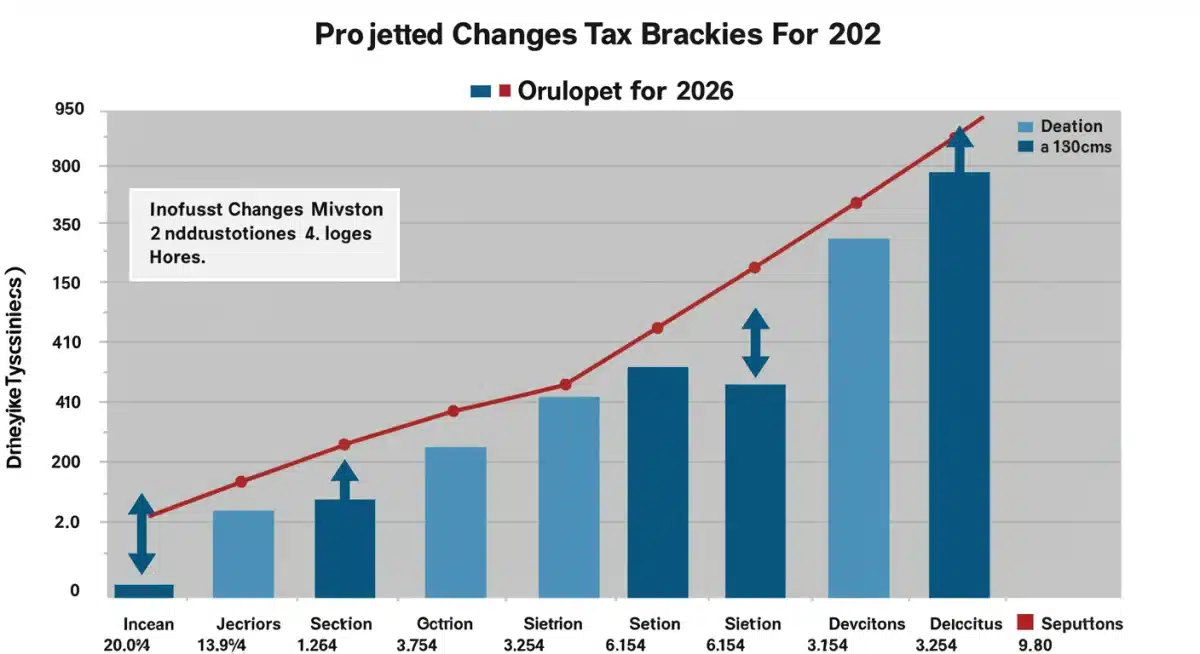
The upcoming 2026 tax code revisions are poised to bring about significant adjustments to federal income tax brackets and rates. These changes are a direct consequence of the sunset provisions of the TCJA, which introduced lower marginal tax rates across most income levels. As these provisions expire, taxpayers can expect to see a return to higher rates that were in effect prior to 2018, potentially impacting their disposable income and overall financial planning.
The current seven federal income tax brackets, ranging from 10% to 37%, are expected to revert to their pre-TCJA counterparts, which had rates spanning from 10% to 39.6%. This means that for many income levels, a larger percentage of earnings will be subject to taxation. Understanding where your income falls within these revised brackets will be crucial for forecasting your future tax liability and adjusting your financial strategies accordingly.
Anticipated Federal Income Tax Bracket Changes
- Higher Marginal Rates: Most tax brackets will likely see an increase in their top marginal rates. For instance, the current 37% top rate is expected to return to 39.6%.
- Bracket Widening: The income thresholds for each bracket will also be adjusted for inflation, but the overall structure will generally mean that more income falls into higher-taxed categories compared to the TCJA era.
- Impact on Different Earners: While higher earners will certainly feel the pinch of increased top rates, middle-income taxpayers might also see their effective tax rates rise due to changes in lower and mid-range brackets.
These adjustments to tax rates and brackets have broad implications, extending beyond just the amount of tax paid. They can influence decisions related to investment strategies, retirement planning, and even career choices. For example, individuals might reconsider the timing of selling assets or taking bonuses to avoid falling into a higher tax bracket in a particular year. Businesses might also re-evaluate compensation packages and profit distribution strategies.
It’s important to remember that these changes are not merely hypothetical; they are scheduled to occur automatically unless Congress intervenes with new legislation. While there’s always a possibility of legislative action, prudent financial planning necessitates preparing for the current scheduled reversion. This involves reviewing your current income, projecting future earnings, and understanding how these amounts will interact with the new bracket structure.
In conclusion, the reversion to pre-TCJA tax brackets and rates will require a fresh look at income management. Taxpayers should consult with financial professionals to model their potential tax liabilities under the new structure and explore strategies to optimize their income and deductions within the revised framework.
Strategic Financial Planning Amidst Tax Uncertainty
Navigating the impending 2026 tax code revisions demands a proactive and strategic approach to financial planning. With significant uncertainties surrounding specific legislative outcomes, taxpayers must focus on adaptable strategies that can withstand various scenarios. The goal is not just to react to changes but to anticipate them, positioning your finances to minimize adverse impacts and capitalize on any new opportunities.
Effective planning begins with a thorough review of your current financial situation, including income sources, expenses, investments, and existing tax strategies. This baseline assessment allows you to model potential impacts of the scheduled tax changes and identify areas where adjustments might be most beneficial. It’s about building resilience into your financial plan, ensuring it can absorb the shocks of tax reform.
Key Strategies for Proactive Planning
- Income Timing: Consider accelerating income into 2025 if you anticipate higher tax rates in 2026 and beyond. Conversely, deferring income might be beneficial if future rates are expected to be lower, though this is less likely given the current outlook.
- Deduction Optimization: Review your itemized deductions for 2025. If you are close to the standard deduction threshold, consider “bunching” deductions (e.g., charitable contributions) into one year to exceed the standard deduction threshold before it potentially lowers in 2026.
- Retirement Contributions: Maximize contributions to tax-advantaged retirement accounts like 401(k)s and IRAs. These contributions reduce your taxable income and grow tax-deferred, providing a shield against higher rates.
- Investment Review: Re-evaluate your investment portfolio. Consider tax-loss harvesting or adjusting asset allocation to better align with potential changes in capital gains taxes or dividend taxation.
Another crucial element of strategic planning is staying informed. Tax legislation is dynamic, and while the sunset provisions are currently set, Congress could still act to extend some of them or introduce new reforms. Subscribing to financial news, consulting with tax professionals, and regularly reviewing official IRS guidance can help you stay ahead of any new developments. This ongoing education is vital for making timely and informed decisions.
Furthermore, consider the long-term implications of these changes on your estate planning. Higher estate taxes or different rules around inherited assets could require adjustments to wills, trusts, and beneficiary designations. A holistic approach that integrates tax planning with broader financial and estate planning goals will be the most effective way to navigate the complexities of the 2026 revisions.
In essence, strategic financial planning amidst tax uncertainty means being flexible, informed, and proactive. By taking these steps now, you can mitigate potential negative impacts and ensure your financial future remains secure, regardless of how the tax code ultimately evolves.
Potential Economic Repercussions and Individual Responses
The 2026 tax code revisions are not merely a matter of individual tax bills; they carry the potential for broader economic repercussions that could influence consumer behavior, business investment, and overall market stability. Understanding these larger economic shifts can help individuals and businesses make more informed decisions, adapting their personal responses to the prevailing economic climate.
If tax rates generally increase and deductions decrease, consumers might experience a reduction in disposable income. This could lead to a slowdown in consumer spending, which is a major driver of economic growth. Businesses, facing potentially higher tax burdens, might scale back expansion plans, reduce hiring, or pass increased costs onto consumers. These interconnected effects highlight the systemic nature of tax policy.
Broader Economic Impacts
- Consumer Spending: A decrease in take-home pay could lead to reduced consumer spending, impacting retail, services, and other sectors reliant on discretionary income.
- Business Investment: Higher corporate or pass-through business taxes might disincentivize new investments, potentially slowing economic growth and job creation.
- Inflationary Pressures: If businesses pass increased tax costs onto consumers, it could contribute to inflationary pressures, making goods and services more expensive.
- Market Volatility: Uncertainty surrounding tax policy can lead to increased volatility in financial markets as investors react to potential changes in corporate profits and economic outlooks.
From an individual perspective, these potential economic repercussions necessitate careful budgeting and financial resilience. Building an emergency fund becomes even more critical, providing a buffer against unexpected financial strains. Diversifying investments and avoiding over-reliance on a single income source can also offer greater stability in an uncertain economic environment. It’s about preparing for a potential tightening of economic conditions.
Furthermore, the changes might influence decisions regarding employment and entrepreneurship. Some individuals might seek higher-paying jobs or consider starting businesses that offer greater tax advantages under the new code. The real estate market could also see adjustments, particularly in high-tax areas, if the SALT cap changes significantly impact homeowner finances. These are all interconnected forces at play.
Ultimately, while the exact economic outcomes are subject to many variables, individuals and businesses should consider the potential for a more challenging economic landscape post-2025. Proactive financial planning, coupled with a keen awareness of economic trends, will be vital for successfully navigating these broader shifts and safeguarding personal financial well-being.
Resources and Next Steps for American Taxpayers
Given the complexity and potential impact of the 2026 tax code revisions, American taxpayers must proactively seek reliable resources and take definitive next steps to prepare. Waiting until the last minute can lead to missed opportunities or avoidable financial burdens. The key is to leverage available information and professional guidance to formulate a robust strategy tailored to your unique situation.
The Internal Revenue Service (IRS) will be a primary source for official guidance and updates as 2026 approaches. Regularly checking the IRS website for new publications, FAQs, and announcements is crucial. Beyond official channels, reputable financial news outlets and tax advisory firms will offer analyses and practical advice tailored to different taxpayer profiles. Staying informed through multiple trusted sources is always recommended.
Essential Resources and Actions
- Consult a Tax Professional: Engage with a certified public accountant (CPA) or a qualified tax advisor. They can provide personalized advice, analyze your specific financial situation, and help you model the impact of the changes.
- Utilize IRS Publications: Regularly review IRS.gov for official updates, forms, and guidance related to the expiring provisions and any new legislation.
- Financial Planning Software: Explore financial planning software or online calculators that can help you project your tax liability under different scenarios.
- Attend Webinars and Seminars: Many financial institutions and professional organizations will host webinars and seminars discussing the 2026 tax changes. These can be excellent opportunities for learning and asking questions.
- Review Your Withholding: Adjust your W-4 form with your employer if necessary, to ensure your tax withholding is appropriate for the upcoming changes, preventing underpayment or overpayment.
Beyond seeking information, specific actions should be considered. This includes organizing all your financial records well in advance, from income statements and investment documents to records of potential deductions. Good record-keeping will be invaluable when it comes time to file your taxes under the new rules. Also, consider reviewing your estate plan to ensure it aligns with any potential changes to estate and gift taxes.
For small business owners, engaging with a business tax specialist is paramount. They can help evaluate the impact of the Qualified Business Income (QBI) deduction expiration and advise on potential changes to business structure or tax-efficient strategies. The complexities for businesses often require specialized expertise to navigate effectively.
In summary, successful navigation of the 2026 tax code revisions hinges on a combination of diligent information gathering, professional consultation, and proactive personal action. By taking these steps now, you can transform potential challenges into manageable adjustments, securing your financial health in the years to come.
| Key Aspect | Brief Description |
|---|---|
| TCJA Sunset Provisions | Key elements of the 2017 Tax Cuts and Jobs Act, including individual tax rates and deductions, are set to expire, reverting to pre-2018 levels. |
| Impacted Groups | Middle to upper-middle-income households, families with children, and small businesses are likely to experience the most significant changes. |
| Deduction Changes | Standard deductions will decrease, potentially making itemizing more attractive, especially if the SALT cap is lifted. |
| Strategic Planning | Proactive steps like income timing, deduction optimization, and consulting tax professionals are crucial for adaptation. |
Frequently Asked Questions About 2026 Tax Revisions
The primary changes involve the expiration of several provisions from the Tax Cuts and Jobs Act (TCJA) of 2017. This includes a reversion to higher individual income tax rates, lower standard deduction amounts, and modifications to certain tax credits, affecting various taxpayer groups across the United States.
The standard deduction amounts, significantly increased by the TCJA, are scheduled to revert to their pre-2018 levels, adjusted for inflation. This means many taxpayers will see a reduced standard deduction, potentially prompting more individuals to itemize their deductions to minimize their taxable income.
While the base Child Tax Credit is permanent, some enhancements made by the TCJA are set to expire. This could result in a reduction of the credit amount for eligible families, impacting financial support for parents and guardians across the country.
It is advisable to review your current financial situation, consider accelerating income or bunching deductions into 2025, and maximize contributions to retirement accounts. Consulting with a qualified tax professional is crucial for personalized advice and strategic planning.
Potential economic repercussions include reduced consumer spending due to lower disposable income, decreased business investment if corporate taxes rise, and possible inflationary pressures. These factors could lead to increased market volatility and a general tightening of economic conditions.
Conclusion
The impending 2026 tax code revisions represent a significant juncture for American taxpayers. With numerous provisions from the TCJA set to expire, millions of individuals and businesses face potential shifts in their tax liabilities, deductions, and overall financial outlook. These changes are not just administrative; they carry tangible implications for household budgets, investment strategies, and broader economic stability. Proactive engagement with these updates, through diligent research, professional consultation, and strategic financial planning, is paramount. By understanding who will be most affected, anticipating changes to deductions and rates, and taking decisive steps now, taxpayers can effectively navigate this complex landscape and secure their financial well-being in the years to come. Staying informed and adaptable will be the keys to success.