Navigating 2026 Special Education Law Updates: A Comprehensive Guide
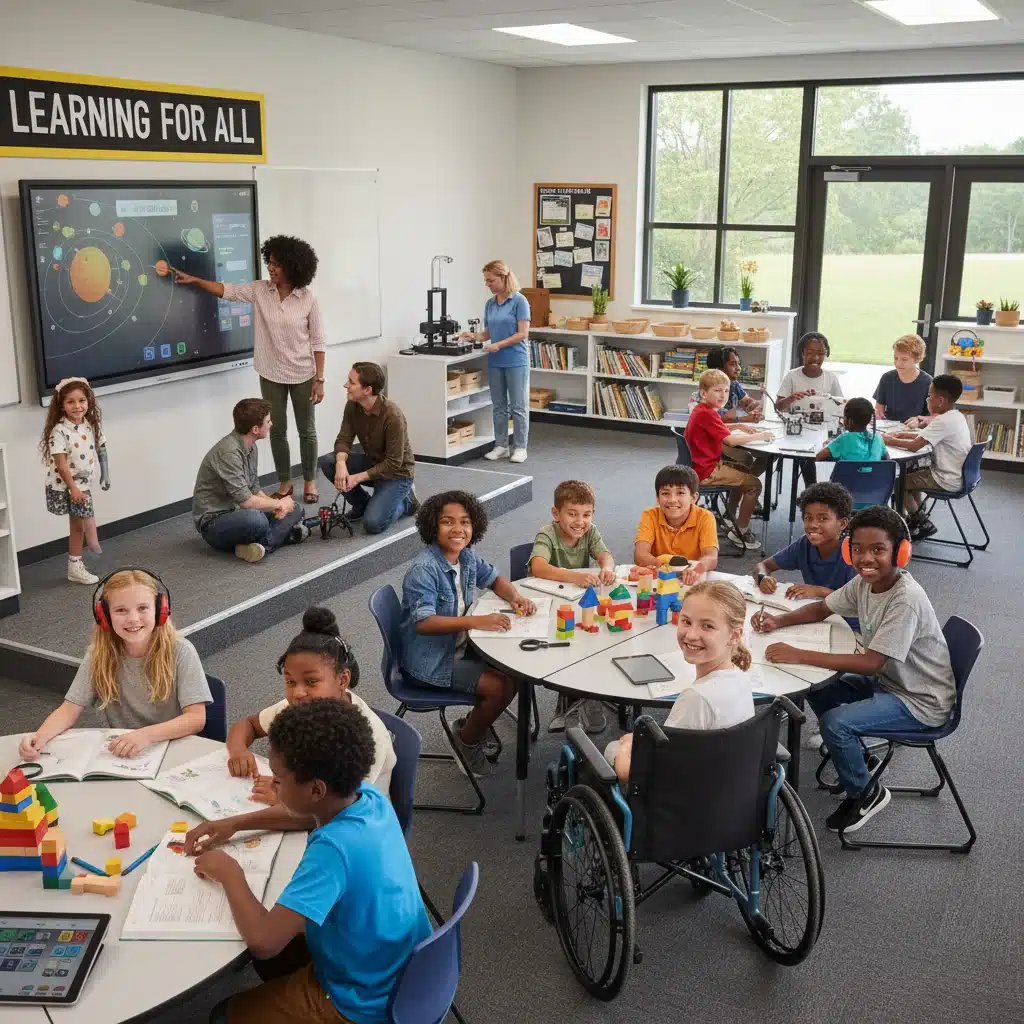
The landscape of education is ever-evolving, and perhaps no area experiences more critical shifts than special education. For millions of students with disabilities, their families, and the dedicated professionals who serve them, understanding the legal framework governing their education is paramount. As we look towards 2026, significant updates to U.S. special education laws are on the horizon, promising to redefine student rights, school responsibilities, and parental involvement. These changes are not merely bureaucratic adjustments; they represent a renewed commitment to ensuring that every child, regardless of ability, receives a Free Appropriate Public Education (FAPE) in the Least Restrictive Environment (LRE).
This comprehensive guide delves into the anticipated special education law updates for 2026, offering a detailed analysis of what these modifications entail. We will explore the driving forces behind these revisions, the specific areas of impact, and the practical implications for all stakeholders. Our goal is to equip parents, educators, administrators, and advocates with the knowledge necessary to navigate these changes effectively, ensuring that the spirit and letter of the law translate into improved educational outcomes and enhanced student rights.
The Individuals with Disabilities Education Act (IDEA), the cornerstone of special education law in the United States, has undergone several reauthorizations and amendments since its inception. Each revision has sought to address emerging challenges, incorporate best practices, and strengthen protections for students with disabilities. The 2026 updates are no exception, reflecting contemporary understanding of disability, advancements in educational pedagogy, and a heightened focus on equity and inclusion. Preparing for these changes requires proactive engagement and a thorough understanding of their nuances. Let’s embark on this journey to unpack the future of special education law.
The Genesis of the 2026 Special Education Law Updates
Understanding the impetus behind the upcoming special education law updates is crucial for appreciating their scope and intent. Legislative changes rarely occur in a vacuum; they are typically a response to identified needs, gaps in existing policy, or evolving societal perspectives. Several factors are contributing to the 2026 revisions:
Addressing Achievement Gaps and Equity Concerns
Despite decades of IDEA implementation, significant achievement gaps persist between students with disabilities and their non-disabled peers. Data consistently highlights disparities in academic performance, graduation rates, and post-secondary outcomes. The 2026 updates aim to address these persistent gaps by reinforcing accountability measures, promoting evidence-based instructional practices, and ensuring equitable access to high-quality education for all students with disabilities. A particular focus is expected on students from marginalized communities who often face compounded challenges due to intersecting identities.
Incorporating Technological Advancements
Technology has revolutionized education, offering unprecedented opportunities for personalized learning, assistive devices, and remote instruction. The existing legal framework, while adaptable, may not fully capture the potential or address the challenges presented by these rapid technological advancements. The 2026 special education law updates are likely to include provisions that clarify the role of technology in FAPE, accessibility requirements for digital learning platforms, and the integration of assistive technology into IEPs more seamlessly.
Strengthening Parental and Student Voice
Parental involvement is a bedrock principle of IDEA. However, practical implementation can sometimes fall short, with parents feeling disenfranchised or overwhelmed by complex legal processes. The upcoming revisions are expected to strengthen mechanisms for meaningful parental participation, enhance communication between schools and families, and provide clearer pathways for dispute resolution. Furthermore, there’s a growing recognition of the importance of student voice in their own educational planning, particularly as they transition into adulthood. Provisions may be introduced to empower students with disabilities to participate more actively in their IEP meetings and self-advocacy efforts.
Refining Transition Services
The transition from high school to post-secondary education, vocational training, employment, and independent living remains a critical area for improvement. Many students with disabilities struggle to achieve successful outcomes in these areas. The 2026 special education law updates are anticipated to refine and expand the requirements for transition services, ensuring they are more individualized, comprehensive, and focused on measurable post-secondary goals. This could involve earlier initiation of transition planning, stronger interagency collaboration, and a greater emphasis on functional life skills.
Addressing Mental Health and Behavioral Supports
The growing awareness of mental health challenges among students, including those with disabilities, necessitates a more robust legal framework for providing appropriate supports. The updates may emphasize the integration of mental health services into IEPs, strengthen requirements for positive behavioral interventions and supports (PBIS), and clarify the roles and responsibilities of schools in addressing students’ social-emotional needs. This is a crucial area where proactive interventions can significantly improve educational access and outcomes.
Key Areas of Impact: What to Expect from the 2026 Updates
While the precise language of the 2026 special education law updates will emerge closer to their effective date, based on current trends, legislative discussions, and advocacy priorities, several key areas are expected to see significant modifications. These changes will ripple through every aspect of special education, from identification to service delivery.
Enhanced Identification and Evaluation Processes
One of the persistent challenges in special education is the timely and accurate identification of students with disabilities. The 2026 updates may introduce more specific guidelines or requirements for child find efforts, particularly for underserved populations. There could be an increased emphasis on Response to Intervention (RTI) or Multi-Tiered Systems of Support (MTSS) as pre-referral interventions, ensuring that students receive appropriate support before formal evaluation. Additionally, the evaluation process itself might see refinements to ensure cultural and linguistic appropriateness, as well as a greater focus on functional assessments that inform instructional planning.
Strengthened Individualized Education Programs (IEPs)
The IEP is the heart of special education, outlining a student’s unique needs, goals, and services. The 2026 updates are likely to mandate more rigorous and measurable IEP goals, with a clearer link between present levels of performance and desired outcomes. There may be new requirements for detailing how supplementary aids and services are implemented and evaluated for effectiveness. Furthermore, the updates could strengthen the requirement for IEPs to address the whole child, including social-emotional development, executive functioning skills, and mental health needs, moving beyond a purely academic focus.

Clarified Roles for Assistive Technology and Digital Accessibility
As education increasingly moves towards digital platforms and blended learning models, the accessibility of these resources for students with disabilities becomes paramount. The 2026 special education law updates are expected to provide clearer guidance on the provision of assistive technology (AT) devices and services, ensuring that AT is considered in every IEP. Moreover, there may be explicit requirements for schools to ensure that all digital content, learning management systems, and educational software are accessible to students with diverse needs, aligning with broader accessibility standards like WCAG (Web Content Accessibility Guidelines).
Refocused Discipline and Behavioral Interventions
Discipline policies for students with disabilities have long been a contentious area. The 2026 updates are likely to reinforce the emphasis on positive behavioral interventions and supports (PBIS) and functional behavioral assessments (FBAs) as proactive strategies to address challenging behaviors. There may be stricter guidelines regarding the use of exclusionary discipline (suspension, expulsion) for students with disabilities, particularly for behaviors linked to their disability. The goal is to keep students in their educational settings as much as possible, focusing on teaching appropriate behaviors rather than simply punishing misbehavior.
Enhanced Professional Development for Educators
Effective implementation of special education services hinges on the expertise of educators. The 2026 special education law updates may include provisions for increased and targeted professional development for general and special education teachers, paraprofessionals, and administrators. This training could focus on evidence-based instructional strategies, updated legal mandates, the effective use of assistive technology, and strategies for promoting mental health and positive behavior. This is a crucial area where proactive interventions can significantly improve educational access and outcomes. The aim is to build the capacity of the entire school community to support students with disabilities.
Implications for Parents and Guardians: Advocating for Your Child
For parents and guardians of students with disabilities, the 2026 special education law updates represent both challenges and opportunities. While the law aims to strengthen protections, active parental advocacy remains critical. Here’s what you need to know:
Understanding Your Rights and Responsibilities
The updates will likely reiterate and potentially expand parental rights under IDEA, including the right to participate in all IEP meetings, to receive prior written notice, to consent to evaluations and services, and to dispute resolution options. Familiarize yourself with these rights, as they are your most powerful tools for ensuring your child receives FAPE. The updates may also clarify parental responsibilities, such as providing timely information to the school and actively engaging in the educational process.
Proactive Engagement with Schools
Don’t wait for issues to arise. Be proactive in communicating with your child’s teachers, therapists, and administrators. Request regular updates, review progress reports diligently, and ask questions when you don’t understand something. The 2026 updates may provide new avenues for communication or require schools to offer more accessible information, but your active participation is always key.
Leveraging Dispute Resolution Mechanisms
While collaboration is always the preferred approach, disagreements can arise. The 2026 special education law updates may refine or introduce new dispute resolution options, such as mediation, facilitated IEP meetings, or due process hearings. Understand these options and when and how to utilize them. Seeking support from parent advocacy groups or special education attorneys can be invaluable if you find yourself in a dispute.
Staying Informed and Educated
The best advocate is an informed advocate. Attend workshops, webinars, and informational sessions offered by school districts, parent centers, or disability advocacy organizations. The more you understand the nuances of the 2026 updates and their practical application, the better equipped you will be to ensure your child’s needs are met. Connect with other parents to share experiences and knowledge.
Implications for Educators and School Districts: Adapting to Change
School districts, administrators, and educators are at the forefront of implementing the 2026 special education law updates. These changes will require significant adaptation, professional development, and resource allocation.
Reviewing and Revising Policies and Procedures
Districts will need to meticulously review all existing special education policies, procedures, and forms to ensure they align with the new legal requirements. This includes evaluation protocols, IEP templates, disciplinary guidelines, and transition planning documents. A thorough audit will be necessary to identify areas needing revision and to develop a clear implementation plan.
Investing in Professional Development
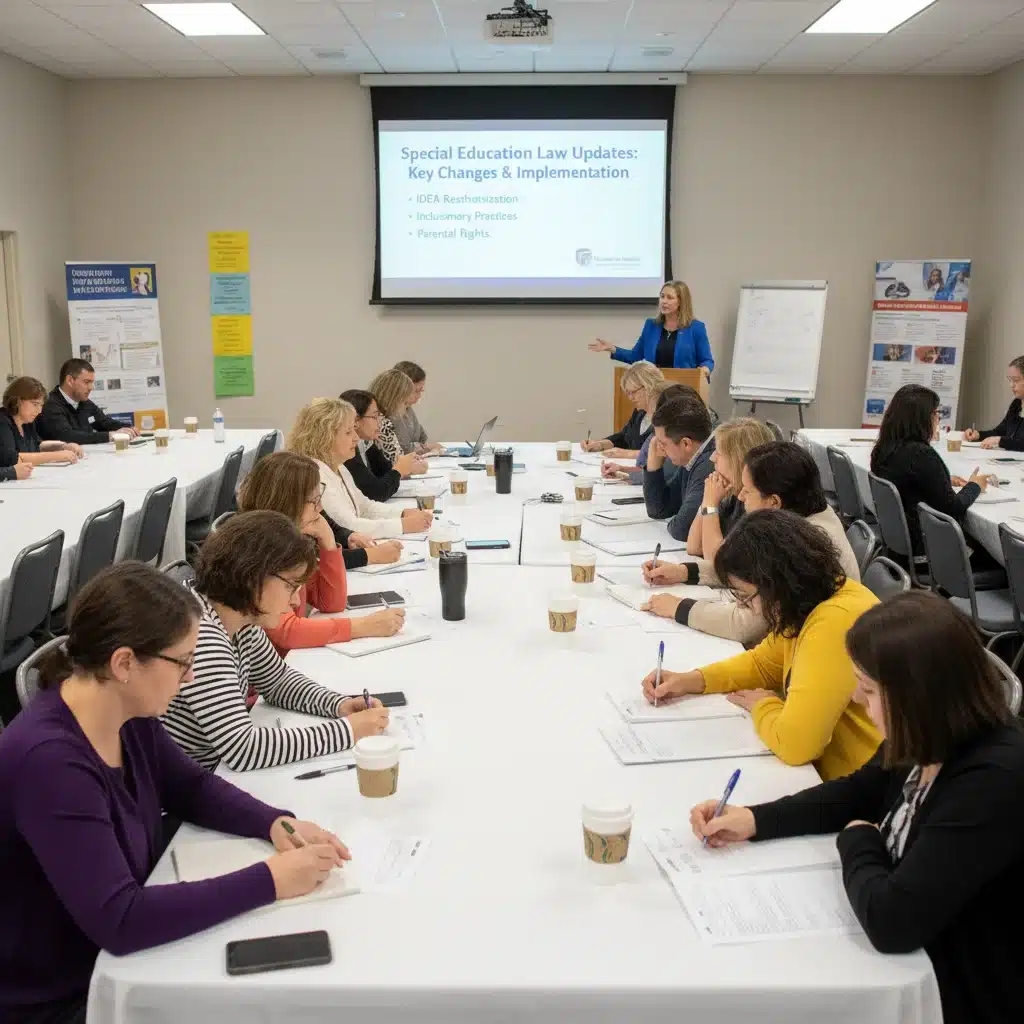
As mentioned, enhanced professional development will be crucial. Educators will need training on new instructional strategies, updated legal mandates, the effective use of assistive technology, and strategies for promoting mental health and positive behavior. This training should be ongoing, differentiated, and focused on practical application in the classroom.
Fostering Collaborative Practices
The 2026 updates will likely emphasize even greater collaboration among general education teachers, special education teachers, related service providers, and administrators. Creating structures and opportunities for regular team meetings, co-planning, and shared problem-solving will be essential for effective implementation. Strong home-school collaboration will also be a key focus, requiring clear communication protocols and parent engagement strategies.
Resource Allocation and Budgeting
Implementing new mandates often requires additional resources. Districts will need to assess their current staffing levels, technology infrastructure, and professional development budgets to ensure they can meet the demands of the 2026 special education law updates. This may involve advocating for increased funding at the state and federal levels, or reallocating existing resources more strategically.
Data Collection and Accountability
The updates may introduce new requirements for data collection and reporting to ensure accountability for student outcomes. Districts will need robust systems to track student progress, evaluate the effectiveness of interventions, and report on compliance with legal mandates. This data will be vital for identifying areas of success and areas needing improvement.
The Broader Impact: Towards a More Inclusive Educational System
The 2026 special education law updates are not just about compliance; they are about fostering a more inclusive, equitable, and effective educational system for all. By addressing long-standing challenges and incorporating modern best practices, these revisions have the potential to:
- Improve Academic and Functional Outcomes: With clearer goals, better-defined services, and enhanced accountability, students with disabilities are more likely to achieve their full potential.
- Empower Families: Stronger parental rights and clearer communication channels will empower families to be more effective partners in their child’s education.
- Enhance Educator Capacity: Targeted professional development will equip educators with the skills and knowledge needed to serve diverse learners effectively.
- Promote Equity: A focus on addressing achievement gaps and ensuring equitable access will help reduce disparities for marginalized student populations.
- Foster Inclusive School Cultures: By emphasizing LRE, positive behavioral supports, and digital accessibility, the updates will encourage the creation of school environments where all students feel valued, supported, and engaged.
Preparing for the Future: A Call to Action
The countdown to the 2026 special education law updates has begun. For parents, educators, and administrators, this period offers a critical opportunity for preparation and proactive engagement. Don’t wait until the last minute to understand these changes. Begin now by:
- Monitoring Official Communications: Stay abreast of announcements from the U.S. Department of Education and your state’s Department of Education regarding proposed regulations and final rules.
- Attending Informational Sessions: Participate in webinars, workshops, and community meetings that discuss the upcoming changes.
- Engaging with Advocacy Groups: Connect with local and national special education advocacy organizations. They often provide valuable summaries, analyses, and support for navigating legal changes.
- Reviewing Current Practices: For schools, begin an internal audit of your current special education policies and procedures to identify potential areas for alignment with anticipated updates.
- Fostering Open Dialogue: Create forums for discussion among parents, educators, and community members to share concerns, insights, and strategies for successful implementation.
Conclusion: A New Era for Special Education
The 2026 special education law updates represent a pivotal moment in the ongoing effort to provide a high-quality education for all students with disabilities. While change always brings challenges, it also brings immense opportunity. By understanding the intent behind these revisions, preparing proactively, and collaborating effectively, we can ensure that these updates translate into tangible improvements in the lives of students. The ultimate goal remains the same: to empower every child with disabilities to achieve their full potential, lead fulfilling lives, and contribute meaningfully to their communities. Let us embrace this new era with dedication, knowledge, and a shared commitment to equity and inclusion.